The Anatomy of an Intermittent Clutch Pedal Stuck to the Floor
When a driver reports a clutch pedal stuck to the floor, the immediate assumption is often a catastrophic hydraulic failure or a snapped clutch cable. However, when this symptom occurs intermittently—meaning the pedal drops to the floorboard during specific driving conditions but mysteriously recovers later—the diagnostic complexity increases exponentially. Intermittent clutch problems diagnosis requires a deep understanding of thermal dynamics, fluid chemistry, and microscopic mechanical wear patterns.
Unlike a hard failure where a blown slave cylinder leaves a puddle of DOT 4 fluid on the garage floor, intermittent failures are often invisible. They hide inside the master cylinder bore, within the molecular structure of degraded hydraulic fluid, or at the friction points of the clutch fork. As of 2026, with the proliferation of high-torque turbocharged four-cylinder engines and automated manual transmissions, the thermal loads placed on traditional hydraulic clutch actuation systems are higher than ever. This guide breaks down the exact failure modes that cause an intermittent clutch pedal drop and provides a professional-grade diagnostic protocol.
Top 4 Culprits Behind Intermittent Hydraulic Failures
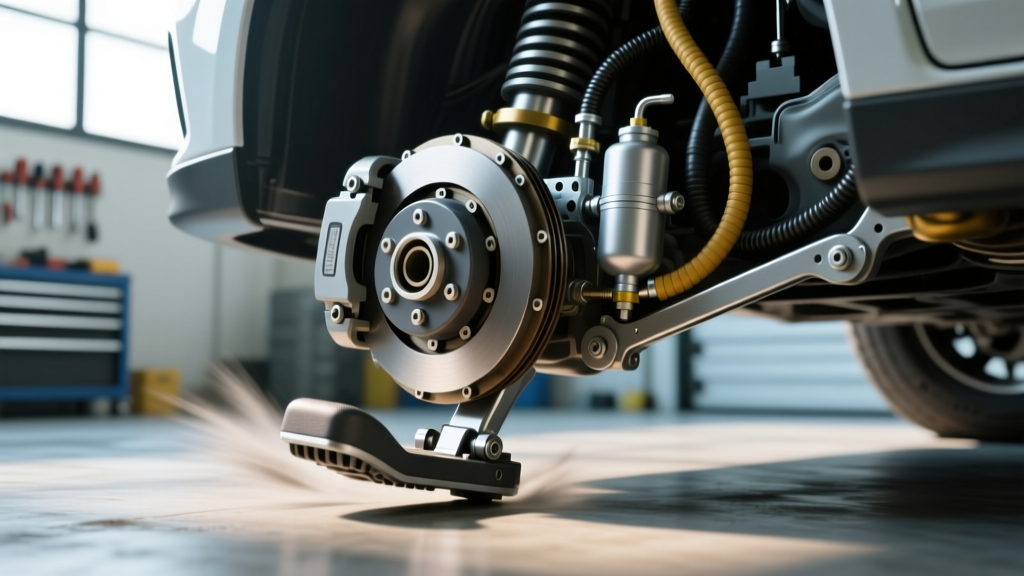
To accurately diagnose intermittent clutch problems, we must first isolate the hydraulic actuation circuit. The clutch hydraulic system is essentially a low-pressure brake circuit, and it shares the same vulnerabilities.
1. Internal Master Cylinder Bypassing (The Ghost Leak)
The most common cause of an intermittent clutch pedal stuck to the floor is internal bypassing within the Clutch Master Cylinder (CMC). Inside the CMC, a primary rubber cup seal pushes fluid down the bore toward the slave cylinder. Over time, the aluminum bore can develop microscopic scoring, or the EPDM rubber seal can harden and shrink.
When the driver presses the pedal, instead of displacing fluid to the slave cylinder, the hydraulic pressure forces the fluid past the worn seal and back into the reservoir. The pedal drops to the floor with zero resistance. Because the fluid remains inside the sealed system, there are no external leaks. The pedal may slowly return to its normal position as fluid seeps back past the seal, or the driver may have to manually pull it up with their toe.
2. Hygroscopic Fluid Degradation and Vapor Lock
Glycol-ether-based DOT 3 and DOT 4 clutch fluids are highly hygroscopic, meaning they actively absorb moisture from the atmosphere through microscopic pores in the flexible rubber lines and the master cylinder reservoir vent. According to Bosch Automotive Parts, a DOT 4 fluid's wet boiling point can drop from 446°F (dry) to a dangerous 311°F after just two years of moisture absorption.
When the fluid's boiling point drops, the intense heat radiating from the transmission bellhousing can cause the fluid inside the slave cylinder to literally boil. This creates a vapor pocket. Since gases are compressible and liquids are not, the pedal travels to the floor without actuating the clutch fork. Once the vehicle cools down, the vapor condenses back into liquid, and the pedal function 'mysteriously' returns.
3. Thermal Expansion of the Flexible Clutch Hose
The flexible rubber hose connecting the hard metal lines to the transmission slave cylinder is subjected to extreme heat cycling. As OEM rubber hoses age, their internal structural reinforcement weakens. Under high ambient temperatures or heavy stop-and-go traffic, the internal hydraulic pressure causes the weakened rubber hose to expand outward like a balloon. This volumetric expansion absorbs the hydraulic stroke meant for the slave cylinder, resulting in a temporary loss of pedal pressure and a clutch pedal stuck to the floor until the hose cools and contracts.
4. Concentric Slave Cylinder (CSC) Heat Soak
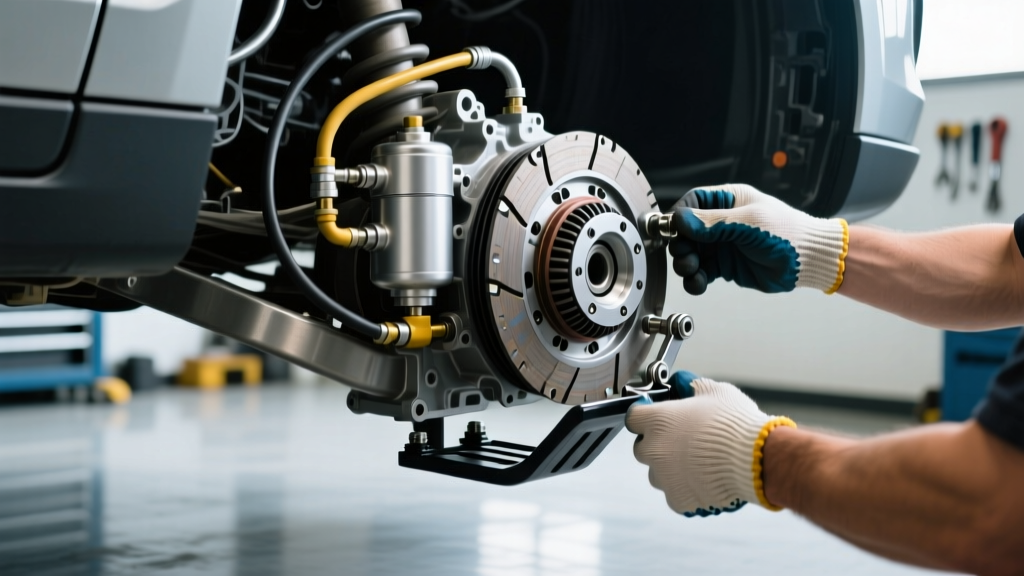
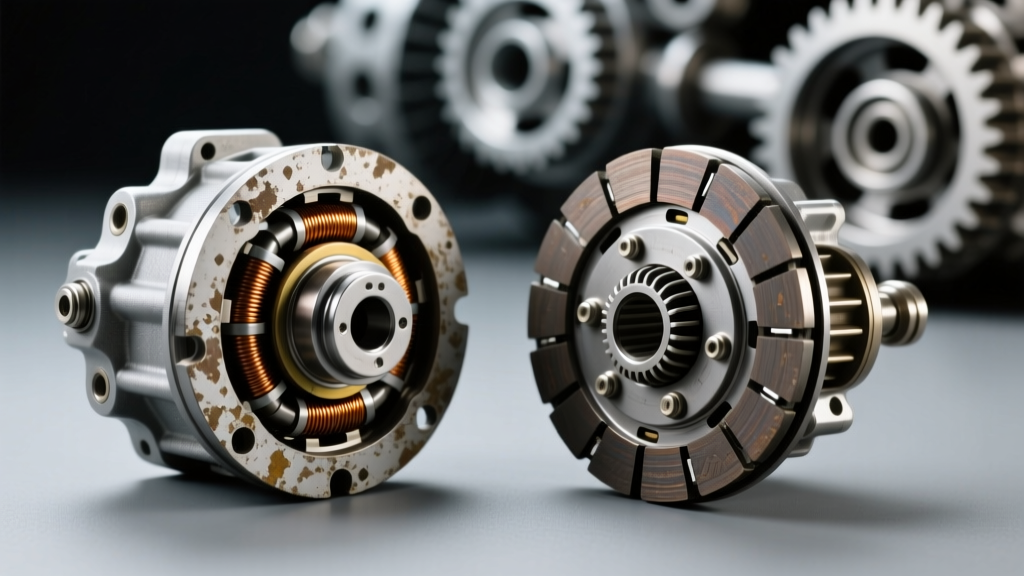
Modern manual transmissions frequently utilize a Concentric Slave Cylinder (CSC) that wraps around the transmission input shaft, operating directly against the pressure plate fingers. While efficient, the CSC sits directly inside the bellhousing, exposed to clutch dust and extreme friction heat. Schaeffler Aftermarket (LuK) technical bulletins frequently highlight that intermittent CSC failures occur when the internal plastic guide sleeves warp under heat, causing the piston to bind in the bore only when the drivetrain reaches operating temperature.
Mechanical Binding: When Hydraulics Aren't the Problem
If the hydraulic system tests perfectly, intermittent clutch problems diagnosis must shift to the mechanical linkage inside the bellhousing.
Throwout Bearing and Fork Pivot Wear
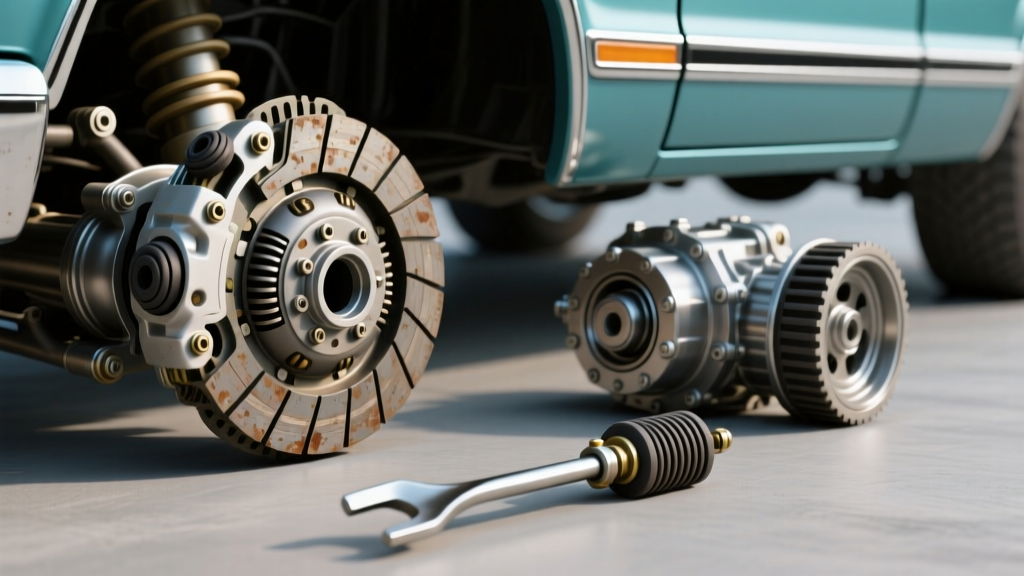
The clutch fork pivots on a hardened steel ball stud. If the factory grease dries out or the pivot ball wears into a grooved crater, the fork can physically bind under high hydraulic load. When the fork binds, the hydraulic pressure spikes, blowing past the master cylinder seals and dropping the pedal to the floor. A quick vibration or gear shift can jar the fork off the worn spot, restoring normal pedal feel. Similarly, a failing throwout bearing that intermittently seizes on the input shaft sleeve will create immense drag, overpowering the hydraulic system and causing pedal collapse.
Pressure Plate Finger Fatigue
High-mileage diaphragm spring pressure plates can suffer from metal fatigue. Under specific RPM harmonics or high under-hood temperatures, the spring fingers can temporarily invert or bind against the throwout bearing face. This mechanical lock prevents the slave cylinder from returning, keeping the pedal pinned to the floorboard until the engine is shut off and the drivetrain settles.
Step-by-Step Diagnostic Protocol for Intermittent Failures
Do not throw parts at an intermittent issue. Follow this structured diagnostic matrix to isolate the exact failure point.
Pro-Tip: Never diagnose a clutch hydraulic system by pumping the pedal rapidly. Rapid pumping masks internal master cylinder bypassing. Always apply slow, steady, and heavy pressure to the pedal to simulate high-load hydraulic displacement.
| Symptom Profile | Probable Root Cause | Diagnostic Test Method |
|---|---|---|
| Pedal drops slowly to floor while holding at stoplight; no external leaks. | Internal Master Cylinder Bypassing | Clamp the flexible hydraulic hose with soft-jaw pliers. If pedal still drops, CMC is faulty. |
| Pedal goes to floor only after 30+ mins of highway driving; recovers when cold. | Fluid Vapor Lock / Hose Expansion | Check fluid color (dark = contaminated). Inspect hose for bulging. Test fluid boiling point. |
| Pedal sticks to floor at high RPM; returns when engine is idling. | Clutch Fork Pivot Bind / TO Bearing Seizure | Remove inspection cover. Observe fork movement with engine running. Check pivot ball wear. |
| Pedal feels spongy intermittently; fluid level in reservoir remains full. | Concentric Slave Cylinder (CSC) Air Trap | Perform reverse pressure bleed from the slave cylinder up to the master reservoir. |
2026 Repair Costs, Torque Specs, and Fluid Standards
When you have isolated the fault, precision during the repair is critical to prevent a comeback. Below are the current industry benchmarks for parts, labor, and assembly specifications.
Fluid Selection and Bleeding
Always use the fluid specified on the master cylinder reservoir cap. However, if the vehicle is subjected to track use or heavy towing, upgrading to a high-performance DOT 4 (like Castrol SRF or Motul RBF 600) or DOT 5.1 is recommended. Never use DOT 5 silicone fluid, as it is not compatible with the EPDM seals used in OEM clutch systems and will cause immediate seal swelling and failure.
- Standard DOT 4 Capacity: Most passenger vehicles require between 250ml and 400ml for a complete system flush.
- Bleeding Protocol: Always reverse-bleed clutch systems using a syringe and clear tubing at the slave cylinder bleeder valve, pushing fluid UP to the master cylinder. This naturally forces trapped air bubbles out of the reservoir, which is crucial for systems where the master cylinder sits lower than the slave.
Critical Torque Specifications
Improper torque on mechanical linkage components will alter the geometry of the clutch actuation, leading to premature wear and recurrent pedal issues.
- Clutch Fork Pivot Ball Stud (Tremec T56 / T56 Magnum): 25 - 30 lb-ft (Apply high-temp moly grease to the ball before installation).
- Master Cylinder Firewall Nuts (Typical M8 hardware): 10 - 15 lb-ft. Over-torquing will distort the plastic master cylinder body, causing internal binding.
- Concentric Slave Cylinder (CSC) Retaining Bolts: 7 - 9 lb-ft. These are typically small M6 bolts threading into aluminum transmission cases; over-torquing will strip the case threads.
- Transmission Bellhousing to Engine Block Bolts: 35 - 50 lb-ft (varies by engine block material; always use an alignment dowel to prevent input shaft binding).
Real-World Pricing Estimates (2026)
Understanding the financial scope of the repair helps in advising the customer. Prices reflect OEM-equivalent aftermarket parts (e.g., Sachs, LuK, FTE) and average independent shop labor rates.
- External Master & Slave Cylinder Replacement: $250 - $450 (1.5 - 2.5 hours labor). No transmission removal required.
- Concentric Slave Cylinder (CSC) Replacement: $900 - $1,600 (5.0 - 8.0 hours labor). Requires transmission removal. Note: Always replace the clutch disc, pressure plate, and flywheel when the transmission is out for a CSC failure to avoid paying for duplicate labor.
- Hydraulic Line Replacement (Steel-braided upgrade): $120 - $200 parts and labor.
Final Thoughts on Intermittent Diagnostics
An intermittent clutch pedal stuck to the floor is rarely a simple fix. It requires a technician to think beyond basic mechanical linkage and understand the thermodynamic and chemical realities of the hydraulic system. By systematically testing for internal bypassing, evaluating fluid moisture content, and inspecting the mechanical pivot points under load, you can confidently pinpoint the exact cause of the failure. Always reference manufacturer-specific technical service bulletins (TSBs) via portals like Tremec or OEM dealer networks, as certain vehicle platforms have known master cylinder bore defects that require updated part numbers to resolve permanently.