Decoding the Market: What Cars Have DCT Transmission Options?
When enthusiasts and daily drivers alike ask, 'what cars have dct transmission options?', the answer spans everything from affordable hot hatches to six-figure hypercars. Dual Clutch Transmissions (DCTs) offer lightning-fast shift times and uninterrupted torque delivery, bridging the gap between manual engagement and automatic convenience. However, as we navigate the 2026 automotive landscape, the industry's pivot toward electric vehicles has effectively halted new DCT development. This means the vast majority of DCT-equipped internal combustion engine (ICE) vehicles on the road are now entering their mature, out-of-warranty lifecycle phase.
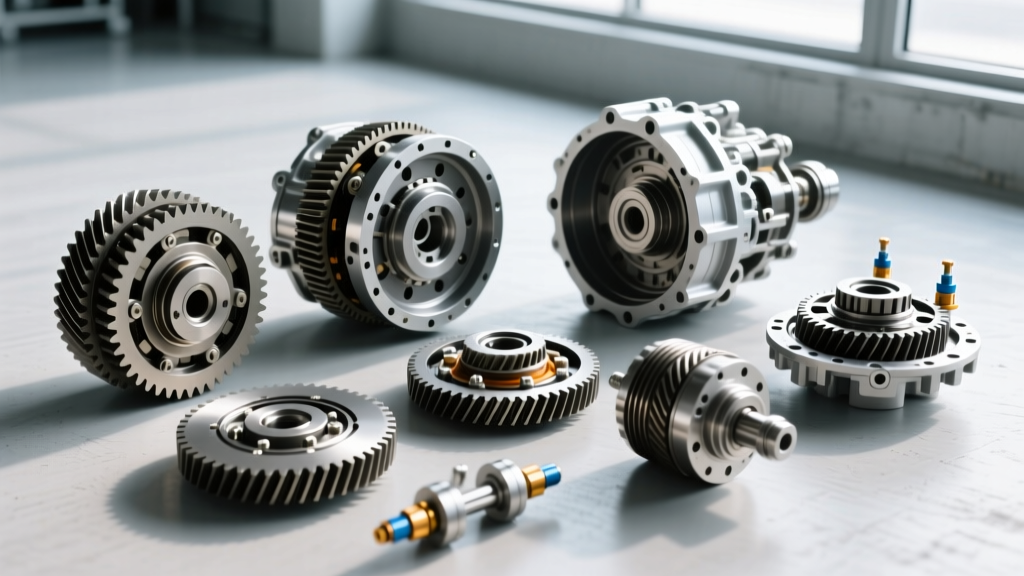
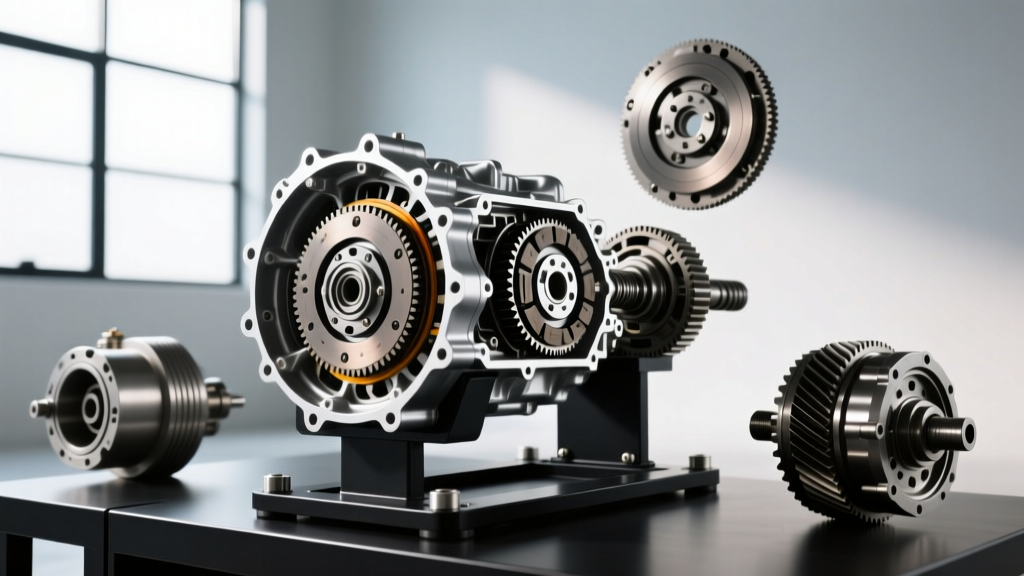
For used car buyers and current owners, understanding the financial reality of these complex gearboxes is critical. A DCT is not a traditional torque-converter automatic; it is essentially two manual transmissions housed in a single casing, controlled by a highly sophisticated mechatronic brain. When they work, they are engineering marvels. When they fail, the repair invoices can be financially devastating. In this comprehensive cost analysis, we break down the exact pricing, common failure modes, and maintenance realities of the most prominent DCTs on the market.
Automaker DCT Lineup & Estimated Out-of-Warranty Repair Costs
Not all DCTs are created equal. The distinction between wet-clutch (oil-bathed) and dry-clutch systems dictates both their torque capacity and their long-term reliability. Below is a 2026 market snapshot of the most common DCT platforms, their applications, and the real-world costs associated with their most frequent catastrophic failures.
| Automaker / Platform | Transmission Model | Clutch Type | Common Failure Point | Avg. Repair Cost (Parts + Labor) |
|---|---|---|---|---|
| VW / Audi (MQB) | DQ250 / DQ381 (DSG) | Wet (6/7-Speed) | Mechatronic Unit / Valve Body | $2,200 - $3,400 |
| Porsche (911 / Cayman) | ZF PDK (7/8-Speed) | Wet | Internal Distance Sensor | $3,500 - $5,500 |
| Ford (Focus / Fiesta) | DPS6 (PowerShift) | Dry (6-Speed) | Integrated TCM / Actuator Motors | $1,200 - $1,800 |
| Hyundai / Kia (N-Line) | D8LF1 / D7LF1 | Wet 8 / Dry 7 | Clutch Pack Wear / Actuator Gears | $1,800 - $3,200 |
| Audi (MLB Evo) | DL382 (S tronic) | Wet (7-Speed) | Oil Pump / Quattro Ultra Clutch | $2,800 - $4,500 |
Volkswagen Group DSG: Wet Clutch Financials (DQ250 & DQ381)
Volkswagen’s Direct-Shift Gearbox (DSG) is the most ubiquitous DCT on the road. The DQ250 (02E) 6-speed wet DCT has been a staple in vehicles like the Golf GTI and Audi S3 for over a decade. While generally robust, its Achilles' heel is the mechatronic unit—the combined hydraulic valve body and Transmission Control Module (TCM).
The Mechatronic Unit: The $2,500 Elephant in the Room
Internal solenoid wear and cracked accumulator housings in the DQ250 mechatronic unit (Part No. 02E927770 for various iterations) lead to harsh downshifts, 'flashing wrench' dashboard warnings, and eventual limp mode. A brand-new OEM mechatronic unit costs between $1,600 and $2,200. Because the unit requires specialized VCDS/ODIS software coding to the vehicle's immobilizer and ECU, dealership labor rates often push the total invoice past $3,200.
For the newer DQ381 7-speed wet DCT (found in the Mk7.5 and Mk8 Golf R), the clutches themselves are incredibly durable, often surviving well past 100,000 miles. However, the DQ381 is known for oil pump failures and selector fork wear. Replacing a DQ381 clutch pack requires a specialized alignment tool (VAG tool T10374) and roughly 9 hours of labor. Expect to pay around $1,400 for the OEM Luk clutch pack and another $1,350 in labor.
Expert Transmission Tip: Never ignore a DSG mechatronic sleeve leak. The plastic wiring harness sleeve on the side of the transmission degrades over time. A $40 seal kit and 2 hours of labor can prevent a massive fluid loss that would otherwise starve the clutches and cause a $6,000 catastrophic transmission replacement.
Porsche PDK: Engineering Marvel, Financial Liability
The Porsche Doppelkupplung (PDK), manufactured by ZF, is widely considered the best-shifting DCT in the world. Found in the 911, Cayman, Boxster, and Panamera, the PDK handles immense torque and tracks heat exceptionally well. But premium engineering commands a premium price tag when things go wrong.
The Infamous 991 Distance Sensor Failure
On the 991-generation 911 (and corresponding Boxster/Cayman models), a highly specific and notoriously expensive failure plagues the PDK: the internal distance/speed sensor ring. The sensor itself is a relatively inexpensive Hall-effect part (roughly $120 to $180). However, it is located deep inside the transmission bell housing. To replace it, a specialist must remove the transmission, drain the specialized Pentosin FFL-3 fluid, split the transmission case, and carefully recalibrate the sensor depth. According to Car and Driver and specialist forums, this 12-to-16-hour labor ordeal routinely results in invoices ranging from $3,500 to $5,500.
Furthermore, a complete PDK replacement on a modern 992-generation Porsche can exceed $14,000. Owners must strictly adhere to the 60,000-mile PDK fluid service interval (despite Porsche's historical claims of 'lifetime' fluid in earlier generations) to protect the $12,000 asset bolted to their engine.
Ford DPS6 & Hyundai Dry DCTs: The Hidden Cost of 'Budget' Transmissions
While wet DCTs use transmission fluid to cool the clutch packs, dry-clutch DCTs rely on ambient air. This makes them lighter, cheaper to manufacture, and more fuel-efficient, but highly susceptible to overheating in stop-and-go traffic.
The Ford PowerShift (DPS6) Nightmare
The 6DCT250 (DPS6) used in the 2011-2018 Ford Focus and Fiesta is infamous. Its dry clutches wear rapidly, leading to shuddering. More importantly, the Transmission Control Module (TCM) is bolted directly to the side of the transmission case. Heat and vibration cause the TCM's internal solder joints to crack, resulting in a total loss of reverse gear or sudden neutral drops. While Ford extended warranties on some models, out-of-pocket replacement of the TCM and clutch actuator motors (which feature plastic gears that strip over time) costs roughly $1,500. In the 2026 used car market, a DPS6-equipped car is generally considered a severe financial liability unless a manual transmission swap has been performed.
Hyundai/Kia D7LF1 (7-Speed Dry)
Hyundai and Kia utilized the D7LF1 dry DCT in models like the Veloster Turbo and early Optima/K5. Similar to the Ford, the clutch actuator motors fail. When the plastic worm gears inside the actuator strip, the car cannot engage the clutch. Replacement of the dual actuator motors requires dropping the subframe and recalibrating the clutch touch-points via the OBDII port. Parts cost around $600, with labor adding another $500.
Preventative Maintenance: Fluid Capacities and Service Intervals
The single greatest variable in DCT ownership cost is preventative maintenance. Neglecting fluid changes in a wet DCT guarantees premature wear to the clutches and mechatronic solenoids. Below are the critical specifications for the most common platforms:
- VW/Audi DQ250 (6-Speed Wet): Requires 7.2 Liters of
G 052 182 A2fluid (or equivalent Pentosin FFL-2). Filter part number02E305051. Service interval: 40,000 miles. Drain plug torque: 45 Nm. - VW/Audi DQ381 (7-Speed Wet): Requires approx. 7.0 Liters of
G 055 529 A2. Service interval: 60,000 miles. Uses a specialized overflow tube for level setting. - Porsche PDK (991/992): Requires approx. 8.5 Liters of Pentosin FFL-3 or OEM Porsche PDK fluid. Service interval: 60,000 miles (strictly enforced by independents, despite factory 120k claims). Requires a new aluminum crush washer and pan seal.
- Hyundai D8LF1 (8-Speed Wet - Veloster N): Requires approx. 6.5 Liters of specific Hyundai DCT fluid. Service interval: 60,000 miles. Crucial for preventing the limited-slip differential clutch pack from glazing during track use.
For authoritative parts sourcing and exact OEM fluid specifications, enthusiasts frequently rely on specialized European parts suppliers like FCP Euro, which offers lifetime replacement guarantees on maintenance kits, effectively capping your long-term fluid costs.
Final Cost-Benefit Analysis: Is a DCT Worth the Risk?
So, what cars have DCT transmission layouts that actually make financial sense in 2026? If you are purchasing a vehicle with a wet-clutch DCT (like the VW DQ381 or Porsche PDK) and you have verifiable records of strict 40k-60k mile fluid services, the ownership experience is largely positive. The performance benefits far outweigh the cost of a $300 fluid service every few years.
However, if you are looking at budget commuter cars equipped with dry-clutch DCTs (Ford DPS6, early Hyundai/Kia 7-speeds), the cost analysis heavily favors traditional torque-converter automatics or manual transmissions. The inherent design flaws of dry DCTs in heavy traffic result in inevitable clutch and actuator failures that frequently exceed the residual value of the vehicle itself.
Ultimately, a DCT is a high-performance component that demands high-performance maintenance. Budget for a $2,500 emergency repair fund when buying any out-of-warranty DCT vehicle, and prioritize independent specialists who own the proprietary factory scan tools required to perform clutch adaptations and mechatronic coding. For deeper technical insights into ZF and DCT engineering architectures, the ZF Friedrichshafen corporate archives provide extensive white papers on the evolution of dual-clutch hydraulic management systems.