The Architecture of Electromechanical Clutch Actuation
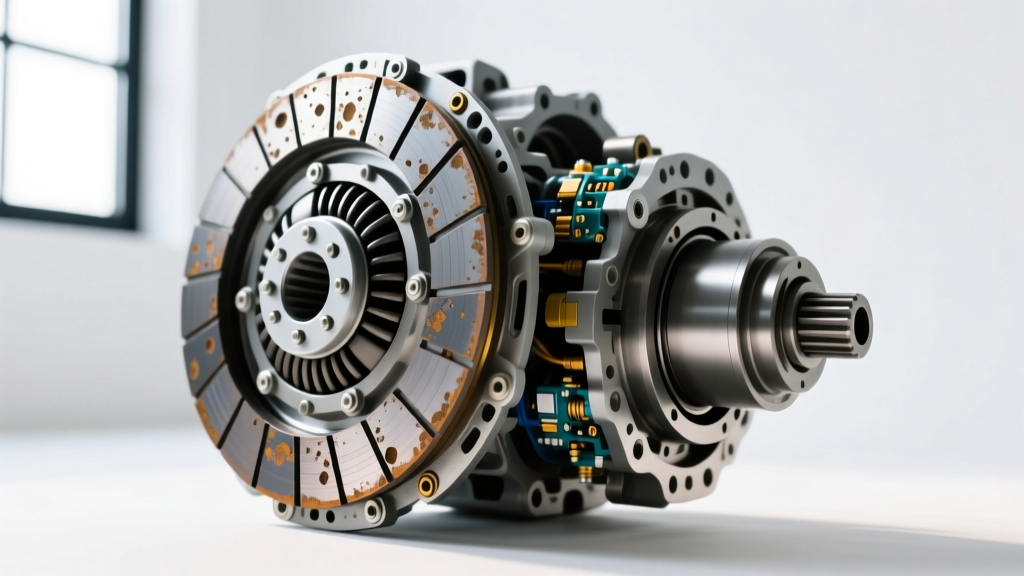
Modern powertrains have largely migrated from purely hydraulic or cable-driven manual setups to highly sophisticated electromechanical clutches. Found predominantly in Dual-Clutch Transmissions (DCTs) like the VW DQ500, Porsche PDK, Getrag 7DCT, and various hybrid e-axle disconnect units, these systems rely on brushless DC (BLDC) motors, ball-ramp actuators, and precision solenoids to modulate clamp load. Unlike a traditional hydraulic master-slave cylinder setup where pedal feel provides tactile feedback to the driver, electromechanical systems operate in a closed-loop environment. The Transmission Control Module (TCM) relies entirely on Hall-effect position sensors, motor current draw, and slip-rpm telemetry to manage engagement.
Because the driver is insulated from the mechanical linkage, diagnosing wear in electromechanical clutches requires a fundamental shift in diagnostic strategy. Technicians must move away from subjective pedal-feel assessments and instead interpret OBD2 telemetry, adaptation limits, and actuator motor amperage to determine the remaining lifespan of the friction materials and mechanical linkages.
Primary Wear Signs in DCT and Hybrid Powertrains
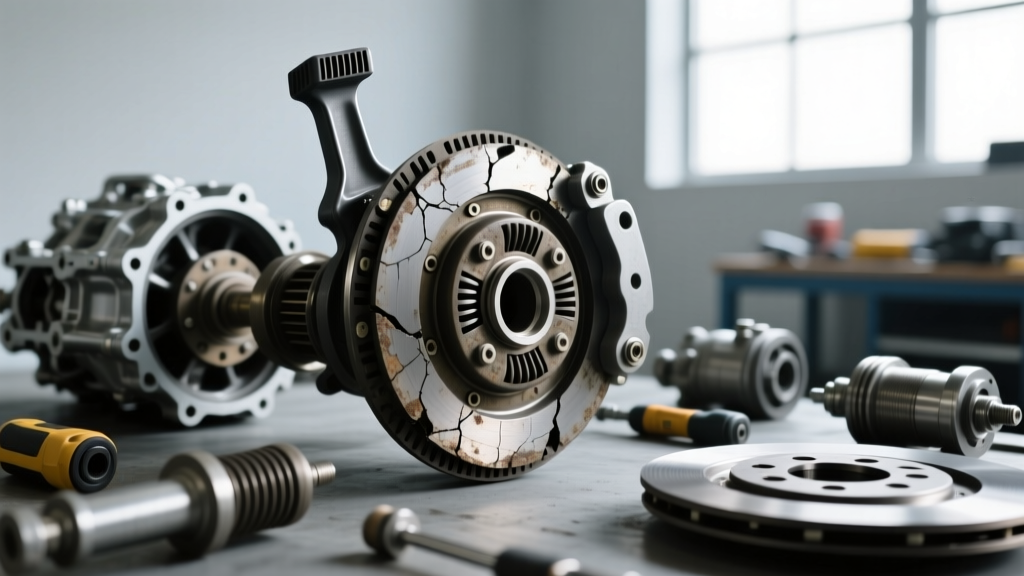
Friction material degradation in an automated clutch pack does not always manifest as the classic 'slipping under heavy load' symptom seen in traditional manual transmissions. Because the TCM constantly adapts the clutch kiss-point (the exact actuator position where torque transfer initiates), early wear is often masked by software compensation. However, as the physical limits of the actuator stroke are approached, distinct mechanical and thermal symptoms emerge.
Low-Speed Judder and Torque Handover Shudder
The most common early indicator of electromechanical clutch wear is low-speed shudder, typically occurring during the 1-2 or 2-3 torque handover phase in stop-and-go traffic. As the organic or sintered friction material glazes or wears unevenly, the coefficient of friction (mu) becomes unstable. This results in 'stick-slip' oscillations. In wet DCTs like the Ford/Gertag 6DCT450, this is often exacerbated by degraded friction modifiers in the transmission fluid, but if a fluid flush (using exact OEM spec fluids like G052529A2) does not resolve the shudder, physical clutch pack wear or a warped steel separator plate is the primary culprit.
Thermal Derating and Limp-Mode Triggers
Electromechanical actuators generate significant heat when modulating the clutch during partial-engagement phases (such as hill starts or creeping). The TCM calculates clutch slip energy in Joules. If the friction material is severely worn, the TCM must command higher clamp loads or tolerate excessive micro-slippage to prevent harsh engagements. This generates excess heat in the actuator motor and the clutch housing. When the modeled temperature exceeds safe thresholds (often around 130°C to 145°C at the clutch sensor), the TCM will trigger thermal derating, temporarily reducing engine torque output or forcing a limp mode to protect the mechatronic unit from catastrophic thermal failure.
Quantifying Lifespan: Telemetry and Adaptation Values
To accurately gauge the lifespan of electromechanical clutches, technicians must access the TCM's advanced measuring value blocks (MVBs) or adaptation channels using enthusiast or professional-grade scan tools. According to Ross-Tech VAG Transmission Diagnostics, monitoring specific clutch adaptation data is critical for predicting failure before a vehicle is left stranded.
Two primary telemetry data points reveal the true health of the clutch pack:
- Clutch Kiss-Point Shift: As friction discs wear, the physical distance the actuator must travel to engage the clutch increases. A new clutch pack might have a kiss-point adaptation value of 4.5mm. If the TCM adaptation limits out at 14.0mm (a common threshold in VAG DSG units), the actuator can no longer physically compensate for the missing friction material, resulting in engagement errors and fault codes like P17BF (Clutch 1: Tolerance Limit Reached).
- Actuator BLDC Motor Current Draw: The BLDC motor drives a ball-screw or cam-ramp mechanism to press the diaphragm spring. A fatigued diaphragm spring or worn pivot bearings increases mechanical resistance. By monitoring the peak amperage of the clutch actuator motor during a basic settings engagement cycle, technicians can identify mechanical binding or excessive wear.
| Clutch State | Kiss-Point Shift (mm) | BLDC Motor Current (Peak) | Slip Time (ms) | Diagnostic Action |
|---|---|---|---|---|
| New (Baseline) | 3.5 - 5.0 mm | 3.0A - 4.5A | 180 - 220 ms | No action required |
| Mid-Life (40k mi) | 6.5 - 9.0 mm | 5.0A - 6.8A | 240 - 280 ms | Monitor, perform basic settings reset |
| End-of-Life (80k+ mi) | > 11.5 mm | > 8.5A | > 350 ms | Replace clutch pack / actuator motor |
Case Studies: DQ200 Dry vs. 6DCT450 Wet Wear Profiles
The failure modes of electromechanical clutches vary wildly depending on whether the system operates in a dry or wet environment. Research and field data highlighted in SAE International Drivetrain Telemetry Papers emphasize that environmental contamination plays as large a role as friction wear.
VAG DQ200 (7-Speed Dry DCT)
The DQ200 utilizes two dry single-plate clutches actuated by electric motors and hydraulic push-rods driven by an accumulator pump. The most prevalent lifespan indicator here is not just friction wear, but actuator motor burnout. Dry clutches generate conductive friction dust. Over time, this dust infiltrates the actuator lever pivot points, increasing mechanical drag. The BLDC motor must draw increasingly higher amperage (spiking past 9.0A) to overcome this drag. Eventually, the internal thermal fuse of the mechatronic actuator blows. Replacing just the electromechanical actuator unit costs between $1,100 and $1,500, while a full clutch pack replacement requires dropping the transmission and utilizing specialized alignment tools to set the clutch hub clearance to exactly 1.5mm - 2.2mm using selective shims.
Getrag 6DCT450 (6-Speed Wet DCT)
Used in Ford, Volvo, and Land Rover applications, this wet DCT immerses the multi-plate clutches in fluid. Wear here is often characterized by clutch hub spline fretting and micro-slippage caused by degraded fluid friction modifiers. A key lifespan indicator is the 'Clutch Drag Torque' adaptation value. If the drag torque exceeds 15 Nm when the clutch is commanded fully open, the multi-plate friction materials are warping or the return springs are fatigued, causing parasitic drag and premature wear on the opposing clutch pack during gear changes.
Replacement Economics and Torque Specifications
When telemetry confirms that electromechanical clutches have reached the end of their service life, precision during replacement is non-negotiable. Unlike a traditional manual clutch where a mechanic can 'eyeball' the alignment, electromechanical systems require exact mechanical baselines to allow the TCM to relearn the adaptation values.
Expert Insight: Never install a new electromechanical clutch pack without first measuring the Dual Mass Flywheel (DMF) runout and checking the pilot bearing. A DMF runout exceeding 0.5mm will cause immediate kiss-point adaptation errors and low-speed shudder, leading to unjustified warranty claims on the new clutch pack.
Critical Installation Specifications:
- DMF to Crankshaft Bolts: M10x1.25 torque-to-yield. Typically 60 Nm + 90 degrees of rotation. Always replace these bolts; reusing stretched TTY bolts risks catastrophic flywheel detachment under high-torque electromechanical engagement.
- Clutch Pack Clearance: Must be measured with a dial indicator. Acceptable range is generally 1.50mm to 2.20mm. Adjust using the manufacturer's selective snap-ring or shim kit.
- Mechatronic Seal Sleeves: On wet DCTs, the O-rings and Teflon seal rings on the mechatronic unit that interface with the clutch drum must be replaced. A $15 seal kit prevents a $3,000 diagnostic nightmare caused by internal clutch pressure bleed-offs.
Ultimately, the lifespan of electromechanical clutches ranges from 60,000 miles in heavy urban stop-and-go traffic to well over 120,000 miles in highway-dominant driving. By leveraging OBD2 telemetry, monitoring BLDC motor current draw, and adhering to strict mechanical tolerances during service, technicians can accurately diagnose wear and restore seamless power delivery. For further OEM service guidelines and mechatronic adaptation procedures, refer to ZF Global Aftermarket Services and manufacturer-specific technical service bulletins.