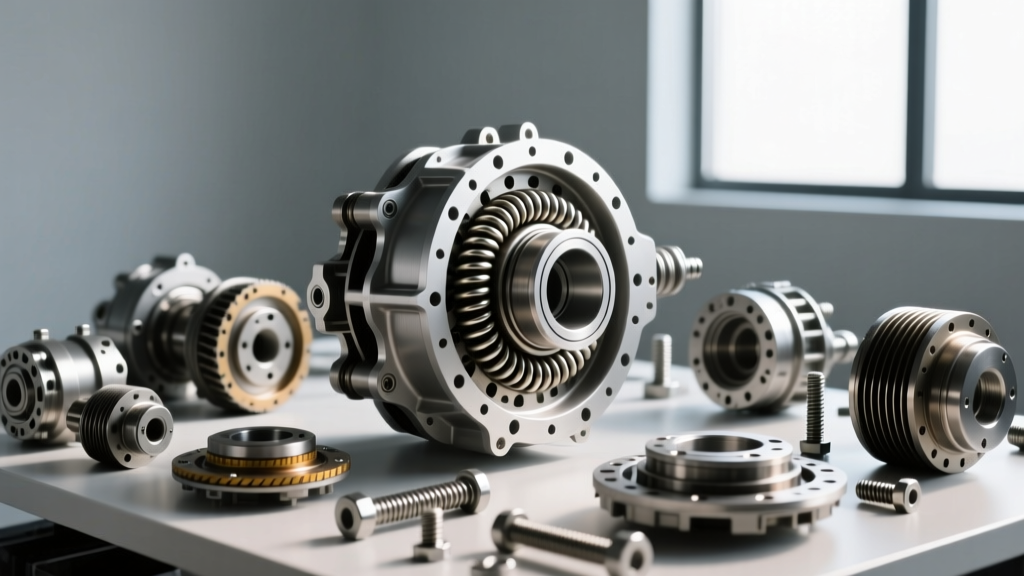
The Big Question: Do CVT Transmissions Have Torque Converters?
If you are staring at a check engine light and wondering, do CVT transmissions have torque converters? The short answer is yes—most modern belt-and-chain Continuously Variable Transmissions (CVTs) absolutely use a torque converter. However, there is a major exception: Toyota’s e-CVT systems (found in the Prius and RAV4 Hybrid) do not use a torque converter or a traditional belt. Instead, they use a planetary gearset and electric motor-generators.
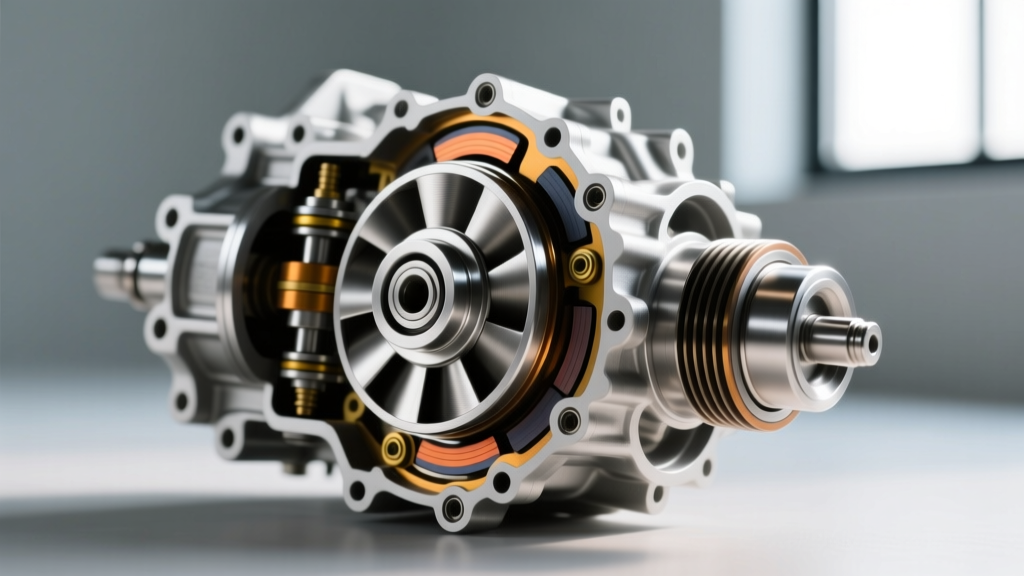
For the vast majority of conventional CVTs on the road today—such as the Jatco JF011E (Nissan/Jeep), Jatco JF016E, and Aisin K313 (Toyota/Subaru)—a torque converter is bolted directly to the flexplate. Its primary job is to multiply engine torque during initial acceleration and provide a fluid coupling to prevent the engine from stalling when stopped. More importantly, these CVT torque converters feature a Torque Converter Clutch (TCC), or lockup clutch, which mechanically locks the engine to the transmission at cruising speeds to eliminate slip, reduce heat, and improve fuel economy.
Why CVT Torque Converters Are Highly Sensitive to DTCs
In a traditional stepped automatic transmission (like a GM 6L80 or ZF 8HP), a failing TCC might cause a mild shudder or a slight drop in fuel economy. In a CVT, a malfunctioning TCC is catastrophic. Because CVTs rely heavily on precise hydraulic pressure to clamp the steel push-belt or chain between the variable pulleys, any uncommanded slip in the torque converter generates massive amounts of friction material and heat. This debris circulates through the valve body, clogging the delicate stepper motor solenoids and causing the pulleys to lose clamping force, which leads to catastrophic belt slip.
According to Sonnax technical documentation on Jatco CVT units, TCC solenoid degradation and valve body bore wear are leading contributors to CVT failure. Understanding the Diagnostic Trouble Codes (DTCs) associated with the TCC is your first line of defense.
Decoding CVT Torque Converter Diagnostic Trouble Codes (DTCs)
When the Transmission Control Module (TCM) detects an anomaly in the lockup clutch circuit or performance, it triggers a DTC. Below is a breakdown of the most common TCC-related codes you will encounter in CVT applications.
| DTC Code | Definition | What It Means for Your CVT | Common Culprits |
|---|---|---|---|
| P0740 | TCC Solenoid Circuit / Open | The TCM cannot communicate with the lockup solenoid. The CVT will disable lockup, causing high fluid temps. | Broken wiring harness, corroded TCM pins, or failed solenoid coil. |
| P0741 | TCC Stuck Off / Excessive Slip | The TCM commands lockup, but engine RPMs do not drop to match input shaft speed. High risk of belt slip. | Worn TCC apply valve bore, degraded CVT fluid, or failing clutch friction material. |
| P0742 | TCC Stuck On | The lockup clutch remains engaged even when stopped. The engine will stall or shudder violently at idle. | Stuck TCC valve in the valve body, or mechanically welded TCC clutch plates. |
| P0743 | TCC Solenoid Electrical | An electrical short or open circuit is detected in the TCC PWM (Pulse Width Modulated) solenoid. | Internal solenoid short, damaged transmission internal wiring loom. |
| P0744 | TCC Solenoid Intermittent | Lockup is erratic. You may feel a rhythmic 'shudder' or 'rumble strip' sensation at 40-55 MPH. | Contaminated CVTF fluid, failing stepper motor, or marginal solenoid resistance. |
Real-World Case Studies: Jatco JF011E vs. Toyota K313
To understand how these codes manifest in the real world, let us look at two of the most common CVTs in the global fleet.
Jatco JF011E (RE0F10A) - Nissan Altima, Rogue, Jeep Compass
The JF011E is notorious for throwing P0741 and P0744 codes as it ages. The root cause is rarely the torque converter itself initially. Instead, the TCC lockup valve inside the valve body wears out its aluminum bore. This allows precious apply pressure to bleed off, meaning the TCC cannot fully lock. The TCM sees the RPM slip and sets P0741.
The Fix: Before replacing the $900 torque converter, transmission specialists install a Sonnax ZIP kit (Part #113741-01K) which includes a hardened steel sleeve and oversized TCC valve to restore hydraulic integrity. The TCC solenoid itself should measure between 11 and 15 ohms at 68°F (20°C). If it reads out of spec, the solenoid pack must be replaced.
Aisin K313 - Toyota Corolla, RAV4, Subaru Crosstrek
Toyota's K313 CVT frequently experiences TCC shudder, often accompanied by P0744. This shudder feels like driving over highway rumble strips during light throttle application at 35-45 MPH. Toyota has issued multiple Technical Service Bulletins (TSBs) regarding this, which can be cross-referenced via the NHTSA Manufacturer Service Bulletins database.
The Fix: The first step is a drain and refill using strictly Toyota Genuine CVTF FE fluid (Capacity: 4.2 Liters for a standard drain and refill; 7.5 Liters for a dry fill). If the fluid is dark and smells burnt, the friction material on the TCC clutch is already degraded, and a full torque converter replacement is required.
Beginner Diagnostic Checklist for TCC Codes
If you are tackling a TCC code at home or verifying a mechanic's diagnosis, follow this exact sequence to avoid throwing expensive parts at the car unnecessarily:
- Check the Fluid First: CVTs do not have traditional dipsticks in many modern applications. You must check the fluid level via the overflow plug on the transmission pan while the fluid is at a specific temperature (usually 104°F - 113°F / 40°C - 45°C). Low fluid volume directly causes TCC slip (P0741).
- Read Live TCC Slip Data: Using a bi-directional OBD2 scanner, monitor 'TCC Slip Speed' while driving at a steady 50 MPH. The slip should be between -20 and +20 RPM. If you see slip exceeding 100 RPM while the scanner shows 'TCC Commanded: ON', you have a hydraulic or mechanical failure inside the TC or valve body.
- Test Solenoid Resistance: Drop the transmission pan. Locate the TCC solenoid on the valve body. Disconnect the harness and use a digital multimeter to test resistance. Compare your reading to the OEM service manual specs (e.g., 11-15 ohms for Jatco, 5-7 ohms for many Aisin PWM solenoids).
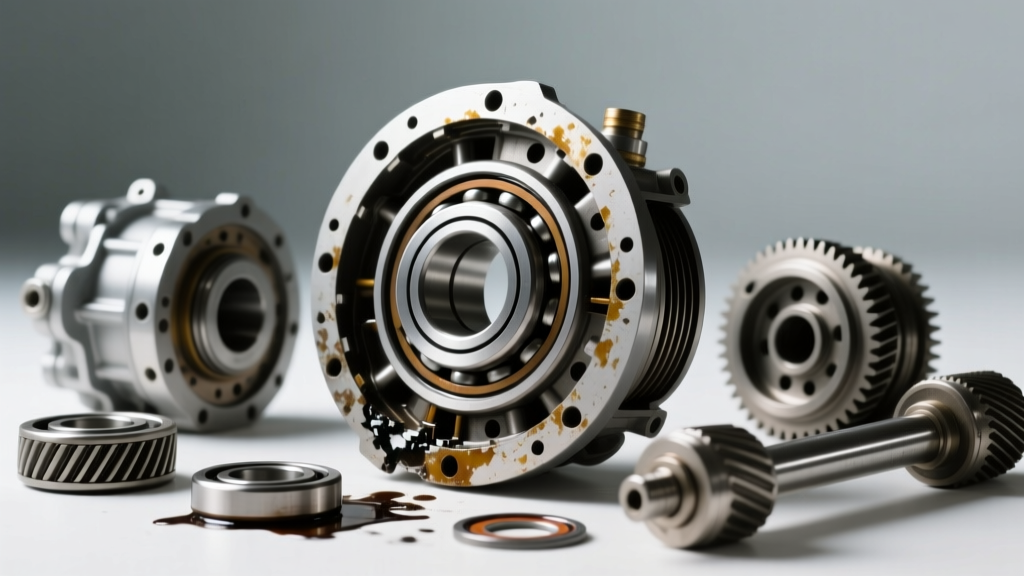
- Inspect for Debris: Look at the magnets in the transmission pan. A light gray paste is normal clutch wear. Large metallic flakes or chunks of friction material mean the torque converter clutch has disintegrated, contaminating the entire CVT. In this scenario, flushing is useless; the transmission must be removed and rebuilt.
2026 Repair Cost Breakdown
Understanding the financial impact of a CVT torque converter failure helps you decide whether to repair or replace the vehicle. Prices below reflect average independent shop rates in 2026.
- Diagnostic Fee: $120 - $180 (Includes live data road test and fluid level verification).
- Valve Body / Solenoid Repair (No TC Removal): $450 - $850. This covers dropping the pan, replacing the TCC solenoid or installing a bore repair kit, and refilling with OEM CVTF.
- Torque Converter Replacement (Transaxle Removal): $1,600 - $2,800. This requires separating the transaxle from the engine. (Pro-Tip: When reinstalling the transaxle, engine-to-transmission bellhousing M10 bolts must be torqued to exactly 34 lb-ft / 46 Nm on most Nissan/Jatco applications to prevent case warping and flexplate runout).
- Complete CVT Assembly Replacement: $3,500 - $5,200. Required if TCC debris has scored the variable pulleys and ruined the push-belt.
Final Thoughts on CVT Maintenance
So, do CVT transmissions have torque converters? Yes, and they are vital to the survival of the belt-and-pulley system. Because CVTs operate on much tighter hydraulic tolerances than traditional automatics, ignoring a minor TCC shudder or a pending P0744 code will rapidly escalate into a total transmission failure. Treat your CVT fluid with respect, change it every 30,000 to 60,000 miles, and address lockup codes the moment they appear to keep your vehicle on the road.