The Danger of a Dislodged Driveshaft: Understanding the Failure
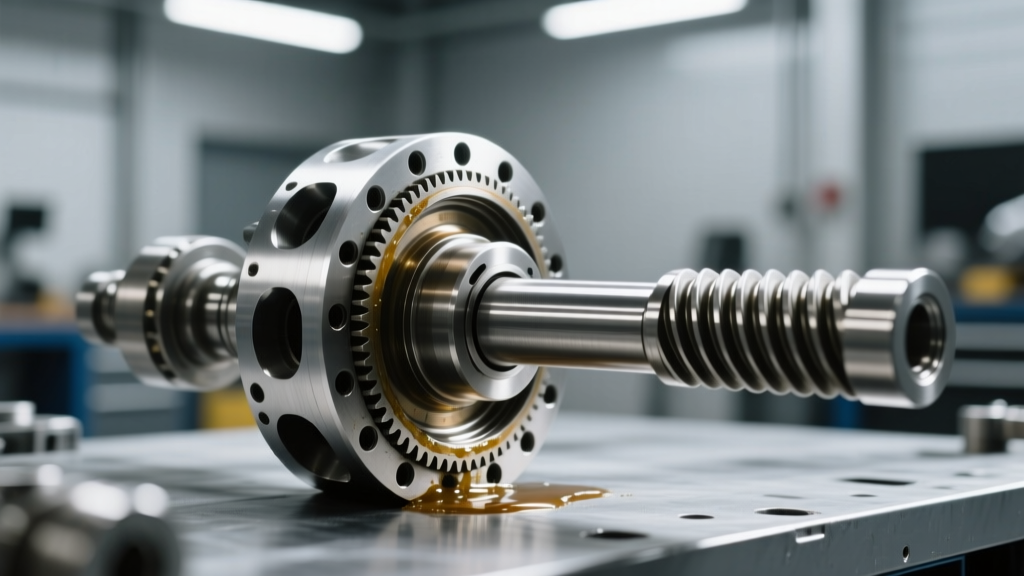
Finding your CV axle loose in differential fluid is a mechanic’s nightmare and a driver’s worst fear. When the inner constant velocity joint dislodges from the transmission or transaxle, the immediate result is a catastrophic loss of differential fluid or automatic transmission fluid (ATF). In modern vehicles equipped with complex units like the GM 6L80, Ford 6R80, or the ZF 8HP, running the differential dry for even a few miles can destroy the side gears, spider gears, and the transmission case itself. As we navigate the 2026 aftermarket landscape, understanding why this happens and selecting the correct replacement components is critical for a permanent repair.
Root Cause Analysis: Why Your Axle Keeps Popping Out
Before throwing money at a new axle assembly, you must diagnose why the retention mechanism failed. A CV axle is retained in the differential side gear via a specific mechanical lock. When that lock fails, lateral movement allows the axle to slide out under suspension droop or heavy acceleration.
1. C-Clip (Snap Ring) Fatigue and Improper Seating
The vast majority of front-wheel-drive and independent rear suspension setups use a C-clip (or snap ring) located on the splined stub shaft of the inner CV joint. This clip is designed to compress as it passes through the differential seal and side gear bore, expanding into a machined groove to lock the axle in place. Over time, cheap aftermarket C-clips made from inferior stamped steel lose their spring tension. Furthermore, if the splines are damaged during installation, the clip can be sheared off entirely.
2. Worn Differential Side Gear Bore
In high-mileage transmissions (commonly seen in the GM 4L60E and early 6L80 applications), the internal bore of the differential side gear can become ovaled or worn. Even with a brand-new, perfectly spec'd C-clip, a worn side gear bore will not provide the necessary counter-pressure to snap the clip into its retaining groove. The result is an axle that feels loose and will eventually vibrate its way out of the transmission case.
3. The 'Hydraulic Lock' Installation Error
One of the most common reasons a newly installed CV axle becomes loose is improper greasing. The inner tripod or ball-type CV joint requires grease, but packing the inner joint housing completely full creates a hydraulic piston effect. When you push the axle into the differential, the trapped grease and air have nowhere to go, preventing the C-clip from fully seating into the side gear groove. The axle clicks, but it isn't truly locked.
2026 Buyer’s Guide: OEM vs. Aftermarket CV Axles
If your stub shaft splines are damaged or the inner joint housing is worn, you must replace the axle. The 2026 market is flooded with options, but metallurgy and tolerance stacking separate the reliable units from the ones that will vibrate at 65 MPH. Below is our expert comparison of current market tiers.
| Brand / Tier | Typical Price (2026) | Warranty | Inner Joint Type | Best Application |
|---|---|---|---|---|
| OEM (GM/Ford/Mopar) | $280 - $450 | 12-24 Months | Forged Steel, OE Spec | Heavy Towing, AWD Systems |
| GKN / Löbro | $160 - $290 | 24 Months | OE-Spec Forged | Euro Vehicles, Performance |
| Cardone New (Not Reman) | $110 - $180 | Limited Lifetime | Cast/Forged Mix | Daily Drivers, Commuters |
| Economy (SurTrack / TrakMotive) | $55 - $95 | 90 Days | Cast Steel | Selling the Vehicle, Budget |
Expert Verdict: For vehicles producing over 300 wheel horsepower or those used for towing, stick to OEM or GKN Automotive axles. GKN is the original equipment manufacturer for many global brands; buying their aftermarket line gets you OE metallurgy without the dealership markup. Economy axles often feature poorly machined inner tripod housings that cause immediate differential seal leaks and C-clip disengagement.
Retaining Clips and Seals: The Hidden Culprits
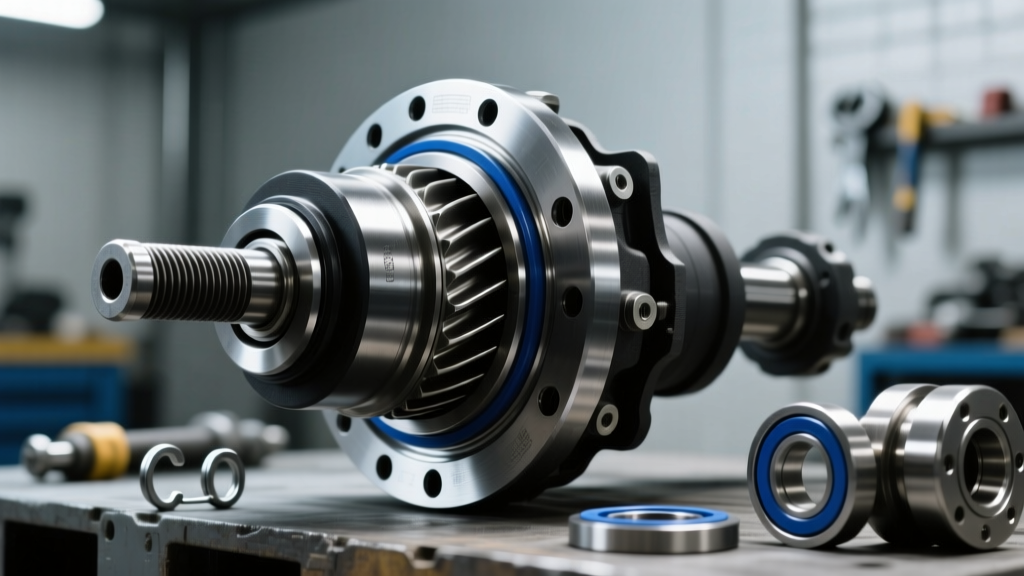
Never reuse a CV axle C-clip. Always use the one included in the new axle box, but verify its thickness. For critical applications, purchasing a snap ring micrometer is a $25 investment that saves you from pulling the axle back out. A variance of just 0.005 inches in clip thickness can mean the difference between a secure lock and a popped axle.
Equally important is the differential seal. A worn seal allows lateral movement of the stub shaft, accelerating side gear bore wear. When sourcing seals, look for premium manufacturers like SKF or Timken. Modern seals often feature a Teflon (PTFE) inner lip or a secondary dust lip to keep contaminants out of the differential fluid. For example, the SKF 19803 or Timken 710841 are industry standards for many GM and Ford independent rear suspension setups.
Step-by-Step Diagnostic & Installation Protocol
To ensure your CV axle is never loose in the differential again, follow this strict installation protocol. This applies to most transverse FWD transaxles and longitudinal RWD/4WD independent front suspensions.
- Inspect the Differential Bore: Before inserting the new axle, use a borescope or a bright LED light to inspect the differential side gear. Look for metal shavings or severe grooving. If the side gear is destroyed, a new axle will not fix the issue; the differential must be rebuilt.
- Verify Spline Count and Length: Count the splines on the old stub shaft and compare it to the new one. A 27-spline vs. 32-spline mismatch is common in aftermarket cataloging errors. Measure the overall compressed length of the axle. It should match the OE unit within 2mm.
- Prepare the Inner Joint: Apply only a light coating of differential fluid or ATF to the splines and the C-clip. Do not pack the inner housing with thick CV grease, as this causes the hydraulic lock mentioned earlier.
- Seat the Axle: Slide the axle in straight. Do not angle it severely, or you will cut the new differential seal lip. Use a dead-blow mallet to strike the inner joint housing (never the CV boot or the outer threads) until you feel and hear a distinct, metallic 'click' indicating the C-clip has seated.
- The 'Tug' Test: Grab the inner joint housing and pull outward with moderate force (about 30-40 lbs of pull). The axle should not move. If it slides out, the C-clip did not seat, or the side gear bore is compromised.
- Torque the Axle Nut: The outer CV axle nut is a critical structural component that preloads the wheel bearing and keeps the outer joint seated. Torque specs vary wildly. For a GM Silverado 1500 (6L80E application), the spec is typically 140 lb-ft plus a 90-degree turn. For a Ford F-150 (6R80), it can be as high as 295 lb-ft. Always consult the specific 2026 factory service manual for your VIN.
Pro-Tip from the Bench: If you are dealing with a ZF 8HP transmission (common in BMW, Audi, and modern Chrysler/Dodge vehicles), the retention method often relies on a specific snap ring thickness and a precise air gap. Always measure the snap ring groove depth and select the appropriate thickness ring from the manufacturer's kit to ensure zero lateral play.
Cost Breakdown: Repair vs. Replace in 2026
Understanding the financial landscape helps you make an informed decision at the parts counter or the service desk. Prices below reflect early 2026 averages sourced from major distributors like RockAuto and regional auto parts networks.
- Basic C-Clip & Seal Kit: $15 - $35 (DIY Fix, assuming side gear is healthy)
- Premium Aftermarket Axle (GKN/Cardone New): $120 - $250 per side
- OEM Dealership Axle Assembly: $350 - $600 per side
- Professional Labor (Book Time): 1.2 to 2.5 hours per side ($150 - $400 at $150/hr shop rate)
- Differential Side Gear Replacement (Worst Case): $800 - $1,500+ (Requires transmission removal and teardown)
Final Thoughts on Drivetrain Integrity
A CV axle that refuses to stay seated is rarely just a 'bad part' issue; it is a symptom of improper installation techniques, worn internal differential components, or subpar aftermarket metallurgy. By investing in OE-quality components from trusted manufacturers, carefully prepping the inner joint to avoid hydraulic lock, and strictly adhering to factory torque specifications, you can ensure your drivetrain remains sealed, quiet, and reliable for the next 100,000 miles.