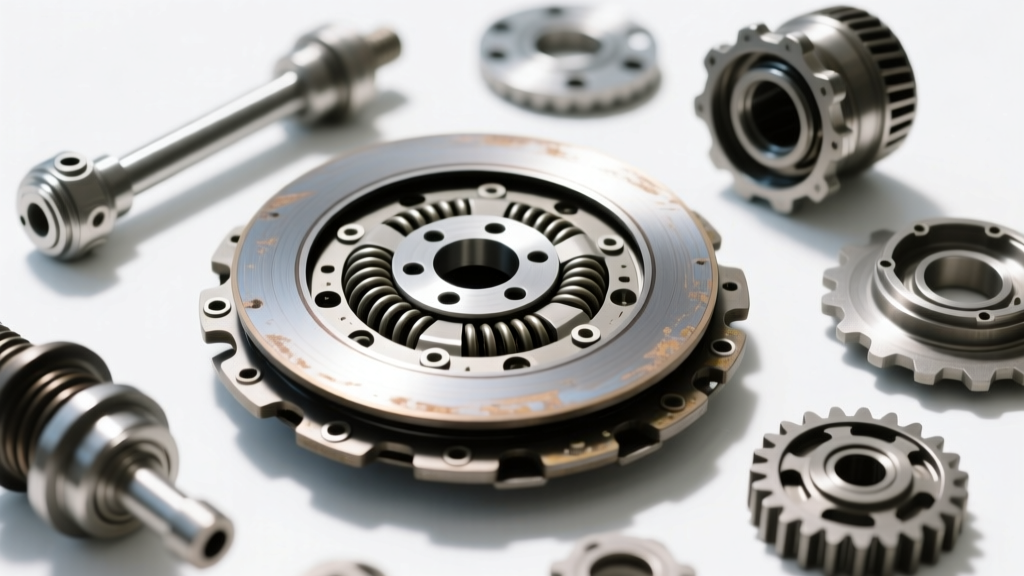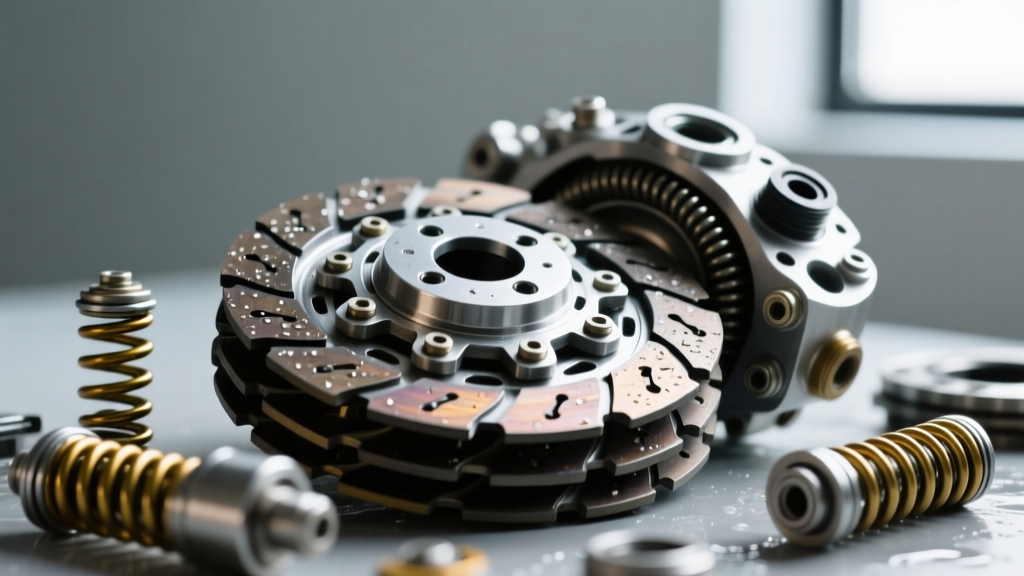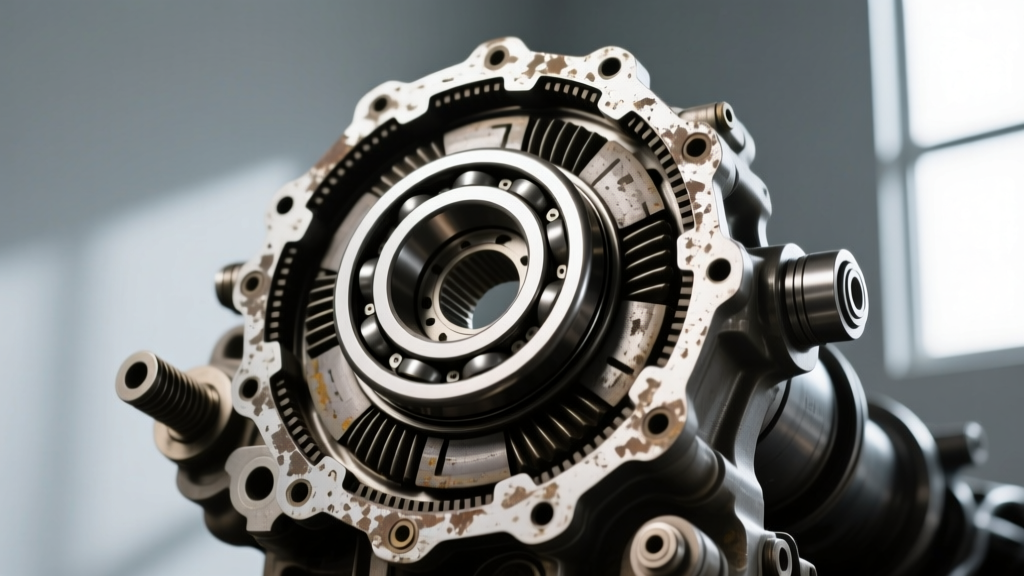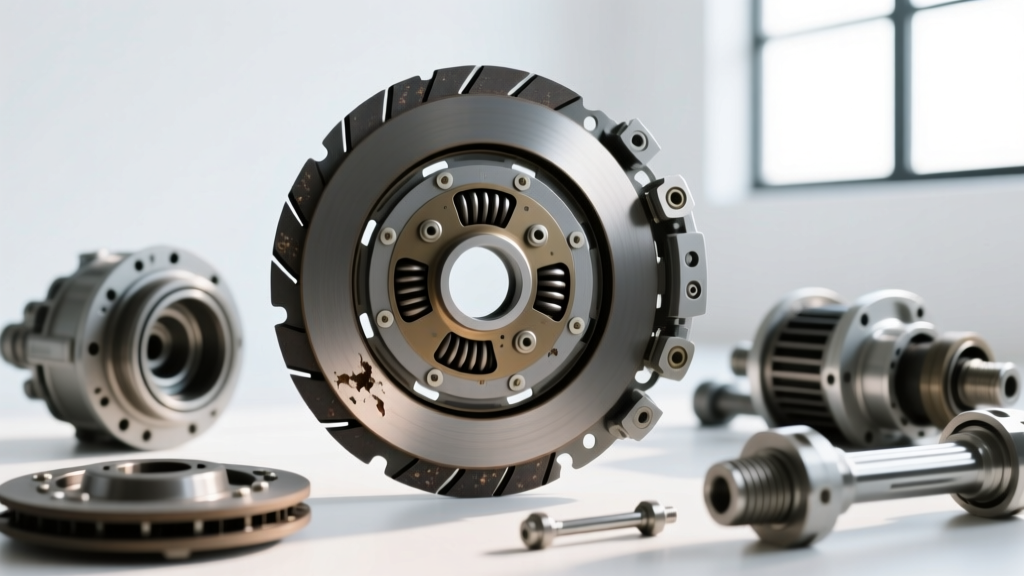
In 2026, diagnosing manual transmission and heavy-duty drivetrain noise has become increasingly complex. Modern internal combustion engines feature aggressive acoustic dampening, lightweight aluminum blocks, and high-output accessory drives that mask and redirect sound waves. When a customer complains of clutch chirping, squealing, or grinding, the immediate assumption is often a failing throwout bearing (TOB) or pilot bearing inside the bellhousing. However, seasoned drivetrain technicians know that a failing mechanical fan clutch bearing can produce an identical acoustic signature, resonating through the engine block and mimicking a catastrophic transmission failure. Misdiagnosing this issue leads to pulling a 150-pound transmission like the Tremec T56 Magnum or ZF S6-650, only to find the clutch assembly is in perfect condition. This guide details expert clutch noise diagnosis, acoustic profiling, and the highly sought-after fan clutch removal without tool technique to isolate front-end accessory noise before committing to a bellhousing teardown.
The Physics of Acoustic Transfer in Drivetrains
Sound travels through solid mediums significantly faster and more efficiently than through air. An aluminum engine block acts as an acoustic amplifier. When the internal bearing of a viscous fan clutch begins to spall or lose its grease barrier, it generates a high-frequency chirp or grind (typically between 2,000 and 4,500 Hz). Because the fan clutch is threaded directly onto the water pump shaft, which is bolted to the front of the engine block, these vibrations travel linearly through the cast aluminum, down the cylinder bank, and into the cast-iron or aluminum bellhousing. To the untrained ear—and even to a standard automotive stethoscope placed on the clutch fork access cover—a failing fan clutch bearing sounds exactly like a dry, failing TOB riding against the pressure plate diaphragm fingers. Before dropping the transmission, isolating the accessory drive is mandatory.
The Quick-Isolation Test: Fan Clutch Removal Without Tool
Dropping a transmission takes anywhere from four to eight hours of shop time. Removing the mechanical fan and shroud assembly takes less than fifteen minutes. The primary hurdle for many technicians is the lack of a specialized 36mm or 47mm fan clutch spanner wrench and the corresponding water pump holding tool. When performing a fan clutch removal without tool, the safest and most effective garage hack involves using a brass drift punch and a dead-blow hammer. This method preserves the water pump shaft and avoids the extreme dangers associated with the 'starter-bump' method.
Identifying Thread Direction
Before striking anything, you must determine the thread direction of the fan clutch nut. This is dictated by the rotation of the water pump, which is designed to prevent the nut from loosening during operation.
- Standard Rotation Water Pumps (Serpentine driven, clockwise): Typically utilize a LEFT-hand (reverse) thread. You must turn the nut clockwise (from the front of the vehicle looking at the engine) to loosen it.
- Reverse Rotation Water Pumps (Timing chain driven, counter-clockwise): Typically utilize a standard RIGHT-hand thread. Turn counter-clockwise to loosen.
The Brass Drift and Dead-Blow Method
Locate the hex flats on the water pump shaft nut situated between the fan clutch hub and the water pump pulley. Place a heavy-duty brass drift (never use steel, as it will mushroom and damage the shaft threads) against the flat side of the nut corresponding to the loosening direction. Using a 3-lb to 5-lb dead-blow hammer, deliver sharp, aggressive strikes to the brass drift. The sudden shockwave breaks the static friction and threadlocker residue without transferring damaging lateral force to the water pump's internal ceramic seals. Once the nut breaks free, spin the fan clutch assembly off by hand. Start the engine and let it idle. If the chirping or grinding noise has vanished, your clutch system is perfectly healthy, and you have just saved the customer thousands of dollars in unnecessary transmission labor.
Bellhousing Culprits: When the Noise is Truly the Clutch
If the noise persists after the fan assembly is removed, the diagnosis shifts fully to the bellhousing. According to AA1Car's clutch diagnostic guidelines, isolating the exact internal component requires manipulating the clutch pedal while monitoring the acoustic changes under load and at idle.
Throwout Bearing (TOB) Dynamics
The TOB, such as the widely used Sachs 808209 or SKF FW146, is under zero load when the clutch pedal is fully released. A failing TOB will typically emit a high-pitched squeal or chirp the moment you apply 1 to 2 pounds of pressure to the pedal—this is the 'take-up' phase where the bearing face contacts the spinning diaphragm spring fingers. If the noise disappears when the pedal is fully depressed, the TOB is the primary suspect. In hydraulic systems like those found on the GM 6L80 manual conversions or Ford Tremec TR-3650 setups, ensure the hydraulic release bearing is not pre-loaded due to an improperly adjusted master cylinder pushrod.
Pilot Bearing Failure Modes
The pilot bearing supports the transmission input shaft tip. A failing pilot bearing (often a sintered bronze bushing or sealed needle roller) will usually remain silent when the clutch is engaged (pedal up) because the engine and input shaft are spinning at the exact same RPM. However, when the pedal is fully depressed, the engine speed fluctuates independently of the input shaft. This speed differential causes a failing pilot bearing to emit a low-frequency growl, grind, or metallic squeal. If you hear a grind only when the pedal is on the floor, especially during gear changes, the pilot bearing is disintegrating.
Clutch Fork and Pivot Ball Wear
Often overlooked, the clutch fork pivot ball and the TOB collar contact points are prone to severe dry friction. This manifests as a rhythmic, metallic 'squeak-squeak' that perfectly matches the pedal's physical movement, regardless of engine RPM. This is a mechanical linkage issue, not a bearing failure, and can often be temporarily silenced by applying a small amount of high-temperature synthetic grease (like Red Line CV-2) through the bellhousing inspection cover.
Diagnostic Matrix: Front-End vs. Bellhousing Noise
Use the following matrix to quickly cross-reference symptoms before committing to a teardown. This framework is standard practice for Tremec and ZF manual transmission specialists.
| Component | Acoustic Signature | Pedal Condition for Noise | RPM Dependency |
|---|---|---|---|
| Fan Clutch Bearing | High-pitch chirp, metallic grind | Irrelevant (Pedal up or down) | Strictly tied to Engine RPM |
| Throwout Bearing (TOB) | Squeal, chirp, light rattle | Lightly depressed (Take-up phase) | Tied to Engine RPM |
| Pilot Bearing | Growl, heavy grind, squeal | Fully depressed (Disengaged) | Requires RPM differential |
| Clutch Fork / Pivot | Dry metallic squeak, clicking | Any pedal movement | Independent of RPM |
| Input Shaft Bearing | Whine, howl, gear rattle | Pedal released (Neutral) | Tied to Engine RPM |
Expert Reassembly and Torque Specifications
Whether you are reinstalling the fan clutch assembly after an isolation test or reassembling the bellhousing after a confirmed clutch replacement, adhering to exact torque specifications is non-negotiable. Improper torque on the flywheel or bellhousing can induce harmonic vibrations that mimic bearing noise.
- Fan Clutch Nut (GM LS/LT 36mm): Torque to 41 lb-ft. Apply a medium-strength threadlocker (Blue Loctite 243) to prevent backing out under high-RPM cooling fan loads.
- Bellhousing to Engine Block (GM M10x1.5 Bolts): Torque to 37 lb-ft. Ensure the alignment dowels are fully seated; a misaligned bellhousing will destroy a TOB within 500 miles.
- Flywheel to Crankshaft (GM LS V8): Torque to 74 lb-ft, plus an additional 50 degrees of rotation using an angle gauge. Never reuse TTY (Torque-to-Yield) flywheel bolts.
- Transmission Fluid Capacity: If the transmission was dropped, remember that the Tremec T56 Magnum requires exactly 3.2 quarts of Tremec MTF or equivalent 75W-90 synthetic gear oil, while the Ford MT-82 requires 2.7 quarts of Motorcraft XT-11-QDC. Overfilling causes aeration and foaming, leading to premature synchro wear.
Mastering clutch noise diagnosis requires a methodical approach to acoustic isolation. By utilizing the fan clutch removal without tool technique, technicians can eliminate the most common false-positive diagnosis in rear-wheel-drive platforms. For further reading on bearing tolerances and failure analysis, consult the engineering resources provided by SKF Automotive Bearings. Always prioritize systematic isolation over immediate teardown to ensure accurate, cost-effective repairs in the modern service bay.