The Shared Reservoir Dilemma: Is Brake and Clutch Fluid the Same?
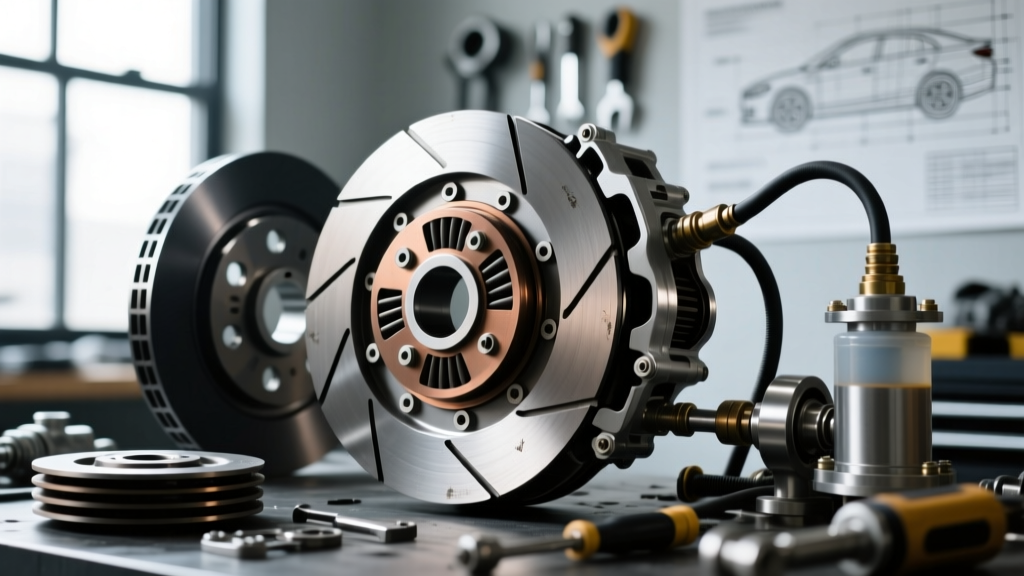
When a pungent, acrid odor infiltrates the cabin during heavy stop-and-go traffic or aggressive track driving, panicked drivers and DIY mechanics often ask a critical question: is brake and clutch fluid the same, and could it be the source of this burning smell? The short answer, for the vast majority of modern manual transmission vehicles, is yes. In platforms ranging from the Honda Civic Si (K-Series) to the Ford Mustang (Tremec T-56 Magnum), the clutch master cylinder draws directly from the brake master cylinder reservoir or uses the exact same DOT-rated glycol-ether fluid.
However, assuming the burning smell is simply a "slipping clutch friction disc" can lead to catastrophic misdiagnosis. As of 2026, with the widespread adoption of Concentric Slave Cylinders (CSC) and advanced hydraulic throwout bearings, fluid-related failures are just as common as mechanical friction wear. Understanding the chemical and thermal properties of your hydraulic fluid is the first step in accurate clutch system diagnostics.
Differentiating Friction Burn vs. Boiling Hydraulic Fluid
To properly diagnose the odor, you must understand the distinct olfactory signatures of a burning clutch disc versus overheated or leaking hydraulic fluid. According to Brembo's technical fluid guidelines, glycol-based fluids have specific thermal breakdown points that produce unique warning signs.
1. The Friction Disc Burn (Phenolic Resin & Kevlar)
- Smell Profile: Resembles burnt hair, ozone, or scorching fiberglass. It is incredibly sharp and lingers in the upholstery.
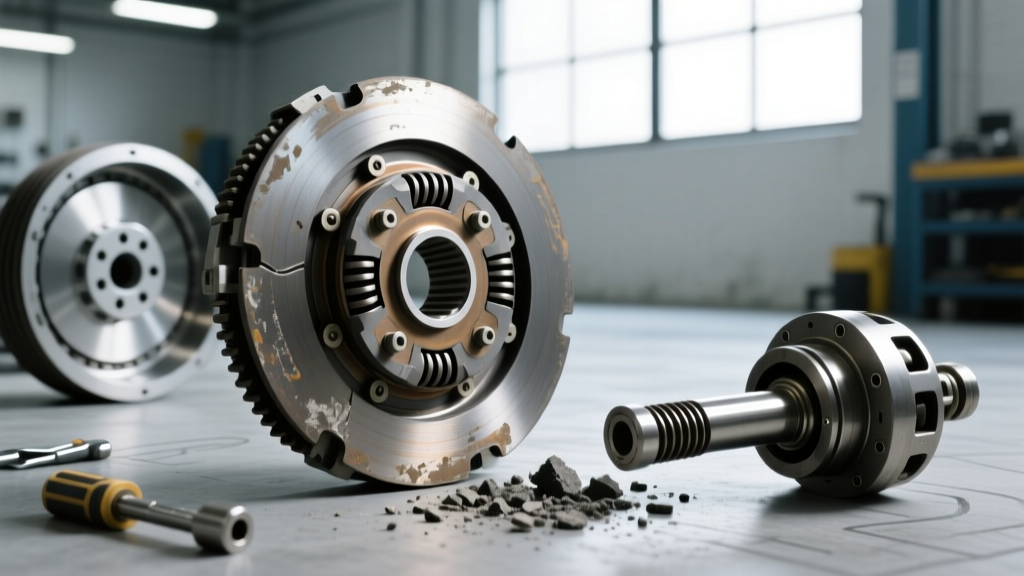
- Root Cause: The clutch disc friction material (often a blend of phenolic resin, ceramic, and Kevlar) is overheating due to excessive slip. This happens when the pressure plate fails to clamp the disc against the flywheel, often due to a worn diaphragm spring or oil contamination.
- Accompanying Symptoms: Engine RPMs flare without a corresponding increase in vehicle speed; the engagement point creeps unusually high on the pedal travel.
2. The Hydraulic Fluid Burn (Glycol-Ether Breakdown)
- Smell Profile: A sweet, highly acrid, chemical odor similar to melting plastic or burning electrical wire. If it hits a hot exhaust manifold, it produces a distinct white, sweet-smelling smoke.
- Root Cause: Brake/clutch fluid is hygroscopic, meaning it absorbs moisture from the atmosphere over time. This absorbed water drastically lowers the fluid's boiling point. Under heavy pedal use, localized heat from the engine bay or transmission bellhousing can cause the fluid to boil, vaporize, and vent out of the master cylinder cap or leak onto hot exhaust components.
- Accompanying Symptoms: A "spongy" or sinking clutch pedal, difficulty engaging gears (especially reverse or 1st), and visible fluid weeping near the firewall or bellhousing.
Fluid Specifications and Thermal Thresholds
Because the brake and clutch systems share fluid, using the wrong specification can lead to premature seal degradation in the clutch master cylinder, resulting in leaks that drip onto hot exhaust headers—a severe fire hazard. Below is a comparison of standard fluid types governed by NHTSA FMVSS 116 standards.
| Fluid Type | Base Chemistry | Dry Boiling Point | Wet Boiling Point | Clutch System Compatibility |
|---|---|---|---|---|
| DOT 3 | Glycol-Ether | 205°C (401°F) | 140°C (284°F) | OEM standard for most economy commuters. Prone to vapor lock under track use. |
| DOT 4 | Glycol-Ether / Borate | 230°C (446°F) | 155°C (311°F) | Recommended upgrade for performance manuals. Better resists clutch heat soak. |
| DOT 5.1 | Glycol-Ether | 260°C (500°F) | 180°C (356°F) | Excellent for heavy-duty towing with manual transmissions. Compatible with DOT 3/4 seals. |
| DOT 5 | Silicone | 260°C (500°F) | 180°C (356°F) | NEVER MIX. Silicone will destroy glycol-based EPDM seals in clutch master cylinders, causing massive leaks and burning smells. |
Diagnostic Checklist: Pinpointing the Odor Source
If you suspect the burning smell is related to your hydraulic system rather than the friction disc, follow this systematic diagnostic protocol:
- Inspect the Shared Reservoir: Pop the hood and check the brake master cylinder reservoir. If the fluid level is low, but your brake pads are not worn, the fluid is migrating to the clutch system. Look for dark, cloudy fluid—an indicator of severe moisture contamination and impending vapor lock.
- Check the Firewall Master Cylinder: Inspect the clutch master cylinder where the pushrod enters the firewall. A failing rear seal will weep glycol fluid directly onto the interior carpet or the hot exhaust manifold below, creating a toxic burning smell inside or outside the cabin.
- Examine the Slave Cylinder:
- External Slave (e.g., Nissan 350Z, older Jeep Wranglers): Look for wetness around the rubber boot and the 8mm or 10mm bleeder screw. Leaks here drip directly onto the bellhousing and exhaust crossover pipes.
- Concentric Slave Cylinder / CSC (e.g., GM LS platforms, VW/Audi DSG conversions): Requires removing the inspection cover or dropping the transmission. A burning smell coupled with a sudden loss of pedal pressure almost always indicates a blown CSC seal inside the bellhousing.
- The "Pump and Hold" Test: With the engine off, pump the clutch pedal 10 times to build pressure, then hold it firmly to the floor for 60 seconds. If the pedal slowly sinks toward the floor while you smell a chemical odor near your feet, the internal bypass seals of the master cylinder have failed and are generating friction heat internally.
Expert Transmission Insight: Never ignore a sweet, chemical burning smell from the footwell. Glycol-based brake and clutch fluid is highly corrosive to automotive paint and wiring harnesses. A slow leak from the clutch master cylinder pushrod seal can destroy your under-dash ECU wiring and fuse boxes within a matter of weeks.
Step-by-Step Hydraulic Flush & Bleed Procedure
If your diagnosis confirms contaminated, boiling fluid is the culprit behind the smell and spongy pedal, a complete hydraulic flush is mandatory. Do not simply top off the reservoir.
Tools & Specifications Required
- Fluid: 1 Liter of high-quality DOT 4 or DOT 5.1 (e.g., Motul RBF 600 or Castrol SRF). Cost: $18 - $35.
- Wrenches: 8mm or 10mm flare-nut wrench for the slave bleeder valve; 12mm/14mm for master cylinder line fittings.
- Torque Specs: Bleeder valve torque is critical. Over-torquing cracks the slave cylinder casting. Spec: 6 to 9 Nm (53 to 80 lb-in). Master cylinder mounting nuts: 12 to 15 Nm (8 to 11 lb-ft).
- Equipment: Pressure bleeder or a one-man vacuum bleeder kit.
The Flush Process
- Extract all old, dark fluid from the reservoir using a turkey baster or fluid evacuator. Wipe the reservoir clean with a lint-free shop towel (lint will clog the 2mm compensation port in the master cylinder).
- Fill with fresh DOT 4/5.1 fluid to the MAX line.
- Attach a clear vinyl hose to the slave cylinder bleeder valve, routing it into a catch bottle partially filled with fresh fluid (to prevent air ingestion).
- Open the bleeder valve exactly 3/4 of a turn. Have an assistant depress the clutch pedal slowly, hold it, close the valve, and release the pedal. (Alternatively, use a pressure bleeder set to 15 PSI).
- Repeat until the fluid runs crystal clear and is completely free of micro-bubbles. This typically requires 250ml to 400ml of fluid through the clutch line.
- Torque the bleeder valve to 8 Nm, install the rubber dust cap, and verify pedal firmness.
Cost Breakdown: DIY vs. Professional Repair (2026 Estimates)
Addressing a hydraulic burning smell is significantly cheaper than replacing a burnt friction disc, provided you catch the leak before it ruins the clutch friction material. If glycol fluid soaks into a ceramic or organic clutch disc, the disc is ruined and must be replaced.
| Repair Scenario | Parts Cost | Labor Cost | Total Estimated Cost |
|---|---|---|---|
| Hydraulic Fluid Flush (DIY) | $20 (Fluid) | $0 | $20 |
| Clutch Master Cylinder Replacement | $60 - $140 (OEM) | $120 - $180 (1-1.5 hrs) | $180 - $320 |
| External Slave Cylinder Replacement | $45 - $110 | $90 - $150 (1 hr) | $135 - $260 |
| Concentric Slave (CSC) & Clutch Kit | $350 - $700 (Exedy/Sachs) | $600 - $1,200 (4-8 hrs) | $950 - $1,900 |
Final Verdict: Don't Ignore the Smell
So, is brake and clutch fluid the same? Mechanically and chemically, yes—they share the same reservoir and the same hygroscopic vulnerabilities. But diagnostically, a burning smell originating from this shared fluid requires immediate attention to prevent vapor lock, total loss of clutch disengagement, or even an engine bay fire. By differentiating the sharp, chemical scent of boiling glycol from the sulfurous stench of a slipping friction disc, you can save yourself thousands of dollars in unnecessary transmission removals and target the exact hydraulic fault.