While the modern performance landscape is dominated by all-wheel-drive grip and rear-wheel-drive drift dynamics, the civic type r drivetrain remains a masterclass in front-wheel-drive engineering. By utilizing a sophisticated transaxle, equal-length half-shafts, and a helical limited-slip differential, Honda has created a FWD system that rivals the lap times of AWD and RWD competitors—while drastically reducing long-term drivetrain maintenance burdens.
The Architecture of the Civic Type R Drivetrain (FWD Baseline)
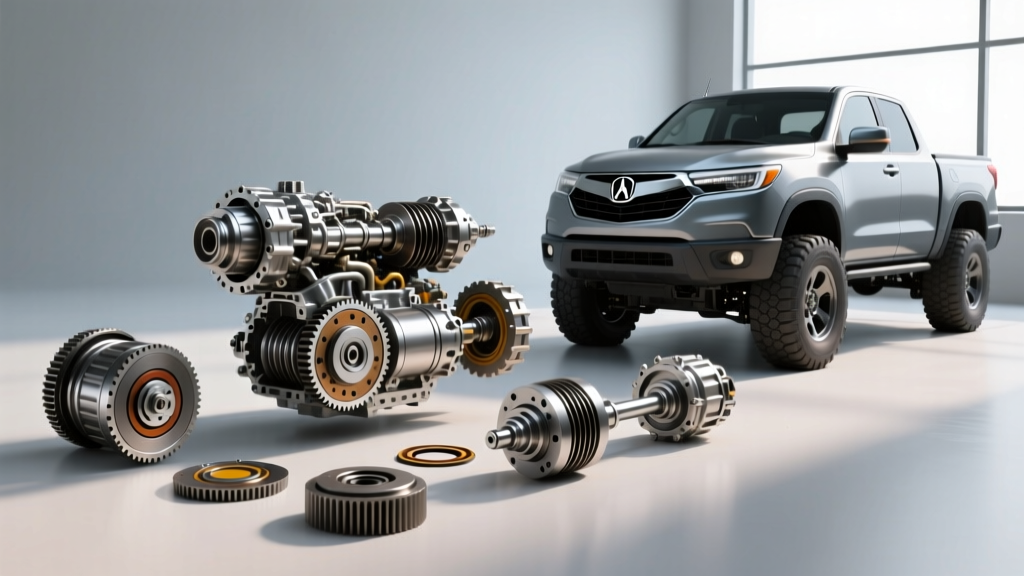
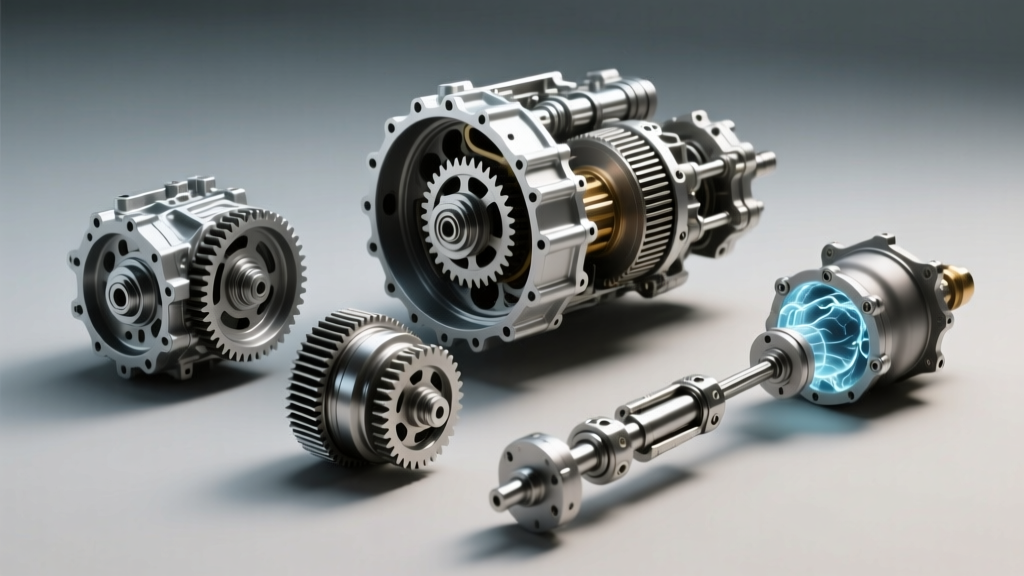
To understand the repair and maintenance profile of the FK8 and FL5 generations, we must first dissect the FWD layout. Unlike RWD or AWD platforms that separate the transmission from the final drive, the Type R utilizes a transverse-mounted transaxle. This single housing contains the 6-speed manual gearbox, the final drive ring and pinion, and the helical limited-slip differential (LSD).
Power is routed to the front wheels via two equal-length CV (Constant Velocity) half-shafts. Honda engineers specifically designed these shafts to be of equal length to mitigate torque steer, a common plague of high-horsepower FWD vehicles. Furthermore, the FL5 generation benefits from a revised dual-axis front strut suspension, which decouples the steering axis from the damping axis. This allows the CV joints to operate at reduced articulation angles under heavy cornering loads, significantly extending joint and boot lifespan compared to standard MacPherson setups.
FWD vs RWD vs AWD: A Mechanic's Maintenance & Repair Comparison
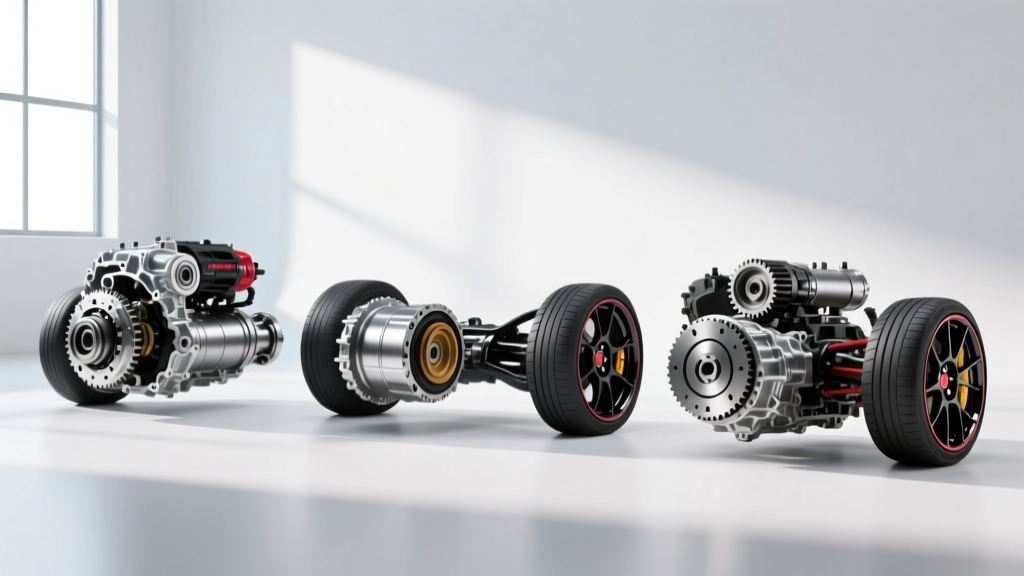
When owners debate FWD vs RWD vs AWD, the conversation usually centers on 0-60 mph times or track handling. However, from a repair and maintenance perspective, the differences are stark. Below is a comparative breakdown of the drivetrain service burdens for the Type R (FWD) against its primary market rivals: the BMW M2 (RWD) and the VW Golf R (AWD).
| Drivetrain Layout | Core Components | Common Failure Points | Avg. Major Repair Cost (2026) | Routine Fluid Service |
|---|---|---|---|---|
| FWD (Civic Type R) | Transaxle, 2x CV Axles, Intermediate Shaft (if equipped) | Outer CV joint wear, axle boot tearing, differential seal leaks | $600 - $950 (CV Axle Pair) | Transaxle Drain/Fill (MTF) |
| RWD (BMW M2) | Longitudinal Trans, Driveshaft, Rear Diff, 2x Rear Axles, Guibo | Guibo (flex disc) degradation, rear diff pinion seal, U-joints | $1,800 - $2,500 (Driveshaft/Guibo) | Trans + Rear Diff Gear Oil |
| AWD (VW Golf R) | Transaxle, PTU, Driveshaft, Rear Diff (Haldex), 4x Axles | Haldex pump failure, PTU fluid degradation, center bearing | $2,200 - $3,500 (PTU/Haldex Service) | Trans + PTU + Haldex + Rear Diff |
As the data illustrates, the civic type r drivetrain eliminates the need for a power transfer unit (PTU), a longitudinal driveshaft, center support bearings, and a rear differential. This translates to thousands of dollars in avoided maintenance over a 100,000-mile lifecycle.
Model-Specific Repair: Type R Front CV Axle Replacement
Despite its robust design, the immense 310 lb-ft of torque generated by the K20C1 engine will eventually wear the CV joints, especially if the vehicle sees regular track use or aggressive launch control starts. Here is the model-specific repair protocol for replacing a front CV axle on the FL5/FK8 Civic Type R.
Step-by-Step Extraction Protocol
- Preparation & Fluid Drain: Before breaking the axle free, drain the transaxle fluid. The drain plug requires a 3/8-inch square drive. Removing the fluid prevents a mess when the inner CV joint tripod is pulled from the differential housing.
- Spindle Nut Removal: With the vehicle on the ground, use a 33mm socket and a heavy-duty breaker bar to loosen the front spindle nut. Warning: This nut is torqued to 180 lb-ft and is staked. You must use a new, non-reusable OEM spindle nut (Part No. 90305-TBA-A00) upon reassembly.
- Knuckle Decoupling: Jack up the vehicle and remove the front wheel. Unbolt the lower ball joint (18mm nut). Do not use a pickle fork, as this will destroy the Type R's specialized ball joint boot. Use a proper ball joint separator tool.
- Axle Extraction: Pull the steering knuckle outward. Use a blunt pry bar carefully wedged between the inner CV joint housing and the transaxle casing to pop the axle's retaining C-clip. Crucial: Avoid prying against the aluminum differential seal lip to prevent costly fluid leaks.
Torque Specs & Reassembly Data
Proper torque application is critical to preventing hub bearing failure and drivetrain vibrations. Reference this quick-spec guide during reassembly:
- 33mm Front Spindle Nut: 180 lb-ft (244 Nm) - Stake the nut collar into the spindle groove immediately after torquing.
- Lower Ball Joint Nut: 40 lb-ft (54 Nm) + 45 degrees.
- Brake Caliper Bracket Bolts: 101 lb-ft (137 Nm).
- Wheel Lug Nuts: 80 lb-ft (108 Nm) in a star pattern.
Transaxle Fluid Service: Honda MTF vs. RWD/AWD Gear Oils
A major advantage of the FWD transaxle layout is the simplified fluid service. In an RWD or AWD setup, the transmission and the differential require separate fluids (e.g., ATF or manual synchro fluid in the trans, and 75W-90 GL-5 gear oil in the rear diff). The Civic Type R's transaxle lubricates the manual gearsets, the synchronizers, and the helical LSD clutches with a single fluid: Honda Manual Transmission Fluid (MTF).
Drain and Fill Procedure
Honda's helical LSD is highly sensitive to fluid friction modifiers. Using aftermarket 75W-90 gear oils will cause the LSD to chatter aggressively during low-speed cornering and can lead to premature wear of the helical gears.
- Capacity: 1.9 Liters (approx. 2.0 US Quarts).
- Drain Plug Torque: 33 lb-ft (44 Nm). Always replace the 18mm crush washer.
- Fill Plug Torque: 33 lb-ft (44 Nm). The fill plug is located on the front face of the transaxle casing, above the right-side axle output.
- Service Interval: While Honda's official maintenance minder dictates changes based on driving conditions, track-driven Type Rs should flush the MTF every 15,000 miles due to the extreme thermal loads placed on the fluid by the LSD.
The Dual-Axis Strut Factor in Drivetrain Wear
When repairing or inspecting the civic type r drivetrain, technicians must account for the dual-axis front suspension. Because the steering knuckle pivots independently of the strut damper, the CV axle experiences a unique articulation geometry. If the lower control arm compliance bushings begin to degrade (a common issue past 60,000 miles of hard driving), the dynamic camber and caster shifts will force the inner tripod joints to operate at excessive angles. This accelerates the wear of the internal needle bearings inside the inner CV joint housing.
Therefore, a complete drivetrain inspection on a high-mileage Type R must include a pry-bar check of the front compliance bushings. Replacing the control arms (approx. $450 per side for OEM) is often necessary to save the CV axles from premature failure.
Summary: The FWD Repair Advantage
The debate between FWD, RWD, and AWD will forever rage among enthusiasts. However, when the car is lifted on the rack, the civic type r drivetrain proves its pragmatic brilliance. By eliminating the parasitic weight and mechanical complexity of driveshafts, transfer cases, and rear differentials, Honda has not only optimized the car's power-to-weight ratio but has also gifted owners with a remarkably accessible, cost-effective repair profile. Whether you are performing a routine MTF drain-and-fill or swapping a worn CV axle, the Type R's FWD transaxle layout remains a triumph of focused, driver-centric engineering.
For further technical specifications and official owner resources, refer to the Car and Driver Civic Type R Hub or consult your local Honda Service Express portal.