The Short Answer: Do Automatic Transmission Have Clutches?
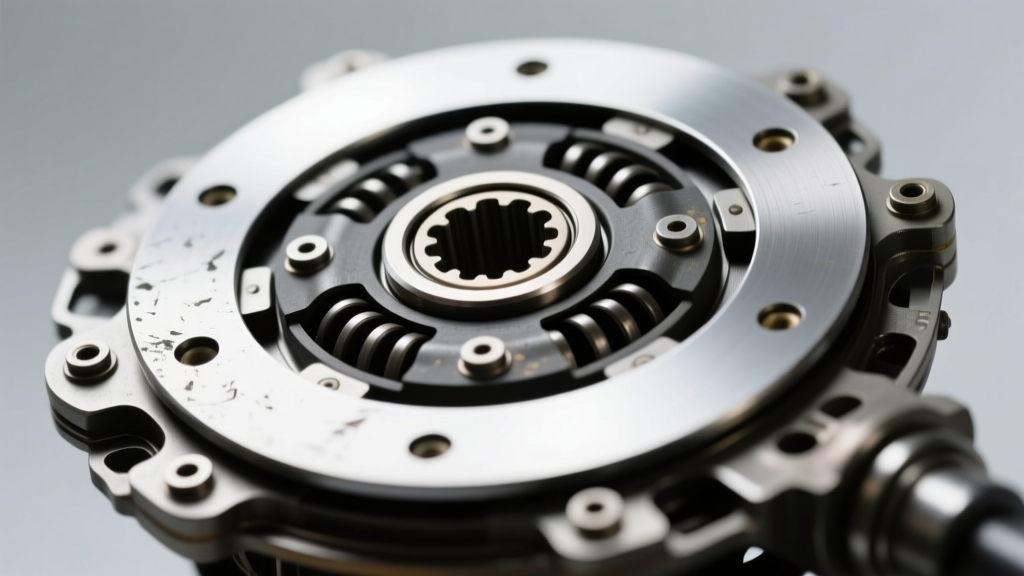
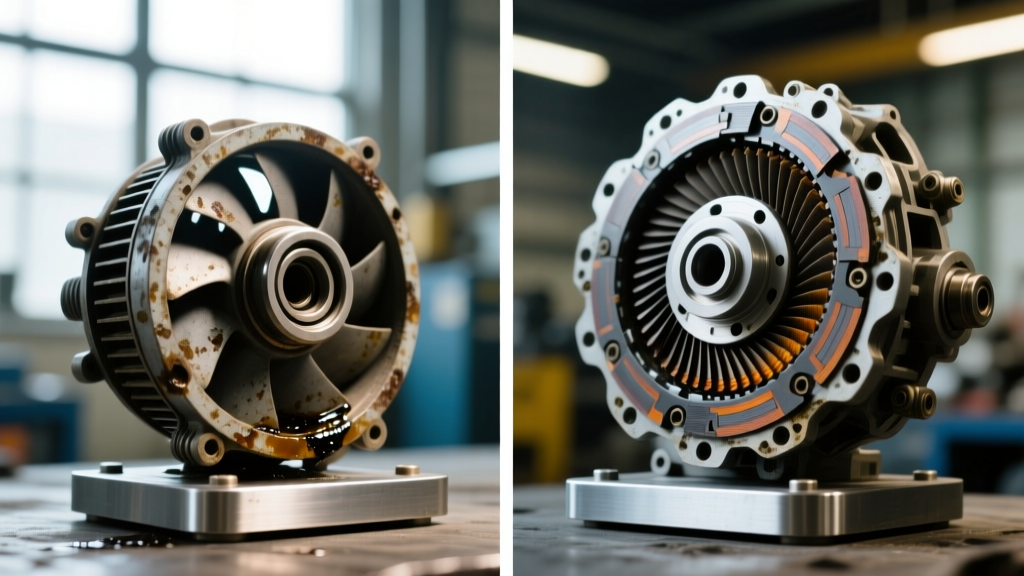
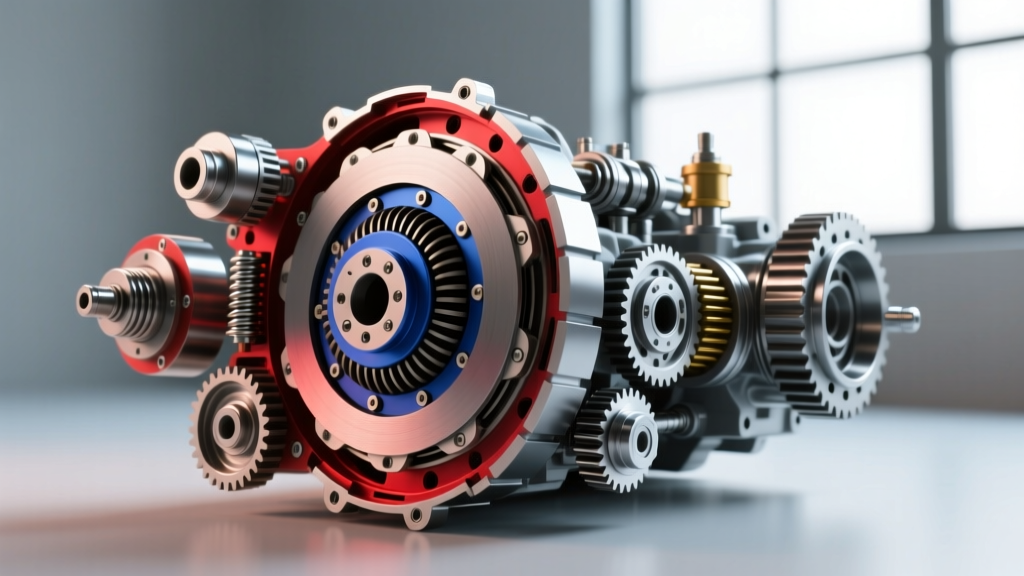
A frequent question we encounter in the shop from drivers experiencing drivetrain shudder or slip is: do automatic transmission have clutches? The answer is a resounding yes, but they do not operate like the friction disc and pressure plate assembly found in a manual vehicle. Modern automatic transmissions—such as the ZF 8HP, the Honda 10-speed automatic, and Ford's 10R80—rely on internal, hydraulically actuated multi-plate wet clutches. These clutch packs are engaged and disengaged by transmission fluid pressure controlled by the valve body and solenoids, rather than a physical pedal linked to a master cylinder.
Because automatic transmissions handle clutch actuation internally, you will never experience a physical clutch pedal problem in a factory automatic. However, if you are driving the manual sibling of these popular platforms (like the Honda Civic Si, Ford Mustang EcoBoost, or Subaru WRX), or if you have performed an automatic-to-manual conversion, the hydraulic clutch system becomes your primary point of failure. Below is our 2026 model-specific diagnostic guide for identifying and repairing manual clutch pedal problems, including soft, hard, spongy, and vibrating symptoms.
Diagnosing Spongy and Soft Clutch Pedals: Honda Civic (10th & 11th Gen)
The 10th and 11th generation Honda Civic manuals (equipped with the L15B7 or K20C1 engines) are notorious for developing a spongy or soft clutch pedal over time. This is rarely a failure of the actual clutch disc; rather, it is a hydraulic issue rooted in the Clutch Master Cylinder (CMC) and the factory delay valve.
The Delay Valve and Air Entrapment
Honda engineers installed a clutch delay valve in the hydraulic line between the CMC and the slave cylinder. Its purpose is to restrict fluid flow during rapid pedal release, softening the engagement to reduce driveline shock and NVH (Noise, Vibration, and Harshness). Unfortunately, this valve creates a restriction that makes it incredibly difficult to bleed air out of the system. As the OEM CMC (Part # 46920-TBA-A05) wears, microscopic amounts of air bypass the internal seals, pooling in the delay valve and resulting in a pedal that feels spongy and inconsistent at the friction zone.
- Diagnostic Test: Pump the clutch pedal rapidly three times, then hold it to the floor. If the pedal slowly sinks or feels 'mushy' at the top of the stroke, air is trapped in the delay valve or the CMC is bypassing internally.
- The Fix: Replace the OEM CMC with an aftermarket unit that eliminates the delay valve (such as those offered by Exedy or specialized Honda performance brands). This restores direct hydraulic feedback and makes bleeding the system significantly easier.
- Bleeding Spec: Use DOT 3 or DOT 4 fluid. Pressure bleed at 15-20 PSI to force fluid through the restrictive factory slave cylinder bleeder screw.
Diagnosing Hard or Notchy Clutch Pedals: Ford Mustang EcoBoost (S550/S650)
Owners of the manual Ford Mustang EcoBoost (utilizing the MT-82 or MT-82D4 transmission) frequently complain of a clutch pedal that feels excessively hard, notchy, or exhibits a 'dead spot' near the top of the pedal travel. Unlike the Honda's hydraulic sponginess, this is primarily a mechanical bind issue within the pedal box.
The Over-Center Assist Spring
Ford equips the Mustang's clutch pedal assembly with an over-center assist spring. This spring is designed to help pull the pedal up to the firewall and reduce the physical effort required to depress the pedal. However, as the grease inside the spring pivot cup dries out, or as the plastic pivot bushings wear, the spring binds. This creates a harsh, artificial stiffness and a noticeable 'clunk' or notch when the pedal crosses the spring's centerline.
- Diagnostic Test: With the engine off, press the clutch pedal slowly by hand. If you feel a distinct mechanical binding or a sudden change in resistance roughly halfway through the pedal stroke, the assist spring or pivot bushing is failing.
- The Fix: Remove the factory clutch assist spring entirely. While this increases the physical weight of the pedal slightly, it completely eliminates the binding, notchy feel, and premature wear on the clutch pedal position switch. Upgrade the pedal pivot bushings to a bronze or Delrin aftermarket kit.
- Secondary Cause: If the pedal remains hard after spring removal, inspect the clutch fork pivot ball inside the MT-82 bell housing. The factory stamped steel fork can wear a groove into the pivot ball, requiring a transmission drop and a new Ford Part # BR3Z-7A548-A pivot ball and fork assembly.
Diagnosing Vibrating Clutch Pedals: Subaru WRX (VA/VB Generations)
A vibrating clutch pedal—often described as 'clutch chatter'—is a severe symptom that indicates a failure in the torsional damping system or the friction material. In the Subaru WRX (FA20 and FA24 engines), this is almost exclusively tied to the Dual Mass Flywheel (DMF).
Dual Mass Flywheel Torsional Spring Failure
To protect the AWD drivetrain from the harsh torque spikes of the turbocharged boxer engine, Subaru uses a DMF. The DMF consists of two steel plates connected by heavy-duty internal torsional springs. When these springs fatigue, break, or lose their damping grease, the flywheel can no longer absorb engine harmonics. This results in a violent vibration transmitted directly through the hydraulic slave cylinder and into the clutch pedal precisely at the friction zone (usually around 1,800 - 2,200 RPM).
- Diagnostic Test: Engage the clutch in 2nd gear at a low RPM while applying slight throttle. If the pedal vibrates violently and the chassis shudders before the vehicle catches speed, the DMF internal springs have failed. You may also hear a metallic 'clack-clack' at idle that disappears when the clutch pedal is fully depressed (unloading the throwout bearing).
- The Fix: Replace the DMF. Many owners opt to convert to a Lightweight Single Mass Flywheel (SMFW) and a sprung-hub clutch disc (like an ACT Heavy Duty Sprung Hub) to eliminate future DMF failures, though this will increase cabin gear rattle.
- Crucial Warning: Never resurface a Dual Mass Flywheel. The internal clearances and balance are factory-sealed. Resurfacing a DMF will lead to catastrophic driveline failure.
Symptom Comparison: Manual Pedal vs. Automatic Internal Failures
Understanding how manual pedal symptoms correlate to automatic transmission internal failures helps diagnose the root cause of drivetrain complaints across different platforms.
| Driver Symptom | Manual Transmission Cause (Pedal/Clutch) | Automatic Transmission Equivalent (Internal) |
|---|---|---|
| Slipping / High RPMs | Worn friction disc; oil contamination from rear main seal. | Worn internal multi-plate clutch packs; low line pressure; failing valve body solenoid. |
| Shudder / Chatter | Failed DMF; hot-spotted flywheel; aggressive puck-style disc. | Failing torque converter clutch (TCC); degraded friction material in the TCC lining. |
| Delayed Engagement | Air in hydraulic line (spongy pedal); worn slave cylinder. | Low fluid level; clogged transmission filter; worn internal clutch piston seals. |
| Harsh / Jerky Shifts | Driver error; sticking clutch pedal pivot; binding assist spring. | Failed accumulator; harsh shift solenoid; degraded adaptive learning tables. |
2026 Repair Costs and Critical Torque Specifications
When addressing clutch pedal problems that require a transmission removal, adhering to exact torque specifications is vital to prevent warping the pressure plate or damaging the crankshaft flange. Below are the 2026 benchmark costs and specs for the platforms discussed.
Honda Civic (L15B7 1.5T)
- CMC Replacement (No Trans Drop): $150 - $220 (Parts & Labor)
- Full Clutch & Flywheel Job: $1,100 - $1,600
- Flywheel Bolt Torque: 76 lb-ft (103 Nm) + 90 degrees (Torque-to-Yield). Always use new OEM bolts.
- Pressure Plate Torque: 19 lb-ft (26 Nm) in a crisscross pattern.
Ford Mustang EcoBoost (MT-82)
- Assist Spring Removal / Bushing Kit: $80 - $150
- Full Clutch & Flywheel Job: $1,300 - $1,900
- Flywheel Bolt Torque: 74 lb-ft (100 Nm) + 90 degrees.
- Clutch Fork Pivot Ball Torque: 22 lb-ft (30 Nm). Apply high-temp grease to the pivot contact patch.
Subaru WRX (FA20 / FA24)
- DMF Replacement (OEM Part 12342AA211): $1,800 - $2,400 (DMF alone is ~$950)
- SMFW Conversion Kit: $1,200 - $1,600
- Flywheel Bolt Torque: 69 lb-ft (94 Nm) for standard EJ/FA flywheel bolts. Use Loctite 272 on the threads if converting to an aftermarket SMFW that does not use OEM torque-to-yield bolts.
Final Diagnostic Takeaways
While modern automatics utilize complex internal wet clutches to manage power delivery without driver intervention, the manual transmission remains a purely mechanical and hydraulic link between the driver and the drivetrain. A spongy pedal points to hydraulic aeration and restrictive delay valves, a hard pedal points to mechanical binding in the pedal box or fork, and a vibrating pedal is a definitive warning sign of flywheel or torsional damper failure. By diagnosing these specific pedal symptoms early, you can prevent catastrophic damage to the transmission input shaft and avoid being stranded on the side of the road.
For more in-depth transmission teardowns and hydraulic bleeding procedures, consult the engineering resources at ZF Group and always reference your vehicle's specific factory service manual for the most accurate torque-to-yield specifications.