The Short Answer: Do Manual Cars Have Transmission Fluid?
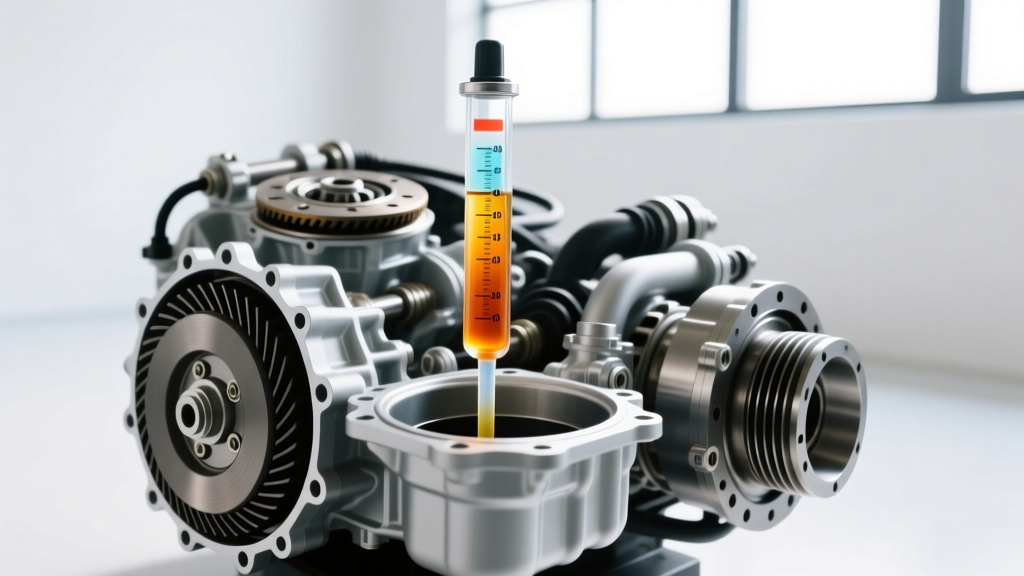
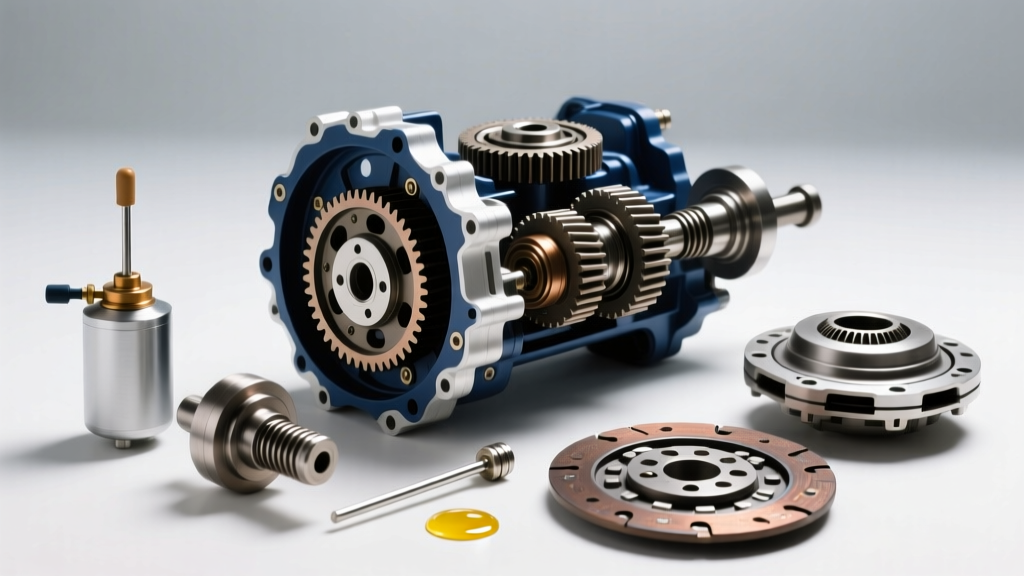
When novice gearheads and curious daily drivers ask, do manual cars have transmission fluid, the answer is an emphatic yes. However, unlike automatic transmissions that rely on a complex hydraulic network of automatic transmission fluid (ATF) monitored by a dipstick, manual transmissions use specialized gear oils or dedicated Manual Transmission Fluids (MTF). These fluids are critical for lubricating heavy-duty helical gears, protecting bearings, and ensuring the brass or carbon synchronizers engage smoothly without grinding.
Because 95% of modern manual transmissions do not feature a dipstick, checking manual transmission fluid requires getting underneath the vehicle, identifying the correct plugs, and understanding the precise chemistry required for your specific gearbox. In this 2026 expert guide, we will break down the exact procedures, fluid specifications, and mechanical best practices for inspecting and maintaining your manual transmission.
The Golden Rule: Always Remove the Fill Plug First
Before you even touch the drain plug, you must locate and loosen the fill plug. This is the most critical, hard-learned lesson in manual transmission maintenance. The fill plug is typically located on the side of the transmission casing, roughly halfway up, while the drain plug is at the very bottom.
Why is this the golden rule? If you drain the fluid and subsequently discover that the fill plug is seized, stripped, or welded in place by decades of corrosion, you are left with an empty transmission and a stranded vehicle. By verifying that the fill plug can be removed first, you guarantee that you can refill the gearbox once the old fluid is drained. If the fill plug refuses to budge, stop immediately, apply penetrating fluid like PB Blaster, and apply gentle heat before proceeding.
Chemistry Matters: GL-4 vs. GL-5 and Yellow Metals
A common and catastrophic mistake made by DIYers is assuming all gear oil is created equal. Understanding the API (American Petroleum Institute) service classifications is mandatory when checking and topping off manual transmission fluid.
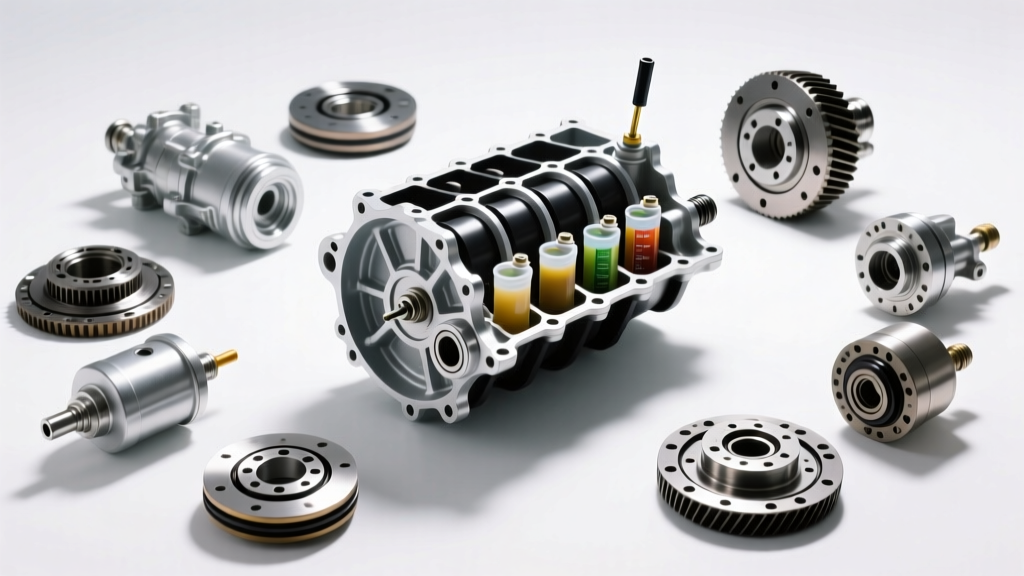
- API GL-4: Contains moderate levels of sulfur and phosphorus extreme pressure (EP) additives. This is the required specification for most synchronized manual transmissions.
- API GL-5: Contains high levels of sulfur/phosphorus EP additives designed for hypoid gears in differentials. Warning: Under high heat, the active sulfur in GL-5 can chemically react with and corrode the "yellow metals" (brass, bronze, and copper) used in manual transmission synchronizer rings, leading to premature synchro failure and gear grinding.
Always consult your factory service manual. For a deep dive into the chemical differences between these lubricants, refer to AMSOIL's manual transmission fluid lineup and technical data. Some modern synthetic MTFs are labeled as "GL-4/GL-5 compatible," utilizing advanced, non-corrosive additive packages, but verifying OEM approval is paramount.
OEM Fluid Specifications & Capacities Data Table
Manual transmissions vary wildly in their fluid requirements. While some require thick 75W-90 gear oil, others actually require automatic transmission fluid (ATF) or even standard motor oil to ensure the synchronizers can generate enough friction to match gear speeds. Below is a reference table for popular manual transmissions:
| Transmission Model | Common Applications | OEM Fluid Spec | Capacity |
|---|---|---|---|
| Tremec T56 Magnum | Chevy Camaro, Ford Mustang, Dodge Viper | Dexron III ATF or Tremec MTL | 3.0 Liters (3.17 Qts) |
| ZF S6-53 (6-Speed) | BMW E46 M3, E39 M5 | ZF Lifeguard MTF-2 (75W-80) | 1.9 Liters (2.0 Qts) |
| Honda K-Series (K20) | Civic Si, Acura RSX | Honda Genuine MTF or 10W-30 Motor Oil | 1.9 Liters (2.0 Qts) |
| Porsche G50 (5-Speed) | 964 and 993 Carrera | 75W-90 GL-4/GL-5 Gear Oil | 3.6 Liters (3.8 Qts) |
| Getrag MT82 | 2011-2023 Ford Mustang GT | Motorcraft XT-11-QDC (Dual Clutch Fluid) | 2.6 Liters (2.75 Qts) |
For exact specifications on high-performance American V8 applications, always cross-reference Tremec's official T56 Magnum specifications before purchasing fluid.
Step-by-Step: How to Check Manual Transmission Fluid
1. Preparation and Vehicle Leveling
Unlike an engine oil check, a manual transmission fluid level check requires the vehicle to be perfectly level. If your car is on a slight incline, the fluid will pool toward the rear or front of the casing, giving a false reading. Use a four-post lift, or safely support the vehicle on four jack stands on a flat concrete surface. Never attempt this on a sloped driveway.
2. The Visual and Tactile Inspection
Once the fill plug is removed, insert a clean finger or a bent zip-tie into the hole. The correct fluid level is exactly at the bottom lip of the fill hole. If fluid seeps out when you remove the plug, your level is perfect. If you cannot feel the fluid, it is low and requires a top-off.
3. Topping Off the Gearbox
Because there is no fill tube under the hood, you must pump the fluid horizontally into the side of the transmission casing. Purchase a dedicated fluid transfer pump (typically $15 to $25 at auto parts stores) that screws onto the top of the quart bottle and features a hose to reach into the fill hole. Pump the recommended MTF or gear oil until it begins to weep out of the fill hole. Wait two minutes for the air bubbles to escape and the fluid to settle, then add a little more if necessary.
Forensics: Reading the Drain Plug and Fluid Condition
When you eventually perform a full drain and fill, the condition of the old fluid and the magnetic drain plug tells a detailed story about the health of your gearbox.
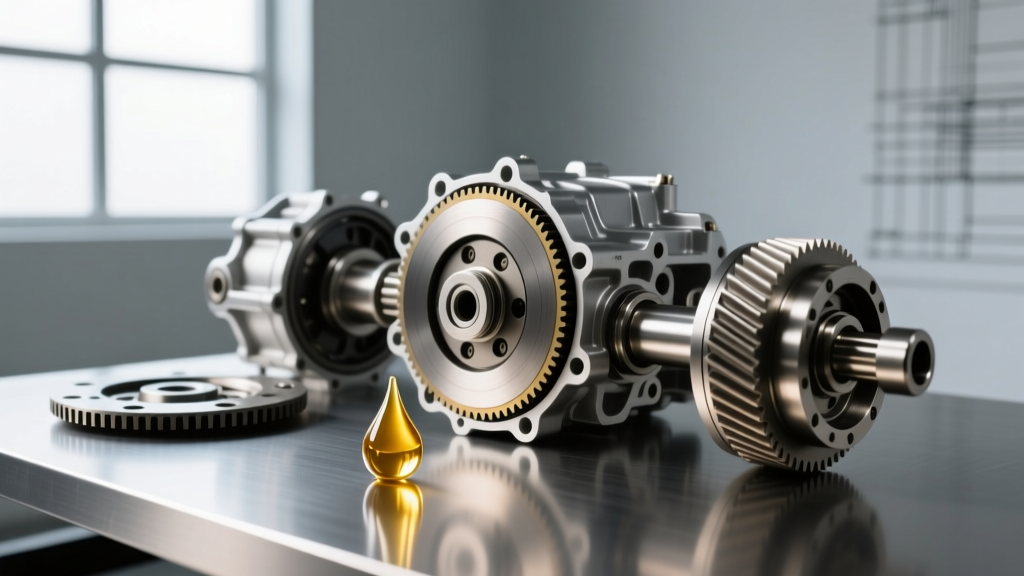
- Color and Smell: Fresh MTF is usually amber, red, or clear. If the drained fluid is milky or cloudy, water has breached the seals or condensation has built up from short trips. If it smells severely burnt (like acrid coffee), the transmission has been subjected to extreme thermal loads, breaking down the additive package.
- The Magnet: Most manual transmissions feature a magnetic drain plug. A fine, glitter-like metallic paste on the magnet is normal wear from gears and synchros. However, if you find large metal flakes, chunks of steel, or brass shavings, internal catastrophic failure is imminent, and a teardown is required.
Torque Specifications and Reassembly Best Practices
Stripping the threads on a transmission case is a costly mistake. The torque required to seal the fill and drain plugs depends entirely on the casing material.
- Aluminum Cases (e.g., Tremec, Honda, modern ZF): Aluminum is soft and strips easily. Torque the plugs to 18 to 25 lb-ft (25 to 34 Nm). Always use a new crush washer (aluminum or copper) to ensure a leak-free seal without over-tightening.
- Cast Iron Cases (e.g., Older BorgWarner, heavy-duty truck manuals): Cast iron can handle more clamping force. Torque the plugs to 30 to 40 lb-ft (40 to 54 Nm).
Never use PTFE (Teflon) tape or liquid thread sealant on the plugs unless explicitly mandated by the OEM. The crush washer is designed to do the sealing; adding thread sealant can cause hydraulic lock in the threads, leading to cracked aluminum cases when the plug is removed in the future.
Final Expert Takeaway
So, do manual cars have transmission fluid? Absolutely, and it is the lifeblood of your gear engagement. By respecting the fill-plug-first rule, understanding GL-4 chemistry, and utilizing the correct torque specs, you can ensure your manual transmission shifts crisply and survives hundreds of thousands of miles. Make checking your manual transmission fluid a part of your annual 2026 maintenance schedule to protect your drivetrain investment.