The Drivetrain Layout: RWD vs. AWD Charger Platforms
When automotive enthusiasts and daily drivers alike begin researching the 3.09 differential Dodge Charger setups, they often fall into a common terminology trap regarding all-wheel-drive (AWD) models. Unlike traditional body-on-frame trucks that utilize a standalone, chain-driven transfer case bolted behind the transmission, the Dodge Charger AWD (primarily equipped with the 3.6L Pentastar V6) uses a completely different architecture. To truly understand how power reaches the ground, we must bridge the gap between beginner-friendly concepts and advanced drivetrain engineering.
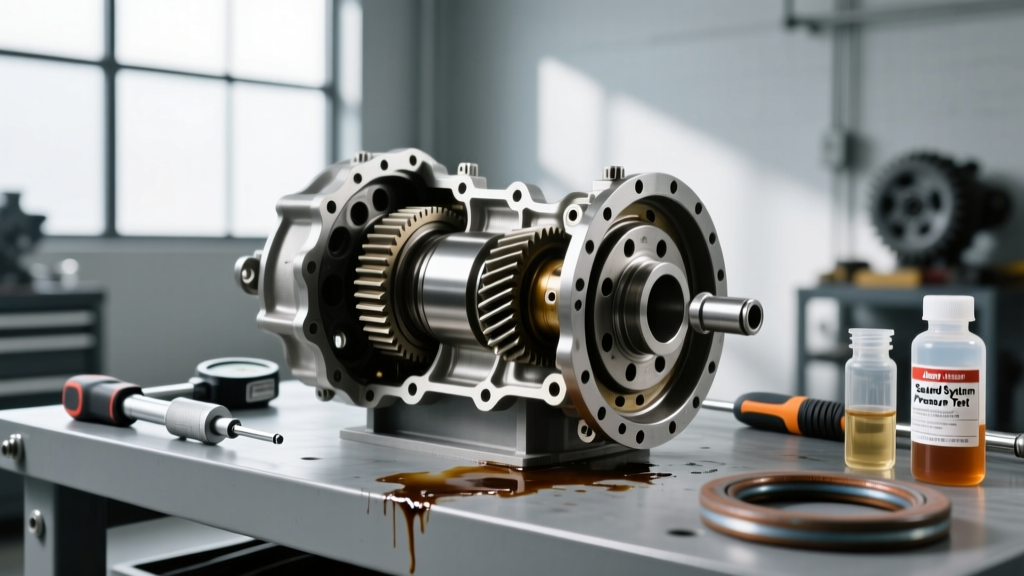
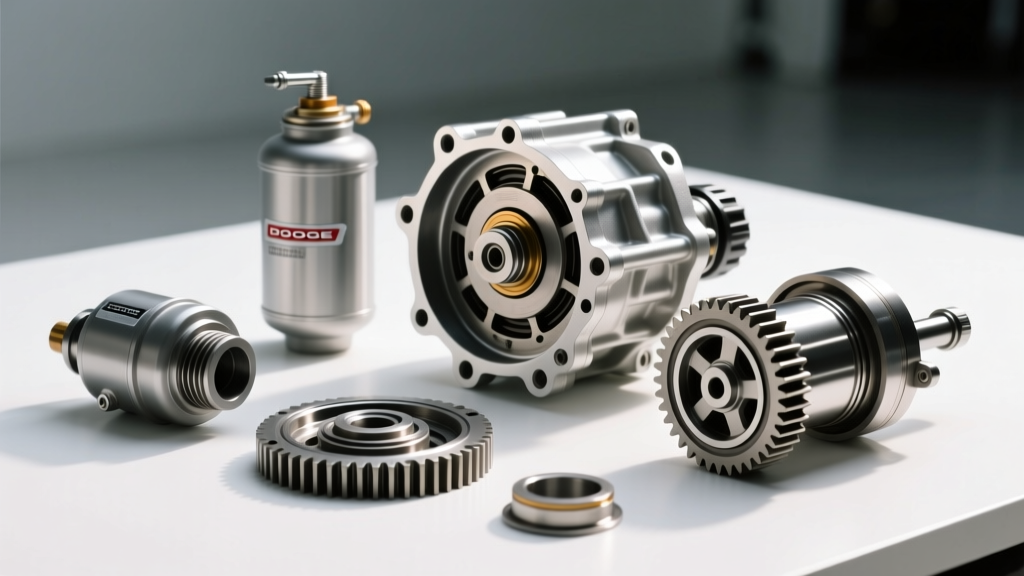
The Charger is built on the Chrysler LX platform. In rear-wheel-drive (RWD) configurations, the drivetrain is straightforward: a transmission sends power through a driveshaft directly to the rear differential. However, in AWD configurations, the vehicle utilizes a Power Transfer Unit (PTU) attached directly to the transmission bell housing area. While beginners frequently search for the "transfer case" on a Charger, mechanics and engineers refer to this component as the PTU. This unit splits torque between the front and rear axles, working in perfect harmony with the rear differential to maintain vehicle stability, especially in adverse weather conditions.
Decoding the 3.09 Rear Axle Ratio
The ring and pinion gear set inside the rear axle housing dictates your final drive ratio. A 3.09 ratio means that the driveshaft (and the pinion gear) must rotate 3.09 times to turn the rear wheels (and the ring gear) exactly one time. This specific ratio is a staple in the Dodge Charger lineup, particularly for V6 AWD models, certain police interceptor packages, and specific RWD towing configurations.
Why did Stellantis (formerly FCA) engineers select the 3.09 ratio for these applications? It represents the ultimate compromise between highway fuel economy and low-end torque multiplication. When paired with the ZF 8-speed automatic transmission (specifically the 8HP45 or 850RE variants used in the Charger), the 3.09 ratio allows the engine to sit at a remarkably low RPM during highway cruising, thanks to the transmission's incredibly short overdrive gears (8th gear). Yet, when the transmission downshifts, the 3.09 multiplier provides enough mechanical leverage to push the heavy 4,000+ lb sedan away from stoplights with authority.
| Gear Ratio | Typical Application | Highway RPM (Approx. 70mph) | Drivetrain Characteristic |
|---|---|---|---|
| 2.62 | V6 Eco / Highway Cruiser | ~1,550 RPM | Maximum fuel economy, sluggish off-the-line response. |
| 3.06 | V6 Standard RWD | ~1,800 RPM | Standard factory balance for everyday driving. |
| 3.09 | V6 AWD / Fleet / Police | ~1,825 RPM | Optimal AWD synchronization, improved towing capacity. |
| 3.55 | V8 Performance / Scat Pack | ~2,100 RPM | Aggressive acceleration, higher fuel consumption. |
How the PTU and 3.09 Differential Synchronize
In an AWD Dodge Charger, the relationship between the front axle, the PTU (transfer case), and the 3.09 rear differential is a masterclass in mechanical synchronization. The PTU is bolted directly to the ZF transmission and receives input torque before it reaches the rear driveshaft. It then routes a portion of that torque through a front driveshaft to the front differential, which is integrated into the engine cradle.
For an AWD system to function without destroying itself, the rotational speed of the front and rear axles must match perfectly when driving in a straight line. This means the final drive ratio of the front differential must mathematically match the 3.09 ratio of the rear differential. If there is even a slight variance in gear ratios—or if the front and rear tires have different circumferences due to uneven wear—the drivetrain will experience "binding." This binding creates immense parasitic heat and mechanical stress, which will quickly shatter the PTU bearings or strip the ring and pinion teeth.
The Front Axle Disconnect (FAD) System
To improve fuel economy, modern AWD Chargers feature a Front Axle Disconnect (FAD) system. When the vehicle's computer detects dry, high-traction road surfaces, it disengages a collar on the right-front axle shaft. This stops the front wheels from spinning the front differential, the front driveshaft, and the PTU internals, effectively turning the car into a RWD vehicle and eliminating parasitic drag. However, if the FAD actuator fails or the vacuum/electronic solenoid degrades, the front drivetrain may remain partially engaged, leading to severe drivetrain wind-up and premature wear on the 3.09 rear differential clutches (if equipped with a limited-slip unit).
Critical Fluid Maintenance: PTU and Rear Differential
Proper lubrication is the lifeblood of the LX platform's drivetrain. Neglecting the gear oil in either the PTU or the 3.09 rear differential is the number one cause of catastrophic failure on high-mileage Chargers. According to the Mopar official parts catalog and service guidelines, using the correct API GL-5 specification is non-negotiable.
Rear Differential (3.09 Ratio) Service
The Charger typically utilizes a 210mm or 226mm rear axle housing. The 3.09 gear set operates under immense shear pressure, requiring a high-quality synthetic gear oil.
- Fluid Specification: Mopar 75W-85 Synthetic API GL-5 (Part # 68218655AB). If equipped with a Trailer Tow Group or a performance Limited Slip Differential (LSD), 75W-140 may be required alongside a friction modifier additive.
- Capacity: Approximately 1.2 Liters (1.27 Quarts).
- Torque Spec: The rear differential fill plug should be torqued to 25 ft-lbs (34 Nm). Always remove the fill plug before draining the fluid to ensure you can refill it.
- Service Interval: Every 60,000 miles for normal use; every 30,000 miles for severe duty (towing, police use, or frequent drag strip launches).
The PTU (Transfer Case) Service Challenge
The PTU operates in a highly hostile thermal environment, situated right next to the engine block and exhaust manifolds. Early generation Charger AWD PTUs were notorious for overheating, which cooks the 75W-85 fluid into a thick, acidic sludge that destroys the internal angular contact bearings.
- Fluid Specification: Mopar 75W-85 Synthetic API GL-5.
- Capacity: Approximately 0.47 Liters (0.5 Quarts).
- The Drain Plug Dilemma: Early PTU castings did not include a physical drain plug. Mechanics had to use a fluid extractor pump inserted through the fill hole to suck out the old oil. Later service updates and replacement PTU housings introduced a dedicated drain plug (torqued to roughly 18 ft-lbs). Always verify your specific casting before starting the job.
- Service Interval: Every 30,000 miles. Due to the small volume and high heat, frequent changes are the only way to prevent a $1,500+ PTU replacement.
Diagnosing Drivetrain Noise and Failure Modes
Understanding the relationship between the PTU and the 3.09 differential allows you to accurately diagnose noises before they lead to a stranded vehicle. As noted by the drivetrain specialists at Ring-Pinion.com technical resources, gear noise follows specific acoustic patterns based on load and harmonic frequencies.
1. The PTU Whine vs. The Rear Diff Howl
If you hear a high-pitched whine that originates from beneath the front passenger footwell and changes pitch exactly with engine RPM (regardless of whether the car is in gear or neutral), the PTU input bearings are likely failing. Conversely, a low-frequency "howl" or "growl" that emanates from the rear trunk area, which only occurs under acceleration (load) and disappears when you lift off the throttle, points directly to worn pinion bearings or improper gear backlash inside the 3.09 rear differential.
2. Drivetrain Binding on Turns
If your AWD Charger feels like the brakes are dragging, or if you feel a "hopping" sensation in the rear end during tight, low-speed turns (like pulling into a parking space), your rear limited-slip differential clutches are likely degraded, or the Front Axle Disconnect (FAD) is stuck in the engaged position. When the FAD fails to disengage, the front and rear axles fight each other during a turn, as the outside wheels must travel a longer distance than the inside wheels. This requires immediate diagnostic scanning via an OBD-II tool capable of reading Chrysler chassis codes.
Final Thoughts on the Charger AWD Ecosystem
The 3.09 differential Dodge Charger configuration is a robust, well-engineered setup when properly maintained. By recognizing that the AWD system relies on a front-mounted PTU rather than a traditional truck transfer case, owners can better target their maintenance routines. Keeping fresh 75W-85 synthetic fluid in both the PTU and the rear 210mm axle, ensuring matching tire circumferences across all four corners, and verifying the operation of the Front Axle Disconnect will guarantee that your Charger's drivetrain survives well past the 150,000-mile mark without missing a beat.