The Torque Threshold: Why OEM Clutches Fail in Class 8 Applications
Modern heavy-duty commercial vehicles are pushing the boundaries of diesel torque. With engines like the Cummins X15 and Detroit DD15 routinely generating between 1,850 and 2,050 lb-ft of peak torque, the traditional organic friction facings found in OEM clutch assemblies are reaching their thermal and mechanical limits. When a Class 8 truck is tasked with heavy-haul, logging, or steep-grade operations, the stock 15.5-inch twin-plate organic clutch simply cannot dissipate the kinetic energy generated during engagement. The result is rapid facing glazing, torsional damper failure, and catastrophic slip under load.
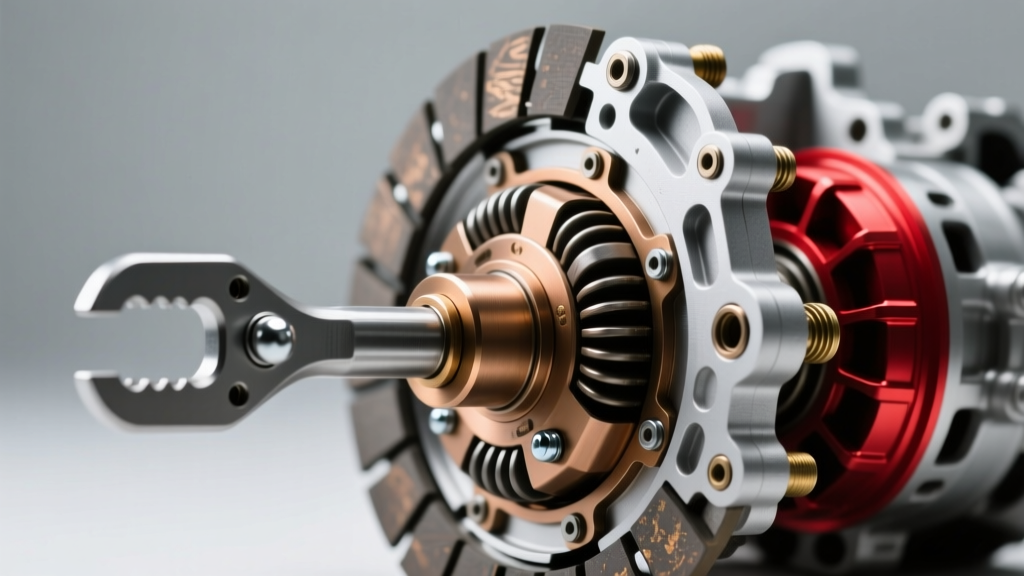
For fleet managers and owner-operators dealing with premature clutch burnout, upgrading the friction material is no longer optional—it is a mechanical necessity. This is where severe-duty friction compounds enter the conversation. Spec'ing a carnela clutch setup, which utilizes advanced cerametallic and sintered iron friction materials, provides the necessary coefficient of friction to handle extreme torque loads without fading at elevated operating temperatures.
Triage: Diagnosing Heavy-Duty Clutch Symptoms
Before tearing down the transmission and dropping the axle, a systematic diagnostic approach is required to isolate the root cause of clutch degradation in non-synchronized and automated manual transmissions (AMTs) like the Eaton Fuller Roadranger and UltraShift series.
1. High-Gear Slip Under Load
Symptom: The engine RPM surges without a corresponding increase in vehicle speed, typically occurring in 8th, 9th, or 10th gear while pulling a grade or accelerating from a toll booth.
Diagnosis: Organic facings begin to slip when the friction surface exceeds 450°F. In heavy-duty applications, repeated slipping glazes the friction material, creating a glass-like surface that further reduces the friction coefficient. If the clutch linkage and pneumatic actuators are verified to be providing full clamping force, the friction discs are compromised and require immediate replacement with a high-thermal-capacity alternative.
2. Engagement Chatter and Driveline Shock
Symptom: Violent shuddering through the chassis and steering column during initial takeoff, particularly when the vehicle is fully loaded.
Diagnosis: Chatter is rarely just a clutch disc issue; it is a systemic driveline harmonic problem. First, measure the flywheel runout using a dial indicator. For heavy-duty SAE #1 bellhousings, maximum allowable runout is 0.005 inches TIR (Total Indicator Reading). If runout exceeds this, the clutch cannot engage evenly, causing alternating grab-and-slip chatter. Additionally, inspect the torsional vibration dampers inside the clutch disc. The heavy diesel pulses of a 15-liter inline-six can shatter weak OEM damper springs, transferring destructive harmonics directly into the transmission input shaft.
3. Clutch Brake and Shift Solenoid Drag
Symptom: Grinding gears when attempting to engage first or reverse from a standstill in a manual Eaton FRO-16210C transmission.
Diagnosis: Heavy-duty manual transmissions rely on a clutch brake to stop the input shaft from spinning so the non-synchronized first and reverse gears can mesh. If the clutch pedal does not travel far enough to the floor to activate the clutch brake (squeeze gap), the input shaft continues to spin, causing gear clash. This is often misdiagnosed as a worn synchronizer, but in heavy-duty manuals, it is a clutch brake adjustment or release bearing wear issue.
The Carnela Clutch Upgrade: Cerametallic Friction for Extreme Duty
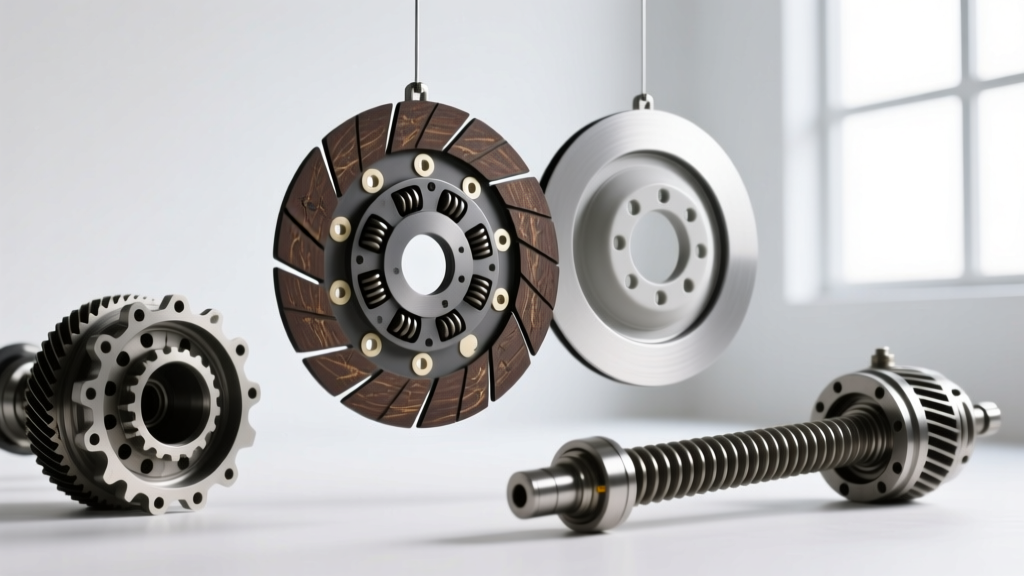
When standard organic replacements fail within 50,000 miles in severe-duty applications, upgrading to a carnela clutch assembly is the definitive solution. Unlike organic facings that rely on resin binders which burn off and cause fade at high temperatures, cerametallic and sintered iron friction materials are forged to thrive in extreme heat.
- Thermal Stability: Advanced cerametallic compounds maintain a consistent friction coefficient up to 800°F, preventing the glazing associated with organic slip.
- Torque Capacity: A 15.5-inch twin-plate cerametallic setup can reliably clamp and transfer up to 2,250 lb-ft of torque, providing a vital safety margin for uprated Cummins and Detroit powerplants.
- Wear Resistance: Sintered iron facings resist the abrasive wear caused by particulate contamination and heavy-load slipping, often doubling the service life in vocational trucks like dump trucks and concrete mixers.
Note on Drivability: Cerametallic clutches have a more aggressive engagement bite. While this is ideal for heavy hauling and off-highway vocational use, it requires precise throttle modulation during low-speed maneuvering to prevent driveline shock.
Diagnostic Matrix: Heavy-Duty Installation Specs and Clearances
Proper installation and adjustment are critical. A high-performance clutch will fail prematurely if the release geometry and clutch brake squeeze gaps are not set to exact factory tolerances. Below is the diagnostic and installation matrix for standard Class 8 powertrains.
| Component / Measurement | Target Specification | Diagnostic Tool / Method |
|---|---|---|
| Flywheel to Crankshaft Torque | 150 - 180 lb-ft | Torque wrench, star-pattern sequence (Cummins ISX/X15) |
| Clutch Housing to Engine Block | 35 - 45 lb-ft | Torque wrench, SAE #1 Bellhousing pattern |
| Flywheel Face Runout | Max 0.005' TIR | Magnetic base dial indicator on block |
| Clutch Brake Squeeze Gap | 0.50' - 0.60' | Feeler gauge between release bearing and clutch brake |
| Pedal Free Travel | 1.5' - 2.0' | Steel rule measured at the pedal pad |
| Release Bearing Collar Wear | Max 0.120' groove depth | Caliper measurement; replace if exceeded |
Financial Breakdown: Organic vs. Severe-Duty Upgrades
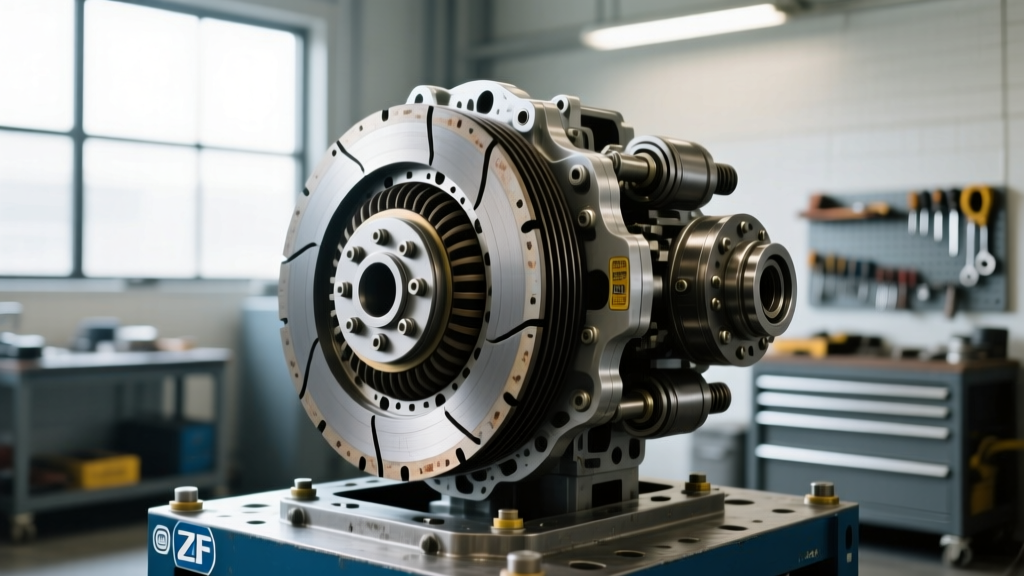
When evaluating the ROI of a clutch upgrade, the initial parts cost must be weighed against the labor intensity of a Class 8 transmission drop. Dropping a heavy-duty axle and pulling a 700-lb transmission like the ZF TraXon or Eaton Endurant requires specialized equipment and upwards of 12-16 hours of shop labor at $150-$200 per hour.
- OEM Organic Twin-Plate Assembly: $450 - $700. Expected life in severe-duty: 80,000 - 120,000 miles.
- Performance Cerametallic (Carnela-style) Assembly: $1,200 - $1,800. Expected life in severe-duty: 250,000 - 400,000+ miles.
- Labor & Downtime Cost: $2,500 - $3,500 per replacement event.
While the upfront cost of a severe-duty cerametallic upgrade is roughly double that of an organic unit, it eliminates the need for a second teardown over the lifecycle of the truck. For vocational trucks that operate in high-dust, high-heat, and high-torque environments, the upgrade pays for itself during the first avoided replacement cycle.
Final Diagnostic Recommendations
Never replace a heavy-duty clutch without addressing the adjacent wear components. Always resurface or replace the flywheel, install a new release bearing and cross-shaft bushings, and verify the pneumatic actuator stroke on AMT systems. For the latest torque management software updates and clutch actuator calibrations, always consult the OEM service portals or reference Cummins X15 Performance Series documentation to ensure the engine ECM is properly mapped to the engagement characteristics of your upgraded friction assembly.