The "Clutch Cargo Moving Lips" Phenomenon Explained
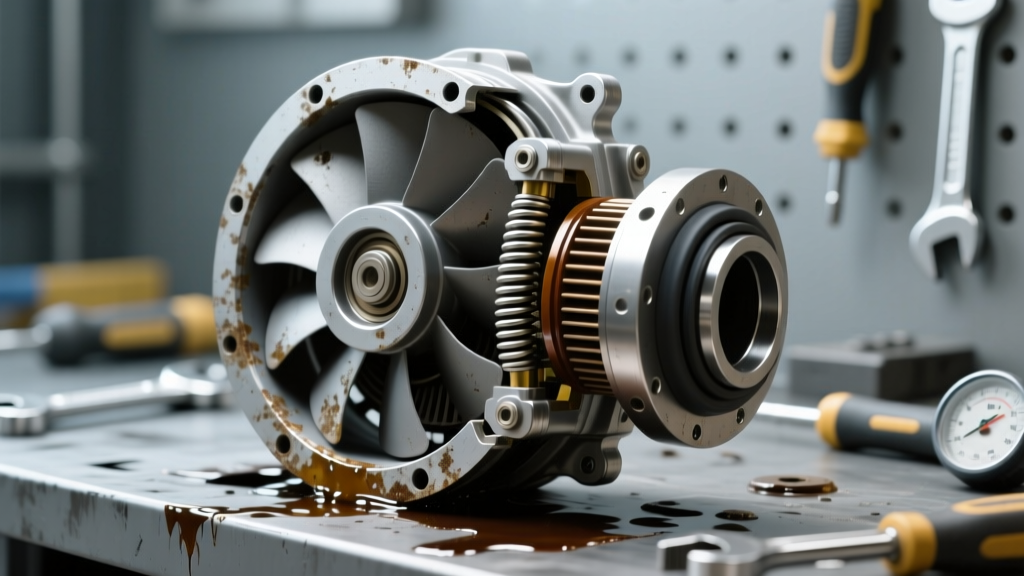
In the heavy-duty commercial and fleet transit sectors, few post-repair failures are as frustrating—and as financially devastating—as the phenomenon colloquially known among drivetrain specialists as clutch cargo moving lips. When fleet technicians and transmission rebuilder use this term, they are describing a specific, catastrophic failure mode where the outer peripheral edges (the "lips") of the friction facings on heavy-duty cargo clutches delaminate, shift, or experience marcel-spring collapse shortly after a fresh replacement.
This issue almost exclusively manifests in high-torque cargo applications—such as Class 8 freight haulers, Ford F-550/F-650 commercial cargo vans, and vocational dump trucks—within the first 1,500 to 3,000 miles following a clutch replacement. For fleet managers and owner-operators in 2026, a secondary clutch failure isn't just an inconvenience; it represents thousands of dollars in duplicated labor, expedited shipping for warranty parts, and severe vehicle downtime. This comprehensive cost analysis breaks down the mechanical root causes of post-repair friction lip delamination, the true financial impact of the second repair, and the precise SAE tolerances required to prevent it.
Anatomy of the Post-Repair Failure: Why Do the Lips Move?
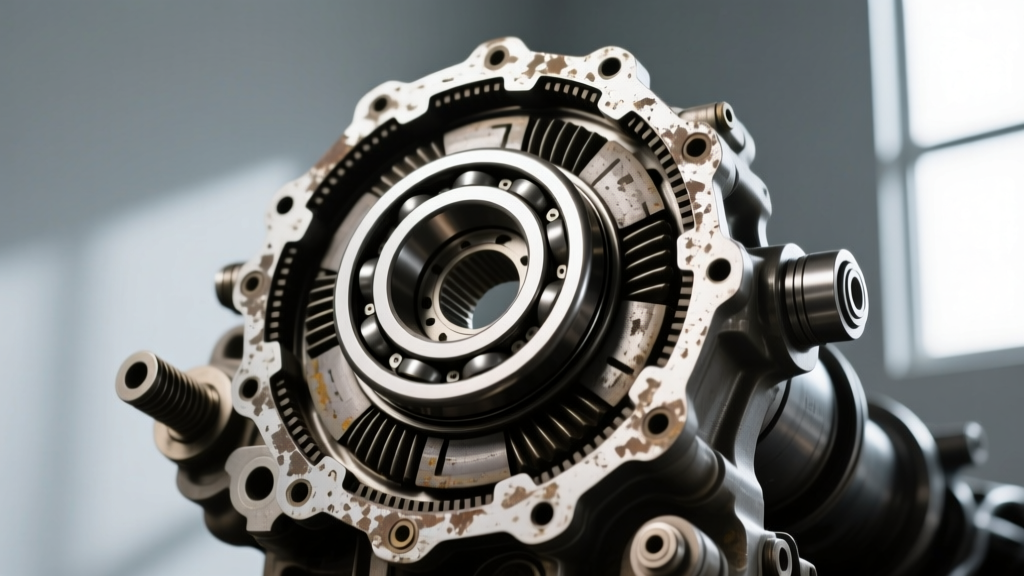
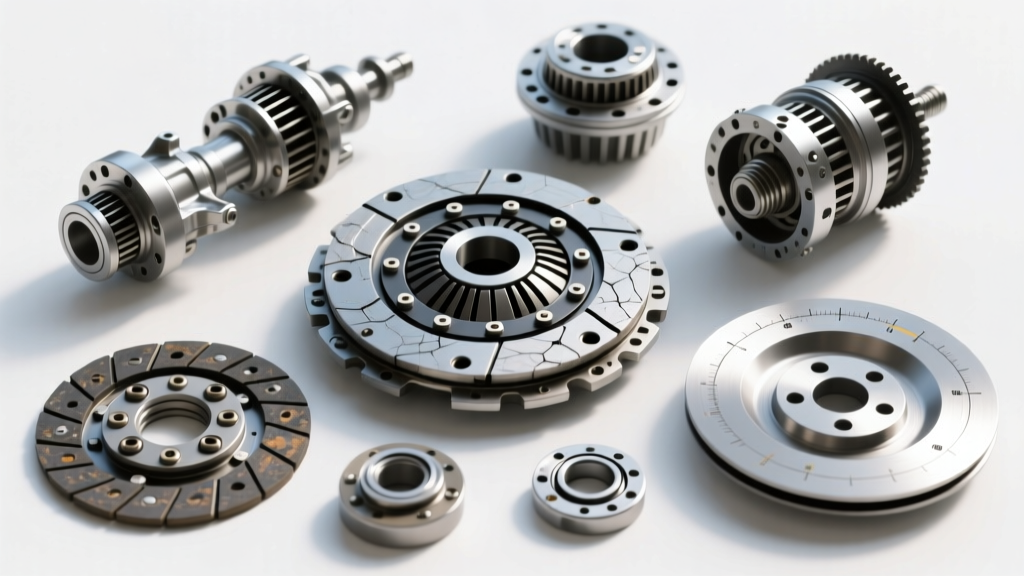
When a newly installed clutch disc experiences "moving lips," the friction material physically separates from the cushion plate (marcel segment) or shifts laterally, creating a severe chatter, localized heat spots, and eventual drivetrain lock-up. If this occurs immediately after a repair, the root cause is rarely the friction material itself. Instead, it is a byproduct of improper installation diagnostics.
1. Bellhousing Concentricity and Runout Errors
The most common culprit behind post-repair clutch cargo moving lips is bellhousing misalignment. According to SAE standards and heavy-duty manufacturer guidelines, the total indicator reading (TIR) for bellhousing concentricity must not exceed 0.005 inches. If a shop replaces a clutch but fails to use a dial indicator to check the bellhousing bore alignment, the transmission input shaft sits at a slight angle. This lateral runout forces the clutch disc to flex unnaturally at the outer edges (the lips) during engagement. Over hundreds of cargo-hauling cycles, this micro-flexing fatigues the marcel springs, causing the outer friction lips to tear away from the core.
2. Flywheel Resurfacing vs. Replacement Economics
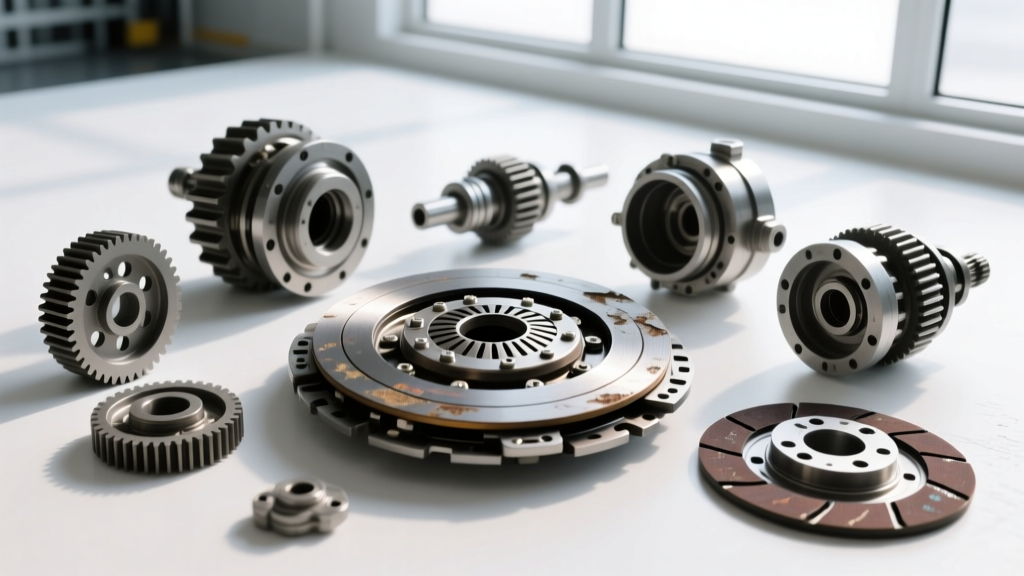
Many repair facilities attempt to save costs by resurfacing dual-mass flywheels (DMF) or heavily worn single-mass cast-iron flywheels rather than replacing them. If the flywheel is machined beyond its minimum thickness specification, or if the surface finish (measured in RA micro-inches) is too smooth or too rough, the clutch disc will slip excessively during heavy cargo break-in. This localized slipping generates thermal shock, literally melting the bonding resins on the outer edges of the friction facing, leading to lip movement and delamination.
3. Improper Break-In Procedures Under Load
Heavy-duty organic and cerametallic clutches require a specific break-in period. If a driver immediately hooks up to a 40,000 lb cargo trailer and performs aggressive starts on an incline before the friction material has burnished to the flywheel, the outer edges take the brunt of the friction load. The resulting thermal expansion causes the friction lips to shift before the adhesives have fully heat-cycled and set.
2026 Cost Breakdown: The Financial Impact of a Second Repair
When a vehicle returns to the shop with clutch cargo moving lips, the financial burden is substantial. Unlike a standard passenger car, pulling a transmission from a Class 8 truck or a commercial F-650 cargo hauler requires specialized equipment, driveline realignment, and heavy-duty shop bays. Below is a detailed 2026 cost analysis comparing the initial replacement with the secondary failure repair.
| Cost Category | Initial Clutch Replacement | Secondary Repair (Lip Delamination) | Warranty Coverage Notes |
|---|---|---|---|
| Heavy-Duty Clutch Kit (e.g., Eaton Solo, LuK HD RepSet) | $850 - $1,400 | $0 (Covered under parts warranty) | Parts only; excludes collateral damage |
| Flywheel Replacement / Resurfacing | $250 (Resurface) / $900 (New) | $900 - $1,200 (Mandatory Replacement) | Voids warranty if previously resurfaced beyond spec |
| Shop Labor Rate (Heavy-Duty Bay) | $165 - $195 / hour | $165 - $195 / hour | Labor rarely covered if shop error is unproven |
| R&R Labor Time (Class 8 / Commercial Cargo) | 12 - 16 Hours | 14 - 18 Hours (Includes dial-indicating) | Fleet operator absorbs secondary labor cost |
| Bellhousing Alignment / Dowel Pins | $0 (Often skipped) | $120 - $250 (Offset dowels required) | Essential for preventing third failure |
| Total Estimated Out-of-Pocket Cost | $3,200 - $4,800 | $2,800 - $4,100 | Cumulative downtime: 5-8 days |
As illustrated in the table, the secondary repair often costs nearly as much as the first. While the clutch manufacturer (such as Eaton or Schaeffler/LuK) will typically honor the parts warranty for the defective disc, they will aggressively deny the claim if the returned core shows evidence of bellhousing misalignment or flywheel abuse. Consequently, the fleet owner or owner-operator is left holding a $3,000+ labor bill for a failure that was entirely preventable.
Precision Assembly: Torque Specs and SAE Tolerances
To eliminate the risk of clutch cargo moving lips returning after a warranty replacement, shops must adhere to strict drivetrain assembly protocols. The era of "bolting it back together" is over; modern heavy-duty cargo clutches demand metrology-level precision.
- Bellhousing Concentricity: Must be measured with a magnetic-base dial indicator. Maximum allowable TIR is 0.005 inches. If the bore is out of spec, offset dowel pins (available in 0.010", 0.020", and 0.030" offsets) must be installed to recenter the transmission input shaft relative to the engine crankshaft.
- Flywheel Face Runout: Must not exceed 0.004 inches. Any warping beyond this limit will cause the pressure plate diaphragm spring to pulse, transferring destructive harmonic vibrations directly to the outer friction lips.
- Pressure Plate Torque Sequence: For heavy-duty 15.5-inch clutches, pressure plate to flywheel bolts must be torqued in a strict star pattern. Initial seating is followed by a final torque of 70-85 lb-ft (depending on the specific Eaton or Meritor part number). Using an impact gun without a torque stick will warp the pressure plate cover, guaranteeing post-repair chatter and facing delamination.
- Release Bearing Clearance: Hydraulic clutch systems on modern cargo trucks require precise bleeding and clearance checks. The release bearing must have a minimum of 1/8-inch clearance from the clutch brake or diaphragm fingers when the pedal is fully released. Riding the bearing causes continuous friction on the disc lips, leading to thermal degradation.
Warranty Recourse and Shop Liability
If your commercial cargo vehicle experiences moving lips on the clutch disc shortly after a repair, the immediate step is to secure the removed parts and demand the shop's installation documentation. Specifically, request the dial indicator log for the bellhousing and the micrometer measurements of the flywheel thickness prior to assembly.
Many shops will attempt to blame the driver for "riding the pedal" or "overloading the cargo." However, a forensic teardown of the clutch disc will tell the true story. If the friction lips are sheared uniformly and the marcel springs are crushed on one specific axis, it is definitive proof of lateral misalignment (bellhousing error). If the lips are burnt and the friction material has glazed and shifted, it points to a flywheel surface finish issue or improper break-in.
In 2026, with commercial freight margins tighter than ever, fleet managers must mandate that their contracted repair facilities provide documented SAE tolerance measurements upon every clutch installation. Paying an extra $250 for precision alignment and a new flywheel during the initial repair is a fraction of the cost compared to the $4,000 secondary teardown required to fix clutch cargo moving lips. Protect your drivetrain, demand precision diagnostics, and treat every clutch replacement as a complete system overhaul, not just a simple parts swap.