The NVH Nightmare in Modern Performance Builds
As we navigate the 2026 performance automotive landscape, the pursuit of power often comes at the cost of Noise, Vibration, and Harshness (NVH). Whether you are dropping a forged 4.8L LS into a stripped chassis, upgrading a Tremec T-56 Magnum, or tuning a ZF 8HP automatic for track use, unwanted vibrations can mask critical mechanical failures. One of the most common diagnostic pitfalls in high-horsepower builds is misattributing accessory drive chatter to the main drivetrain. Before you drop your transmission and spend $2,500 on a new multi-disc setup, you need a systematic approach to isolate the vibration.
Mapping the Vibration: Load vs. RPM Dependency
The first step in clutch system diagnostics is determining the trigger point of the chatter. Drivetrain clutch chatter is inherently load-dependent. It occurs when the friction disc transitions from static to kinetic friction, typically between 1,200 and 1,800 RPM under heavy throttle application. Conversely, accessory drive chatter—often stemming from the AC compressor or harmonic balancer—is strictly RPM-dependent and will change pitch linearly with engine speed, regardless of whether the vehicle is in gear or in neutral.
Manual Drivetrain Clutch Chatter: Tolerances and Failure Modes
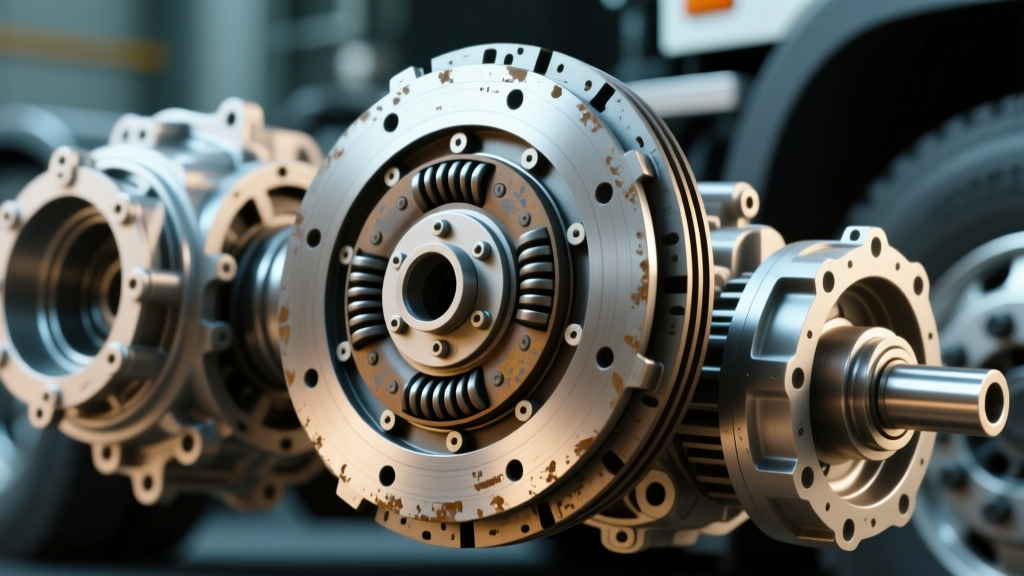
When diagnosing manual transmission chatter, you must look beyond the friction disc itself. According to Tremec's official installation guidelines, bellhousing misalignment is a primary culprit for premature wear and chatter in high-torque applications.
Critical Tolerances to Measure
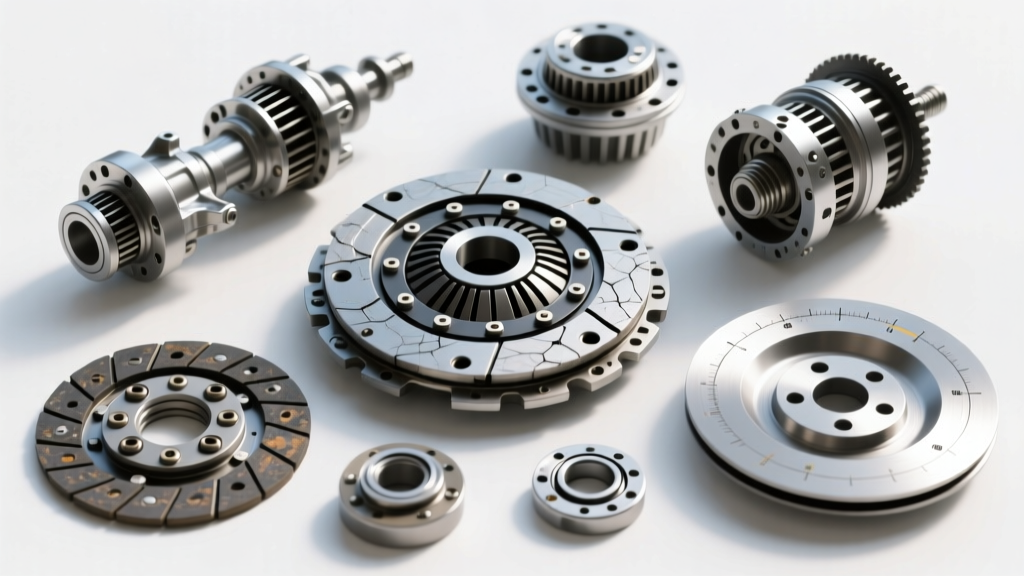
- Flywheel Runout: Must not exceed 0.003 inches. Measure with a dial indicator at the friction surface. Excessive runout causes the pressure plate to pulse, creating a violent chassis shudder upon engagement.
- Input Shaft Runout: For a Tremec T-56 Magnum, the input shaft runout at the bearing retainer should be less than 0.005 inches. If your bellhousing is offset, use adjustable dowel pins (like those from Lakewood or RobbMc) to correct the alignment.
- Clutch Fork Pivot Ball: Upgrading to a heavy-duty clutch (e.g., McLeod Street Twin, Part #7521617) increases pedal effort by up to 40%. This accelerates wear on the factory spherical pivot ball. Inspect for flat-spotting, which alters the clutch geometry and prevents smooth engagement.
Automatic Transmission Shudder: Torque Converter vs. Clutch Packs
In modern automatics, 'chatter' often manifests as torque converter shudder during the lockup phase. The GM 6L80E and 8L90 transmissions are notorious for this when the Dexron ULV fluid shears down and loses its friction-modifying properties. A $45 bottle of Dr. Tranny Instant Shudder Fixx or a complete fluid exchange can resolve this. However, in ZF 8HP45/8HP70 units (found in modern Chargers, Mustangs, and BMWs), shudder may indicate worn internal clutch pack friction materials or degraded ZF Lifeguard 8 fluid, requiring a pan drop, mechatronic sleeve replacement, and an OBD adaptation reset.
The Misdirection: How to Tell if AC Clutch is Bad
When chasing under-hood chatter, mechanics frequently overlook the accessory drive. Understanding how to tell if AC clutch is bad is crucial, as a failing electromagnetic compressor clutch mimics the rhythmic slapping of a loose drivetrain component. The AC clutch relies on a magnetic field to bridge a precise air gap. When this system degrades, it creates a high-frequency chatter that resonates through the engine block and chassis, often tricking builders into blaming the flywheel or motor mounts.
1. Air Gap Degradation and Magnetic Slip
Factory specifications for most Sanden and Denso compressor clutches dictate an air gap between 0.015 inches and 0.025 inches (0.4mm - 0.6mm). Over time, the friction face wears. If the gap exceeds 0.035 inches, the electromagnetic coil cannot fully lock the clutch plate. This results in 'magnetic slip'—a rapid, high-RPM chatter that occurs exactly when the AC compressor cycles on. Use a feeler gauge to check the gap at three equidistant points around the clutch face. If it is out of spec, remove the snap ring and shim the clutch hub inward.
2. Coil Resistance and Voltage Drop
A failing coil will draw excessive amperage or fail to generate sufficient magnetic force. Using a digital multimeter (following standard diagnostic procedures outlined by Fluke), test the AC clutch coil resistance. A healthy Sanden SD7 coil typically reads between 3.5 and 4.5 ohms at 68°F (20°C). If your reading is below 3.0 ohms (internal shorting) or infinite (open circuit), the clutch assembly requires replacement. Furthermore, check for voltage drop across the relay and ground wires; performance builds with high-draw cooling fans often starve the AC clutch relay of a clean 12V signal, causing weak magnetic engagement and chatter.
3. Internal Compressor Seizure and Belt Slip
If the clutch plate is locked but the internal swash plate or piston bearings of the compressor are seizing, the serpentine belt will slip and chatter over the crankshaft pulley. This is frequently misdiagnosed as a failing harmonic balancer. Spray a fine mist of distilled water on the belt ribs while the engine is idling and the AC is on. If the chatter temporarily vanishes, you have belt slip induced by compressor drag, not a drivetrain fault.
Diagnostic Matrix: Drivetrain vs. AC Compressor Chatter
| Symptom Profile | Manual Drivetrain Clutch | Auto Torque Converter | AC Compressor Clutch |
|---|---|---|---|
| Primary Trigger | Friction engagement (1st/2nd gear) | 40-55 MPH, light throttle lockup | AC cycle engagement (idle or cruise) |
| Sound Profile | Deep, chassis-shaking shudder | Light humming or rhythmic vibration | High-frequency metallic clicking/slapping |
| RPM Dependency | Load-dependent, vanishes in neutral | Speed/Load-dependent | Strictly RPM-dependent, present in neutral |
| Primary Diagnostic Tool | Dial indicator (flywheel runout) | OBD Scanner (Lockup slip RPM data) | Feeler gauge & Multimeter (Ohms) |
| Average Repair Cost (2026) | $1,200 - $2,800 (Labor intensive) | $350 - $900 (Fluid/Converter) | $180 - $450 (Clutch coil/assembly) |
Performance Upgrades to Eliminate NVH
If you have confirmed your drivetrain and AC systems are within spec but NVH remains an issue, consider the following performance upgrades:
- Harmonic Balancers: Upgrade to an ATI Super Damper (Part #918853 for LS applications). Factory elastomer dampers degrade under high-RPM track use, allowing torsional vibrations to mimic clutch chatter.
- Electric Accessory Drives: For dedicated track builds, eliminating the serpentine belt entirely by using a Meziere electric water pump (WP346) and an electric AC compressor removes accessory-induced harmonics from the crankshaft.
- Motor Mounts: Swap degraded OEM rubber mounts for polyurethane or active hydraulic mounts. While solid aluminum mounts reduce engine movement, they will transmit every minor accessory vibration directly into the chassis, exacerbating perceived chatter.
Final Diagnostic Thoughts
Chasing vibrations in a modified vehicle requires a methodical, data-driven approach. By isolating the vibration based on load versus RPM, verifying flywheel and bellhousing tolerances, and knowing exactly how to tell if AC clutch is bad, you can save thousands of dollars in misdiagnosed drivetrain repairs. Always trust the dial indicator and the multimeter over guesswork.