The Foundation: Baseline Maintenance and Fluid Specifications
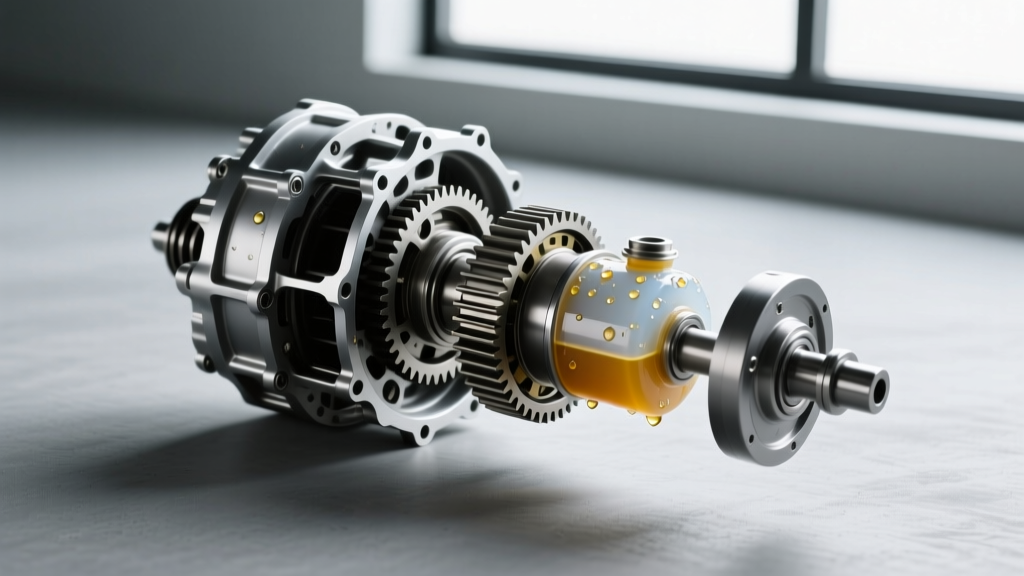
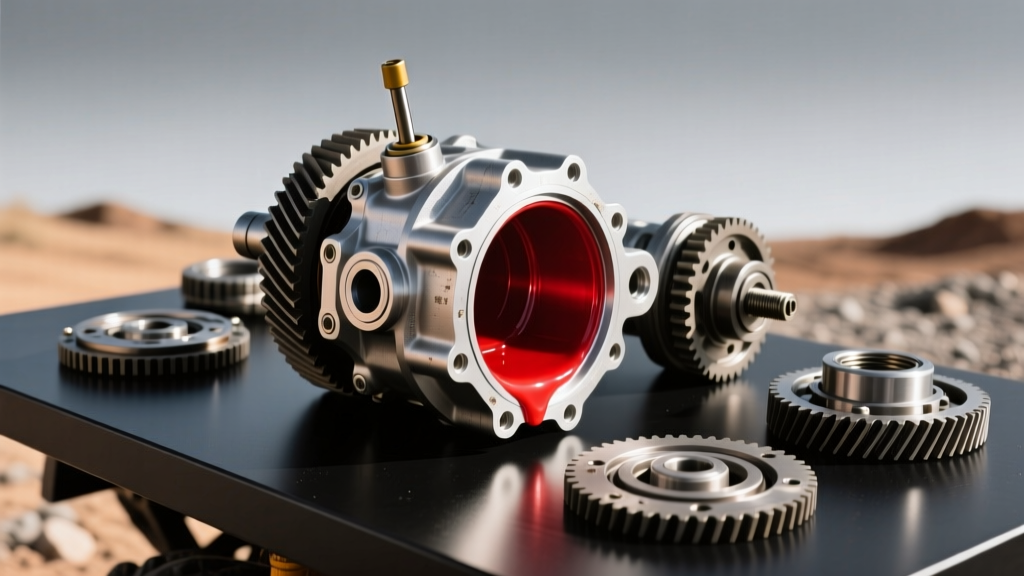
Before bolting on high-performance traction devices, establishing a baseline of proper maintenance is non-negotiable. For high-horsepower UTV enthusiasts, verifying the exact can-am x3 rear differential oil capacity is the first step in ensuring your drivetrain survives the abuse of dunes, mud bogs, and rocky trails. The factory rear differential in the Can-Am Maverick X3 is a compact, high-stress unit that relies entirely on proper hydrodynamic lubrication to prevent catastrophic ring and pinion failure.
Fluid Volumes and Torque Specifications
The official Can-Am X3 rear differential oil capacity is 120 mL (4.1 fl oz) for standard wheelbase models, while the longer X3 MAX variants typically require up to 180 mL (6.1 fl oz). However, the most accurate method is to fill the housing until the gear oil reaches the bottom edge of the fill plug threads on a level surface. Overfilling can lead to blown seals due to thermal expansion and foaming under high-RPM operation.
- Drain Plug Torque: 15 Nm (11 lb-ft) with a new crush washer.
- Fill Plug Torque: 15 Nm (11 lb-ft) with a new O-ring.
- Recommended Fluid: Can-Am XPS Synthetic Gear Oil 75W-90 or AMSOIL Severe Gear 75W-90 for superior shear stability under extreme shock loads.
The Traction Bottleneck: Why Factory Diffs Fail Under Boost
The Maverick X3 RR produces over 200 horsepower, sending massive torsional stress through the rear axle. Factory limited-slip differentials (LSD) rely on clutch packs to bias torque between the left and right wheels. Under sustained high-torque loads—such as climbing steep rock ledges or launching out of deep sand—these clutch packs slip, generate immense heat, and eventually glaze or disintegrate. Once the clutch packs fail, the differential defaults to an open state, leaving you with one spinning tire and zero forward momentum.
To eliminate this vulnerability, off-road racers and heavy-truck builders turn to dedicated locking differentials or spools. Selecting the right unit depends heavily on your vehicle architecture (independent rear suspension vs. solid axle) and your specific terrain.
Locking Differential Types: A Performance & Upgrade Guide
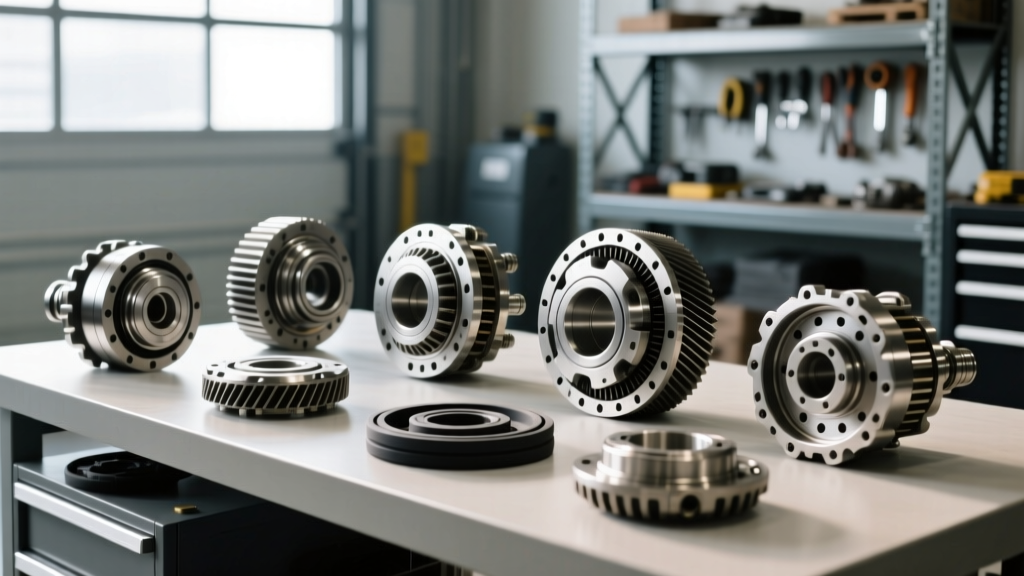
Upgrading to a locking mechanism ensures both wheels receive 100% of the available torque, regardless of traction. Below is a technical breakdown of the primary locking differential types utilized in modern UTVs, trucks, and SUVs.
1. Billet Spools (UTV & Race Applications)
A spool completely eliminates the differential action by physically locking the left and right axles together inside the carrier. For the Can-Am X3 and similar UTVs, aftermarket manufacturers like Welter Performance offer CNC-machined billet steel spools (typically 8620 chromoly) that replace the factory carrier and spider gears.
- Pros: Zero moving parts to break; handles limitless torque; relatively lightweight; cost-effective ($300–$450).
- Cons: 100% axle binding on high-traction surfaces. Turning on hardpack or pavement will twist axles, snap CV joints, and cause severe tire chirping.
- Best For: Dedicated sand dune, mud, and snow UTVs where the terrain naturally allows for wheel speed differentiation during turns.
2. Automatic Locking Differentials (Detroit / Spartan)
Common in solid-axle trucks (e.g., Dana 44, Ford 8.8, GM 14-bolt), automatic lockers like the Eaton Detroit Locker utilize a ratcheting internal mechanism. Under acceleration, spring-loaded dog clutches lock the axles together. During deceleration or cornering, the mechanism unlocks the outside wheel, allowing it to spin faster than the ring gear to prevent axle binding.
- Pros: Fully automatic (no switches or air lines); excellent rock-crawling traction; allows for street driving.
- Cons: Can produce a loud 'clunk' when engaging/disengaging; unpredictable handling in low-traction winter conditions (ice/snow) due to sudden unlocking.
- Best For: Off-road trucks, trail rigs, and rock crawlers that still see occasional street use.
3. Selectable Lockers (ARB Air Locker / Eaton E-Locker)
Selectable lockers offer the ultimate compromise. When disengaged, they function as a standard open differential, providing smooth, bind-free street manners. When the driver flips a switch, an electromagnetic coil (Eaton) or pneumatic piston (ARB) forces a locking collar across the carrier, creating a solid spool.
- Pros: On-demand 100% lockup; perfect street manners; maximum versatility.
- Cons: Highest cost ($1,000–$1,500+); requires installation of air compressors, solenoids, or complex wiring harnesses; more potential failure points.
- Best For: Daily-driven overland vehicles, expedition trucks, and high-end UTV builds with custom solid-axle swaps.
Locker Selection Matrix
| Locker Type | Traction Level | Street Manners | Avg. Cost Range | Ideal Application |
|---|---|---|---|---|
| Billet Spool | 100% (Locked) | Poor (Axle Bind) | $300 - $500 | UTVs, Sand, Mud, Race |
| Automatic (Detroit) | 95% (Ratcheting) | Fair (Clunk/Noise) | $700 - $950 | Rock Crawling, Trail Trucks |
| Selectable (ARB/Eaton) | 100% (On-Demand) | Excellent (Open) | $1,000 - $1,500 | Overland, Daily-Driven 4x4 |
| Helical LSD (Torsen) | 60-70% (Biasing) | Perfect | $600 - $900 | High-Speed Desert, Rally |
Gear Oil Selection: Viscosity and Friction Modifiers
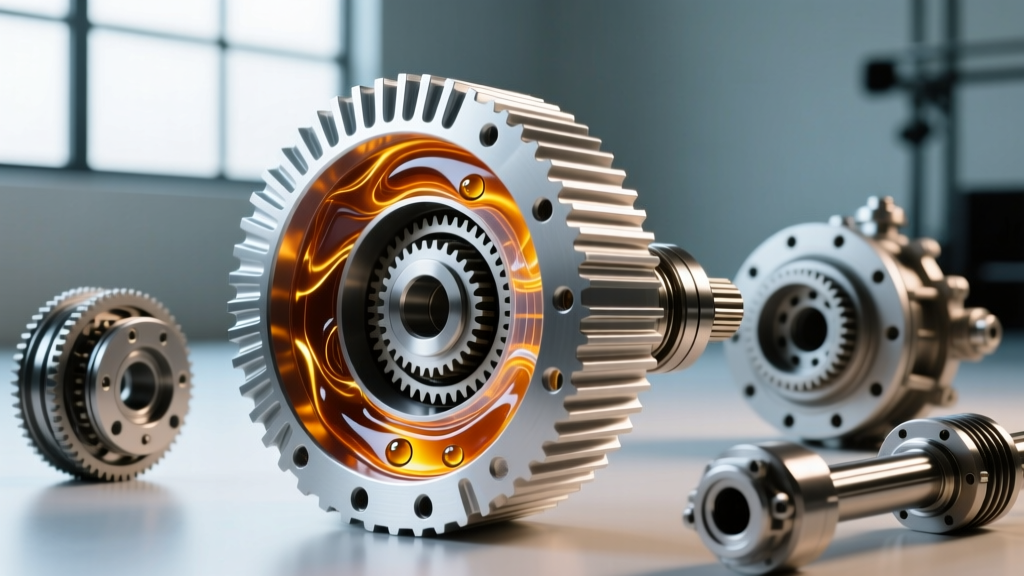
Upgrading your differential dictates a change in your fluid strategy. Factory limited-slip differentials require specific friction modifiers (like Limited Slip Additive) to prevent the clutch packs from chattering. However, spools, Detroit Lockers, and ARB Air Lockers do not use clutch packs. Adding friction modifier to a Detroit Locker can actually cause the internal dog clutches to slip and fail to engage properly.
For upgraded locking differentials and UTV spools subjected to massive shock loads (such as landing jumps in the X3 or dropping off ledges in a truck), step up to a higher viscosity. A 75W-140 Synthetic Gear Oil provides a thicker hydrodynamic film that protects the ring and pinion gear teeth from micro-pitting and spalling under extreme G-forces. Ensure the fluid meets API GL-5 specifications, which contains the necessary extreme pressure (EP) sulfur-phosphorus additives to protect hypoid gear cuts.
Installation Specs: Backlash, Preload, and Torque
Whether you are pressing bearings onto a Welter billet spool for a UTV or setting up an Eaton E-Locker in a Dana 44, precision is paramount. Improper setup will destroy a $1,200 locker and a $400 ring and pinion set in under 50 miles.
- Ring Gear Bolt Torque: Typically 70–85 lb-ft (consult specific OEM specs), secured with Red Loctite 262 (Red) to prevent backing out under reversing loads.
- Backlash: Must be set between 0.006" and 0.010" using a dial indicator. Backlash that is too tight will cause the gears to overheat and seize; too loose will result in impact loading and sheared ring gear teeth.
- Bearing Preload: Carrier bearing preload must be established using shims or threaded adjusters. A properly preloaded carrier will have slight drag when spun by hand but zero lateral play.
Expert Verdict
Understanding your baseline—like the exact Can-Am X3 rear differential oil capacity and service intervals—ensures your drivetrain housing and bearings are healthy before introducing the extreme stress of a locker. For pure off-road UTVs, a billet spool is the most cost-effective and indestructible upgrade. For solid-axle trucks that see mixed terrain, the Eaton Detroit Locker remains the undisputed king of automatic traction, while selectable lockers offer the ultimate premium experience for overlanders. Match the locker to your terrain, drop in the correct 75W-140 GL-5 synthetic fluid, and torque your fasteners to spec.