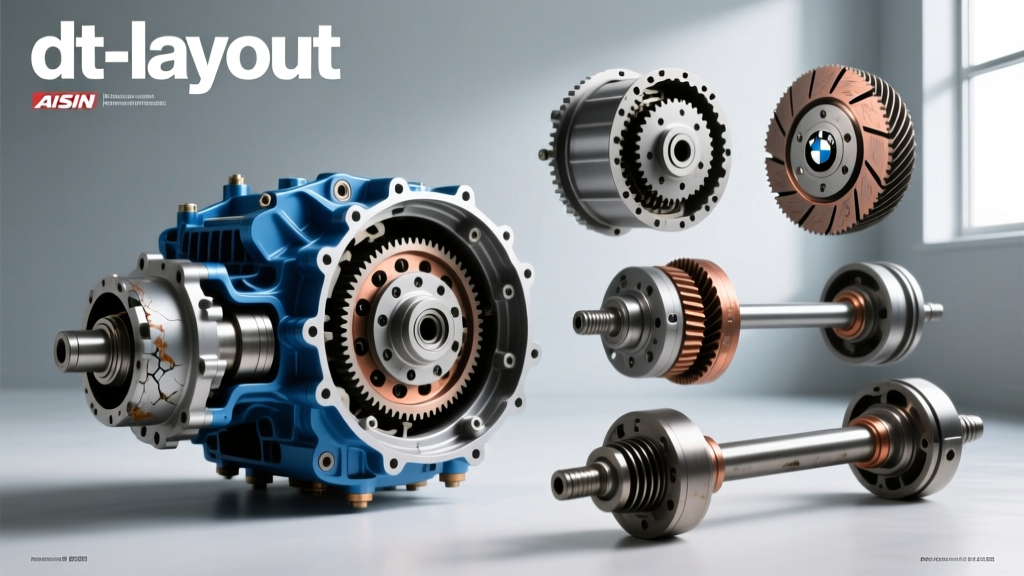
The Engineering Reality of the C6 Transaxle Layout
The C6 Corvette (2005-2013) remains one of the most capable performance bargains on the used market in 2026. However, when you push the LS2, LS3, LS7, or LS9 engines past their factory output, the C6 Corvette drivetrain reveals its hidden fragility. Unlike front-engine, rear-axle vehicles, the C6 utilizes a rear-mounted transaxle connected to the engine via a rigid torque tube. This layout provides phenomenal polar moment of inertia and near-perfect 50/50 weight distribution, but it creates a unique harmonic nightmare when subjected to high-horsepower shock loads.
In a traditional drivetrain, the driveshaft acts as a buffer, absorbing slight misalignments and torsional spikes. In the C6, the torque tube is a static structural member. The entire burden of absorbing engine harmonics and driveline shock falls on a single, often overlooked component: the torsional damper (flexplate/flywheel assembly). If you are planning to run sticky drag radials, aggressively tune a supercharged LS3, or track your C6 Z51, understanding and reinforcing the weak links in this drivetrain configuration is mandatory.
The Torsional Damper: The C6's Hidden Drivetrain Killer
The most catastrophic failure point in a modified C6 Corvette drivetrain is the factory torsional damper. GM engineered a complex, multi-piece elastomeric damper to isolate the cabin from the aggressive gear rattle of the rear-mounted Tremec T56 and the harshness of the LS V8. While brilliant for NVH (Noise, Vibration, and Harshness) reduction, the stock rubber-isolated flexplate is a ticking time bomb once you exceed 450 rear-wheel horsepower (rwhp) or subject the car to hard drag-strip launches.
When the elastomer degrades or the spot welds on the factory damper fail under high torque, the resulting imbalance can shatter the torque tube bearings, destroy the transmission input shaft, and even crack the engine block's rear main seal area. By 2026, the aftermarket has completely solved this issue, but it requires abandoning the factory NVH dampening.
Upgrade Path: Solid Billet Flywheels and Flexplates
For manual transmission C6s, upgrading to a solid billet aluminum or steel flywheel from manufacturers like RAM Automotive or SPEC is the standard fix. For the 6L80E automatics, you must replace the dual-mass style flexplate with a heavy-duty billet steel flexplate designed for high-stall torque converters.
- Manual Upgrade: RAM Billet Steel Flywheel (Part #8865) paired with an LS7 clutch kit. Cost: ~$650-$800.
- Automatic Upgrade: TCI or Circle D billet steel flexplate rated for 1,000+ HP. Cost: ~$350-$500.
- NVH Warning: Expect a noticeable increase in gear rattle at idle and low-RPM driveline resonance. This is the trade-off for drivetrain survival.
Half-Shafts and CV Joints: Putting Power to the Pavement
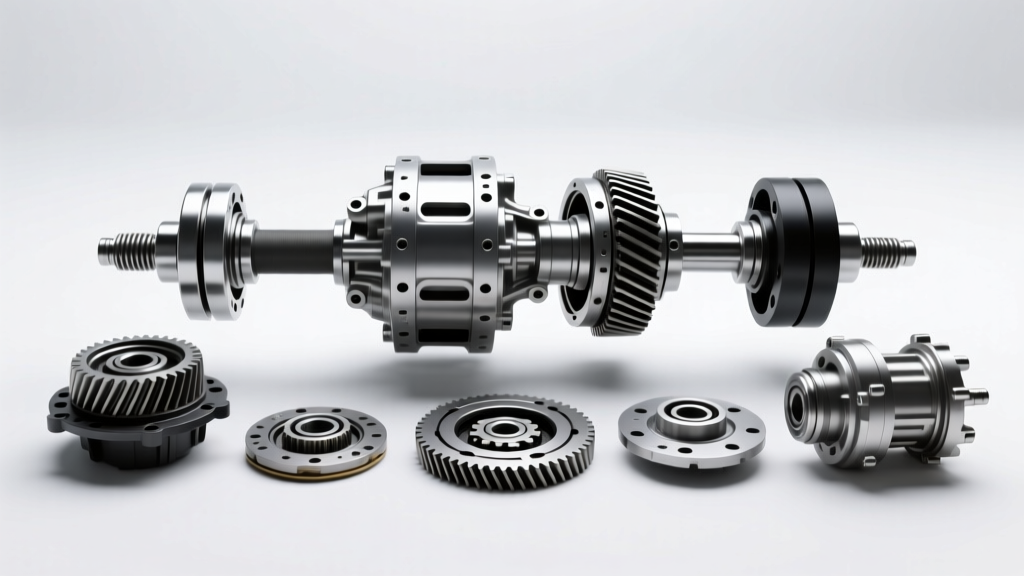
The C6 utilizes a GM 8.8-inch rear differential (upgraded to a ZF unit in the ZR1) with half-shafts that connect the transaxle output to the rear hubs. The stock C6 Z51 half-shafts are notoriously fragile when paired with modern, ultra-sticky tire compounds like the Mickey Thompson ET Street R or Toyo R888R. Under the shock load of a 1.6-second 60-foot time, the stock 30-spline inner CV joints and shafts will snap like glass.
Upgrading the axles is a critical step in any C6 Corvette drivetrain modification plan. The industry standard in 2026 remains The Driveshaft Shop (DSS). Their Level 5.1 axles utilize a proprietary 300M alloy steel and a massive 108mm outer CV joint housing, which completely eliminates the wheel hop and snap-axle issues that plague stock C6s on the drag strip.
Expert Tip: When installing aftermarket half-shafts, never use an impact gun to torque the outer axle nut. The factory specification is 118 lb-ft, but many upgraded axles require a specific stretch-torque procedure. Always consult the manufacturer's included spec sheet to avoid stripping the custom threads.
Differential Bushings and Wheel Hop Eradication
Wheel hop is the enemy of the C6 drivetrain. It occurs when the rear suspension binds and releases rapidly under load, sending violent, oscillating shockwaves directly through the half-shafts and into the transaxle gears. The root cause is the factory soft rubber differential bushings and the lower control arm compliance.
Replacing the differential snubber and bushings with polyurethane or spherical bearing setups dramatically reduces drivetrain deflection. BMR Suspension offers a comprehensive Differential Bushing Kit (Part #BK048) that replaces the voided factory rubber with high-durometer polyurethane. This locks the differential housing firmly to the chassis cradle, ensuring that suspension movement does not alter the pinion angle under heavy acceleration.
C6 Drivetrain Component Power Limits & Upgrade Costs
| Component | Stock Power Limit (rwhp) | Common Failure Mode | Recommended Upgrade | Est. Cost (2026) |
|---|---|---|---|---|
| Torsional Damper (Flexplate) | 450 - 500 | Elastomer separation, weld failure | Billet Steel Flexplate / Solid Flywheel | $350 - $800 |
| Half-Shafts (Z51) | 400 (with sticky tires) | Inner CV joint cage shatter | DSS Level 5.1 300M Axles | $1,400 - $1,800 |
| Differential Bushings | N/A (Causes wheel hop) | Rubber tearing, pinion angle shift | BMR Polyurethane Kit (BK048) | $150 - $250 |
| Torque Tube Bearings | N/A (Wear item) | Seal failure, high-pitch whining | Timken Sealed Replacement Bearings | $120 - $200 |
| 6L80E Transaxle (Internals) | 550 - 600 | 3-5-R clutch wave plate failure | Circle D Pro Billet Input Shaft & Clutches | $2,500 - $3,500 |
Transaxle Upgrades: 4L60E vs. 6L80E Cooling and Internals
The automatic C6 Corvette drivetrain saw a major split during its production run. The 2005 models utilized a rear-specific 4L60E, while 2006-2013 models were equipped with the 6L80E. Both transmissions face unique challenges when pushed beyond 600 HP.
The 6L80E Rear Transaxle Reality
The 6L80E in the C6 is not the same transmission found in the Silverado or Camaro. It features a unique rear-facing bellhousing, a specialized output shaft for the transaxle layout, and a distinct T43 Transmission Control Module (TCM) tuning strategy. The weakest internal link in the high-horsepower 6L80E is the 3-5-R clutch wave plate, which is prone to snapping under the sudden torque multiplication of a high-stall torque converter.
To build a 6L80E for 700+ rwhp, you must install a billet 3-5-R clutch drum, upgraded Raybestos GPZ friction clutches, and a reinforced input shaft. Furthermore, the factory torque converter is inadequate for modified LS engines. Upgrading to a Circle D or Yank Performance triple-disc torque converter with a 2800-3200 RPM stall speed is essential to keep the engine in its powerband, but it requires custom TCM tuning to manage the increased line pressure and slip parameters.
Transaxle Cooling is Non-Negotiable
Because the transaxle is located at the rear of the vehicle, it does not benefit from the direct airflow that a front-mounted transmission receives. The C6 relies on a small differential/transmission cooler integrated into the rear fascia. When tracking a C6 or running back-to-back drag passes, transaxle fluid temperatures can easily exceed 260°F, rapidly degrading Dexron VI fluid and burning up clutch packs. Installing an auxiliary rear-mounted transaxle cooler with a dedicated thermostatic pump is a mandatory upgrade for any C6 making over 550 HP that will see sustained high-RPM use.
Critical Torque Specs for the C6 Drivetrain Reassembly
Proper torque is vital when reassembling the C6 drivetrain. The aluminum engine block and torque tube mating surfaces are easily stripped or warped if uneven pressure is applied. Always use a calibrated torque wrench and follow the GM sequence.
- Flexplate to Crankshaft (M11x1.5): 74 lb-ft + 51 degrees (Use new GM stretch bolts, Part #12554811).
- Torque Tube to Engine Block (M10x1.5): 37 lb-ft (Apply medium threadlocker).
- Transaxle to Torque Tube (M12x1.75): 66 lb-ft.
- Differential to Torque Tube (M12x1.75): 74 lb-ft.
- Rear Axle Nut (M27x2.0): 118 lb-ft (Do not reuse the factory prevailing torque nut).
Final Thoughts on C6 Drivetrain Reliability
Building a reliable, high-horsepower C6 Corvette drivetrain requires respecting the unique physics of the transaxle layout. By addressing the torsional damper, upgrading to 300M half-shafts, eliminating differential deflection, and properly cooling the rear-mounted transmission, you can safely push the C6 platform well into the 700+ HP territory. The aftermarket support in 2026 is more robust than ever, meaning you no longer have to choose between keeping the car stock or risking a catastrophic driveline failure on the track.