Decoding BMW Drivetrain Noises in Coastal Climates
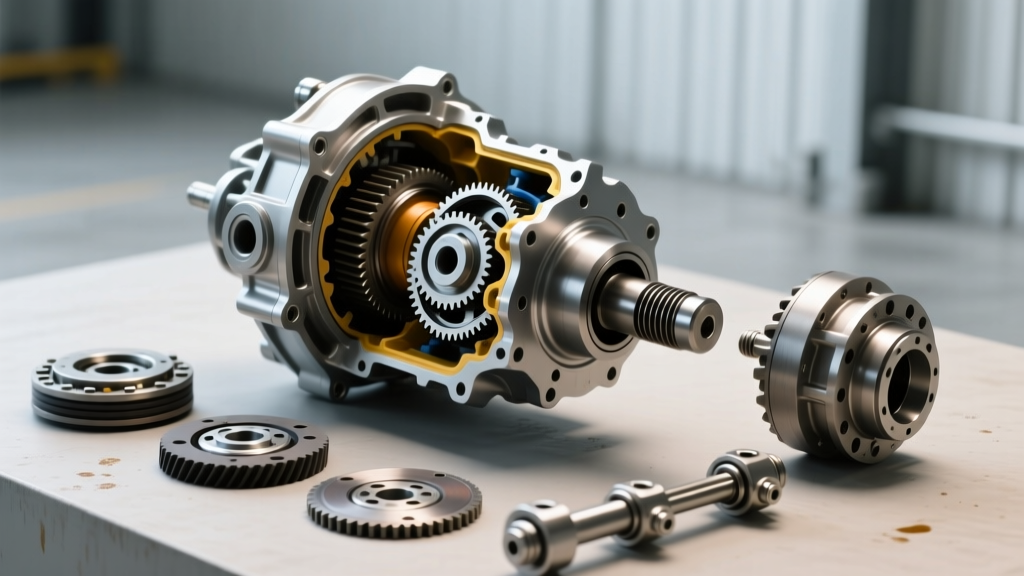
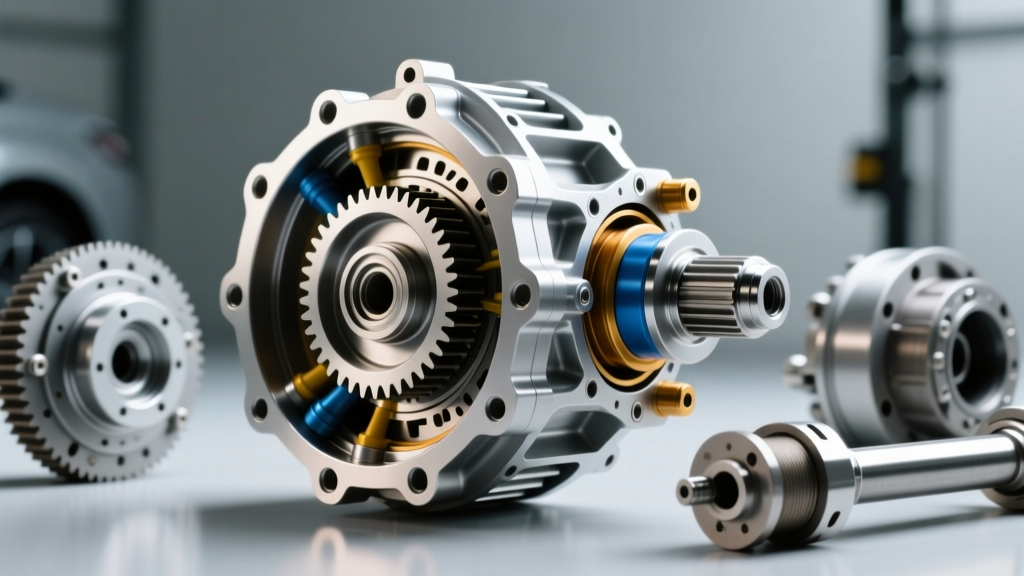
BMW’s rear-wheel-drive and xDrive platforms—from the legendary E90 3-Series to the modern G20 and G80 M-cars—rely on precision-machined hypoid gear sets and sophisticated limited-slip differentials (LSDs). However, operating these vehicles in Southwest Florida presents unique thermal and environmental challenges. As we navigate the 2026 automotive service landscape, ambient temperatures in Sarasota frequently exceed 92°F, combined with high humidity and the stop-and-go traffic corridors of I-75 and US-41. This environment causes severe thermal cycling in drivetrain lubricants, accelerating shear breakdown and exposing mechanical faults.
Many local enthusiasts and DIY mechanics search for the exact phrase differential oil bmw sarasota to find specialized drivetrain service advice, but true expertise requires understanding the acoustic signatures of a failing final drive. Diagnosing differential noise is not just about swapping fluids; it is an exercise in automotive audiology. By correlating specific sound frequencies with vehicle speed, load, and throttle position, we can pinpoint whether an issue stems from degraded lubrication, bearing preload loss, or ring-and-pinion backlash.
Audiometry for Axles: The Differential Noise Diagnostic Chart
Before draining a single drop of gear oil, a road test is mandatory. The differential housing amplifies specific frequencies based on the failure mode. Use the following diagnostic matrix to isolate the root cause of the noise:
| Noise Signature | Driving Condition | Probable Mechanical Cause | Expert Action Plan |
|---|---|---|---|
| High-Pitch Whine | Deceleration (lift-off) | Pinion bearing wear or low fluid level causing drive-side gear polishing. | Inspect drain plug magnet; refill with OEM spec fluid. If whine persists, bearing replacement is required. |
| Low-Frequency Howl | Steady-state cruise (45-65 mph) | Ring and pinion wear, incorrect backlash, or severe fluid shear. | Check gear oil for metallic glitter. Rebuild or replace the final drive unit. |
| Chatter / Shudder | Low-speed, tight turning radius | LSD clutch pack degradation or lack of friction modifier. | Drain fluid, inspect for black sludge. Refill with LSD-specific fluid and friction modifier. |
| Heavy Clunk | Engaging Drive/Reverse or abrupt throttle tip-in | Excessive backlash, worn spider gears, or collapsed side bearings. | Measure driveshaft flange play. Inspect internal cross-pins and side gear splines. |
Thermal Shear: Why Florida Heat Destroys Gear Oil
Unlike engine oil, which benefits from a dedicated cooling system and rapid circulation, differential fluid in non-M BMWs relies entirely on passive splash lubrication and the aluminum housing for heat dissipation. In Sarasota’s summer climate, the differential housing can easily reach internal temperatures of 210°F to 230°F during aggressive driving or heavy highway cruising.
At these temperatures, inferior or aged 75W-90 gear oils experience kinematic viscosity loss. The long-chain polymers that provide the oil's film strength begin to shear. Once the fluid film thickness drops below the microscopic tolerances of the hypoid gear teeth (often measured in microns), boundary lubrication occurs. This results in micro-welding and tearing of the gear surface, generating the characteristic 'howl' that plagues high-mileage BMWs. Furthermore, the extreme pressure (EP) additives, typically zinc and phosphorus compounds, deplete over time, leaving the ring and pinion vulnerable to scuffing.
OEM BMW Fluid Specifications and Part Numbers
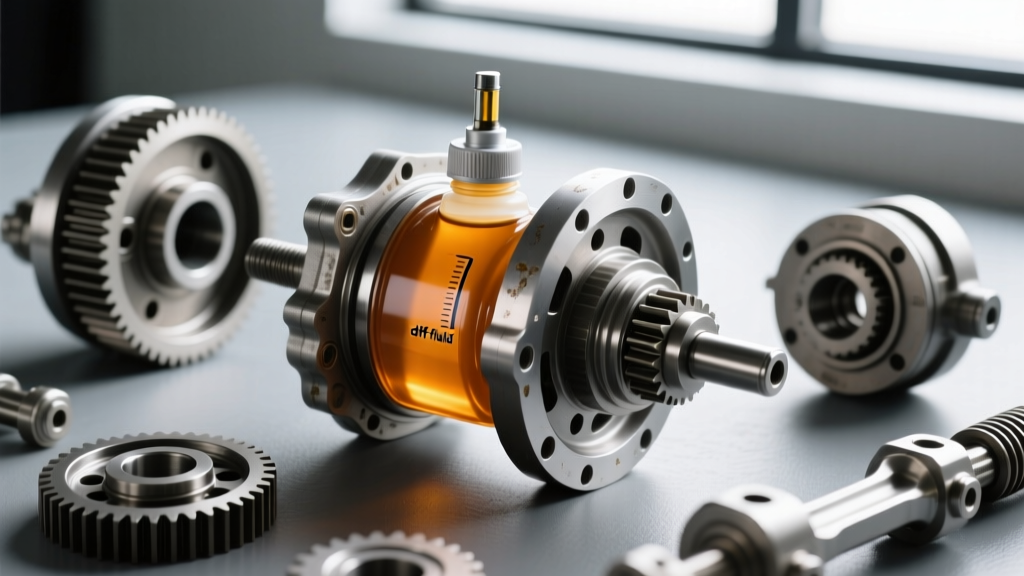
Using the correct fluid is non-negotiable. A common mistake in independent shops is confusing the xDrive transfer case fluid with the rear differential fluid. As of 2026, BMW’s drivetrain lubrication specs are highly segmented. Sourcing the correct fluid requires referencing exact OEM part numbers:
- Standard Open Differentials (Most F-Series and G-Series Non-M): BMW Hypoid Axle Oil G1. This is a specialized synthetic fluid designed for fuel efficiency and high thermal stability. Part Number: 83222446674 (1 Liter).
- Older Platforms (E90, E60, Early F30): Castrol SAF-XO 75W-90 (API GL-5). This was the legacy standard for BMW final drives. Part Number: 83222411195 (1 Liter).
- M Performance / Drexler LSDs: Requires a dedicated LSD fluid with specialized friction modifiers to prevent clutch pack chatter. Often, shops use the BMW OSP-A fluid or dedicated Drexler differential oil. Never use standard GL-5 without the correct friction modifier in an LSD, or the clutch packs will glaze and fail.
- xDrive Transfer Cases (Warning): Uses BMW DTF 1 (Part Number: 83222446673). Do NOT put DTF 1 in the rear differential, and do NOT put Hypoid G1 in the transfer case.
For verified part numbers and chassis-specific applications, technicians should always cross-reference the VIN via RealOEM or the dealer ETK system before ordering parts.
Expert Service Procedure: Drain, Inspect, and Fill
Performing a differential service on a BMW requires precision and adherence to torque specifications. The aluminum housings used on modern BMWs are prone to thread stripping if overtightened. Follow this expert-level procedure:
1. Preparation and Extraction
Ensure the vehicle is on a perfectly level lift. BMW differentials do not have deep drain pans; they rely on a shallow sump. Crucial Expert Tip: Always remove the fill plug before removing the drain plug. If the fill plug is seized or stripped, you do not want to be stranded with an empty differential.
2. Magnetic Debris Analysis
Remove the M12x1.5 drain plug and allow the fluid to evacuate into a clean pan. Inspect the integrated magnet on the drain plug:
- Normal: A fine, gray, paste-like fuzz. This is standard clutch pack and gear wear over 50,000 miles.
- Abnormal: Chunky metallic flakes, needle-bearing shards, or a 'glitter' suspension in the oil. This indicates catastrophic bearing failure or ring-and-pinion spalling. A fluid change will not fix this; the unit must be rebuilt or replaced.
3. Refill and Torque Specifications
Using a pneumatic fluid evacuator or a manual hand pump, inject the new OEM fluid into the fill hole. The differential is full when the fluid begins to weep out of the fill hole's lower lip. BMW rear differentials typically hold between 0.8 Liters and 1.1 Liters, depending on the chassis and whether it is a standard or M-Sport differential.
Reinstall both plugs. The factory torque specification for the M12x1.5 drain and fill plugs in the aluminum housing is 60 Nm (44 lb-ft). Do not exceed this. Use a calibrated torque wrench and avoid using impact guns, which will easily snap the bolt head or strip the aluminum threads, requiring a costly housing repair or timesert installation.
Beyond the Fluid: Mechanical Failure Modes
If a fluid change and the correct friction modifiers do not resolve a whine or clunk, the issue has crossed from chemical degradation to mechanical failure. The most common mechanical failure on high-mileage BMWs in coastal areas is pinion seal leakage combined with tapered roller bearing preload loss.
When the pinion seal weeps (a very common sight on F30 328i and 340i models around the 80,000-mile mark), fluid levels drop. More importantly, the ingress of Sarasota's humid, salt-laden air contaminates the remaining gear oil, turning it into an acidic emulsion that attacks the bearing races. Diagnosing this requires removing the driveshaft and using an inch-pound torque beam to measure the rotational drag of the pinion flange. If the preload is outside of BMW's tight specifications (typically requiring a specialized crush sleeve or shim adjustment during a rebuild), the differential will whine incessantly under load, regardless of the oil quality.
Final Thoughts for Florida BMW Owners
Maintaining a BMW’s final drive in a harsh coastal climate requires proactive, not reactive, maintenance. While BMW historically labeled some of these fluids as 'lifetime,' the reality of thermal shear and additive depletion dictates that a drain and fill every 50,000 to 60,000 miles is essential for longevity. By utilizing exact OEM part numbers, adhering to strict 60 Nm torque specs, and understanding the acoustic diagnostics of hypoid gear sets, you can ensure your BMW's drivetrain remains whisper-quiet and mechanically sound for hundreds of thousands of miles.
For further reading on BMW drivetrain maintenance intervals and fluid cross-references, consult the technical archives at FCP Euro's BMW Service Guides.