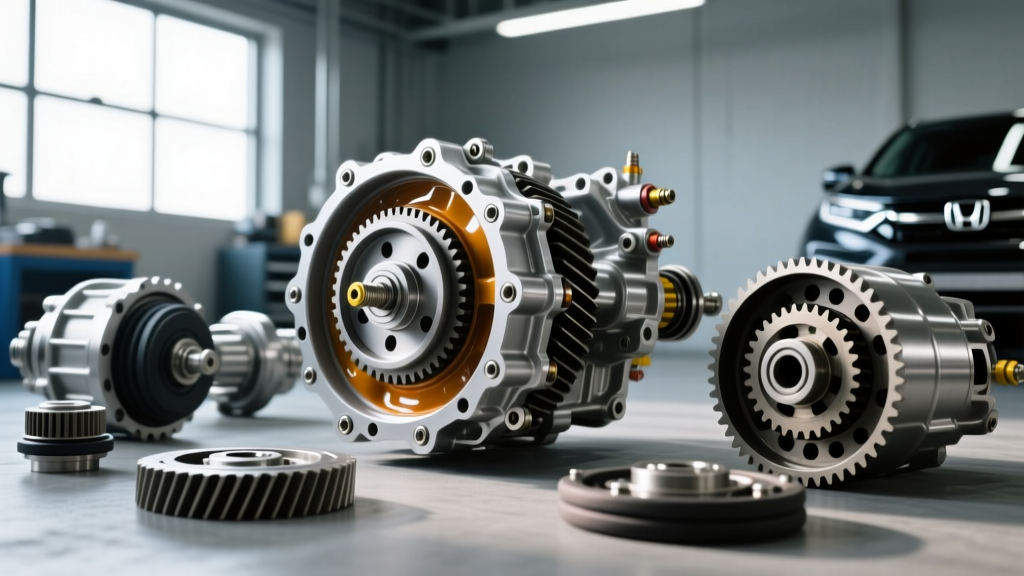
The $3,500 Misdiagnosis: Voltage Drops and Gear Grinding
When a modern vehicle begins emitting a horrific grinding or ratcheting noise from the transmission tunnel, the immediate assumption is catastrophic mechanical failure. However, when drivers and even some general repair shops ask, can a bad battery cause transmission problems like severe grinding, the answer is a resounding—and expensive—yes. In 2026, with the dominance of 8-speed and 10-speed automatic transmissions relying on hyper-sensitive Pulse Width Modulated (PWM) solenoids, a failing battery or a degraded alternator diode can create voltage ripples that mimic destroyed planetary gearsets.
Misdiagnosing an electrical voltage drop as a mechanical transmission failure is one of the most costly mistakes in modern automotive repair. Pulling a transmission, tearing it down, and rebuilding it when the root cause was a $180 AGM battery or a corroded ground strap can turn a simple afternoon fix into a $3,500 nightmare. This cost analysis breaks down the true financial impact of transmission grinding noises, separating electrical ghost faults from genuine mechanical destruction.
How Low Voltage Triggers Mechanical-Sounding Grinding
To understand the cost breakdown, we must first understand the failure mechanism. Modern transmissions do not use simple hydraulic valves; they use electronically controlled clutch packs actuated by PWM solenoids. These solenoids require a stable 12-volt reference signal to modulate hydraulic line pressure with millisecond precision.
The ZF 8HP and GM 6L80/10L80 Vulnerability
Take the ubiquitous ZF 8HP70 (found in BMW, Audi, and Ram vehicles) or the GM 6L80 and 10L80 series. The Transmission Control Module (TCM) is often integrated directly into the transmission pan or valve body—known as the Mechatronic unit (ZF) or TEHCM (GM). If your battery is failing and system voltage drops below 11.4V under load, the TCM's internal voltage regulators struggle to maintain the precise 5V and 12V logic rails required by the solenoids.
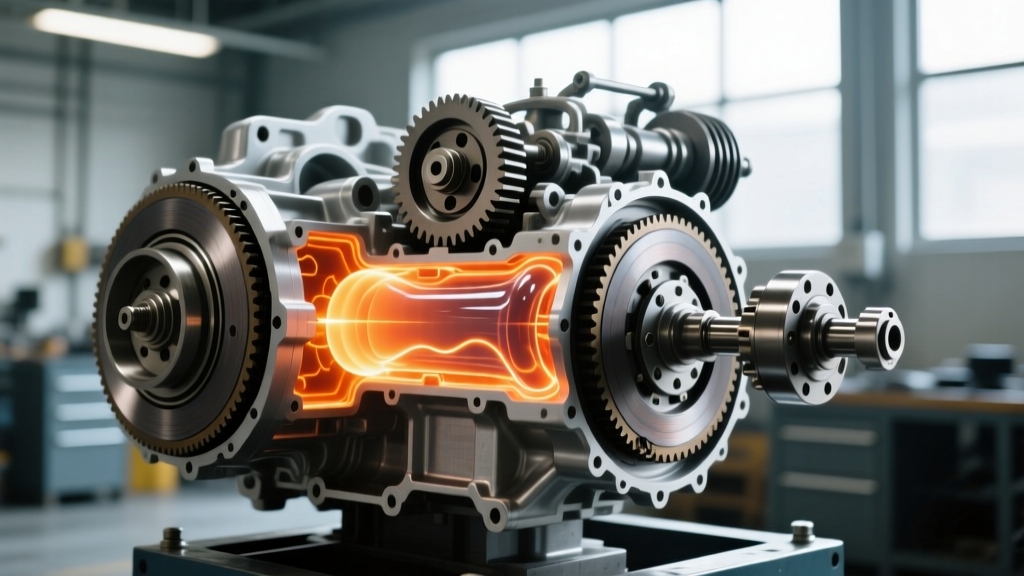
When voltage fluctuates, the pressure control solenoids (PCS) 'chatter.' They rapidly open and close instead of holding steady pressure. This causes the clutch packs (such as Clutch Pack A or B) to engage and disengage dozens of times per second while the engine is applying torque. The resulting friction material shredding and steel-on-steel ratcheting sounds exactly like a destroyed planetary gearset grinding to a halt. Furthermore, excessive AC ripple from a bad alternator diode can physically burn out the solenoid driver circuits on the Mechatronic board, leading to permanent harsh shifts and dog-clutch grinding.
Cost Breakdown: Electrical Fixes vs. Mechanical Rebuilds
The financial difference between diagnosing the electrical root cause and blindly replacing the transmission is staggering. Below is a 2026 market cost analysis comparing the electrical culprits of grinding against actual mechanical rebuilds.
| Component / Failure Mode | Primary Symptoms | Parts Cost (2026) | Labor & Programming | Total Repair Range |
|---|---|---|---|---|
| AGM Battery Replacement | Low voltage codes, solenoid chatter, cold-start grinding | $180 - $280 | $50 (Install & Register) | $230 - $330 |
| Alternator Diode / Ripple Fix | TCM logic faults, harsh shifts, high-frequency whining/grinding | $250 - $450 | $150 - $250 | $400 - $700 |
| GM 6L80 TEHCM Replacement | Fried solenoid drivers, P0700 codes, clutch slip/grind | $450 - $650 | $350 (Includes J2534 Flash) | $800 - $1,000 |
| ZF 8HP Mechatronic Sleeve/Seal | Fluid leaks causing low pressure, slipping, gear ratchet | $120 (Kit) | $400 + Fluid (Lifeguard 8) | $520 - $700 |
| Full Transmission Rebuild (Mechanical) | Constant grinding, metallic debris in pan, no forward/reverse | $800 - $1,500 (Master Kit) | $1,800 - $2,500 | $2,800 - $4,500+ |
When the Grinding is Truly Mechanical: Worst-Case Costs
While a bad battery or charging system can cause transmission problems that sound mechanical, we must acknowledge when the grinding is the result of actual hard-part failure. If your voltage logs are a rock-solid 13.8V to 14.2V while driving, and the battery has passed a 1000-amp carbon pile load test, the grinding is likely internal.
Torque Converter Clutch (TCC) Shredding
In high-mileage Ford 10R80 or GM 8L90 transmissions, the TCC friction material can delaminate. When the converter attempts to lock up at highway speeds, the shredded material jams the turbine and stator, creating a violent grinding vibration that shakes the entire chassis. Replacing the torque converter requires transmission removal. Expect to pay $350 for a remanufactured billet torque converter, plus 6 to 8 hours of labor ($900–$1,200), and a mandatory transmission flush using fluids like Motorcraft MERCON ULV or GM Dexron VI.
Planetary Gearset and Thrust Bearing Failure
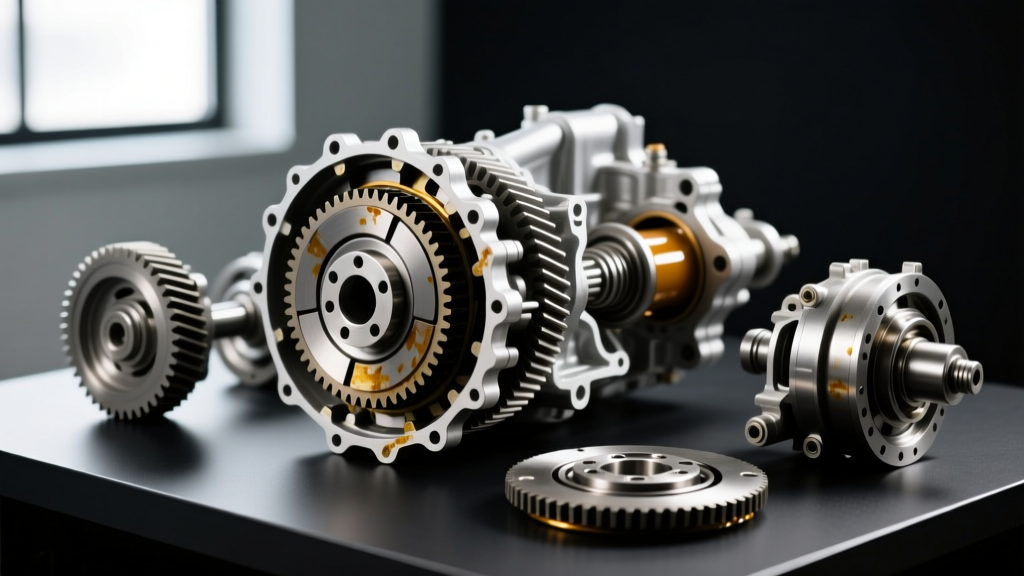
If the transmission fluid is completely black and smells severely burnt, and the pan is full of glitter-like metallic shavings, a thrust bearing or planetary needle bearing has disintegrated. The sun gears are physically grinding against the ring gear. There is no electrical fix for this. A complete teardown, replacing the hard parts, clutches, and steels, will push your invoice past the $3,500 threshold. Always verify the transmission pan contents before authorizing a rebuild.
The Ford 10R80 Internal Harness 'Voltage Drop' Mimic
A critical edge case in modern diagnostics involves the Ford 10R80 transmission (found in the F-150 and Mustang). Many owners experience harsh shifts, neutral flares, and grinding ratcheting noises, accompanied by low-voltage solenoid codes. They replace the battery and alternator, but the problem persists. The culprit is often the internal molded lead-frame harness (Part # DG1Z-7A109-A). The solder joints on the speed sensors and solenoids crack due to thermal cycling, creating internal electrical resistance. This resistance drops the voltage after it leaves the TCM, tricking the computer into thinking the battery is bad. Replacing this $120 lead-frame kit (requiring valve body removal and 10 Nm torque on the retaining bolts) saves thousands in misdiagnosed rebuilds.
Step-by-Step Diagnostic Protocol (Save Your Wallet)
Before you agree to a $4,000 transmission rebuild for a grinding noise, demand that your technician perform these specific electrical verification steps. For deeper industry standards on electrical diagnostics, refer to guidelines from SAE International and ZF Aftermarket Services.
1. The Alternator Ripple and Load Test
Do not just test the battery resting voltage. Connect a digital multimeter set to AC Volts across the battery terminals while the engine is running at 2,000 RPM with the headlights and HVAC blower on high. If the AC ripple exceeds 50mV (0.050V), the alternator diodes are failing, sending dirty, noisy power to the TCM. This AC noise scrambles the PWM solenoid signals, causing the clutch packs to chatter and grind. Replace the alternator immediately.
2. OBD2 Live Data PID Monitoring
Use a bi-directional scan tool to monitor the Transmission Control Module PIDs while driving. Watch the 'Commanded Line Pressure' versus 'Actual Line Pressure' PIDs. If the battery is weak, you will see the Actual Pressure wildly oscillating and failing to meet the Commanded Pressure during the exact moments you hear the grinding noise. Additionally, monitor the 'TCM Supply Voltage' PID. If it dips below 11.8V during a gear shift event, you have found your electrical root cause.
3. Voltage Drop Testing the TCM Grounds
Corrosion on the main chassis grounds or the TCM specific ground strap (often located near the engine block or transmission bellhousing) creates resistance. Set your multimeter to DC Volts. Place the red probe on the TCM casing and the black probe on the negative battery terminal while the engine is cranking. Any reading above 0.10V indicates a bad ground. Clean the ground strap and apply dielectric grease—a $15 fix that can eliminate solenoid chatter entirely.
Final Verdict: Test the Volts Before You Pull the Trans
So, can a bad battery cause transmission problems like severe grinding noises? Absolutely. The intricate relationship between 12-volt electrical stability and hydraulic clutch application in modern automatic transmissions means that electrical faults frequently manifest as terrifying mechanical sounds. By systematically testing for AC ripple, performing voltage drop tests on the TCM grounds, and analyzing live solenoid data, you can confidently separate a $250 electrical repair from a $3,500 mechanical rebuild. Never authorize a transmission teardown without first verifying the integrity of the electrons commanding it.