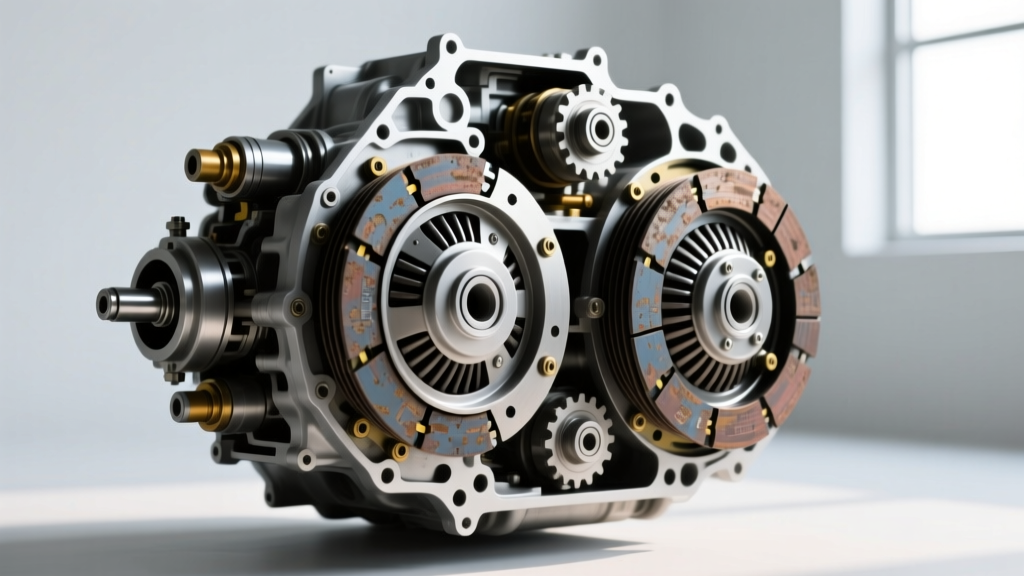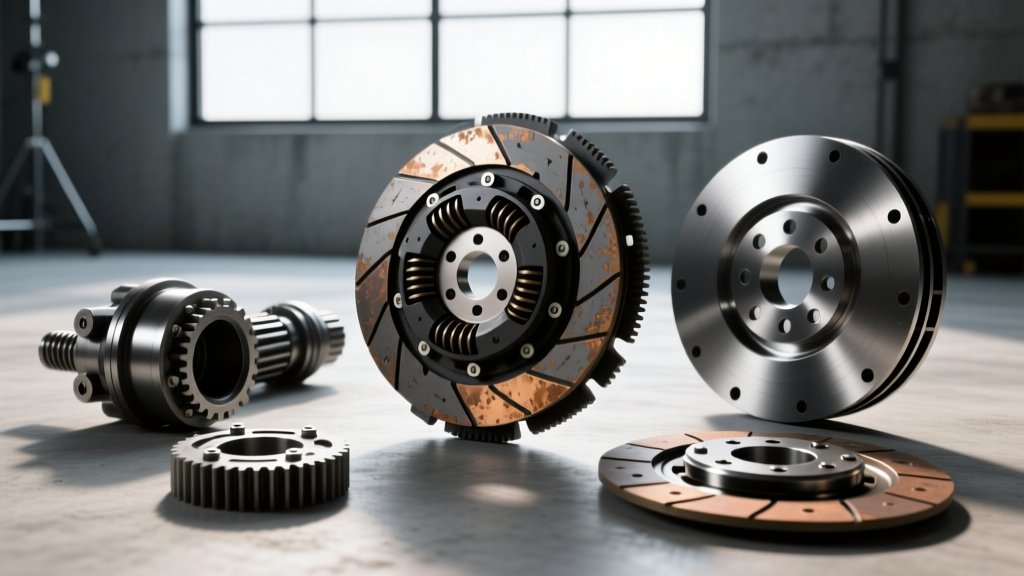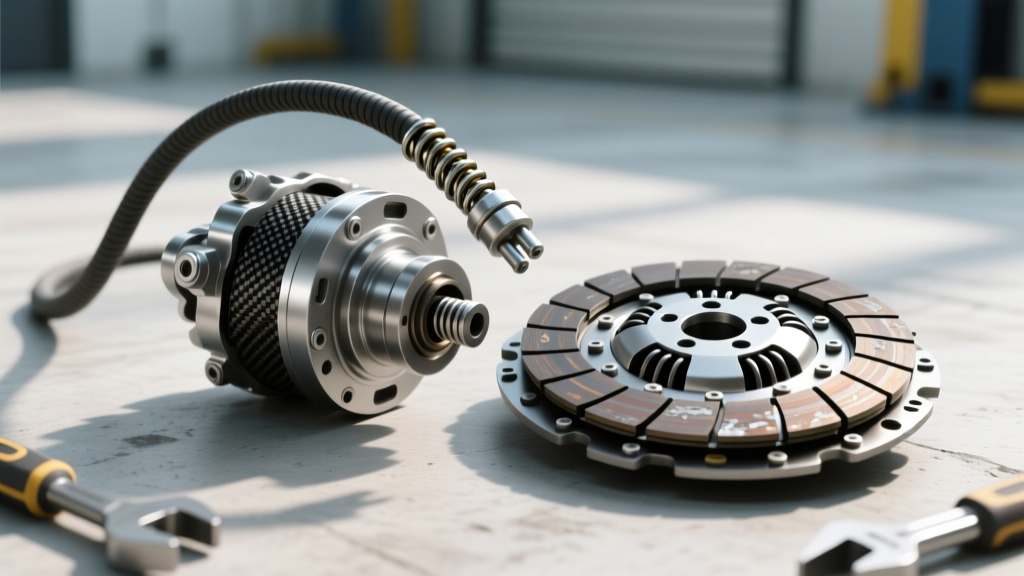
When an automatic transmission begins to slip, flare, or hesitate, many DIY mechanics and first-time buyers mistakenly search for guides on changing clutch cable assemblies to fix the issue. This stems from a fundamental misunderstanding of how modern automatic drivetrains operate. Unlike manual transmissions, which rely on a mechanical or hydraulic clutch pedal and cable linkage to engage and disengage the engine from the gearbox, automatic transmissions utilize internal hydraulic clutch packs, torque converters, and complex valve bodies to manage gear changes.
The Great Misconception: Do Automatics Have Clutch Cables?
The short answer is no. If you are driving a vehicle equipped with an automatic transmission—whether it is a classic GM 4L60E, a modern Ford 10R80, or a ZF 8HP—there is no 'clutch cable' to replace. The component that most closely resembles a clutch cable in an automatic is the shift cable (also known as the transmission range selector cable). However, a failing shift cable will cause gear selection issues (e.g., the shifter feels loose, or the car starts in the wrong gear), not the RPM flares and slipping associated with internal clutch wear.
As of 2026, the automotive aftermarket is flooded with mislabeled parts and confused forum advice. Understanding the difference between mechanical linkage repair and internal hydraulic clutch pack rebuilding is critical for accurate diagnostics, proper parts sourcing, and avoiding catastrophic transmission failure.
Manual Cable vs. Automatic Clutch Pack: Component Comparison
To provide a clear buyer's perspective, we must compare the cost, labor, and mechanical reality of a manual clutch cable replacement versus repairing internal 'clutch problems' in an automatic transmission. The table below outlines 2026 market averages for common repair scenarios.
| System / Transmission | Component | Part Cost (2026 Est.) | Labor Time | Total Repair Cost |
|---|---|---|---|---|
| Manual Transmission | Clutch Cable Assembly | $35 - $85 | 1.0 - 1.5 hrs | $135 - $250 |
| GM 4L60E (Automatic) | 3-4 Clutch Pack Rebuild | $120 - $280 (Kit) | 8.0 - 12.0 hrs | $1,100 - $2,200 |
| ZF 8HP70 / 8HP75 | Mechatronic Sealing Sleeves | $85 - $150 | 6.0 - 8.0 hrs | $800 - $1,400 |
| Any Automatic | Shift Cable Replacement | $60 - $140 | 1.5 - 2.5 hrs | $210 - $450 |
Diagnosing Internal Clutch Failures in Modern Automatics
When an automatic transmission exhibits 'clutch slip,' it means the hydraulic pressure is insufficient to clamp the friction discs and steel plates together inside a specific clutch drum. This results in engine RPMs rising without a corresponding increase in vehicle speed. Here is how this manifests in two of the most common automatic transmissions on the road today.
The GM 4L60E: The Infamous 3-4 Clutch Pack Burnout
The 4L60E is notorious for 3-4 clutch pack failure, typically occurring between 90,000 and 130,000 miles. Symptoms include a harsh shift into second gear, followed by a complete loss of third and fourth gears (the transmission will only shift 1-2, then flare into neutral).
- The Failure Mode: The 3-4 apply piston housing wears out, or the apply ring cracks, bleeding off hydraulic pressure. The friction plates (which require a minimum of .070' thickness) glaze and burn.
- The Fix: You cannot fix this by 'changing a clutch cable.' The transmission must be removed, the bellhousing unbolted (torque spec: 50 Nm / 37 lb-ft), and the 3-4 clutch drum rebuilt. Upgrading to a heavy-duty apply ring (like the Sonnax 77408-01K) and high-energy Raybestos GPZ friction plates is mandatory for longevity.
- Fluid Capacity: A standard pan drop takes about 5 quarts of Dexron VI, but a dry rebuild requires up to 11.2 quarts.
The ZF 8HP: Mechatronic Sleeve Leaks and Clutch Slip
Found in millions of vehicles from BMW, Audi, Chrysler, and Ford, the ZF 8HP is an engineering marvel, but it is highly sensitive to hydraulic leaks. If you experience RPM flares specifically during the 3-5 or 4-6 upshifts, the internal clutch packs are likely starving for fluid.
- The Failure Mode: The Teflon sealing rings on the mechatronic unit (valve body) wear grooves into the aluminum adapter sleeve of the transmission case. This causes a massive internal pressure leak, preventing Clutch Pack A or E from fully engaging.
- The Fix: According to Sonnax Industries, replacing the worn sleeve with a hardened steel repair kit (Part # 95030-01K) restores hydraulic integrity without requiring a full transmission teardown. The mechatronic unit must be carefully lowered, and the sleeve pulled using a specialized slide hammer.
- Fluid Spec: ZF LifeguardFluid 8 is required. Do not use generic ATF, as the 8HP's lockup clutch relies on specific friction modifiers to prevent shudder.
Expert Diagnostic Tip: Before condemning internal clutch packs, always check the transmission fluid level and condition. Burnt-smelling, black fluid indicates severe friction material wear. However, low fluid levels due to a leaking axle seal or output shaft O-ring can mimic clutch failure by starving the hydraulic pump. Always verify line pressure with a mechanical gauge (0-300 PSI) before ordering internal rebuild kits.
Shift Cable Adjustment: The Closest Equivalent to Clutch Cable Work
If your automatic vehicle is revving but not moving, and the gear shifter feels unusually loose or misaligned, you may actually need to service the shift cable. While this is not a 'clutch' cable, it is the primary mechanical linkage connecting the cabin shifter to the transmission's manual lever.
Buyer's Guide for Shift Cables:
If the original cable is stretched or the bushing has disintegrated, replacement is straightforward. For GM trucks and SUVs, the ACDelco 15785885 or Dorman 77480 are top-tier OEM replacements, costing between $60 and $90.
Adjustment Procedure (GM Column Shift Example):
- Place the cabin shifter in the Neutral (N) detent.
- Locate the shift cable adjuster at the transmission manual lever. Loosen the 10mm locking nut.
- Insert a 1/8-inch drill bit or alignment pin through the alignment holes on the shifter tube and the column jacket to lock the shifter in true Neutral.
- Ensure the transmission manual lever is also in the Neutral detent (usually the second click from the rear-most Park position).
- Tighten the 10mm cable adjuster nut to 11 Nm (97 in-lbs). Remove the alignment pin and verify the engine starts only in Park and Neutral.
Essential Tools for Automatic Clutch & Linkage Repairs
Whether you are adjusting a shift cable or undertaking a full 4L60E clutch pack rebuild, having the correct tooling is non-negotiable. Relying on improper tools will result in immediate transmission failure upon reassembly.
- Internal/External Snap Ring Pliers: Essential for removing clutch drum retaining rings. (Recommended: Lisle 45750 Heavy Duty Set).
- Dial Indicator & Magnetic Base: Mandatory for checking input shaft end-play after stacking clutch packs. GM 4L60E spec is 0.010' - 0.029'. Incorrect end-play will destroy the thrust bearings within 50 miles.
- Inch-Pound Torque Wrench: Valve body bolts and internal clutch drum retainers require precise, low-torque settings. For example, ZF 8HP mechatronic bolts must be torqued to exactly 8 Nm (71 in-lbs) in a specific spiral sequence to prevent case warping.
- Clutch Spring Compressor: Required to safely compress the heavy return springs in the 3-4 and 2-4 band apply pistons without damaging the aluminum drum.
Final Verdict: Rebuild or Replace?
If your diagnostic testing confirms internal clutch pack failure (verified via line pressure drops and burnt fluid), you face a critical buyer's decision: rebuild or replace. According to data from the Automatic Transmission Service Group (ATSG), a DIY rebuild using a master kit from Raybestos Powertrain (approx. $250-$400 for frictions, steels, and seals) is highly cost-effective if you have access to a clean environment and specialty tools. However, if the clutch material has shattered and scored the inner drum splines, or if metallic debris has contaminated the torque converter, a full remanufactured unit (ranging from $2,200 to $3,800 in 2026) is the only reliable path forward. Stop searching for a clutch cable, pull the transmission pan, and inspect the debris to make your final decision.