The Thermodynamics of Transmission Failure
Heat is the undisputed enemy of automatic transmission longevity. While modern powertrains are engineered for remarkable efficiency, the fundamental physics of torque conversion and clutch friction inevitably generate immense thermal energy. According to the Automatic Transmission Rebuilders Association (ATRA), for every 20°F increase in fluid temperature above the optimal 175°F baseline, the life of your automatic transmission fluid (ATF) is cut in half. Once ATF surpasses 220°F, rapid oxidation begins, forming varnish deposits that stick valve body spool valves and degrade clutch pack friction materials.
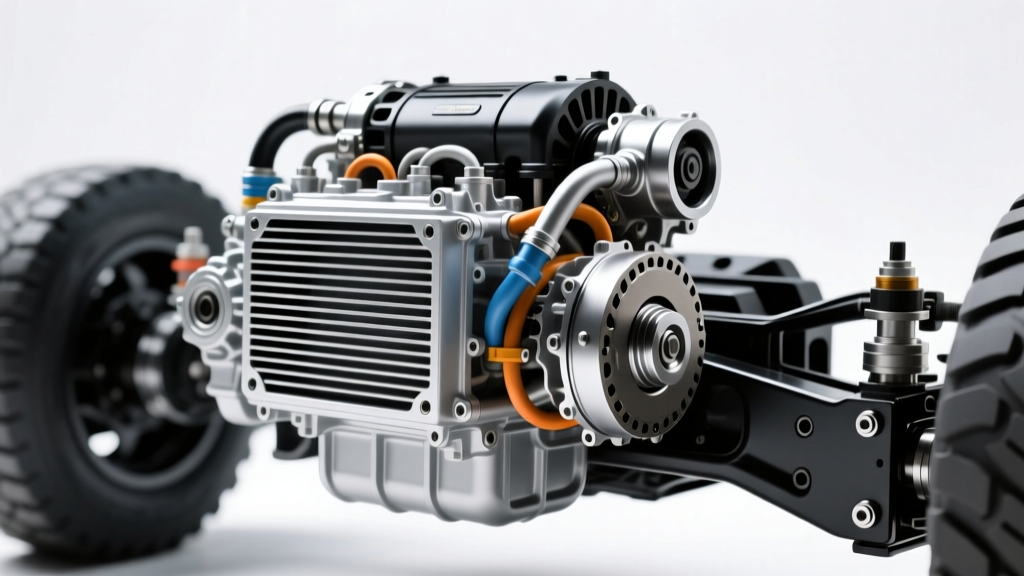
As a preventive maintenance measure, understanding the auxiliary transmission cooler benefits is critical for anyone towing, off-roading, or simply seeking to extend the life of their drivetrain. In this comprehensive guide, we will explore the engineering advantages of aftermarket cooling and provide a masterclass on how to add a transmission cooler to your vehicle correctly.
Expert Insight: Many modern 8-speed and 10-speed transmissions utilize highly sensitive mechatronic units integrated directly into the transmission pan. These electro-hydraulic control modules are exceptionally vulnerable to heat-induced solder joint failures and seal hardening. Keeping fluid temperatures below 190°F is no longer just a recommendation; it is a strict requirement for modern drivetrain survival.
Why the Factory Cooler Isn't Enough
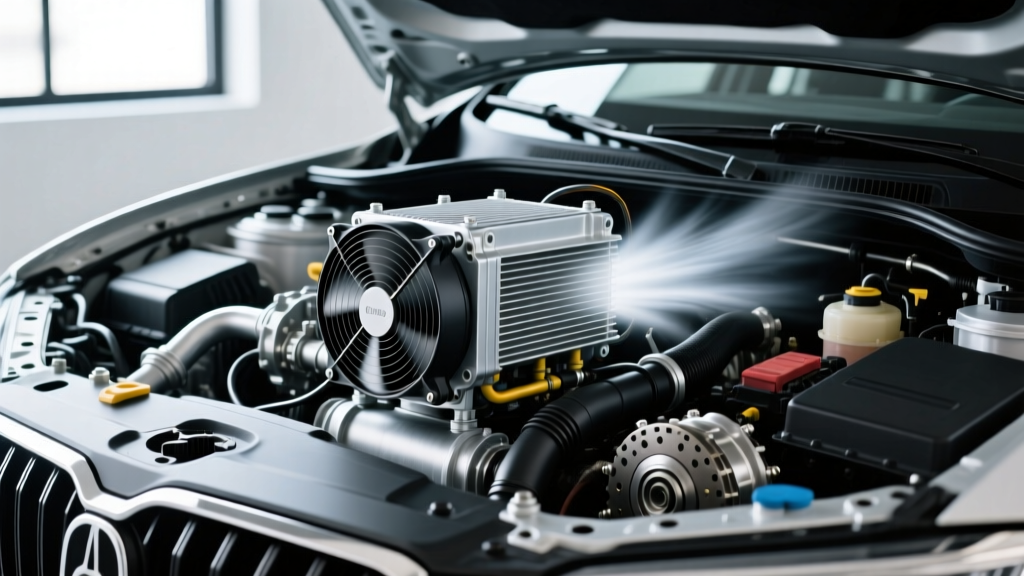
Most factory-equipped vehicles route transmission fluid to a heat exchanger located inside the engine's radiator or mounted directly in front of the A/C condenser. While this design is cost-effective and helps the transmission reach operating temperature quickly in cold climates, it possesses a severe thermal ceiling. The factory cooler can only drop the ATF temperature to within 20°F to 30°F of the ambient engine coolant or outside air temperature. During heavy hauling or stop-and-go traffic, the factory system becomes saturated, leading to rapid heat soak.
Core Auxiliary Transmission Cooler Benefits
1. Halving the Oxidation Rate and Extending Fluid Life
Premium synthetic fluids like Dexron ULV, Mercon LV, and ZF Lifeguard 8 cost between $12 and $25 per quart. A full fluid exchange on a modern 10-speed can exceed $250 in materials alone. By installing a stacked-plate auxiliary cooler, you can maintain peak fluid temperatures between 160°F and 180°F, effectively doubling or tripling the service interval of your ATF. The fluid retains its shear stability and friction modifiers, preventing the infamous torque converter shudder common in aging units.
2. Protecting the Torque Converter and Clutch Packs
The torque converter is the primary heat generator in an automatic transmission, especially when the torque converter clutch (TCC) is slipping or unlocked in lower gears. An auxiliary cooler rapidly sheds this localized heat before it migrates to the planetary gear sets and clutch packs, preventing the glazing of friction discs and the warping of steel separator plates.
3. Increased Towing Capacity and Reliability
When towing near your vehicle's Gross Combined Weight Rating (GCWR), the transmission operates under high line pressure and continuous slip. An external cooler provides the necessary British Thermal Unit (BTU) dissipation to prevent the transmission control module (TCM) from initiating 'limp mode' due to over-temperature protection protocols.
Sizing Guide: GVWR vs. BTU Dissipation
Choosing the wrong cooler can lead to restricted flow or inadequate cooling. Always size your cooler based on the Gross Vehicle Weight Rating (GVWR) and your specific use case. Below is a sizing matrix based on industry standards from Hayden Automotive.
| Vehicle GVWR | Application | Recommended Cooler Type | Example Part / Rating |
|---|---|---|---|
| Up to 10,000 lbs | Light Towing / Daily Driving | Tube-and-Fin or Low-Profile Plate | Hayden 676 (15,000 GVWR) |
| 10,000 - 16,000 lbs | Medium Towing / Hilly Terrain | Stacked-Plate (High Efficiency) | Hayden 678 (24,000 GVWR) |
| 16,000 - 22,000 lbs | Heavy Towing / Commercial | Heavy-Duty Stacked-Plate w/ Fan | Derale 15960 (22,000 GVWR) |
| Over 22,000 lbs | Extreme Hauling / Diesel Pushers | Remote-Mount Dual Fan Cooler | Mishimoto MMTC-F2D |
How to Add a Transmission Cooler: Step-by-Step Preventive Install
Knowing how to add a transmission cooler properly is just as important as the hardware you select. A flawed installation can introduce air pockets, restrict return flow, or cause catastrophic leaks. Follow this preventive maintenance protocol for a bulletproof setup.
Step 1: Selecting the Right Line Routing (Series vs. Parallel)
Always route your auxiliary cooler in SERIES with the factory cooler, never in parallel. The correct flow path is:
- Transmission OUT (Hot) -> Factory Radiator Cooler IN
- Factory Radiator Cooler OUT -> Auxiliary Cooler IN
- Auxiliary Cooler OUT -> Transmission RETURN
This series routing ensures the factory radiator acts as a thermal buffer, warming the fluid in freezing winter months, while the auxiliary cooler performs the heavy lifting of shedding peak heat during summer towing.
Step 2: Mounting and Airflow Dynamics
Mount the cooler in front of the radiator and A/C condenser stack, but maintain a strict minimum clearance of 1/2 inch to 1 inch. If the cooler rests directly against the A/C condenser fins, engine cooling fans can pull the cooler backward, striking and destroying the fan blades. Use the provided nylon mounting rods, but apply a small dab of high-temp RTV silicone to the threads before tightening to prevent vibration-induced backing out over thousands of miles.
Step 3: Cutting, Flaring, and Clamping
Never use standard SAE J30R7 fuel line hose for transmission cooler circuits. Transmission return lines can experience pressure spikes up to 150 PSI during sudden shifts or thermal expansion, which will cause fuel hose to swell and burst. Use dedicated 3/8-inch inner diameter (ID) transmission oil cooler hose (SAE J1532 spec). When securing the hose to the barbed fittings, use double-banded stainless steel worm-drive clamps or constant-tension spring clamps to ensure a leak-free seal. If your transmission pan utilizes AN-6 O-ring boss (ORB) fittings, torque the aluminum adapter fittings to exactly 15-20 ft-lbs to avoid stripping the threads or crushing the Viton O-ring.
Real-World Case Studies: 6L80 and ZF 8HP
The GM 6L80 / 6L90 Platform
The GM 6L80 is a robust transmission but is notorious for torque converter shudder and premature clutch wear when subjected to sustained heat. The factory fluid capacity is roughly 11.2 quarts with a deep pan. By adding a Hayden 678 stacked-plate cooler, owners frequently report a 30°F to 40°F drop in peak operating temperatures during highway towing. This single modification drastically reduces the thermal cycling that causes the 6L80's internal 3-5-R wave plate to fatigue and fracture.
The ZF 8HP (8-Speed) Platform
Found in everything from Ram trucks to BMWs, the ZF 8HP utilizes a highly complex mechatronic unit. The plastic sleeves and electrical connectors within this unit become brittle when exposed to prolonged temperatures above 210°F. Adding a Derale Series 8000 plate-and-fin cooler not only preserves the ZF Lifeguard 8 fluid's precise friction characteristics—required for the ZF's lightning-fast shift events—but also protects the mechatronic unit's internal solenoids from heat-induced electrical resistance changes.
Post-Install Preventive Maintenance
Installing the cooler is only the first step in your preventive maintenance journey. After completing the install and filling the system with the correct OEM-spec ATF, follow this break-in and maintenance checklist:
- Initial Bleed: Run the engine, cycle through all gears, and check the fluid level at the exact temperature specified by the manufacturer (usually between 85°F and 110°F measured via an OBD2 scanner).
- 500-Mile Inspection: Inspect all hose clamps and barbed fittings for weeping. Heat cycling can cause new rubber hoses to settle, requiring a half-turn tightening of the clamps.
- Annual Fin Cleaning: Use compressed air or a gentle degreaser to clear bugs, dirt, and road grime from the auxiliary cooler fins. A clogged cooler can lose up to 40% of its BTU dissipation capacity.
For further engineering data on thermal dynamics and fluid routing, refer to the technical whitepapers provided by Mishimoto Engineering. By taking control of your drivetrain's thermodynamics, you ensure that your transmission operates flawlessly for hundreds of thousands of miles, turning a potential $4,000 rebuild into a minor weekend maintenance project.