The 2026 Landscape: Magnetic Clutches in a Variable-Displacement Era
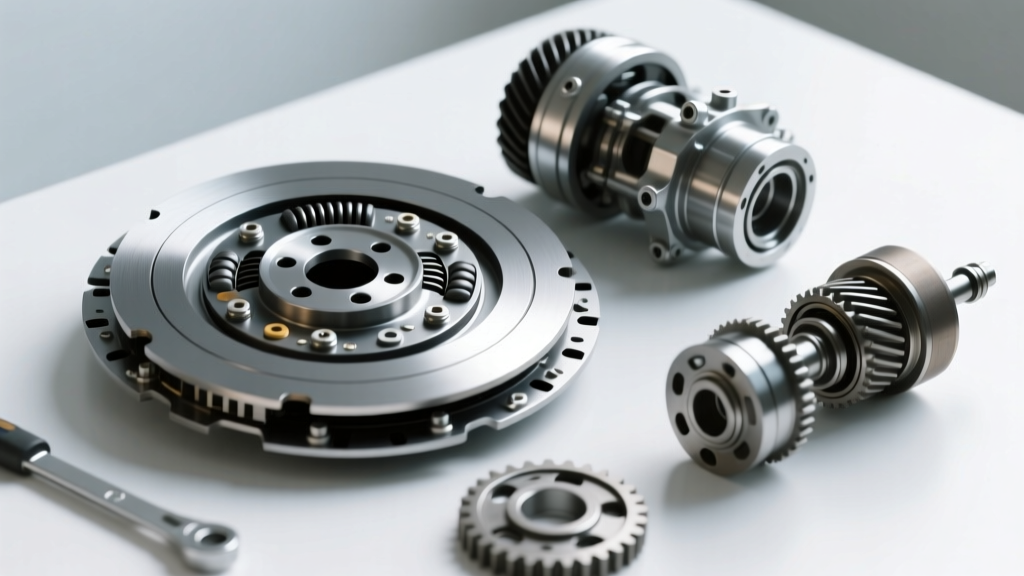
While the automotive HVAC industry has heavily pivoted toward electric and continuously variable-displacement compressors in late-model EVs and hybrids, traditional magnetic clutch systems remain the backbone of millions of vehicles on the road today. From heavy-duty commercial fleets running Sanden SD7H15 compressors to legacy passenger vehicles equipped with Denso 10S17C and Delphi HT6 units, the magnetic clutch is far from obsolete. When the friction plate glazes, the coil burns out, or the pulley bearing seizes, performing a targeted ac compressor clutch replacement can save vehicle owners hundreds of dollars compared to swapping the entire compressor assembly.
However, the margin for error is razor-thin. The clutch hub is typically pressed or heavily torqued onto the compressor's main shaft. Using improper extraction tools or guessing the air gap can instantly destroy a $400+ compressor. This 2026 buyer's guide compares the essential tools required for the job, breaking down universal puller kits, precision measuring instruments, and the exact torque specifications you need to execute a flawless repair.
The Core Arsenal: Essential Tools for the Job
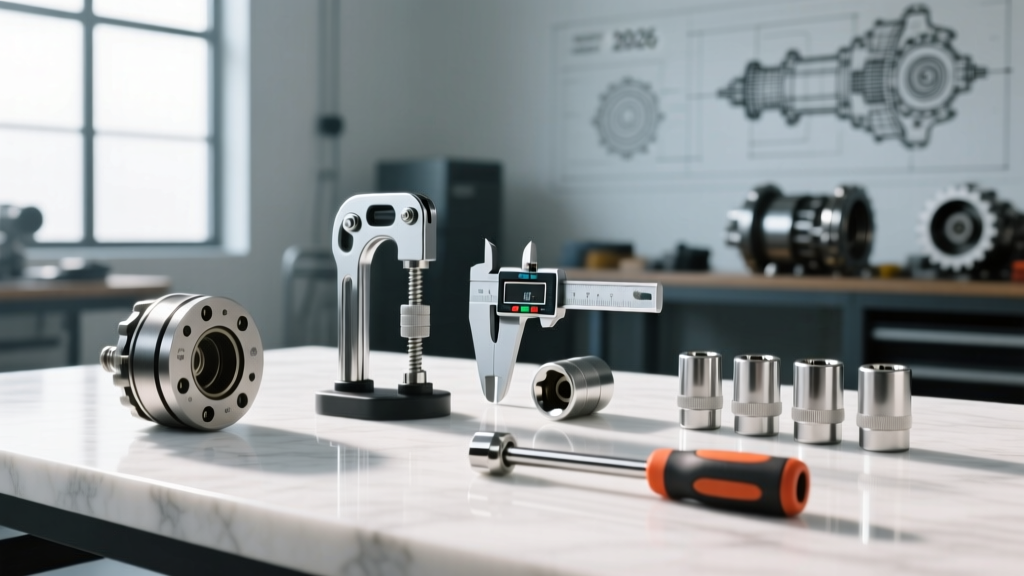
Before unbolting the compressor or discharging the refrigerant (if removal is necessary for bench work), you must assemble a specialized toolkit. Standard wrench sets will not suffice for the delicate extraction and calibration required here.
1. Clutch Puller and Installer Sets
The most critical tool in your arsenal is the clutch puller. The hub is secured by a central bolt, but removing the hub requires a forcing screw that threads into the hub itself to push it off the shaft. If you use the wrong thread pitch adapter, you will strip the hub threads, forcing a total compressor replacement. Modern kits must include adapters for M10x1.5, M12x1.25, and M14x1.5 thread pitches to cover Japanese, European, and domestic applications.
2. Heavy-Duty Angled Snap Ring Pliers
The clutch rotor (pulley) is retained by a heavy-gauge internal or external snap ring. Standard hardware-store pliers will bend under the tension. You need professional-grade pliers with 45-degree and 90-degree angled tips, featuring a minimum of 1.5mm tip thickness to prevent slipping and scoring the pulley groove.
3. Air Gap Feeler Gauges and Shim Kits
The air gap between the clutch friction plate and the rotor is non-negotiable. If the gap is too wide, the magnetic field cannot pull the plate in, causing slippage and glazing. If it is too tight, the plate will drag when the AC is off, generating immense heat and burning out the coil. A dedicated go/no-go gap tool or a high-quality tapered feeler gauge set is mandatory.
4. Digital Multimeter and Test Light
Never replace a clutch assembly without first verifying the coil. A 12V clutch coil should typically read between 3.0 and 4.5 ohms at 20°C (68°F). A reading of infinite resistance indicates an open circuit, while a reading below 2.0 ohms indicates a short. Diagnosing the electrical side prevents unnecessary mechanical teardowns.
Buyer’s Comparison: Universal vs. OEM-Specific Puller Sets
When shopping for an ac compressor clutch replacement puller kit, technicians generally choose between high-end universal sets and OEM-specific service tools. Below is a 2026 market comparison of the most popular configurations.
| Kit Category | Example Brand / Model | Estimated Price (2026) | Adapter Thread Coverage | Best Application |
|---|---|---|---|---|
| Professional Universal | OTC 4521 / Lisle 46100 | $85 - $130 | M10x1.5, M12x1.25, M14x1.5, plus select fine threads | Independent shops, mobile techs, diverse fleets |
| OEM-Specific Service Kit | Sanden / Denso Dealer Tools | $150 - $250 | Exact match for specific compressor families (e.g., SD7 series) | Dealerships, specialized HVAC rebuilders |
| Budget / Import Generic | Various E-Commerce Brands | $25 - $45 | Limited; often soft metal adapters that strip easily | One-time DIY use on domestic vehicles only |
For most professional and serious DIY mechanics, a high-quality universal kit like those offered by OTC Tools or Lisle Corporation provides the best return on investment. The forcing screws in premium kits are heat-treated alloy steel, preventing the screw from snapping inside the clutch hub under high torque—a common failure point with budget import kits.
Precision Measurement: Air Gaps and Shimming
The success of an ac compressor clutch replacement hinges on the final air gap calibration. When you install the new friction plate, you must measure the clearance at three equidistant points around the circumference to ensure the plate is seated perfectly flat.
Target Air Gap Specifications
- Sanden SD7 / SD7H Series: 0.3 mm to 0.6 mm (0.012" to 0.024")
- Denso 10PA / 10S17C Series: 0.4 mm to 0.8 mm (0.016" to 0.031")
- Delphi CVC / HT6 Series: 0.3 mm to 0.5 mm (0.012" to 0.020")
If your measurement falls outside these parameters, you must remove the friction plate and adjust the shim stack located on the compressor shaft beneath the hub. Most premium clutch replacement kits include a variety of shims (0.1mm, 0.2mm, and 0.5mm). Never attempt to bend the friction plate or use excessive force on the central bolt to close a wide gap; this will warp the armature and lead to premature bearing failure.
"The most common mistake I see in 2026 is techs ignoring the shim stack. They just torque the hub nut down, forcing the plate against the rotor. It might spin freely by hand, but once the coil energizes and heats up, the thermal expansion closes that microscopic gap, and the clutch drags until the coil melts." — Marcus T., ASE Master Technician (L1 & A7 Certified)
Critical Torque Specifications by Compressor Model
Over-torquing the central hub nut can crush the internal spacer, locking the clutch plate against the rotor. Under-torquing will allow the hub to fret against the shaft splines, eventually wallowing out the hub and destroying the compressor shaft. Always use a calibrated inch-pound torque wrench for the final assembly.
| Compressor Model | Hub Nut Thread Size | Required Torque Spec | Special Notes |
|---|---|---|---|
| Sanden SD7H15 | M10 x 1.25 | 11 - 15 Nm (8 - 11 lb-ft) | Apply medium-strength threadlocker (Blue 242) |
| Denso 10S17C | M10 x 1.25 | 11.2 - 15.2 Nm (8.3 - 11.2 lb-ft) | Ensure woodruff key is fully seated before torquing |
| Delphi CVC (Variable) | M12 x 1.25 | 15 - 20 Nm (11 - 15 lb-ft) | Check for shaft endplay before installing clutch |
| Harrison/Delphi HT6 | M10 x 1.5 | 12 - 16 Nm (9 - 12 lb-ft) | Older units may require a strap wrench to hold the hub |
Diagnostic Tools: Don't Replace the Clutch Blindly
Before committing to a full teardown, verify that the clutch is actually the failed component. In modern CAN-bus controlled HVAC systems, the ECU monitors the AC pressure transducer, evaporator temperature sensor, and ambient air temp. If any of these sensors read out of range, the ECU will intentionally cut power to the clutch coil to protect the system.
Use a high-impedance digital multimeter to back-probe the clutch connector while the engine is running and the AC is set to MAX. If you have 12V reaching the connector but the clutch does not engage, check the clutch ground circuit (many compressors ground through the mounting brackets, which can corrode and create voltage drop). If you have a solid 12V and a clean ground, but the clutch still won't pull in, your coil is dead, or your air gap is excessively wide due to worn friction material.
Expert Verdict: Building Your A/C Clutch Arsenal
For the professional mobile technician or independent shop, investing in a premium universal puller set from Lisle Corporation or OTC is non-negotiable. The cost of a single ruined compressor shaft due to a stripped budget puller adapter will eclipse the cost of the tool kit ten times over. Pair this with a dedicated go/no-go gap gauge, a set of heavy-duty angled snap ring pliers, and an inch-pound torque wrench, and you will be equipped to handle 95% of the magnetic clutch systems still servicing the global fleet.
As we move deeper into 2026, while Sanden International and other manufacturers continue to innovate with electric and variable-displacement architectures, the fundamental physics of magnetic clutches remain unchanged. Precision measurement, correct thread engagement, and strict adherence to torque specifications are the hallmarks of a repair that will last the lifetime of the vehicle.