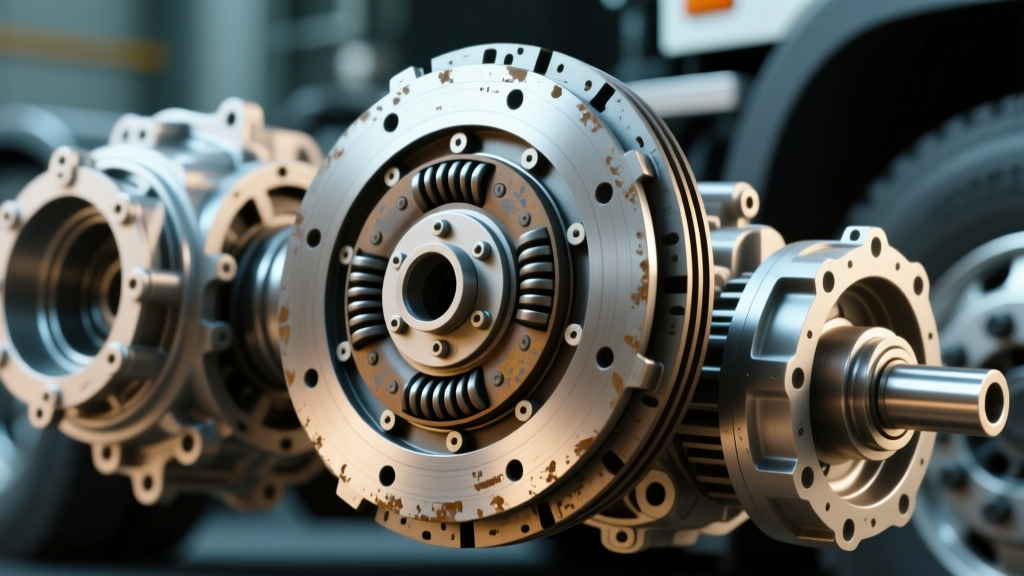
The Intersection of HVAC Clutches and Drivetrain Diagnostics
While AutogearNexus primarily focuses on transmission, torque converter, and manual clutch systems, modern vehicle diagnostics require a holistic view of engine load management. The ac compressor clutch relay is a prime example of an HVAC electrical component that frequently masquerades as a severe drivetrain fault. When this relay fails, it can cause parasitic engine load spikes, belt slip harmonics, and continuous compressor drag that perfectly mimics Torque Converter Clutch (TCC) shudder or manual clutch chatter.
In this 2026 buyer’s guide and failure analysis, we bridge the gap between HVAC electromagnetic clutches and drivetrain diagnostics. We will explore the root causes of relay and clutch coil failures, demonstrate how these failures trigger false transmission codes (like P0741 or P2763), and provide a comprehensive comparison of the best replacement relays on the market.
Root Cause Analysis: AC Compressor Clutch & Relay Failure Modes
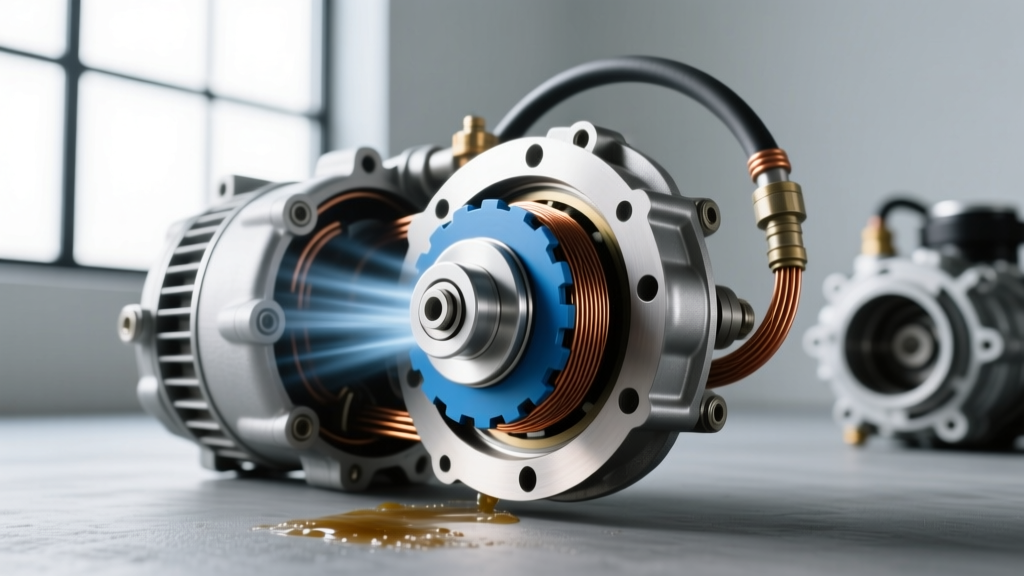
The electromagnetic clutch on an AC compressor (such as the ubiquitous Denso 447200 or Sanden SD7V16 series) relies on a precise magnetic field to engage the drive plate to the compressor snout. The relay is the gatekeeper of this circuit. Failure modes generally fall into three categories:
| Failure Mode | Root Cause | Resulting Symptom |
|---|---|---|
| Relay Contact Pitting | High inrush current arcing over thousands of cycles degrades the copper contacts on Pins 30 and 87. | Voltage drop across the relay. The clutch coil receives 9V instead of 12V, leading to weak engagement, micro-slipping, and belt squeal that transfers through the engine block, mimicking transmission bearing whine. |
| Relay Contact Welding | Severe arcing or a shorted clutch coil causes excessive amperage, melting the contacts together. | Continuous compressor engagement. Causes evaporator icing and massive parasitic drag (up to 8-12 HP) at highway speeds, severely affecting transmission shift logic. |
| Coil Thermal Degradation | Heat soak from the engine bay breaks down the enamel insulation on the clutch coil windings. | Increased resistance (above 5.0 ohms). The magnetic field weakens as the engine bay heats up, causing the clutch to drop out under high-load driving conditions. |
Drivetrain Overlap: When HVAC Clutches Mimic Transmission Faults
One of the most expensive misdiagnoses in modern automotive repair is blaming the transmission for an HVAC-induced load issue. Modern automatic transmissions, such as the GM 6L80/6L90 or the ZF 8HP, utilize highly sensitive Torque Converter Clutch (TCC) apply strategies. The Transmission Control Module (TCM) monitors engine torque and load to modulate TCC slip.
The False TCC Shudder Phenomenon
If an ac compressor clutch relay welds itself in the closed position, the compressor runs continuously. At highway speeds, the evaporator core freezes, and the compressor begins to pump against a blockage. This creates a massive parasitic load on the engine. When the TCM commands TCC lockup in 4th or 5th gear, the engine lugs due to the hidden HVAC drag. The TCM detects this shudder and commands the TCC to slip to protect the engine, often setting codes like P2763 (Torque Converter Clutch Pressure Control Solenoid Control Circuit High) or P0741 (TCC Stuck Off).
Technicians who fail to check the AC compressor clutch relay and data stream will often replace the torque converter or the entire transmission, only to have the shudder return. According to diagnostic frameworks published by Denso Global, monitoring AC pressure transducer data alongside TCC slip RPM is mandatory for isolating this exact failure mode.
2026 Buyer’s Guide: Top AC Compressor Clutch Relays Compared
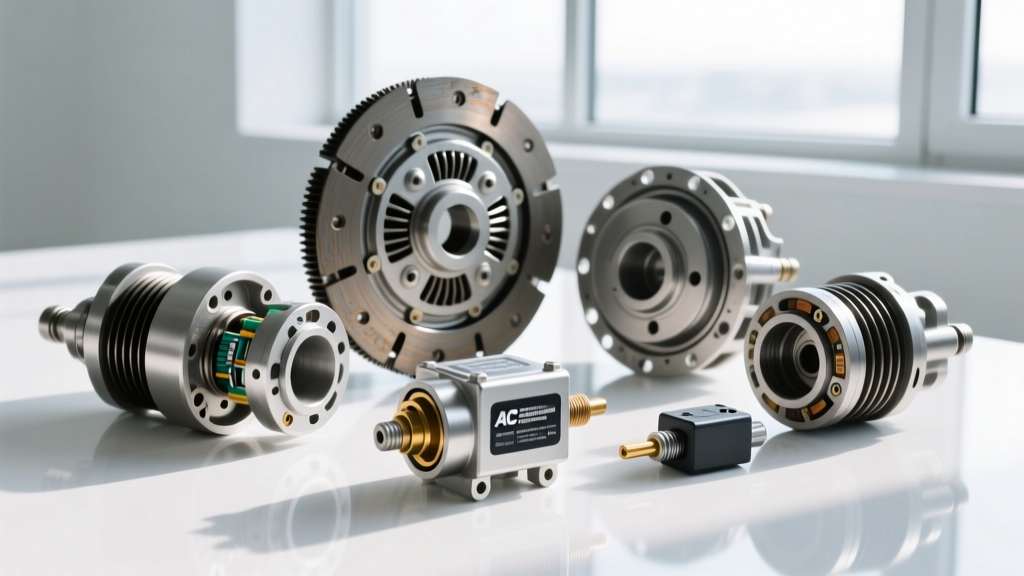
When replacing a faulty relay, the internal diode and contact material quality are paramount. Cheap relays use inferior copper alloys that pit within 10,000 cycles. Below is our comparison of the top-tier relays commonly used for AC compressor clutch circuits (specifically the ISO Mini format utilized by GM, Ford, and Chrysler).
| Brand | Part Number | Est. Price (2026) | Terminal Type | Best Application |
|---|---|---|---|---|
| Standard Motor Products (SMP) | RY-116 | $14.50 - $18.00 | Heavy-Duty Copper | GM Trucks/SUVs (Silverado, Tahoe) prone to high inrush currents. |
| ACDelco Professional | 15-50564 | $16.00 - $22.00 | OEM Spec Silver-Alloy | Direct OEM replacement for GM passenger cars (Malibu, Equinox). |
| Denso First Time Fit | 567-0001 | $12.00 - $15.00 | Standard Copper | Toyota, Honda, and Subaru applications utilizing Denso compressors. |
| Four Seasons | 36124 | $9.00 - $12.00 | Standard Copper | Budget fleet repairs; adequate but shorter lifespan under heavy towing. |
Note: Pricing reflects average retail rates found on major distributors like RockAuto and local jobbers in early 2026. Always verify pinout configurations (Pins 30, 87, 85, 86) before installation, as some European vehicles utilize reversed coil polarity diodes.
Precision Diagnostics & Torque Specifications
Diagnosing the ac compressor clutch relay and the associated electromagnetic clutch requires moving beyond simple visual inspections. Follow this precision diagnostic protocol to isolate the root cause of the failure.
Step 1: Voltage Drop and Coil Resistance Testing
- Relay Voltage Drop: With the engine running and AC on max, back-probe Pin 30 (Battery Feed) and Pin 87 (Clutch Feed). A voltage drop greater than 0.2V across the relay contacts indicates severe internal pitting. Replace the relay immediately.
- Clutch Coil Resistance: Disconnect the clutch connector and measure resistance across the coil terminals. A healthy 12V clutch coil should read between 3.0 and 5.0 ohms at 68°F (20°C). If the reading is below 2.5 ohms, the coil has an internal short (which likely caused the relay contacts to weld). If above 6.0 ohms, the coil is thermally degraded and will slip under load.
Step 2: Air Gap Verification and Adjustment
Even with a perfect relay and coil, an incorrect air gap will cause magnetic slip, generating heat that travels down the compressor snout and destroys the front shaft seal and bearing. This mechanical failure introduces metal debris into the system, but the initial symptom is often a rhythmic clicking or belt chatter that technicians mistake for a failing transmission input shaft bearing.
- Target Air Gap: 0.020" to 0.030" (0.5mm to 0.75mm).
- Measurement: Use a feeler gauge at three equidistant points around the clutch plate. If the gap exceeds 0.040", the electromagnetic force is insufficient to pull the plate in under high system pressure.
- Adjustment: Remove the central hub bolt. Use a clutch puller to remove the drive plate. Remove one or more internal shims to reduce the gap. Never force the plate down with the bolt, as this will preload the compressor snout bearing and cause catastrophic failure.
Step 3: Fastener Torque Specifications
When reinstalling the clutch hub after shimming, proper torque is critical to prevent the hub from walking off the splines or crushing the snout bearing. Refer to Gates Corporation belt drive and accessory service manuals for specific OEM data, but standard specifications for most Denso and Sanden M8x1.25 hub bolts dictate a torque of 11 to 15 Nm (8 to 11 lb-ft). Apply a medium-strength threadlocker (blue) to the bolt threads to prevent vibration-induced loosening, which can alter the air gap dynamically while driving.
Conclusion
The ac compressor clutch relay is a $15 component that can trigger a $3,000 misdiagnosis if the technician lacks a systemic understanding of engine load and drivetrain integration. By treating the HVAC electromagnetic clutch as an integral part of the vehicle's torque management system, verifying coil resistance, checking for relay contact voltage drop, and maintaining strict air gap tolerances, you can accurately diagnose the root cause of the failure. Whether you are tracking down a mysterious belt squeal or a phantom TCC shudder code in a ZF 8HP, always verify the AC clutch circuit before dropping the transmission pan.