The GM 8L90 Dilemma: Full Rebuild or Targeted Repair?
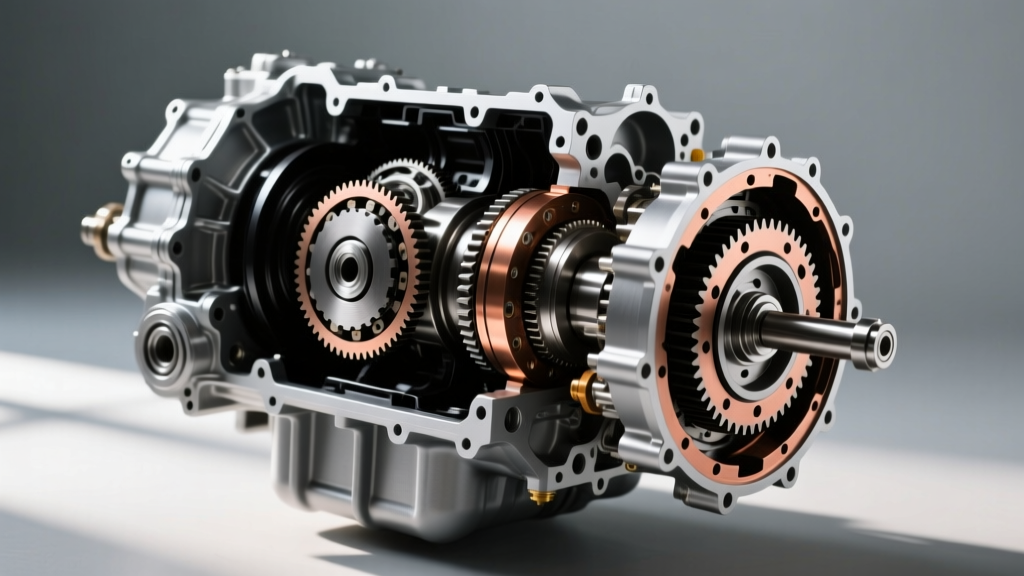
The GM 8L90 automatic transmission (RPO M5U for 6.2L gasoline V8s and M5N for Duramax diesels) represents a massive leap in shift speed and efficiency over its predecessor, the 6L80. Found in high-performance and heavy-duty applications like the Camaro ZL1, Corvette C7, Silverado 1500, and Colorado ZR2, the 8L90 utilizes a complex clutch-to-clutch shifting architecture and a highly pressurized mechatronic valve body. However, as these units age and accumulate mileage, owners and fleet managers are increasingly forced to confront a critical financial and mechanical crossroads: Is a full teardown necessary, or will a targeted repair suffice?
If you are experiencing the infamous '8-speed shudder,' harsh 1-2 shifts, or torque converter clutch (TCC) slip codes (like P0741 or P2763), understanding the true 8L90 transmission rebuild cost compared to localized repairs is essential. In this 2026 buyer's guide, we break down real-world pricing, mechanical failure points, and the diagnostic frameworks used by top-tier transmission specialists to determine the most cost-effective route for your vehicle.
Understanding 8L90 Failure Modes
Before discussing costs, it is vital to understand why the 8L90 fails. Unlike older transmissions that suffer from catastrophic gear or planetary failures, the 8L90's weaknesses are largely hydraulic and friction-based.
The 'Shudder' and TCC Degradation
The most common complaint is a vibration under light acceleration between 25 and 50 mph, often mistaken for an engine misfire. This is caused by the degradation of the original ACDelco Dexron ULV (Ultra Low Viscosity) fluid. As the fluid loses its shear stability, the torque converter clutch cannot maintain a steady micro-slip state, resulting in aggressive shudder. Over time, this shudder glazes the TCC friction material and scores the torque converter cover.
Valve Body and Solenoid Wear
The 8L90 valve body houses 10 distinct solenoids and intricate cast-aluminum hydraulic circuits. Debris from normal clutch wear circulates through the system, acting as lapping compound on the aluminum valve body bores. This leads to cross-leaking, delayed engagements, and harsh shifts. According to hydraulic experts at Sonnax, once the aluminum bore is scored, replacing the solenoid alone will not fix the issue; the entire valve body or specific hydraulic circuits must be addressed.
Breaking Down the 8L90 Transmission Rebuild Cost
If your 8L90 has suffered catastrophic internal damage, burnt clutch packs, or severe planetary gear wear, a full rebuild is mandatory. The 8L90 transmission rebuild cost in 2026 reflects the complexity of the unit, the requirement for specialized assembly tools, and the high cost of OEM or premium aftermarket friction materials.
| Component / Service | Estimated Cost (USD) | Notes & Part Specifics |
|---|---|---|
| Master Overhaul Kit (Seals, Gaskets, Rings) | $350 - $550 | Includes all O-rings, sealing rings, and paper gaskets. |
| Friction & Steel Clutch Packs | $450 - $700 | 8L90 uses 5 distinct clutch packs; OEM friction materials are mandatory for clutch-to-clutch timing. |
| Remanufactured Valve Body | $650 - $950 | Includes updated solenoids and reamed/sleeved hydraulic bores. |
| Billet / Remanufactured Torque Converter | $800 - $1,200 | Must include upgraded TCC lining and a new stator. |
| Labor (R&R, Teardown, Assembly) | $1,800 - $2,500 | Based on 14-18 hours of specialized labor at $130-$150/hr. |
| Machine Shop & Parts Washing | $250 - $450 | Case inspection, line-boring if required, and torque converter balancing. |
| Fluids & Consumables (Dexron ULV) | $150 - $200 | Requires ~11.2 quarts for a completely dry fill. |
| Total Estimated Rebuild Cost | $4,450 - $6,550 | Varies by region and shop overhead. |
Targeted Repair Costs: When a Rebuild is Overkill
A full rebuild is not always necessary. If the transmission's hard parts (gears, shafts, drums) are intact and the issue is isolated to the TCC or valve body, targeted repairs can save thousands of dollars. Here are the most common targeted repair scenarios for the 8L90.
Scenario A: The Software Update & Fluid Flush ($350 - $600)
If the shudder is caught early (under 60,000 miles) and there is no excessive TCC slip on a bi-directional scan tool, GM Technical Service Bulletins (available via GM TechConnect) often prescribe a complete fluid flush using a specific procedure, followed by a TCM (Transmission Control Module) reflash. The reflash alters the TCC apply strategy to be slightly more aggressive, preventing the micro-slip that causes the shudder. Note: Some independent shops substitute Mobil 1 LV ATF HP, which has shown excellent shear stability in the 8L90, though this may affect OEM warranty compliance.
Scenario B: Torque Converter & Fluid Replacement ($1,400 - $1,900)
If the shudder has persisted long enough to glaze the TCC material, but the rest of the transmission shifts perfectly, the unit must be dropped. The torque converter is replaced, the pan is cleaned, and the system is flushed. This stops the shudder without the need to disassemble the internal gear train or clutch packs.
Scenario C: Valve Body & Solenoid Pack Replacement ($1,600 - $2,300)
If the vehicle exhibits harsh shifts, flares between 3rd and 4th gear, or sets solenoid performance codes, but the TCC is operating normally, the valve body is the culprit. The 8L90 pan is removed, the old mechatronic unit is unbolted, and a pre-calibrated, remanufactured valve body is installed. This requires a TCM reset and adaptation learning drive, but avoids a full transmission extraction.
Comparative Decision Matrix: Repair vs. Rebuild
How do you choose? The Automatic Transmission Rebuilders Association (ATRA) recommends basing your decision on a combination of mileage, diagnostic data, and fluid condition. Use the matrix below to guide your 2026 repair strategy.
| Vehicle Mileage | Primary Symptoms | Fluid Condition | Recommended Action |
|---|---|---|---|
| Under 70k | Mild shudder under light load | Dark but no burnt smell | Fluid Flush + TCM Recalibration |
| 70k - 110k | Severe shudder, TCC slip codes | Burnt smell, heavy clutch debris in pan | Drop Trans: Replace Torque Converter & Flush |
| 110k - 150k | Harsh shifts, flares, solenoid codes | Metal flakes on drain plug magnet | Replace Valve Body & Inspect Thrust Bearings |
| 150k+ | Slipping gears, no reverse, limp mode | Black, smells severely burnt, heavy debris | Full 8L90 Rebuild or Remanufactured Exchange |
Critical Technical Specifications for the 8L90
Whether you are a DIY enthusiast tackling a valve body swap or a shop owner verifying builder specs, adhering to GM's precise tolerances is non-negotiable for the 8L90. The clutch-to-clutch timing relies on exact hydraulic pressures.
- Fluid Specification: ACDelco Dexron ULV (Ultra Low Viscosity). Do NOT use standard Dexron VI; the viscosity is too high and will cause immediate shift timing errors and overheating.
- Fluid Capacity: 11.2 Quarts (Dry Fill) / ~7.5 Quarts (Pan Drop and Filter Change).
- Transmission Pan Bolt Torque: 10 Nm (89 lb-in). The aluminum pan is prone to warping; use a criss-cross torque sequence.
- Valve Body to Case Bolt Torque: 11 Nm (97 lb-in) for M6 bolts. Over-torquing will distort the valve body casting and bind the internal spool valves.
- Output Flange Nut Torque: 285 Nm (210 lb-ft). Requires a specialized holding tool to prevent damage to the parking pawl mechanism.
Expert Insight: When reinstalling the 8L90 valve body, ensure the manual valve linkage is perfectly seated in the detent spring. A misaligned manual valve will result in a 'No Shift' condition or severe engagement shocks when moving from Park to Reverse, potentially damaging the low/reverse clutch pack immediately upon startup.
Final Verdict: Protecting Your Drivetrain Investment
The 8L90 transmission rebuild cost is a significant investment, often exceeding $5,000 when factoring in premium friction materials, a billet torque converter, and precision machine work. However, throwing money at a full rebuild when a simple fluid flush, TCM update, or targeted torque converter replacement would solve the issue is a waste of capital.
By utilizing bi-directional scan tools to monitor TCC slip RPMs, inspecting the transmission pan for specific types of debris (friction material vs. hard metal), and understanding the limitations of the Dexron ULV fluid, you can accurately diagnose the root cause of your 8-speed's ailments. Whether you opt for a localized valve body repair or a comprehensive master overhaul, ensuring your rebuilder adheres strictly to OEM torque specs and clutch clearances will guarantee your GM 8-speed performs flawlessly for the next 100,000 miles.