Understanding the GM 6L80: The Workhorse of the Highway
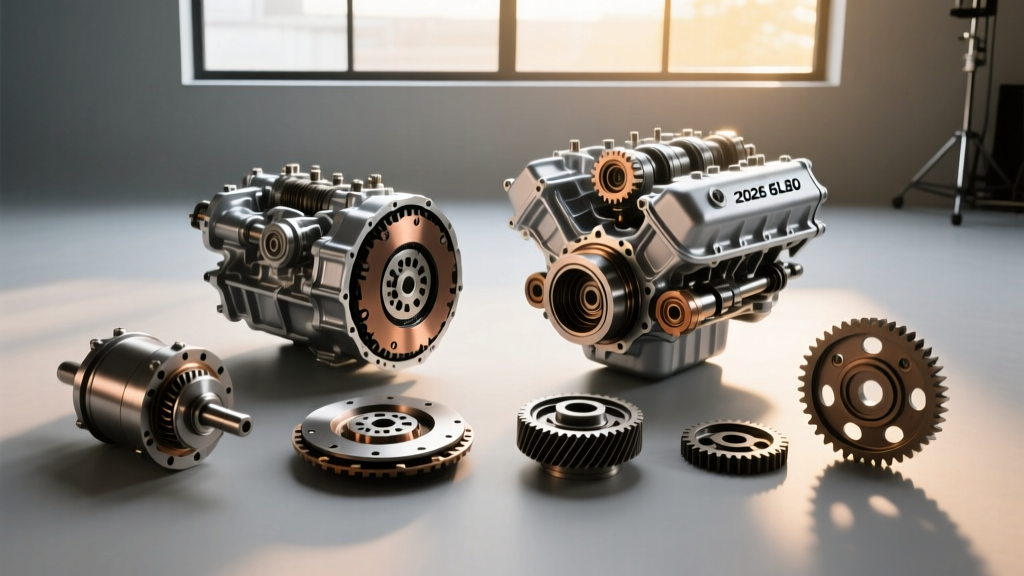
If you own a 2006-2019 GM truck or SUV—like a Chevrolet Silverado 1500, Tahoe, or GMC Yukon—there is a very high probability you are driving with a 6L80 transmission. Designed to handle the torque of GM’s legendary LS and LT V8 engines, the 6L80 is a robust six-speed automatic. However, no transmission is invincible. As these vehicles age and cross the 150,000-mile threshold, owners inevitably start searching for the 6L80 transmission rebuild cost to prepare for the worst.
For beginners, the world of transmission repair can feel like a minefield of jargon and hidden fees. Do you pay a shop for a full teardown? Do you buy a remanufactured unit? Or do you attempt a DIY rebuild in your garage? In this 2026 guide, we strip away the confusion and provide a transparent, data-driven breakdown of what it actually costs to save your 6L80, complete with real-world failure points and critical torque specs.
Top 3 Culprits Behind 6L80 Failures
Before discussing pricing, you must understand why your transmission is failing. The 6L80 has three well-documented weak points that dictate your rebuild parts list and overall cost.
1. The 3-5-R Clutch Wave Plate Disintegration
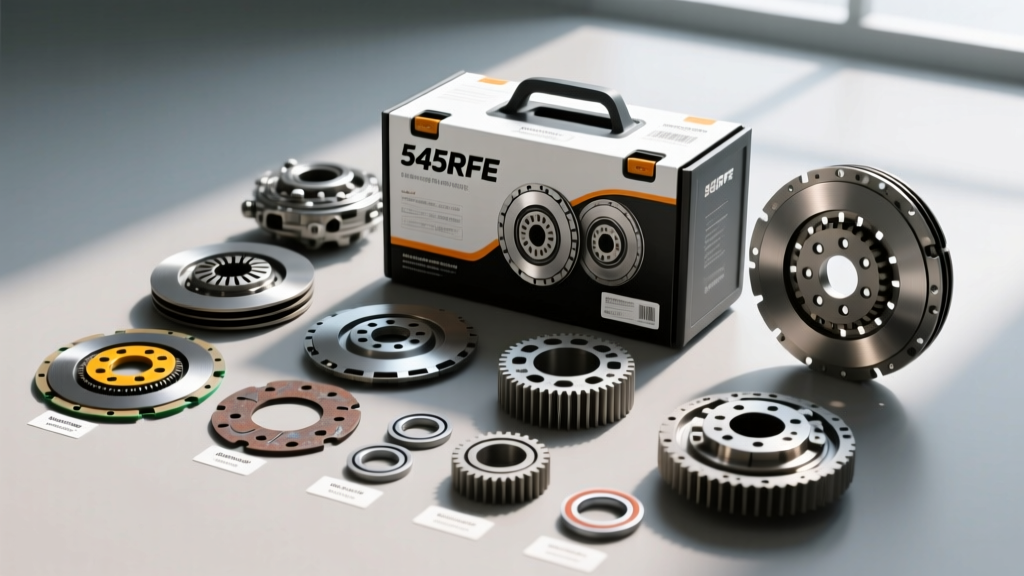
The most notorious 6L80 failure involves the 3-5-R (Reverse) clutch assembly. Over time, the factory stamped-steel wave plate fatigues and fractures. When it shatters, metal debris circulates through the transmission, destroying clutch packs and scoring the valve body. If your 6L80 has lost Reverse, 3rd, or 5th gear, or if your fluid looks like glittery grey paint, this wave plate has likely failed. A proper rebuild requires replacing this with an upgraded, thicker aftermarket wave plate or a specialized rebuild kit.
2. Pump Rotor and Slide Wear
The 6L80 utilizes a variable displacement vane pump. Due to the extreme pressures required to command the clutch packs, the pump slide and rotor can wear deeply into the aluminum pump housing. According to Sonnax Technical Resources, this wear causes a drop in line pressure, leading to delayed shifts and clutch slip. Rebuilding the pump with an oversized PR valve and a reinforced pump slide is mandatory for a lasting repair.
3. TEHCM (Transmission Electro-Hydraulic Control Module)
Unlike older transmissions with external solenoids and a separate TCM (Transmission Control Module), the 6L80 houses the valve body, solenoids, pressure switches, and the TCM all inside one unit bolted to the top of the valve body: the TEHCM. While mechanically robust, the internal pressure switches can crack, and the electronic board can suffer from heat-induced solder joint failures.
The Real 6L80 Transmission Rebuild Cost in 2026
Costs vary wildly based on your chosen repair route, local labor rates, and the extent of the internal damage. Below is a comprehensive breakdown of the three primary paths available to Silverado and Camaro owners today.
| Repair Route | Parts Cost | Labor / Service Cost | Total Estimated Cost | Typical Warranty |
|---|---|---|---|---|
| Professional Shop Rebuild | $800 - $1,400 | $1,800 - $2,500 | $2,600 - $3,900 | 1-3 Years / Unlimited Miles |
| Remanufactured Swap | $2,200 - $3,200 | $800 - $1,200 | $3,000 - $4,400 | 3 Years / 100,000 Miles |
| DIY Garage Rebuild | $600 - $1,100 | $0 (Plus Tooling) | $600 - $1,100 | None (Self-Warranty) |
Route 1: The Professional Shop Rebuild
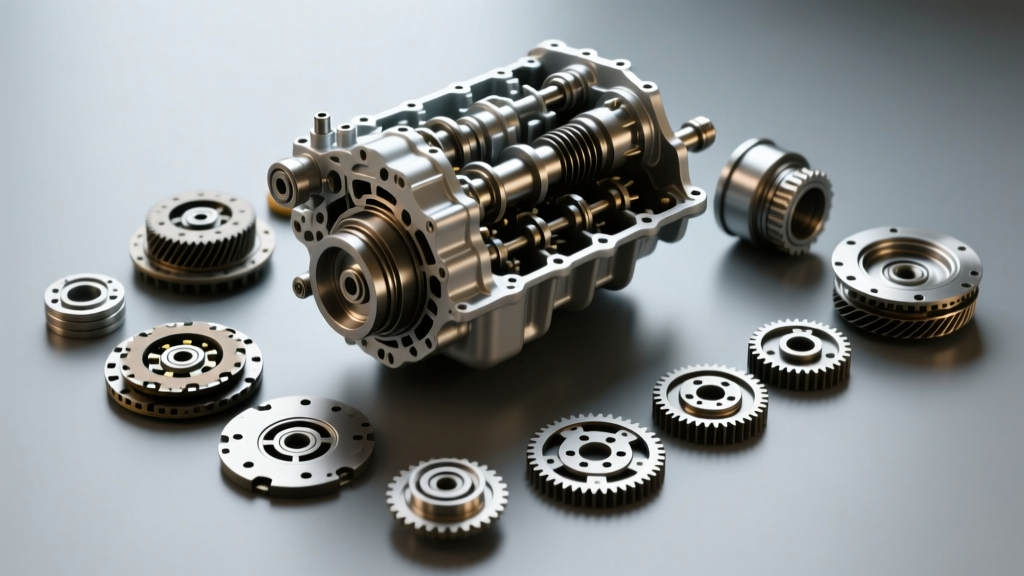
A professional rebuild involves pulling the transmission, completely disassembling it, hot-tank cleaning the case, and replacing all friction clutches, steels, seals, and the torque converter. Expect to pay between $2,600 and $3,900. The high labor cost reflects the 12 to 16 hours of skilled bench time required to measure clutch clearances and assemble the complex 6L80 gear train.
Route 2: The Remanufactured Swap
Buying a remanufactured 6L80 from a reputable builder (like Jasper or Powertrain Products) is the fastest route back to the road. The unit arrives on a pallet, pre-filled and dyno-tested. You simply swap it in. However, the upfront parts cost is steep ($2,200+), and you must pay a core charge (usually $500-$800) until you return your broken unit. Check the RockAuto Transmission Catalog for real-time pricing on remanufactured units and core policies.
Route 3: The DIY Garage Rebuild
For the mechanically inclined beginner, a DIY rebuild is highly rewarding and cost-effective. A premium Master Rebuild Kit (including all clutches, steels, gaskets, and seals) costs around $350-$500. Add $150 for a new torque converter and $100 for a heavy-duty 3-5-R wave plate upgrade. Your total out-of-pocket can be kept under $1,000, provided you don't need to replace the TEHCM or the aluminum case.
Crucial Specs: Fluids, Torques, and Clearances
If you are tackling the DIY route or simply want to verify your mechanic's competence, you must adhere to GM's exact specifications. The 6L80 is incredibly sensitive to improper clutch clearances and incorrect fluid types.
- Transmission Fluid: ACDelco DEXRON-VI Automatic Transmission Fluid. (Do NOT use Dexron III or generic 'multi-vehicle' fluids; the 6L80 friction materials require the specific friction modifiers in Dex-VI).
- Fluid Capacity: 11.2 Quarts (10.6 Liters) for a complete dry fill after a full rebuild and new torque converter.
- 3-5-R Clutch Clearance: 0.040" - 0.080" (1.0 - 2.0 mm). Measured with a feeler gauge and dial indicator.
- Bellhousing to Engine Block Torque: M12 bolts require 37 lb-ft (50 Nm).
- Transmission Pan Torque: 106 lb-in (12 Nm). Warning: These are small M6 bolts. Over-torquing will strip the aluminum case threads instantly.
- Valve Body to Case Torque: 89 lb-in (10 Nm) in the specific GM spiral sequence.
Pro-Tip for Beginners: Always replace the transmission filter during a rebuild. Unlike older GM transmissions where the filter simply pushes into the valve body, the 6L80 filter is sealed with an O-ring and secured by a bolt to the valve body. If the O-ring pinches during installation, the pump will suck air, resulting in a 'no-move' condition and immediate clutch burnout.
The Hidden Cost: TEHCM Programming
Here is the biggest trap for beginners researching the 6L80 transmission rebuild cost: The TEHCM must be programmed to the vehicle.
If your TEHCM is damaged and you buy a replacement, or if you are installing a remanufactured transmission with a new control module, the vehicle will not shift correctly—or even drive—until the module is flashed. The TEHCM contains the specific shift adapt values and solenoid calibration data for your exact VIN.
To program a 6L80 TEHCM, you need:
- A GM MDI2 (Multiple Diagnostic Interface) or a high-end aftermarket J2534 pass-through device.
- An active subscription to GM’s Techline Connect (TLC) or equivalent OEM software.
- A stable internet connection and a battery maintainer keeping the truck's voltage above 12.5V during the flash.
If you do not have this equipment, you will need to pay a mobile GM technician or a dealership to perform the 'Module Setup and Programming' procedure, which typically adds $150 to $250 to your final bill. Some aftermarket TEHCMs come pre-flashed with a base calibration, but they still require a 'Case Learn' and 'Adapt' procedure via an advanced bi-directional scan tool (like a Snap-on Zeus or Autel MaxiSys) to calibrate the clutch volumes.
Final Verdict: Should You Rebuild or Replace?
The decision ultimately comes down to your budget, timeline, and mechanical confidence. If your 6L80 suffered a catastrophic wave plate failure and metal has scored the aluminum case and valve body, a Remanufactured Swap is the safest bet to guarantee reliability for towing and daily driving. The upfront cost is higher, but the 3-year warranty provides peace of mind.
However, if you caught the issue early—perhaps noticing a slight shudder in 4th gear or a delayed 2-3 shift before the clutches burned up—a Professional Rebuild or a meticulous DIY Rebuild using upgraded components (like a Sonnax Zip Kit for the valve body and a reinforced 3-5-R wave plate) will yield a transmission that is arguably stronger than the one that left the GM factory. By understanding the true costs and mechanical realities of the 6L80, you can make an informed decision and keep your GM truck on the road for another 150,000 miles.