The 6L80 Thermal Bypass Valve: Function and Common Failures
The GM 6L80 (RPO MYC) and its heavy-duty sibling, the 6L90 (RPO MYD), are formidable 6-speed automatic transmissions found in everything from the C6 Corvette to the Silverado 2500HD. However, as of 2026, heat remains the absolute nemesis of this platform. The Transmission Electro-Hydraulic Control Module (TEHCM) relies heavily on the Transmission Fluid Temperature (TFT) sensor to adjust line pressure and shift timing. When fluid temperatures exceed 225°F, the Dexron VI fluid begins to oxidize, leading to the infamous 3-5-R and 4-5-6 clutch pack failures.
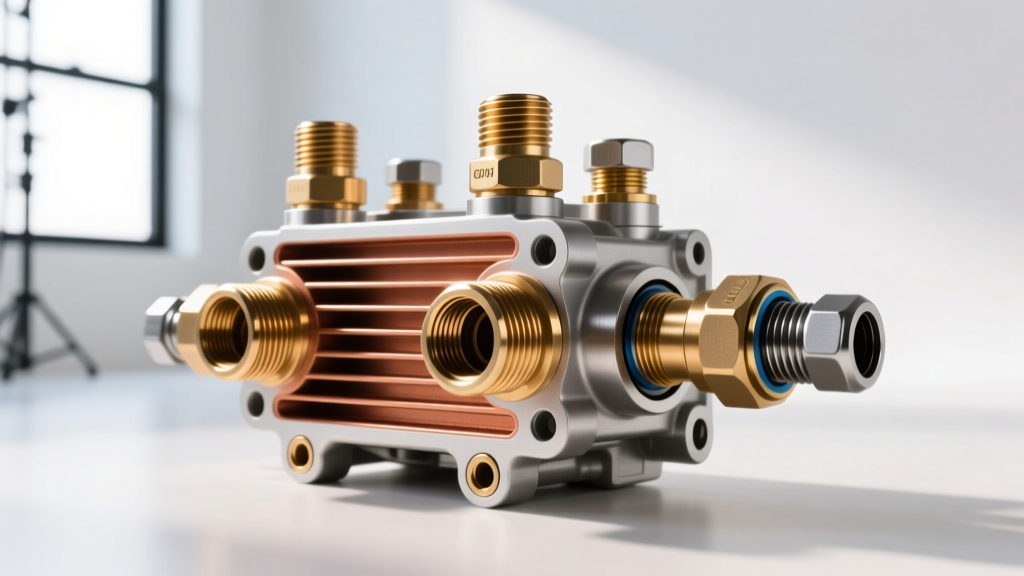
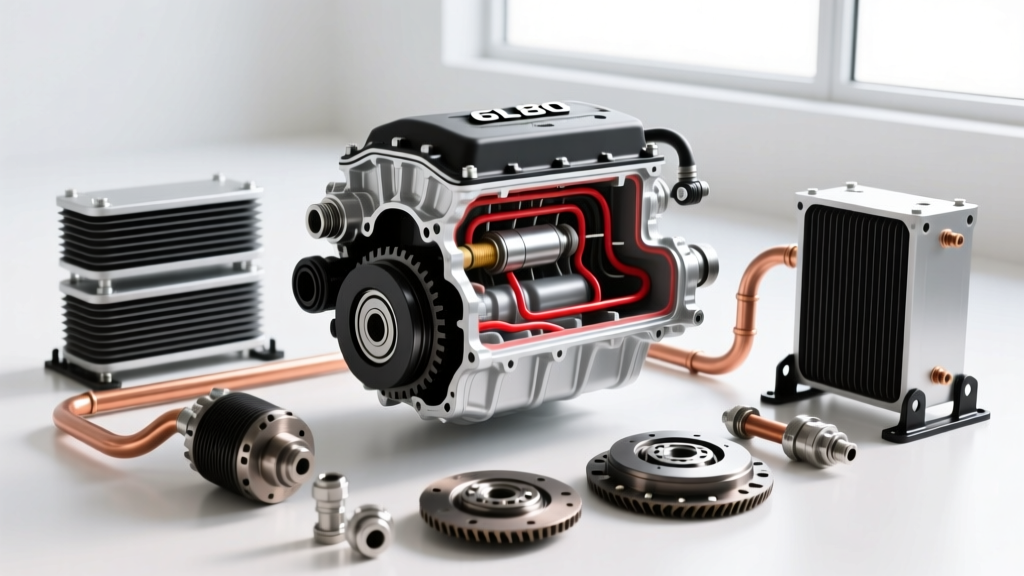
To combat cold-start emissions and improve cabin heater performance in winter, GM engineered a thermal bypass valve (TBV) into the 6L80 cooler circuit. Typically located in the transmission case quick-connect fittings or integrated into the radiator's auxiliary cooler loop, this valve restricts fluid flow to the external cooler until the fluid reaches approximately 185°F (85°C).
Why the GM 6L80 Bypass Valve Fails
The bypass valve utilizes a wax-pellet or spring-loaded piston mechanism. Over time, thermal cycling and microscopic clutch debris cause the valve to stick. According to Sonnax Technical Resources, thermal bypass valve stiction is a leading cause of unexplained transmission overheating. If the valve sticks closed, the fluid is entirely starved of cooling, resulting in rapid temperature spikes during highway driving or towing. If it sticks open, the transmission struggles to reach optimal operating temperature, causing sluggish shifts and moisture accumulation in the fluid.
Bypass Valve Delete vs. Retention: What’s Best for Your Build?
Deciding whether to retain the factory thermal management or execute a 6L80 transmission cooler bypass delete depends entirely on your vehicle's duty cycle.
Expert Note: If your 6L80-equipped vehicle is a daily driver in sub-freezing climates (e.g., Alaska, Northern Canada), retaining the thermal bypass valve is recommended to prevent delayed warm-ups and torque converter shudder. However, for dedicated towing, off-road use, or high-horsepower swaps in moderate-to-hot climates, deleting the bypass valve and forcing 100% continuous cooler flow is the industry standard for longevity.
Deleting the valve ensures that the moment the transmission pump generates pressure, fluid is immediately routed through the auxiliary cooler. This prevents the dangerous 230°F+ spikes that occur when a failing factory valve hesitates to open under heavy load.
Selecting the Right Auxiliary Cooler for a 6L80 Setup
Once you commit to a bypass delete, selecting the correct transmission cooler type is critical. The 6L80 requires a high-flow cooler to maintain adequate lubrication to the rear planetary gearset and the TEHCM. Restricting flow with an undersized or poorly designed cooler will trigger the P0218 (Transmission Over Temperature) code and force the ECU into limp mode.
Cooler Types Compared: Plate-and-Fin vs. Stacked-Plate
When evaluating transmission cooler types and selection for the 6L80, you will encounter three primary designs. Tube-and-fin coolers are obsolete for this application due to their poor thermal transfer and high restriction. The real choice is between plate-and-fin and stacked-plate architectures.
| Cooler Type | Thermal Efficiency | Pressure Drop (Restriction) | Avg. Cost (2026) | 6L80 Suitability |
|---|---|---|---|---|
| Tube-and-Fin | Low | High | $35 - $55 | Poor (Avoid) |
| Plate-and-Fin | Medium-High | Moderate | $60 - $90 | Good (Light Duty) |
| Stacked-Plate | Exceptional | Very Low | $110 - $180 | Excellent (Towing/Swap) |
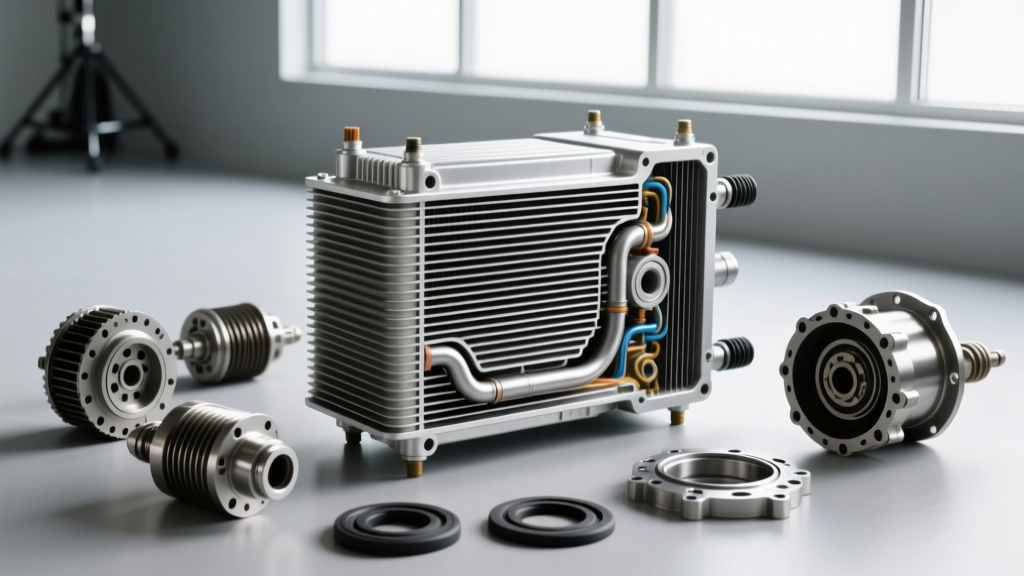
As detailed in the Mishimoto Tech Center, stacked-plate coolers utilize a series of corrugated aluminum plates brazed together. This design creates a massive surface area for ambient air to cross while allowing the transmission fluid to flow through wide, unrestrictive horizontal channels. For a 6L80 pushing 800+ lb-ft of torque or towing 10,000 lbs, a stacked-plate cooler (such as the Derale Series 9000 or Mishimoto MMTC-U) is mandatory to keep pressure drop below 5 PSI at 2,000 RPM.
Step-by-Step: Deleting the 6L80 Thermal Bypass
Performing the 6L80 transmission cooler bypass delete requires dropping the transmission pan, as the internal filter must be replaced while the system is drained, and the external line fittings must be swapped.
Required Tools and Parts
- Filter Kit: ACDelco 24236933 (Includes filter, seal, and pan gasket)
- Bypass Delete Fittings: 5/8"-18 O-Ring Boss (ORB) to AN6 male adapters (often sold as ICT Billet or Sonnax delete kits)
- Fluid: 7-8 Quarts of Dexron VI (e.g., Mobil 1 Synthetic ATF)
- AN6 Hoses and Fittings: To route from the new delete adapters to the stacked-plate cooler
- Torque Wrench: Capable of measuring inch-pounds and foot-pounds
Execution and Torque Specs
- Drain and Drop: Remove the 16 pan bolts (8mm). Note that the 6L80 pan has no drain plug. Clean the pan and the magnet thoroughly; excessive clutch material indicates existing heat damage.
- Replace Filter: Pull the factory filter straight down from the valve body. Lubricate the O-ring on the new ACDelco 24236933 filter with fresh Dexron VI and push it firmly into the valve body bore until it seats.
- Remove Factory Quick-Connects: Locate the two cooler line fittings on the passenger side of the transmission case. Use a backup wrench to remove the factory quick-connect fittings containing the thermal bypass valve.
- Install Delete Fittings: Thread the 5/8"-18 ORB to AN6 delete adapters into the case. Critical Torque Spec: Tighten the case fittings to exactly 27 Nm (20 lb-ft). Over-tightening will crack the aluminum case or crush the internal cooler feed tubes.
- Route Lines: Connect your AN6 stainless steel or high-temp rubber lines to the adapters. Route to your front-mounted stacked-plate cooler, ensuring lines are zip-tied away from the exhaust crossover.
- Reinstall Pan: Install the new gasket and pan. Torque the 16 pan bolts in a crisscross pattern to 9 Nm (80 lb-in). Do not overtighten, or the aluminum pan will warp and leak.
Fluid Selection and Post-Install Verification
The 6L80's tight clearances and TEHCM solenoid demands require strict adherence to fluid specifications. Never use older Dexron III or generic "multi-vehicle" ATFs. Dexron VI is a highly engineered, low-viscosity synthetic blend designed specifically for GM's 6-speed clutch apply rates.
After completing the bypass delete and filling the system with 6 to 7 quarts of Dexron VI (checking the level via the side-plug at operating temperature), you must verify the thermal dynamics of your new setup.
Real-World Temperature Targets
According to Transmission Digest, modern synthetic ATFs begin rapid oxidation at 225°F. With the thermal bypass deleted and a high-flow stacked-plate cooler installed, your target temperature window should be:
- Highway Cruising (Unloaded): 140°F - 165°F
- City Driving / Stop-and-Go: 160°F - 185°F
- Heavy Towing / Mountain Grades: 185°F - 205°F
If your TFT sensor reads above 210°F while towing, evaluate your cooler placement. The stacked-plate cooler must be mounted in front of the A/C condenser and radiator to receive unobstructed ambient airflow. By eliminating the restrictive and failure-prone thermal bypass valve and upgrading to a modern stacked-plate cooler, your 6L80 will maintain optimal line pressure, crisp shift times, and clutch pack integrity for hundreds of thousands of miles.