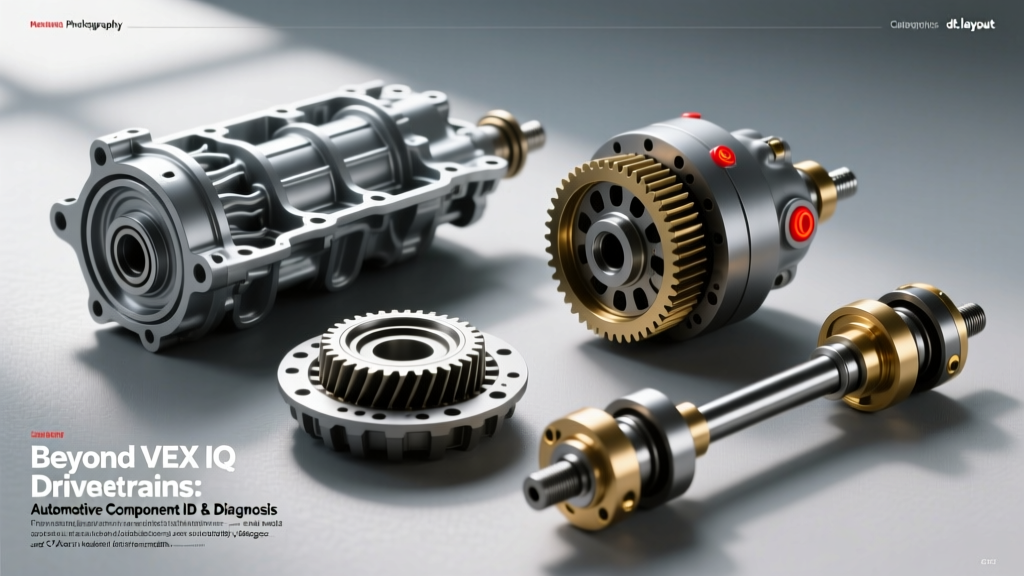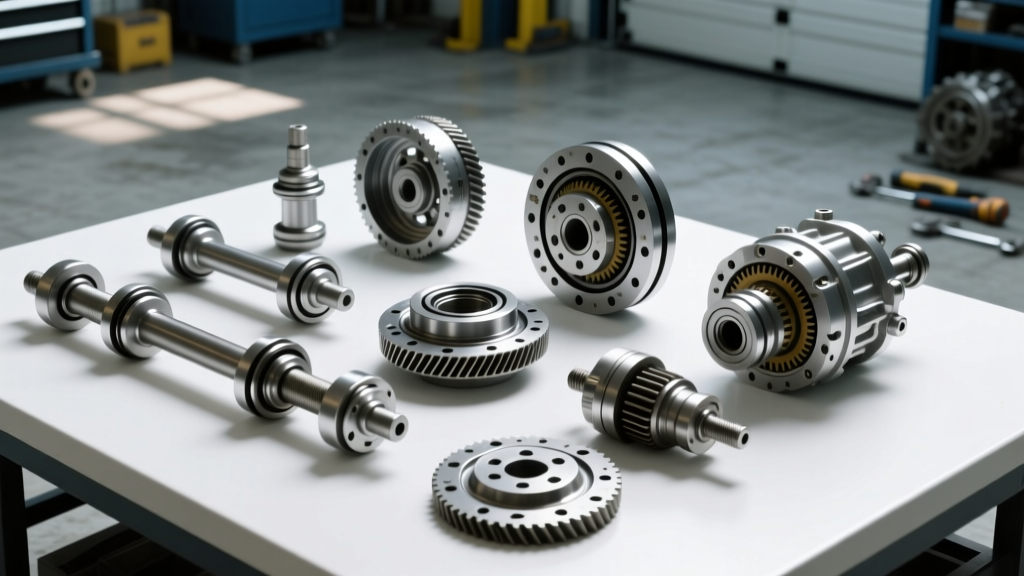
The Core Mechanical Divide: 4WD vs AWD Architectures
When enthusiasts and daily drivers alike discuss traction, the terms 4WD (Four-Wheel Drive) and AWD (All-Wheel Drive) are frequently—and incorrectly—used interchangeably. However, from a drivetrain engineering perspective, the distinction is vast, particularly when diagnosing complex electronic failures. Understanding these mechanical differences is the first step in avoiding catastrophic repair bills, especially when dealing with sophisticated European systems where the bmw drivetrain malfunction repair cost can easily exceed $4,000 if neglected.
Traditional 4WD: Locking Hubs and Gear-Driven Transfer Cases
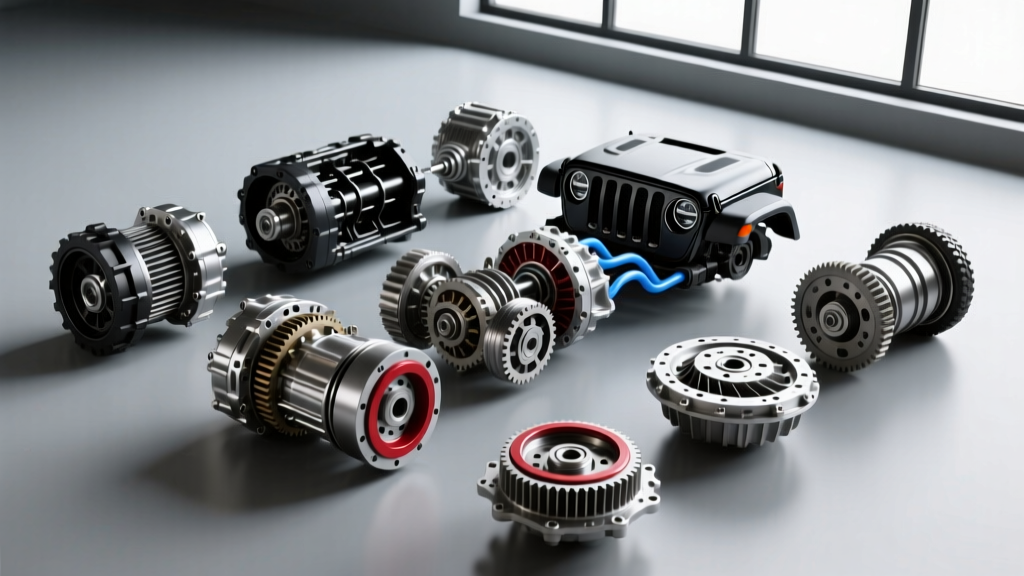
Traditional 4WD systems, found in trucks like the Jeep Wrangler or Toyota Tacoma, utilize a transfer case (such as the NV241 or NP205) that mechanically locks the front and rear output shafts together. This creates a fixed 50/50 torque split. Because there is no center differential to allow for speed differences between the front and rear axles during cornering, engaging 4WD on dry pavement causes driveline binding, hop, and eventual component failure. These systems are robust, gear-driven, and primarily mechanical, meaning they rarely trigger complex ECU limp-mode warnings unless a physical gear shatters or a vacuum actuator fails.
Modern AWD: Clutch-Pack Vectoring and the BMW xDrive System
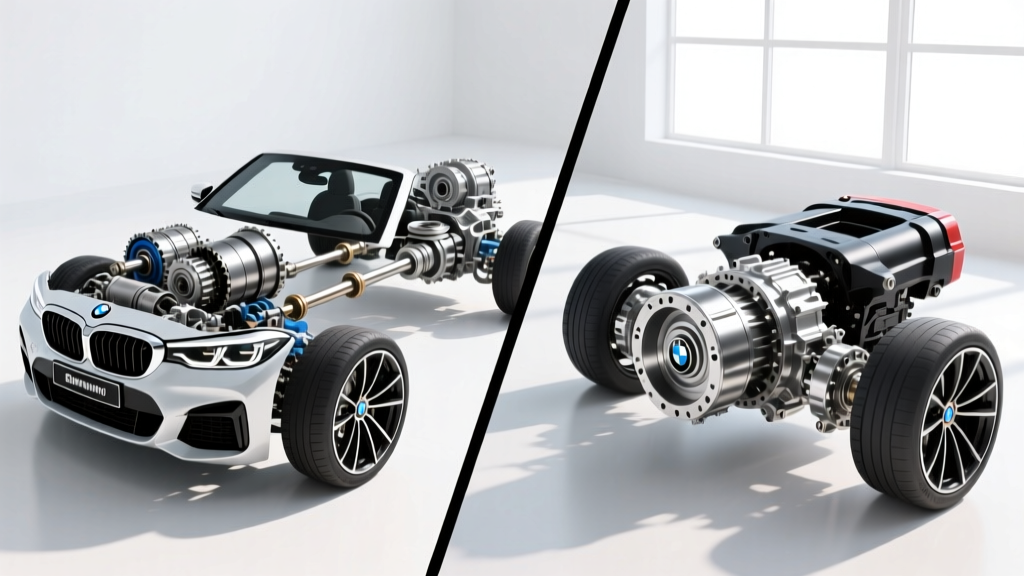
All-Wheel Drive, conversely, is designed for full-time operation on all surfaces. Modern AWD systems rely on a center differential or an electronically controlled wet-clutch pack to continuously vary torque distribution. BMW’s xDrive system is a masterclass in this architecture. Instead of a fixed gear lock, xDrive uses an Active Transfer Case (ATC) featuring a multi-plate wet clutch operated by a high-speed servo motor and a ball-and-ramp mechanism. This allows the ECU to shift torque from 0% to 100% between the front and rear axles in milliseconds, working in tandem with the DSC (Dynamic Stability Control) module to vector power based on individual wheel slip.
The Infamous 'Drivetrain Malfunction' Warning in BMW AWD Systems
While traditional 4WD fails with a loud mechanical clunk, modern AWD systems fail with a dashboard warning. BMW owners are notoriously plagued by the sudden appearance of the 'Drivetrain Malfunction: Drive Moderately' or '4x4 System Failure' warnings. When the ECU detects a discrepancy between the commanded clutch pressure in the transfer case and the actual rotational speed of the front/rear driveshafts, it triggers a limp mode to protect the ZF 8HP transmission and the transfer case internals.
Expert Insight: The 'Drivetrain Malfunction' warning is not a single mechanical failure; it is a protective umbrella code. It can be triggered by a failing wheel speed sensor, a degraded transfer case fluid, or a leaking mechatronic sealing sleeve in the transmission. Accurate diagnosis via BMW ISTA software is mandatory before throwing parts at the car.
Root Cause 1: The xDrive Transfer Case Actuator Gear
The most common mechanical culprit behind the 54C6 (VTG internal mechanical fault) code is the wear of a small plastic gear inside the transfer case actuator motor. Over time, the ball-and-ramp mechanism requires more torque to compress the wet clutch plates as the fluid degrades and clutch material wears. This extra load strips the teeth off the plastic actuator gear. The ECU can no longer calibrate the clutch position, resulting in an immediate drivetrain malfunction warning.
Root Cause 2: ZF 8HP Mechatronic Sleeve Leaks
BMW’s xDrive is bolted directly to the legendary ZF 8HP automatic transmission. The transfer case relies on hydraulic pressure and precise RPM data from the transmission. A known failure point on the ZF 8HP45, 8HP50, and 8HP70 models is the mechatronic sealing sleeve (the electrical pass-through connector on the side of the transmission case). When the rubber O-rings on this sleeve flatten and leak, transmission fluid escapes, line pressure drops, and the ECU triggers a drivetrain malfunction to prevent clutch pack burnout.
Breaking Down the BMW Drivetrain Malfunction Repair Cost
When owners search for the bmw drivetrain malfunction repair cost, they are often met with terrifying forum anecdotes of $5,000+ dealership quotes. Dealerships often default to replacing entire assemblies rather than repairing sub-components. As of 2026, with dealership labor rates averaging $195 to $240 per hour, assembly-level replacements are financially devastating. However, independent specialists who understand the granular mechanics can resolve these issues for a fraction of the cost.
| Component / Failure Point | OEM Part Number | Part Cost (Approx.) | Independent Labor | Total Repair Cost |
|---|---|---|---|---|
| Transfer Case Actuator Gear (Plastic) | Aftermarket Brass/Steel Upgrade | $45 - $80 | $300 - $450 | $345 - $530 |
| Full VTG Actuator Motor Assembly | 27107546671 (Varies by Chassis) | $800 - $1,200 | $300 - $450 | $1,100 - $1,650 |
| ZF 8HP Mechatronic Sealing Sleeve | 24347588725 | $35 - $50 | $400 - $600 | $435 - $650 |
| Complete Transfer Case Replacement | Remanufactured VTG Unit | $2,500 - $3,500 | $800 - $1,200 | $3,300 - $4,700 |
As the table illustrates, replacing a stripped plastic gear with a machined brass replacement or swapping a $40 sealing sleeve can completely clear the drivetrain malfunction code, saving thousands of dollars compared to a full transfer case or transmission replacement.
Preventive Maintenance Protocol: Saving Thousands
The root cause of nearly all xDrive and ZF 8HP failures is fluid degradation. BMW historically labeled many of these fluids as 'lifetime,' a term that automotive engineers universally translate to 'the lifetime of the warranty.' To protect your drivetrain and avoid the dreaded malfunction codes, adhere to the following severe-service maintenance schedule.
1. Transfer Case (VTG) Fluid Service
The wet clutch packs inside the ATC transfer case generate immense heat and shear forces. As the fluid degrades, it loses its friction-modifying properties, leading to clutch shudder, actuator gear strain, and eventual failure.
- Fluid Specification: BMW TF 0870 (Part # 83220309031). Do not substitute with generic ATF.
- Capacity: Approximately 0.6 Liters (varies slightly between F-Series and G-Series chassis).
- Service Interval: Every 40,000 to 50,000 miles.
- Torque Specs: Drain and fill plugs must be torqued to exactly 25 Nm (18 lb-ft). Over-torquing will crack the aluminum casing.
- Calibration: After a fluid change, the transfer case adaptation values must be reset using a bi-directional scan tool (like ISTA, INPA, or a high-end Autel/Snap-on scanner) to recalibrate the clutch bite point.
2. ZF 8HP Transmission Fluid & Filter Service
The ZF 8HP transmission relies on clean fluid for both hydraulic actuation and cooling. Sludge buildup in the valve body solenoids causes delayed shifts, mechatronic pressure leaks, and secondary drivetrain malfunction codes.
- Fluid Specification: ZF LifeguardFluid 8 (Part # ZF-1071.298.97).
- Filter Note: The transmission filter is integrated into the plastic transmission oil pan. You must replace the entire pan assembly (Part # 24118612878 for most 8HP models) which includes the filter and new pan bolts.
- Capacity: Dry fill is ~8.5L, but a standard drain-and-fill yields approximately 4.0L to 5.0L.
- Service Interval: Every 60,000 miles.
- Torque Specs: The aluminum pan bolts are incredibly sensitive. Torque to 10 Nm (7 lb-ft) in a crisscross pattern. Stripping a bolt in the aluminum transmission casing requires a helicoil repair that necessitates transmission removal.
- Fill Procedure: Fluid must be filled while the transmission is running, with the fluid temperature strictly between 30°C and 50°C (verified via OBD2 live data).
Expert Verdict
The debate between 4WD and AWD ultimately comes down to intended use: mechanical locking for off-road rock crawling versus electronic torque vectoring for high-speed all-weather traction. BMW’s xDrive system represents the pinnacle of AWD engineering, but its reliance on precision hydraulics and electronic calibration makes it highly susceptible to maintenance neglect. By ignoring the 'lifetime' fluid myth and proactively servicing your transfer case and ZF 8HP transmission, you maintain the system's integrity and entirely sidestep the exorbitant bmw drivetrain malfunction repair cost that plagues uninformed owners.