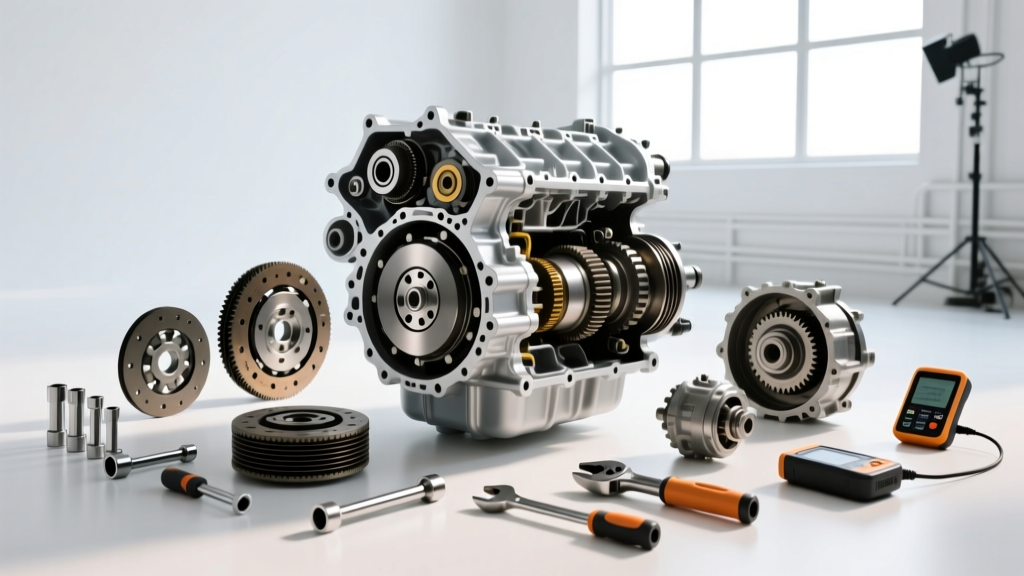
The 4L60E Legacy and the Western New York Climate Factor
The General Motors 4L60E (and its slightly beefier successors, the 4L65E and 4L70E) remains one of the most prolific automatic transmissions ever engineered. Found in millions of GMT800 and GMT900 Silverados, Sierra trucks, Camaros, Corvettes, and Tahoes, this four-speed overwork unit is a staple of the American road. However, operating a 4L60E in Western New York presents a unique set of challenges. The combination of aggressive road salt, sub-freezing temperatures, and the stop-and-go strain of snow plowing accelerates wear on internal seals, torque converters, and clutch packs.
If your GM truck or performance car is exhibiting delayed engagements, slipping in third gear, or a catastrophic loss of reverse, you are likely facing a teardown. For local drivers, finding a qualified transmission rebuild service Buffalo mechanics trust is critical to ensuring your vehicle survives the next harsh winter. This comprehensive 2026 guide breaks down the exact costs, common failure points, and mandatory upgrades required to build a 4L60E that outlasts the factory unit.
Sourcing a Transmission Rebuild Service in Buffalo: 2026 Market Rates
The Erie County automotive repair market has seen steady labor rate increases over the past few years. When evaluating a transmission rebuild service Buffalo shops typically charge between $125 and $155 per hour for specialized drivetrain work in 2026. A proper 4L60E rebuild is not a simple swap; it requires meticulous bench time, precision measuring, and dyno testing.
Typical Local Cost Breakdown
- Remove & Replace (R&R) Labor: 5.5 to 7.0 hours (approx. $750 - $1,085)
- Bench Rebuild Labor: 8.0 to 12.0 hours (approx. $1,000 - $1,860)
- Master Rebuild Kit (Frictions, Steels, Seals): $180 - $320
- Hard Parts & Upgrades (Sun shell, Boost Valve, Converter): $450 - $850
- Machine Shop Services (Valve body boring, Case sleeving): $150 - $300
Total Estimated Professional Rebuild Cost: $2,530 to $4,415.
Expert Insight: Beware of 'budget' rebuilds quoted under $1,800. These often reuse the factory powdered-metal sun shell and cheap, overseas friction plates that will burn up within 15,000 miles under heavy towing or plow loads.
Anatomy of a 4L60E Failure: What Actually Breaks?
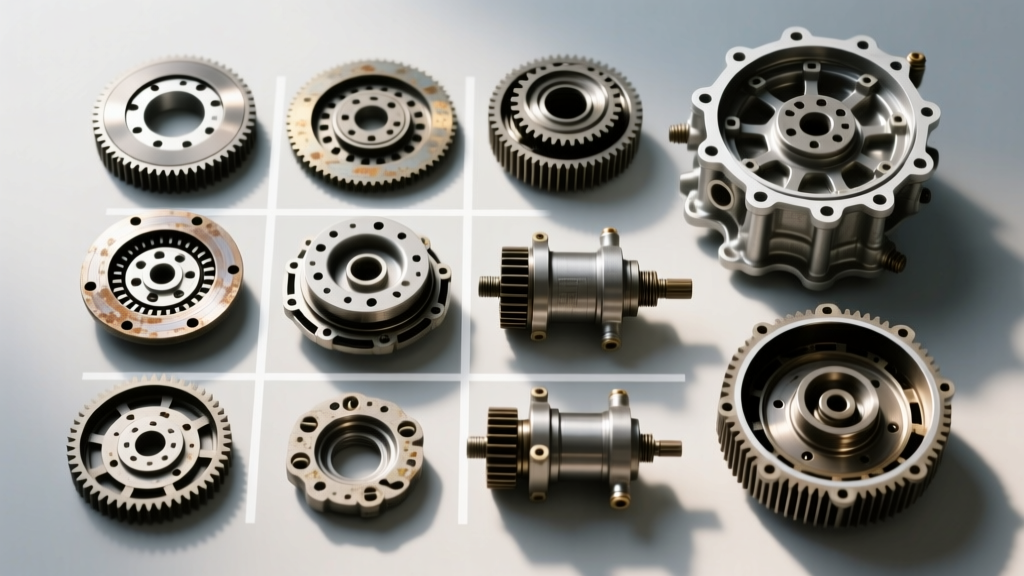
Before handing over your keys or pulling the transmission in your garage, you must understand the inherent weak points of the 4L60E platform. Decades of teardowns have revealed three primary failure modes that any reputable rebuilder must address.
1. The Infamous Sun Shell Stripping
The sun shell connects the sun gear to the 4th gear clutch housing. GM utilized a stamped powdered-metal design that is notorious for stripping its splines. When the sun shell fails, the transmission instantly loses 2nd, 3rd, and 4th gears, leaving you with only Reverse and 1st. According to drivetrain specialists at Sonnax Industries, replacing the OEM shell with a hardened steel, laser-cut alternative like the Smart-Tech series is non-negotiable for any rebuilt 4L60E.
2. The 3-4 Clutch Pack Burnout
The 3-4 clutch pack is the most abused assembly in the transmission. Because it is located at the rear of the case, it often suffers from inadequate apply oil volume and poor cooling. When the 3-4 accumulator piston bore wears out in the aluminum case, oil pressure bleeds off, causing the clutches to slip and glaze over. A proper rebuild requires reaming the accumulator bore and installing a sleeved, anodized piston to restore hydraulic integrity.
3. Pump Boost Valve and Line Pressure Loss
The transmission oil pump houses a boost valve that regulates line pressure based on throttle input and gear selection. Over time, the oscillating steel valve wears out the aluminum pump bore. This results in low line pressure, leading to soft shifts and eventual clutch failure. Installing a sleeved boost valve kit restores factory hydraulic pressure and ensures firm, commanding shifts.
The Rebuild Kit: OEM vs. Heavy-Duty Upgrades
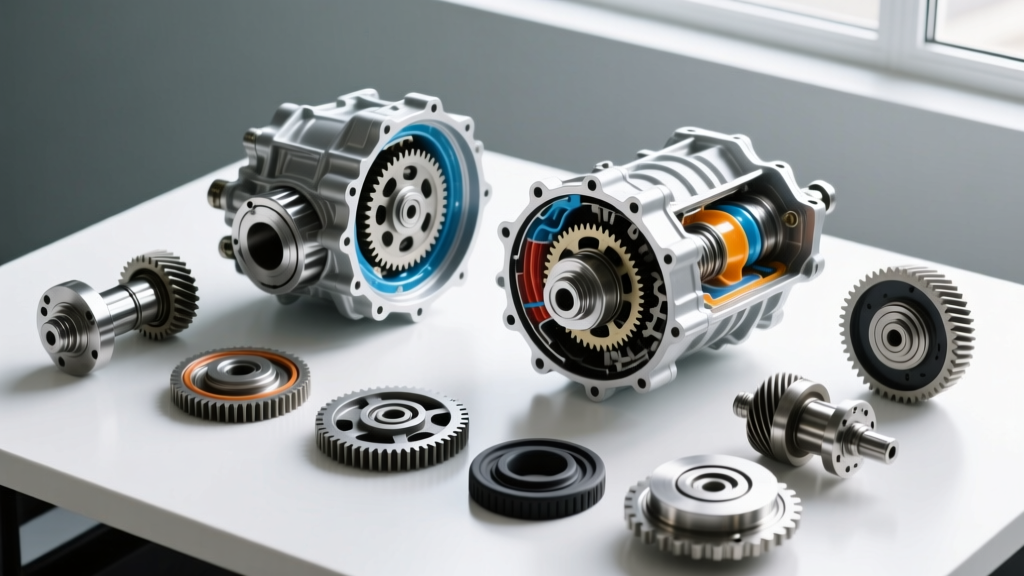
Whether you are sourcing parts from Summit Racing or your local jobber, choosing the right components dictates the lifespan of the unit. Below is a comparison of standard OEM replacements versus the heavy-duty upgrades we mandate for Western NY trucks and performance vehicles.
| Component | OEM Replacement | Heavy-Duty Upgrade (Recommended) | Performance Benefit |
|---|---|---|---|
| Sun Shell | $45 (Powdered Metal) | $135 (Sonnax Smart-Tech Hardened) | Eliminates spline stripping; handles 500+ lb-ft torque. |
| 3-4 Clutches | $35 (Standard Paper) | $85 (Raybestos Z-Pak / Alto Red Eagle) | High-energy friction material resists thermal glazing. |
| 4th Gear Servo | $25 (Standard GM) | $45 (Corvette Servo - GM 24232902) | Increases apply area for firmer 1-2 and 3-4 shifts. |
| Pump Boost Valve | $15 (OEM Steel) | $65 (Sonnax Sleeved Kit) | Prevents bore wear; maintains stable line pressure. |
| Torque Converter | $180 (Standard Lockup) | $380 (Billet Cover / Furnace Brazed) | Prevents cover flex and TCC shudder under heavy loads. |
Critical Torque Specifications and Clearances
The 4L60E is highly sensitive to fastener torque and internal clearances. Overtightening the valve body can warp the aluminum casting, causing cross-leaks and binding valves. Conversely, incorrect endplay will destroy the thrust bearings within the first hundred miles. Keep this cheat sheet on your bench:
- Valve Body to Case Bolts: 97 in-lbs (11 Nm). Never use a standard 1/2-inch drive torque wrench; use a 1/4-inch drive inch-pound wrench.
- Oil Pump to Case Bolts: 15 ft-lbs (20 Nm).
- Bellhousing to Engine Block: 35 ft-lbs (47 Nm).
- Torque Converter to Flexplate: 35 ft-lbs (47 Nm) with blue Loctite. Ensure the converter is fully seated (three distinct 'clicks' feeling the pump gears and stator support) before pulling it tight to the flexplate, or you will crack the pump housing.
- Total Endplay Clearance: 0.010" to 0.025". Measured using a dial indicator on the input shaft. Selective thrust washers are available to adjust this.
Fluid Fill, Cooling, and Post-Rebuild Protocol
GM officially retired Dexron III decades ago. For a 2026 rebuild, you must use Dexron VI synthetic blend or full synthetic ATF, which offers vastly superior shear stability and oxidation resistance. The 4L60E system holds approximately 11.2 quarts when completely dry (including the torque converter and cooler lines).
However, the most critical step often overlooked by amateur mechanics is the cooling system flush. If your previous transmission suffered a clutch burnout, the steel cooler lines and the radiator-integrated transmission cooler are packed with metallic debris and friction material. Failing to flush the cooler with a dedicated pulsating flush machine will immediately contaminate your newly rebuilt unit, causing the new solenoids to stick and the new clutches to score.
After installation, start the engine, cycle the shifter through all gears while holding the brake, and check the fluid level with the engine idling and the transmission at operating temperature (180°F - 200°F). For Buffalo drivers facing immediate winter conditions, consider adding an auxiliary transmission cooler with a thermal bypass valve to ensure the fluid reaches optimal temperature quickly, preventing moisture accumulation and sluggish cold-weather shifting.
Final Verdict: DIY vs. Professional Service
Rebuilding a 4L60E is entirely possible for a seasoned DIY mechanic with a clean workspace, a comprehensive shop manual, and the right specialty tools (such as a clutch pack compressor and a dial indicator setup). However, the machining requirements—specifically reaming the valve body and accumulator bores—usually require a trip to a specialized machine shop. If you lack the time or the tools, investing in a premier transmission rebuild service Buffalo professionals offer will save you from the devastating cost of a warranty-denied core charge and a second R&R job. Demand the upgrades, verify the torque specs, and your 4L60E will easily conquer the next 200,000 miles of New York roads.