The Root Cause of DPS6 PowerShift Chatter
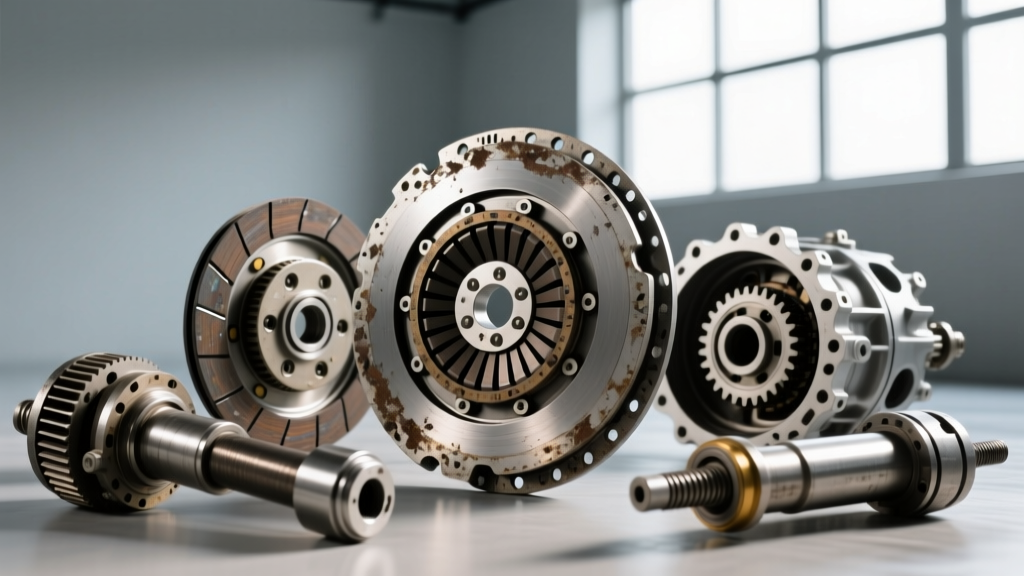
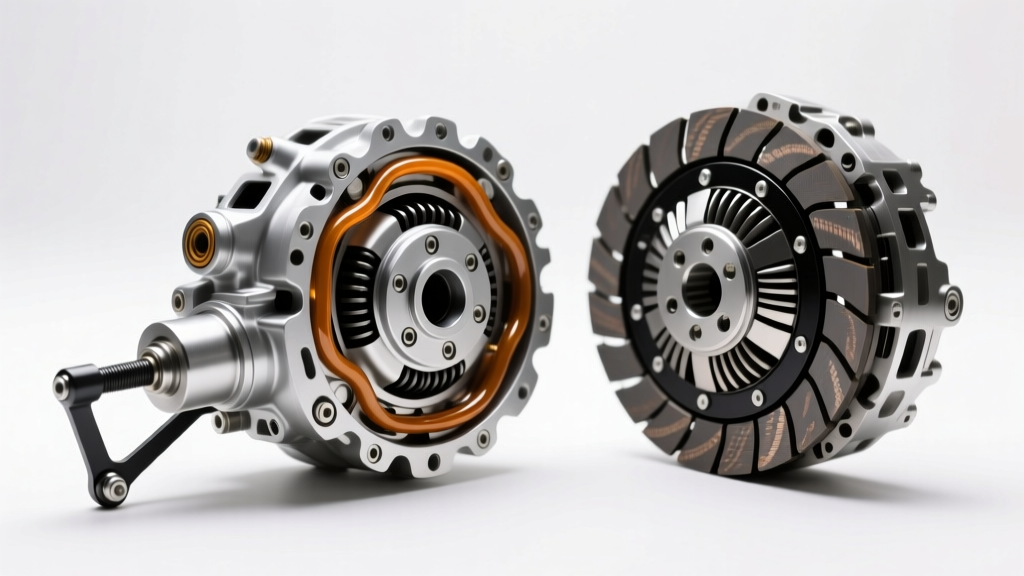
The 2016 Ford Focus equipped with the DPS6 6-speed dry dual-clutch automatic transmission is notorious for low-speed shudder, severe clutch chatter, and driveline vibration. Unlike traditional torque-converter automatics, the DPS6 operates using two dry friction clutches actuated by electromechanical motors. When the 2016 Ford Focus clutch actuator mechanism wears, binds, or suffers from internal seal degradation, the engagement of the odd or even gear clutches becomes erratic. This results in the aggressive chatter felt during 1st-to-2nd gear transitions or when creeping in stop-and-go traffic.
From a performance standpoint, a slipping or chattering DPS6 clutch pack destroys power delivery and accelerates wear on the dual-mass flywheel (DMF). To resolve this, enthusiasts and tuners face a critical decision: replace the failing actuators with updated OEM components, or execute a manual transmission swap for ultimate drivetrain reliability and track performance.
Diagnostic Protocol: Isolating the Actuator
Before ordering parts, you must confirm whether the vibration stems from the clutch actuator motors, the hydraulic release bearings, or the clutch friction plates themselves. Relying solely on a generic OBD2 scanner is insufficient. You need advanced PID monitoring via FORScan to read the DPS6 transmission control module (TCM) data.
Physical Lever Play Inspection
Before plugging in a laptop, perform a physical inspection. Remove the driver-side wheel and the plastic inner fender liner to expose the front of the transmission bellhousing. Locate the two external clutch actuator motors. Using a pry bar or a large flathead screwdriver, gently apply rotational pressure to the actuator output shaft. If the shaft exhibits more than 2mm of free rotational play before engaging the clutch fork, the internal plastic drive gears are stripped, and the actuator must be replaced regardless of electrical health.
Critical FORScan PIDs for Clutch Chatter
| PID Name | Description | Normal Range | Failure Indicator |
|---|---|---|---|
| CLTCH_A_POS | Clutch A (Odd) Position | 0.0 - 12.0 mm | Erratic jumps >0.5mm during steady engagement |
| CLTCH_B_POS | Clutch B (Even) Position | 0.0 - 12.0 mm | Sticky readings indicating actuator motor bind |
| TCM_MTR_CURR_A | Actuator A Motor Current | 2.0 - 8.0 Amps | Spikes >12A (binding) or drops <1A (electrical fault) |
| CLTCH_SLIP_RPM | Clutch Slip Speed | 0 - 50 RPM (locked) | Continuous >150 RPM under load indicates glazed plates |
Expert Tuner Insight: If your FORScan logs show normal actuator motor current and smooth position tracking, but you still experience severe vibration, the issue is likely a warped clutch pressure plate or a degraded dual-mass flywheel (DMF), not the actuator itself.
Performance Path 1: Updated OEM Actuator Replacement
If diagnostics confirm actuator failure, Ford released updated part numbers to address early seal and motor burnout issues. The beauty of the DPS6 design is that the 2016 Ford Focus clutch actuator assemblies can be replaced without removing the transmission from the vehicle. They are mounted externally on the front bellhousing, accessible via the wheel well.
Replacement Specifications and Torque Data
- Actuator A (Odd Gears): Part # AE8Z-7C600-A (Verify with VIN for latest revision)
- Actuator B (Even Gears): Part # AE8Z-7C600-B
- Mounting Bolts (M8x1.25): Torque to 18 lb-ft (25 Nm)
- Electrical Connector: Clean with contact cleaner and apply dielectric grease to prevent moisture ingress, a primary killer of these units.
The Clutch Touch-Point Adaptation
Post-installation, a TCM clutch adaptation reset via FORScan is mandatory. The TCM must relearn the clutch touch-point (bite point) for both Clutch A and Clutch B. The adaptation process requires the vehicle to be on a lift with the drive wheels free to spin, or driven on a closed lot at specific speeds while the TCM measures the exact motor position where friction begins. Failing to perform this adaptation will result in immediate chatter, harsh shifts, and potential transmission limp mode.
Performance Path 2: The MTX-75 Manual Swap Upgrade
For track-focused builds, rallycross, or owners tired of DPS6 reliability concerns, the ultimate performance upgrade is ditching the dual-clutch system entirely in favor of a traditional manual transmission. Swapping to the Ford MTX-75 5-speed (found in Focus ST and European 2.0L Duratec applications) requires integrating a manual hydraulic clutch actuator system.
Hydraulic Clutch Actuator Sizing and Setup
A manual swap eliminates the electromechanical motors and relies on a hydraulic master and slave cylinder setup. For a performance-oriented pedal feel that balances modulation with quick shifts, selecting the correct bore sizes is critical.
- Master Cylinder: 0.70-inch (17.78mm) bore (Ford Performance M-7A564-A or OEM equivalent)
- Concentric Slave Cylinder (CSC): Integrated release bearing, 28mm stroke capacity
- Hydraulic Line: Stainless steel braided AN-3 line to prevent expansion under heavy pedal pressure
- Fluid: Castrol SRF or Motul RBF 600 (High-temp DOT 4 to resist brake fluid boiling near the exhaust downpipe)
Bleeding the Manual Clutch Actuator System
Proper bleeding is essential to prevent clutch drag and gear grind. Gravity bleeding is insufficient for the MTX-75 hydraulic actuator circuit due to the high-point routing of the hardline over the bellhousing.
- Fill the remote reservoir with Motul RBF 600.
- Attach a vacuum bleeder to the slave cylinder bleed nipple.
- Pull 20 in-Hg of vacuum while slowly depressing the clutch pedal by hand (do not use the return spring to pull the pedal up, as this can cavitate the master cylinder).
- Repeat until zero micro-bubbles are visible in the clear bleed tube.
Cost and ROI Analysis: Repair vs. Upgrade
When deciding how to address your Focus clutch chatter, consider the long-term performance goals of the vehicle. Below is a realistic market breakdown of the associated costs.
| Service / Upgrade Path | Parts Cost (Est.) | Labor / Time | Performance Outcome |
|---|---|---|---|
| DPS6 Actuator Replacement (Both) | $450 - $650 | 2.5 Hours | Restores OEM daily-driver comfort |
| Full DPS6 Clutch Pack & DMF | $900 - $1,200 | 8.0 Hours | Fixes deep-seated shudder, retains auto |
| MTX-75 Manual Swap (Complete) | $1,800 - $2,500 | 15+ Hours | Max reliability, direct power transfer, track-ready |
Final Tuner Recommendations
If your 2016 Ford Focus is strictly a daily commuter and the FORScan data points to a failing motor, replacing the 2016 Ford Focus clutch actuator is the most cost-effective route. Ensure you source the latest revision parts from a certified dealer or trusted supplier like RockAuto to avoid old-stock seal degradation.
However, if you are pushing over 200 wheel-horsepower via turbo upgrades or E85 tuning, the dry dual-clutch system will inevitably become a bottleneck and a point of failure. Investing the labor into an MTX-75 manual swap with a high-temperature hydraulic clutch actuator circuit will permanently eliminate chatter, handle increased torque loads, and transform the Focus into a genuine performance machine. For further drivetrain reinforcement guidelines and swap components, consult the technical archives at Ford Performance Parts.