The Reality of the 2016 F150 Front Differential in 2026
If you are driving or maintaining a 2016 Ford F-150, your truck is now a decade old. The 13th-generation F-150 introduced an aluminum-alloy body and a highly sophisticated Independent Front Suspension (IFS) 4WD system. At the heart of this system is the Ford 8.8-inch IFS front differential. While this axle is incredibly robust, its longevity is entirely dependent on proper lubrication. Unlike older solid-axle trucks, the 2016 F150 front differential operates in a tightly packaged, heat-intensive environment near the engine and transmission, making thermal breakdown of gear oil a genuine concern.
In this comprehensive guide, we will walk you through the exact procedure, fluid specifications, and maintenance intervals required to keep your front axle humming. Whether you use your truck for daily commuting, heavy towing, or off-road trails, understanding the nuances of this specific IFS axle is critical for avoiding catastrophic ring-and-pinion failures.
Factory Intervals vs. Real-World Severe Duty
One of the most pervasive myths in modern truck maintenance is the concept of "lifetime" differential fluid. According to Ford's official maintenance portal, the front axle fluid on a 2016 F-150 is considered "lifetime" under normal driving conditions, meaning it technically does not require scheduled replacement. However, "lifetime" in automotive engineering usually translates to the lifespan of the factory warranty, not the lifespan of the vehicle.
If your F-150 falls under the "Severe Duty" category, the interval changes dramatically. You must service the front differential every 30,000 to 50,000 miles if you frequently:
- Tow heavy loads (over 5,000 lbs) in hot weather.
- Drive in deep snow, mud, or off-road environments.
- Use the 4WD system extensively (which engages the front hypoid gear set).
- Operate the truck in extreme ambient temperatures.
By 2026, most 2016 F-150s have surpassed the 100,000-mile mark. If the previous owner never changed the front differential fluid, the shear stability of the original gear oil has likely degraded, leaving the pinion bearings and ring gear vulnerable to metal-on-metal wear.
Tools, Parts, and Specifications
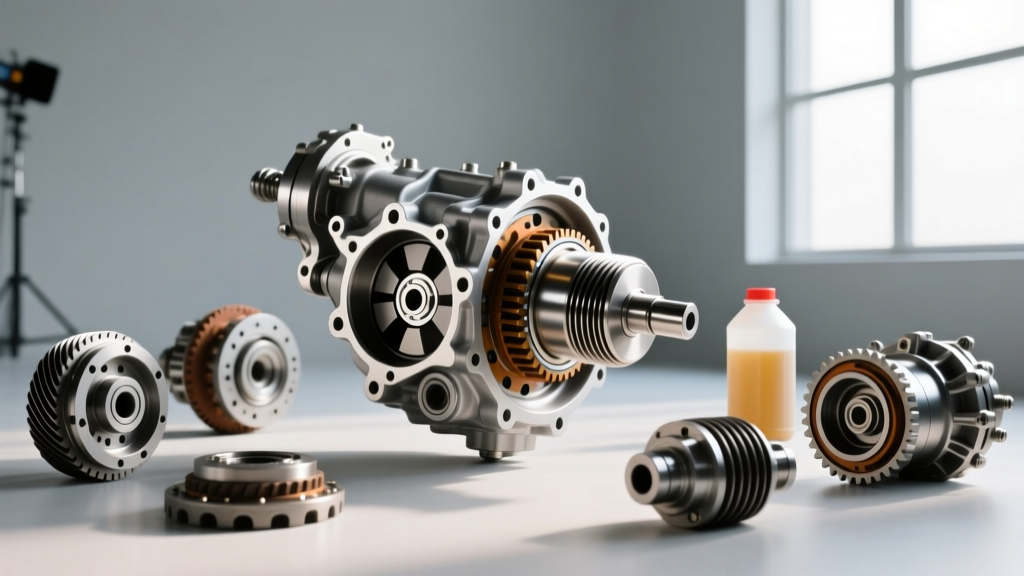
The 2016 F150 front differential presents a unique challenge for DIYers: it does not have a traditional drain plug. Because of the IFS design and the placement of the electronic shift-on-the-fly (ESOF) actuator, the only access point is the fill plug. Therefore, a fluid extraction pump is mandatory. Below is the exact bill of materials you will need.
| Item | Specification / Part Number | Quantity / Notes | Est. Cost (2026) |
|---|---|---|---|
| Front Axle Lubricant | Motorcraft SAE 80W-90 Premium (XL-2) | 1 Quart (WSS-M2C192-A Spec) | $14.00 |
| Fluid Extractor Pump | Mityvac 7272 or Standard Hand-Pump | 1 (Must reach bottom of diff) | $25.00 - $45.00 |
| Fill Plug Socket | 13mm Hex or 3/8" Square Drive | Depends on axle build month | Owned |
| Thread Sealant | Permatex High-Temp Thread Sealant | Small dab (if plug lacks O-ring) | $6.00 |
Note: Always verify your specific axle code via the driver's side door jamb sticker. While 80W-90 (XL-2) is the standard for the front IFS axle, some heavy-duty payload packages may specify 75W-140. Consult Motorcraft lubricant specifications for your exact VIN.
Step-by-Step Extraction and Refill Procedure
Step 1: Vehicle Preparation and Safety
Park the F-150 on a perfectly level surface. This is crucial because the fill hole acts as your level indicator; if the truck is tilted, you will either underfill or overfill the axle. Engage the parking brake and place wheel chocks behind the rear tires. You do not need to lift the front of the truck for this procedure, as the fill plug is accessible from underneath the front skid plate area. However, using a creeper and safety glasses is highly recommended.
Step 2: Locating and Cleaning the Fill Plug
Crawl under the front of the truck and locate the differential pumpkin. The fill plug is situated on the rear-facing or side-facing portion of the axle housing, roughly halfway up the casing. Before you break the plug loose, use a wire brush and brake cleaner to thoroughly scrub the area around the plug. The front differential sits low and collects road grime, mud, and salt. If you skip this step, you will push contaminants directly into the gear oil.
Step 3: Removing the Plug
Depending on the exact manufacturing date of your 2016 axle, the fill plug will either accept a 13mm hex (Allen) bit or the square drive of a standard 3/8" ratchet. Insert your tool and break the plug loose counterclockwise. Remove the plug entirely and set it aside. Expect a small amount of residual fluid to weep out; this is normal.
Step 4: Extracting the Old Fluid
Because there is no drain plug, you must extract the fluid. Feed the extraction tube of your hand-pump or Mityvac down into the fill hole. Push the tube all the way to the lowest point of the differential housing. Begin pumping. The fluid capacity of the Ford 8.8 IFS front differential is exactly 1.7 pints (0.8 liters). It will take several minutes to extract the thick 80W-90 oil, especially if the axle is cold. Pro-Tip: If the truck has been sitting in freezing temperatures, drive it for 10 minutes beforehand to warm and thin the gear oil, making extraction significantly faster.
Step 5: Optional Flush (For Neglected Axles)
If the extracted fluid is black, smells burnt, or if you are unsure of the truck's service history, perform a quick flush. Fill the differential with a cheap, generic 80W-90 gear oil until it reaches the bottom of the fill hole. Reinstall the plug loosely, drive the truck in 4WD High for a few miles to circulate the new oil and suspend any sludge, then extract it again. This ensures maximum cleanliness before adding your premium Motorcraft fluid.
Step 6: Refilling to the Correct Level
Attach a clean piece of tubing to your fluid pump and draw up the Motorcraft SAE 80W-90 Premium (XL-2). Feed the tube into the fill hole and begin pumping the new fluid into the axle. The correct fluid level is exactly at the bottom edge of the fill plug opening. Once the fluid begins to weep out of the hole, the differential is full. Allow it to sit for two minutes so the trapped air can escape and the level settles, then top it off if necessary.
Step 7: Torque and Seal
Wipe the threads of the fill plug. If your plug features a rubber O-ring, inspect it for cracks and replace it if necessary. If it is a standard tapered pipe thread (NPT), apply a small amount of high-temp thread sealant. Reinstall the plug and torque it to 20 lb-ft (27 Nm). Do not overtighten, as the aluminum or thin-walled steel housing can strip, leading to a massive repair bill. Wipe down the axle housing with degreaser to remove any spilled oil, which will make future leak diagnostics much easier.
Diagnostic Edge Cases: What Your Old Fluid Tells You
When extracting the old fluid, pay close attention to its condition. The gear oil is a direct window into the health of your front axle. Automotive tribologists and drivetrain experts on platforms like the Bob Is The Oil Guy gear oil forums frequently analyze used oil samples to predict hardware failures.
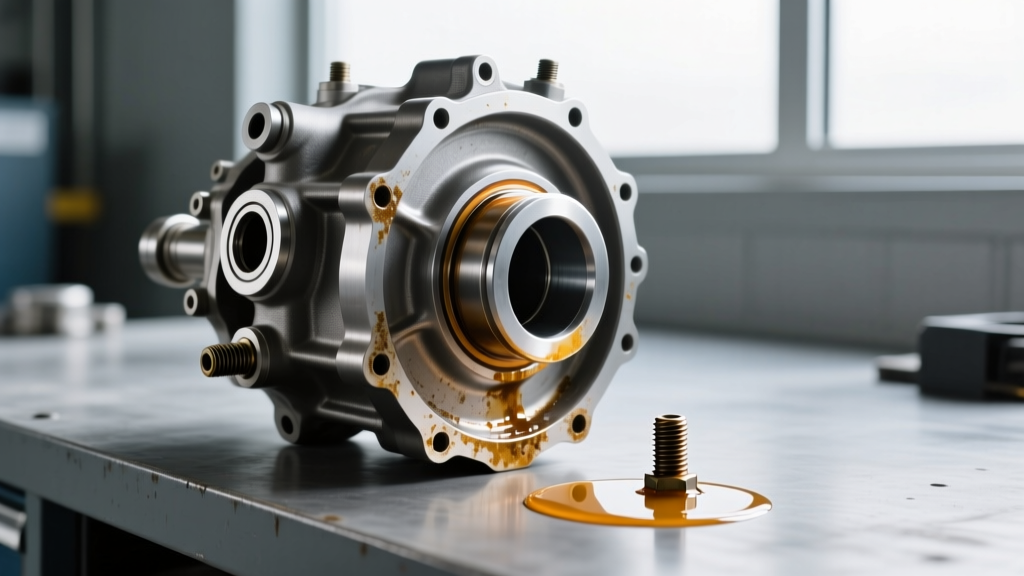
- Milky or Chocolate-Milk Fluid: This indicates water intrusion. On the 2016 F-150, water typically enters through a failed CV axle stub-shaft seal or a degraded O-ring on the ESOF 4WD actuator mounted to the side of the diff. Address the seal immediately to prevent bearing rust.
- Fine Gold/Brass Glitter: This is normal wear from the brass synchronizers or thrust washers breaking in during the first 30,000 miles. It is not a cause for panic.
- Large Metal Flakes or Chunks: If your extraction tube pulls out jagged metal pieces larger than a grain of rice, your ring and pinion gears or pinion bearings are actively failing. A fluid change will not fix this; a differential rebuild or replacement is required.
Final Thoughts on IFS Axle Longevity
Servicing the 2016 F150 front differential is a straightforward, low-cost DIY job that yields massive dividends in drivetrain longevity. By ignoring the "lifetime" fluid myth and adhering to a 50,000-mile severe-duty interval, you ensure that the hypoid gear set and pinion bearings remain properly cushioned against the immense torque generated by Ford's EcoBoost and Coyote V8 engines. Grab your extractor pump, order your Motorcraft XL-2, and tackle this essential maintenance task today.