The Heart of the JK: Understanding the W5A580 (NAG1) Transmission
As we navigate through 2026, the 2013 Jeep Wrangler JK remains a beloved platform for both daily drivers and hardcore off-roaders. However, as these vehicles age past the 10-year mark, their drivetrain components begin to show wear. If your check engine light has illuminated and a scan tool points you toward the transmission, you are likely dealing with a 2013 Jeep Wrangler torque converter issue.
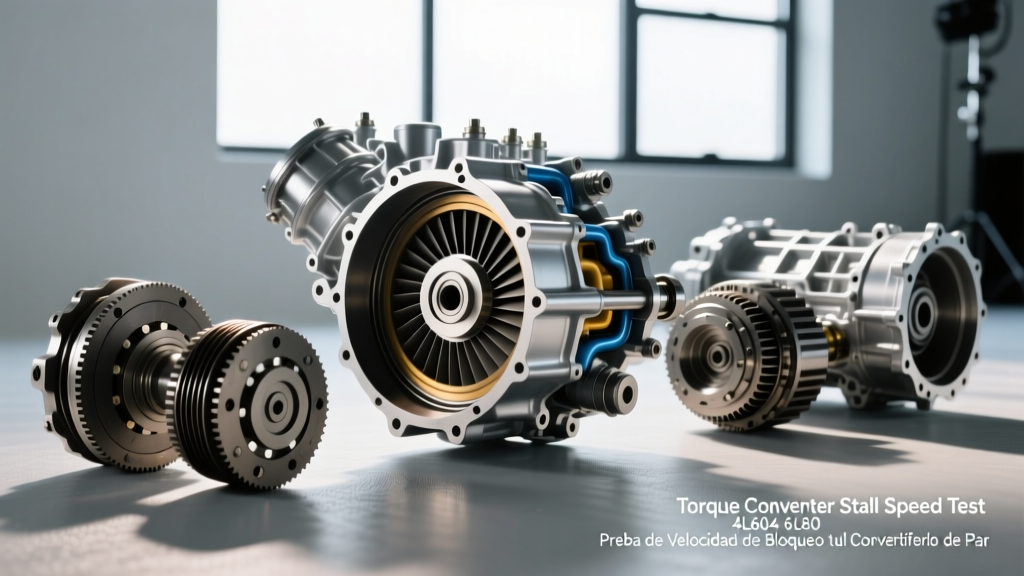
To diagnose this properly, you must first understand what is bolted behind your 3.6L Pentastar V6. The 2013 Wrangler utilizes the W5A580 5-speed automatic transmission, widely known by its Mercedes-Benz designation: the NAG1 (722.6). This transmission is incredibly robust, but its torque converter clutch (TCC) system and internal electronics are prone to specific, well-documented failures.
What is a Torque Converter Clutch (TCC) Code?
For beginners, think of the torque converter as a fluid coupling that transfers engine power to the transmission. At low speeds, it allows the engine to spin independently of the transmission (which is why you can hold the brake at a stoplight while in 'Drive').
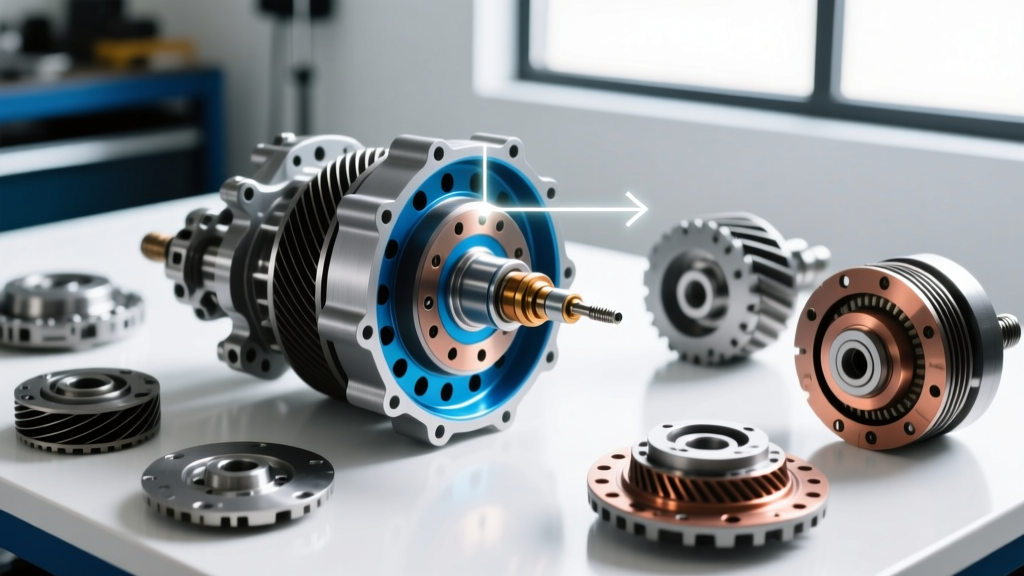
However, fluid coupling creates heat and loses efficiency. To fix this, the NAG1 transmission uses a Torque Converter Clutch (TCC). Once you reach highway speeds (usually above 40-45 mph), the Powertrain Control Module (PCM) commands a solenoid to apply a clutch inside the torque converter, physically locking the engine to the transmission. This eliminates slip, improves fuel economy, and reduces heat.
When the PCM commands the clutch to lock, but the actual RPMs don't match the expected math, it triggers a Diagnostic Trouble Code (DTC). Let's break down the most common codes you will encounter.
Common 2013 Wrangler Torque Converter Codes
| OBD2 Code | Technical Definition | Beginner Translation | Severity |
|---|---|---|---|
| P0740 | Torque Converter Clutch Circuit Malfunction | The computer tried to lock the converter, but it slipped too much. | Moderate |
| P0741 | TCC Performance or Stuck Off | The clutch is shuddering or failing to engage entirely. | High |
| P0742 | TCC Stuck On | The clutch won't release; the engine may stall when stopping. | High |
| P0743 | TCC Solenoid Circuit Electrical | A hard electrical failure; a broken wire or dead solenoid. | Moderate |
Decoding the "Big Three" DTCs
P0740 & P0741: The Shudder and Slip Codes
If you are driving your Wrangler on the highway and suddenly feel a vibration that mimics driving over highway rumble strips, you are experiencing TCC shudder. This is the physical manifestation of codes P0740 and P0741. The PCM is commanding the clutch to lock, but the friction material inside the torque converter is worn, or the hydraulic pressure applying the clutch is fluctuating.
Expert Insight: In the NAG1 transmission, P0741 is frequently caused by a worn TCC control valve in the valve body. The aluminum valve bore wears out over time, allowing hydraulic pressure to bleed off. Before condemning the entire torque converter, a transmission specialist can check for valve bore wear. For more on NAG1 valve body wear patterns, refer to the diagnostic guides at Sonnax Transmission Tech Resources.
P0743: The Electrical Gremlin
Code P0743 is purely electrical. The PCM sends a 12-volt signal to the TCC solenoid, but the circuit reads as open or shorted. In a 2013 Wrangler, this rarely means the torque converter itself is broken. Instead, the culprit is almost always the Conductor Plate.
The NAG1 transmission routes all of its solenoid wiring and speed sensor signals through a plastic and metal electroplate that sits directly under the transmission valve body. Over years of heat cycling and vibration, the plastic becomes brittle, and the microscopic copper traces crack. When the trace controlling the TCC solenoid breaks, P0743 is instantly set. You can read more about generic electrical circuit faults at OBD-Codes.com.
Step-by-Step Beginner Diagnosis
Before you throw parts at your Wrangler, follow these diagnostic steps. The NAG1 is highly sensitive to fluid levels and conditions.
Step 1: The Special Dipstick Tool Check
The 2013 Wrangler's NAG1 transmission does not have a standard dipstick. The tube under the hood is only a guide. To check the fluid, you must purchase or borrow a Miller Tool 9336A (or an equivalent NAG1 dipstick tool). This tool reaches all the way down into the transmission pan. Checking fluid without this specific tool is impossible and will lead to misdiagnosis.
- Ensure the transmission is at operating temperature (180°F / 82°C).
- The engine must be RUNNING and in PARK.
- Insert the 9336A tool until it touches the bottom of the pan, then pull it out to read the level against the temperature chart on the tool handle.
Step 2: Live Data Scanning
Using an advanced OBD2 scanner capable of reading live transmission data, look for the PID labeled TCC Slip Speed. When driving at a steady 60 mph in 5th gear with the TCC commanded "ON", the slip speed should be between 0 and 20 RPM. If you see the slip speed bouncing between 50 and 150 RPM, your clutch is slipping (pointing to a mechanical/hydraulic issue). If it reads 0 but the code is P0743, you have an electrical break.
Step 3: Inspecting the Conductor Plate
If your code is P0743, drop the transmission pan. Remove the valve body to access the conductor plate. Inspect the plastic for hairline cracks, particularly around the solenoid connectors. A multimeter can be used to check the resistance of the TCC solenoid directly at the plate pins (typically between 3.0 and 5.0 ohms at room temperature).
2026 Repair Costs and Torque Specifications
If you have confirmed that your 2013 Jeep Wrangler torque converter or related components have failed, here is what you can expect to spend in 2026, whether you are turning the wrenches yourself or visiting a shop. For community-verified DIY experiences, the Wrangler Forum is an invaluable resource for NAG1 teardowns.
| Component / Service | Part Number / Spec | Estimated Cost (2026) |
|---|---|---|
| Mopar ATF+4 Fluid (Pan Drop) | 68218925AB (Requires ~7 Qts) | $65 - $85 |
| NAG1 Conductor Plate (Electroplate) | 68043749AA (or aftermarket equivalent) | $250 - $380 |
| Torque Converter (Remanufactured) | Stallion / Powertrain Industries NAG1 TC | $350 - $550 |
| Transmission Pan Gasket (Reusable) | Mopar 68043750AA (Silicone/RTV seal) | $30 - $50 |
| Professional Labor (TC Replacement) | 6.5 - 8.5 Hours Shop Time | $750 - $1,200 |
Critical Torque Specifications for the DIYer
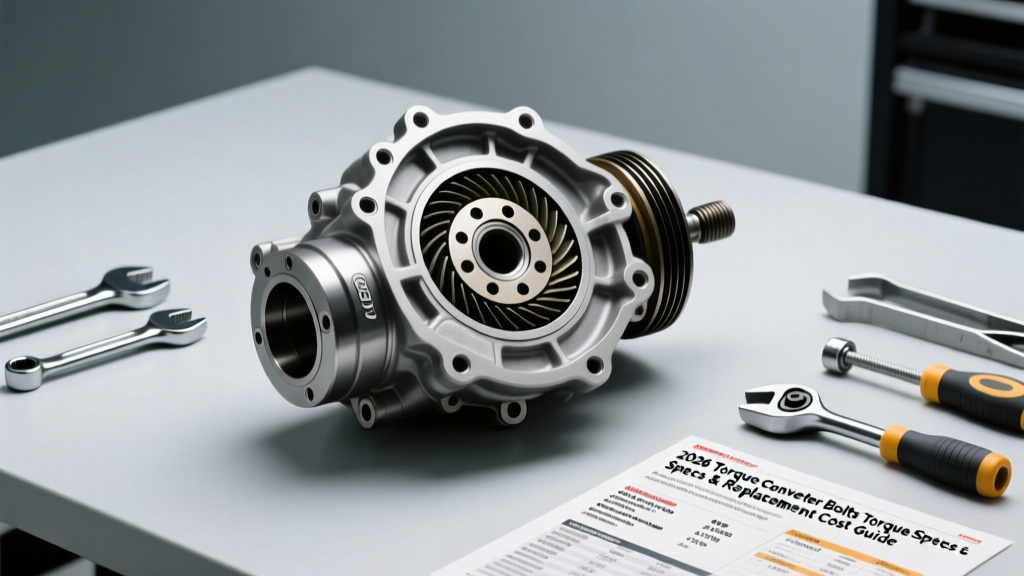
If you are pulling the transmission to replace the torque converter, adhering to factory torque specs is non-negotiable to prevent flexplate warping or bellhousing damage.
- Torque Converter to Flexplate Bolts (M8): 25 Nm (18 lb-ft). Note: Use blue Loctite and ensure the TC is fully seated into the transmission oil pump before tightening.
- Bellhousing to Engine Block Bolts (M10): 50 Nm (37 lb-ft).
- Transmission Pan Bolts (M6): 8 Nm (71 lb-in). Do not overtighten, or you will strip the aluminum pan threads or crack the plastic conductor plate sitting just above it.
Final Thoughts for Wrangler Owners
Diagnosing a torque converter issue on a 2013 Jeep Wrangler doesn't have to be a shot in the dark. By understanding the unique quirks of the W5A580 (NAG1) transmission—specifically its reliance on the conductor plate and the necessity of the 9336A dipstick tool—you can accurately pinpoint whether you are facing a simple electrical fault or a mechanical clutch failure. Address these DTCs promptly to prevent excess heat from destroying the rest of your transmission's clutch packs, keeping your JK trail-ready for years to come.