The Preventive Maintenance Approach to the 2013 Ford Focus Clutch Replacement
As we navigate the automotive landscape in 2026, the 2013 Ford Focus equipped with the 2.0L Ti-VCT Duratec engine and IB5 manual transmission is now well over a decade old. At this stage in the vehicle's lifecycle, a failing clutch is rarely an isolated event. Performing a comprehensive 2013 Ford Focus clutch replacement requires a preventive maintenance mindset—specifically regarding the flywheel. Ignoring flywheel diagnostics and reusing a fatigued Dual Mass Flywheel (DMF) is the leading cause of premature clutch disc failure, input shaft spline wear, and catastrophic bellhousing damage.
This guide serves as an authoritative preventive maintenance protocol for technicians and advanced DIYers. We will cover the exact diagnostic thresholds for the OEM DMF, the viability of Single Mass Flywheel (SMF) conversions, and the precise torque specifications required to protect the IB5 transmission input shaft.
Understanding the 2.0L Duratec Dual Mass Flywheel (DMF)
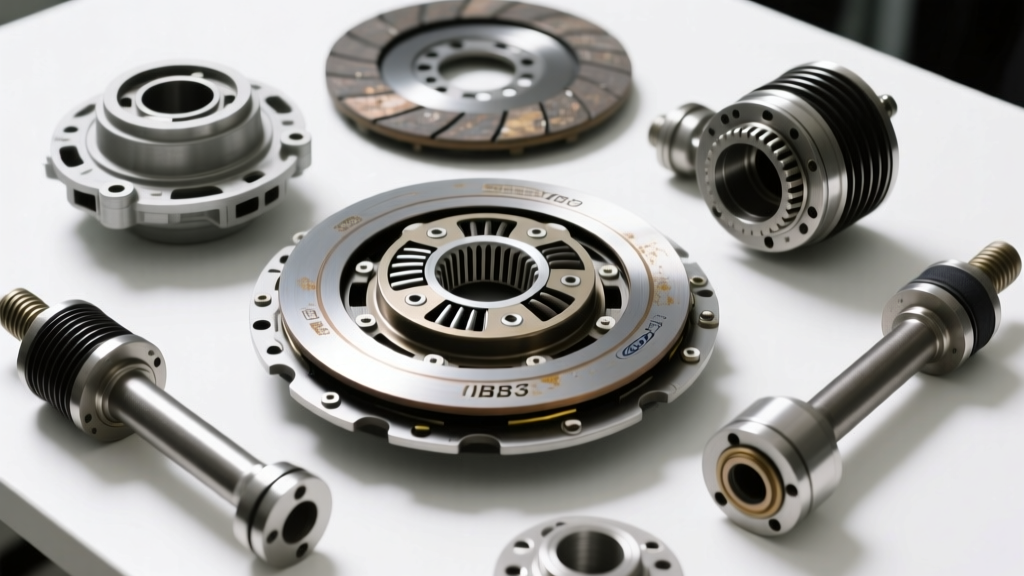
The 2013 Ford Focus utilizes a Dual Mass Flywheel to dampen the torsional vibrations inherent to the 2.0L Ti-VCT engine at low RPMs. Inside the DMF, a series of heavy-duty torsional springs and specialized high-temperature grease absorb rotational shocks before they reach the IB5 transmission gears. Over 100,000+ miles, this grease degrades, and the springs lose their dampening tension.
From a preventive maintenance perspective, installing a new clutch friction disc onto a worn DMF is a critical error. A degraded DMF will introduce severe harmonic chatter, which will rapidly glaze the new friction material and destroy the marcel springs on the clutch disc within 5,000 miles.
DMF vs. SMF Conversion: A Preventive Comparison
Many owners opt for an SMF conversion kit to eliminate future DMF failure points. Below is a technical comparison to help you choose the correct path for your build.
| Feature | OEM DMF Replacement (e.g., LuK RepSet Pro) | SMF Conversion Kit (e.g., Sachs/LuK SMF) |
|---|---|---|
| Vibration Dampening | Excellent (OEM NVH levels) | Poor (Increased gear rattle at idle) |
| Longevity | 80,000 - 120,000 miles | 200,000+ miles (Solid mass) |
| Clutch Disc Type | Standard rigid hub | Integrated torsional spring hub |
| Approx. Part Cost (2026) | $450 - $650 | $280 - $350 |
Note: If the vehicle is used for daily commuting in heavy stop-and-go traffic, the OEM DMF is highly recommended to prevent cabin drone and transmission bearing wear. For track or dedicated weekend use, the SMF is superior.
Preventive Diagnostics: Measuring Flywheel Runout and Free Play
Before tearing down the subframe and pulling the IB5 transmission, a proper diagnostic sequence can confirm flywheel failure. According to Schaeffler LuK engineering guidelines, DMFs must be checked for three specific failure modes:
- Axial Free Play: Using a dial indicator on the outer friction ring, measure the push-pull travel. The maximum allowable axial play is typically 0.060 inches (1.5mm). Anything beyond this indicates broken internal springs.
- Radial Runout: Measure the outer edge of the friction ring while rotating the engine by hand. Maximum allowable runout is 0.040 inches (1.0mm). Excessive runout will cause the release bearing to pulse, leading to premature hydraulic slave cylinder failure.
- Visual Heat Checking: Inspect the friction surface for severe bluing or heat cracks. Minor micro-cracking is normal for DMFs, but deep thermal cracks that catch a fingernail dictate mandatory replacement.
IB5 Transmission Protocols: Splines and Pilot Bearings
The Ford IB5 manual transmission is robust but highly sensitive to improper clutch installation. A common failure point during a 2013 Ford Focus clutch replacement is the input shaft spline interface.
Expert Warning: Never use standard multi-purpose chassis grease on the IB5 input shaft splines. You must use a specialized high-melt-point spline grease (such as Sachs Spline Grease). Apply a microscopic film to the splines; over-application will cause grease to sling outward onto the friction disc during high-RPM operation, resulting in immediate clutch slip.
Additionally, the 2.0L Duratec utilizes a needle pilot bearing pressed into the rear of the crankshaft. Preventive maintenance dictates extracting and replacing this bearing every time the transmission is removed. A seized pilot bearing will drag the input shaft, making gear engagement impossible and potentially snapping the input shaft tip during aggressive shifts.
Step-by-Step Flywheel Replacement and Torque Specifications
Replacing the flywheel on the 2013 Focus requires dropping the rear subframe and removing both front axles. Once the bellhousing is separated, the flywheel must be secured using a specific engine barring tool or a flywheel locking strap to prevent the engine from rotating and damaging the timing chain tensioner.
Critical Torque Specifications
The Duratec 2.0L uses Torque-to-Yield (TTY) fasteners for the flywheel. You must use new OEM flywheel bolts. Reusing stretched TTY bolts will result in them shearing off inside the crankshaft under load. For genuine OEM hardware, always consult Ford Parts or a verified dealer catalog.
- Flywheel to Crankshaft (M12 TTY Bolts): 74 lb-ft (100 Nm) + an additional 60-degree turn. (Use a star pattern sequence).
- Pressure Plate to Flywheel (M8 Bolts): 21 lb-ft (29 Nm). (Use a star pattern sequence to ensure even clamping load on the diaphragm spring).
- Clutch Fork Pivot Ball Stud: 17 lb-ft (23 Nm).
- Bellhousing to Engine Block (M10 Bolts): 35 lb-ft (48 Nm).
- Front Axle Hub Nuts: 258 lb-ft (350 Nm). (Must be replaced; do not reuse cotter-pinned or staked axle nuts).
Concentric Slave Cylinder (CSC) and Hydraulic Preventive Care
The 2013 Ford Focus utilizes an internal Concentric Slave Cylinder (CSC) that acts as both the release bearing and the hydraulic actuator. Because accessing the CSC requires a 6-hour transmission removal, it is an absolute preventive maintenance requirement to replace the CSC alongside the clutch and flywheel. Reusing a 13-year-old plastic-bodied CSC is a guaranteed path to a fluid leak inside the bellhousing.
The Quick-Connect Hydraulic Line Hazard
The hydraulic line connecting to the bellhousing features a plastic quick-connect collet. Do not pull this line with pliers. You must use a dedicated 3/8-inch or 10mm collet release tool to depress the internal locking tabs. Tearing the internal O-ring will allow DOT 3 brake fluid to leak directly onto your new clutch friction disc, ruining a $500+ parts investment instantly.
After installation, the hydraulic system must be bled. Due to the routing of the hard lines over the IB5 transmission, gravity bleeding is often insufficient. Use a pressure bleeder set to 15 PSI on the master cylinder reservoir, and cycle the clutch pedal 30 times to force micro-bubbles out of the CSC actuator circuit.
2026 Cost Breakdown and Part Sourcing
Budgeting for a complete clutch and flywheel preventive maintenance overhaul requires looking at the total system. Based on current 2026 aftermarket and OEM pricing from distributors like RockAuto, here is what you should expect to invest:
- OEM DMF Clutch Kit (LuK/Sachs): $450 - $650
- SMF Conversion Kit: $280 - $350
- Concentric Slave Cylinder (CSC): $60 - $90 (Often included in premium RepSet Pro kits)
- IB5 Manual Transmission Fluid (75W-90 GL-4, 2.8 Qts): $45
- Hardware Kit (Flywheel bolts, axle nuts, subframe bolts): $85
- Professional Labor (6.5 - 8.0 Hours @ $130/hr): $845 - $1,040
Total Estimated Shop Cost: $1,400 - $1,900 (DMF Route) | $1,100 - $1,500 (SMF Route).
Final Preventive Maintenance Verdict
A 2013 Ford Focus clutch replacement is not merely a friction material swap; it is a holistic drivetrain restoration. By verifying DMF runout limits, upgrading to fresh TTY fasteners, properly lubricating the IB5 input splines, and replacing the CSC, you ensure the vehicle remains reliable for another decade. Never cut corners on the flywheel or hydraulic actuator—the cost of a secondary teardown far outweighs the price of preventive part replacement during the initial service window.