The 2012 Chevy Cruze 1.4L Turbo: When the OEM Clutch Taps Out
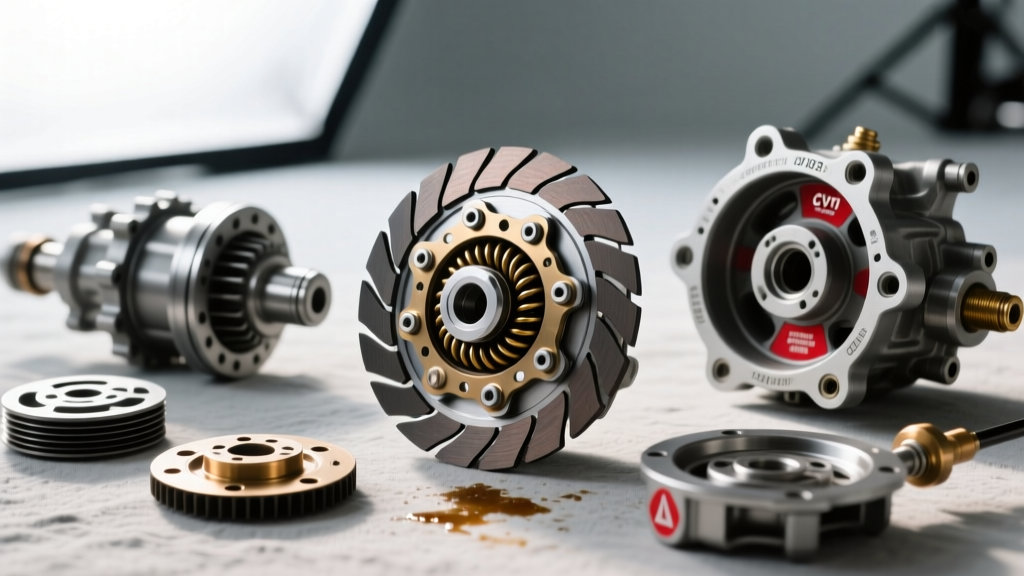
The 2012 Chevy Cruze equipped with the 1.4L Ecotec turbocharged engine and the GM M32 6-speed manual transmission is a highly capable compact platform. However, the factory clutch assembly was engineered for stock torque outputs—roughly 148 lb-ft at the crank. The moment owners introduce ECU calibration, larger turbochargers, or simply aggressive launch habits, the OEM friction material becomes the weak link in the drivetrain. Recognizing the early signs of clutch degradation is critical not only to prevent being stranded but also to avoid catastrophic collateral damage to the M32 transmission's internal synchronizers and flywheel assembly.
5 Definitive Signs You Need a 2012 Chevy Cruze Clutch Replacement
Diagnosing a failing clutch on a front-wheel-drive transverse platform requires isolating hydraulic faults from mechanical friction wear. Below are the primary indicators that your Cruze requires immediate attention.
1. Boost-Induced Slipping (The 'Tune' Test)
If you have flashed a Stage 1 or Stage 2 tune on your 1.4L Ecotec, the factory LUK clutch will inevitably slip under peak boost. You will notice the tachometer needle climbing rapidly while vehicle acceleration lags, specifically in 3rd and 4th gears between 3,500 and 5,000 RPM. This occurs because the clamping force of the OEM pressure plate cannot overcome the increased torque output (often exceeding 190 lb-ft at the crank). If you experience this, the friction disc is glazed or worn, and an upgrade is mandatory.
2. Hydraulic Drag and Gear Crunch (M32 Specifics)
A dragging clutch fails to fully disengage when the pedal is depressed, leading to gear crunching—most notably when shifting into 1st or Reverse from a stop. On the 2012 Cruze, this is frequently misdiagnosed as a worn M32 synchronizer. Before tearing into the transmission, check the hydraulic system. The Cruze uses a Concentric Slave Cylinder (CSC) inside the bellhousing. If the CSC is bypassing fluid internally, or if the plastic master cylinder pushrod is fatigued, the clutch will not fully disengage, causing drag and premature synchro wear.
3. Pedal Vibration and Throwout Bearing Whine
Listen carefully at idle with the window down. A high-pitched whining or rattling noise that disappears the moment you depress the clutch pedal by half an inch indicates a failing throwout bearing (release bearing). On the M32 transmission, the bearing rides on the transmission input shaft sleeve. If the bearing seizes or disintegrates, it will score the aluminum sleeve and destroy the CSC. Conversely, if the vibration persists while the pedal is fully depressed, the issue likely stems from a warped pressure plate diaphragm or a failing dual-mass flywheel.
4. High Engagement Point
As the friction material wears thin, the engagement point (the 'bite' zone) migrates closer to the top of the pedal's travel. While the Cruze hydraulic system is self-adjusting to a degree, mechanical wear eventually maxes out the system's travel. If your car only engages when the pedal is nearly fully released, the disc is at the end of its service life.
5. Burnt Friction Material Smell
Aggressive hill starts or riding the clutch in stop-and-go traffic will overheat the organic friction material. This produces a distinct, acrid odor resembling burning brakes. Once the organic resin burns off, the friction coefficient plummets, and the rivets on the clutch disc may begin to score the flywheel surface, necessitating a complete flywheel replacement.
Flywheel Dilemma: Dual-Mass vs. Single-Mass Conversions
Many 2012 Chevy Cruze owners debating a clutch replacement also face the flywheel question. The factory setup utilizes a Dual-Mass Flywheel (DMF) to absorb the torsional vibrations inherent to the small-displacement 1.4L turbo engine. While a DMF provides a smooth idle and protects the M32 gear teeth, they are expensive, prone to internal spring failure, and cannot be resurfaced. For performance builds, converting to a Single-Mass Flywheel (SMF) using an ACT or Fidanza conversion kit reduces rotational mass, improves turbo spool response, and eliminates DMF failure points. However, expect an increase in cabin vibration at idle and slight gear rattle when the clutch is depressed in neutral due to the lack of primary damping.
OEM vs. Performance: Choosing Your Replacement Kit
When executing a 2012 Chevy Cruze clutch replacement, you must decide whether to restore factory drivability or upgrade for modified torque levels. Below is a comparison of the top kits available for the M32 6-speed platform.
| Brand / Kit | Part Number | Torque Capacity | Best Application |
|---|---|---|---|
| LuK RepSet (OEM) | 624 3186 00 | ~160 lb-ft | Stock daily drivers, fuel economy focus. |
| ACT Heavy Duty Sprung Street | CX2-HDSS | ~310 lb-ft | Tuned 1.4L Ecotec, aggressive street driving. |
| Exedy OEM Replacement | GMK1001 | ~175 lb-ft | Budget-friendly stock replacement alternative. |
For modified Cruzes, the ACT CX2-HDSS is the gold standard. It utilizes a heavy-duty pressure plate with increased clamp load and a cerametallic-sprung street disc that provides aggressive bite while maintaining enough damping for street drivability. For stock applications, sourcing a genuine LuK RepSet ensures factory pedal feel and longevity.
M32 Transmission Prep & Torque Specifications
Proper installation is just as critical as the kit selection. The M32 transmission is notorious for end-case bearing failures; while the transmission is out of the vehicle, it is highly recommended to inspect the end-cover bearings and upgrade to the revised roller bearings if your casing lacks the factory update. Furthermore, adhere strictly to the following torque specifications during reassembly:
- Pressure Plate to Flywheel: 18 lb-ft (25 Nm) in a crisscross pattern.
- Bellhousing to Engine Block: 37 lb-ft (50 Nm).
- Front Axle Hub Nuts: 148 lb-ft (200 Nm) - Always use new OEM GM nuts.
- Engine Mount to Transmission: 41 lb-ft (55 Nm).
- Clutch Fork Pivot Ball Stud: 15 lb-ft (20 Nm).
Hydraulic Diagnostic Flowchart
Before pulling the transmission, verify the source of your clutch issues with this diagnostic sequence:
- Step 1: Check fluid level in the master cylinder reservoir (shared with the brake system). Low fluid indicates a leak at the CSC or master cylinder pushrod.
- Step 2: Pump the pedal 20 times rapidly. If the pedal stays on the floor, the master cylinder internal seals are bypassing.
- Step 3: With the car running, depress the clutch and wait 10 seconds. If the car creeps forward in gear, the CSC is failing to maintain hydraulic pressure or the mechanical fingers on the pressure plate are bent.
The Hydraulic System: CSC and Master Cylinder
Never reuse the factory Concentric Slave Cylinder (CSC) during a clutch replacement. The OEM plastic-bodied CSC is prone to heat degradation and internal seal failure. When upgrading to an ACT or Exedy kit, ensure the kit includes a high-quality CSC, or source an OEM GM hydraulic release bearing separately. Additionally, bleed the hydraulic system using the factory bleeder valve located on the top of the bellhousing. Use fresh DOT 3 or DOT 4 brake fluid, ensuring no air pockets remain, as trapped air will cause a spongy pedal and incomplete disengagement.
Final Drivetrain Fluid Recommendations
Upon reinstallation, the M32 requires exactly 2.4 Liters of specialized fluid. Do not use standard GL-4 or GL-5 gear oil, as it will degrade the yellow-metal synchronizers and cause stiff shifting in cold weather. Use the OEM GM Manual Transmission and Transfer Case Fluid (P/N 88862624) or a high-quality synthetic alternative like Amsoil Synchromesh. Fill through the side-fill plug until it weeps, torque the fill and drain plugs to 18 lb-ft, and verify engagement before lowering the vehicle.