The Traction Deficit: Why Upgrade the 2011 SRX Rear Carrier?
The 2011 Cadillac SRX, built on GM’s Theta Premium platform, is a highly capable luxury crossover. However, enthusiasts, winter drivers, and those who tow frequently often encounter a frustrating limitation: the open side-to-side carrier inside the Rear Drive Module (RDM). While the SRX’s AWD system effectively transfers torque front-to-rear via an electronically controlled clutch pack, the rear axle's side-to-side power distribution relies entirely on an open differential and brake-based traction control.
When one rear wheel loses traction on ice, mud, or during aggressive cornering, the open differential sends all available torque to the spinning wheel. The vehicle’s StabiliTrak system attempts to compensate by braking the spinning wheel, which generates excessive heat, wears brake pads prematurely, and ultimately limits forward momentum. Upgrading the 2011 Cadillac SRX rear differential with a true locking or limited-slip device transforms the vehicle's capability, providing mechanical torque biasing that brake-based systems simply cannot replicate.
Anatomy of the SRX Rear Drive Module (RDM)
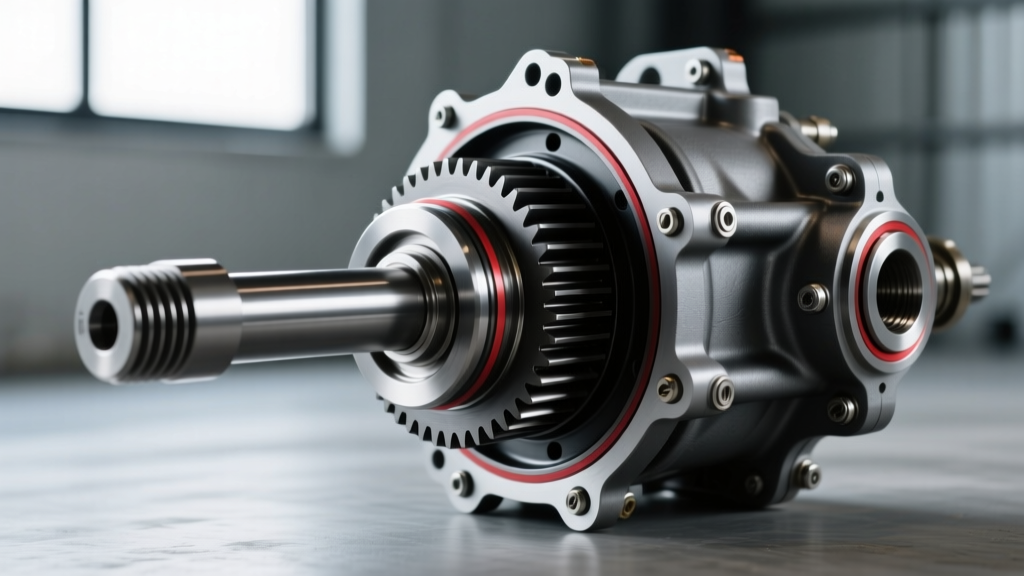
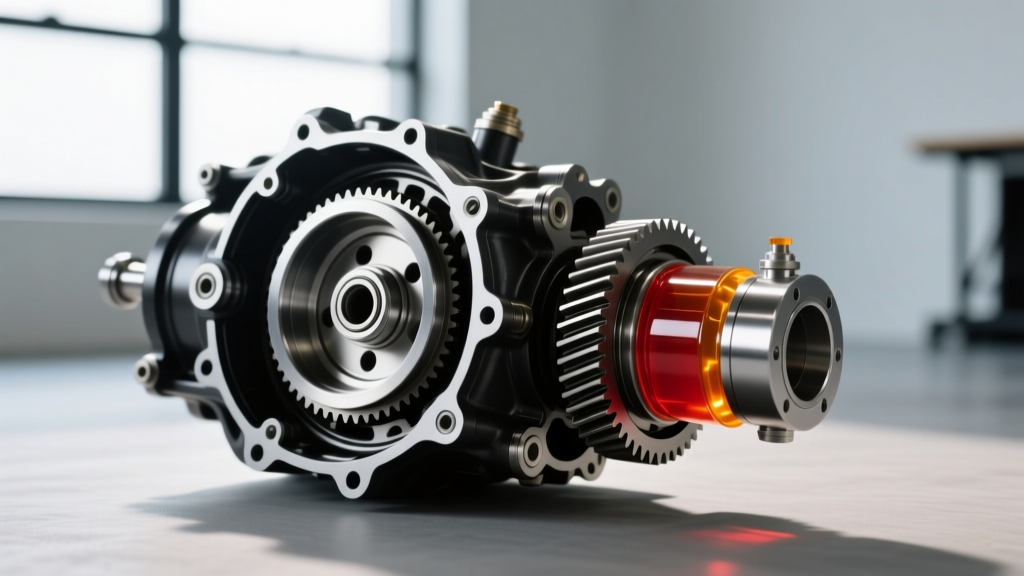
Before selecting a traction-adding device, it is critical to understand the architecture of the SRX rear axle. The RDM is a complex, multi-chambered unit bolted to the independent rear suspension (IRS) subframe. It houses two distinct mechanical systems:
- The AWD Coupling Chamber: Contains the electronically controlled multi-plate clutch pack that engages the rear axle when front-wheel slip is detected.
- The Final Drive Chamber: Contains the ring and pinion gears, the carrier, and the side gears that distribute power left and right to the rear half-shafts.
The 2011 SRX utilizes a GM 8.6-inch IRS ring and pinion setup with 30-spline axle shafts. When we discuss "upgrading the rear differential" for side-to-side traction, we are exclusively targeting the final drive carrier. The AWD coupling remains untouched, preserving the factory front-to-rear torque vectoring.
Locking and Limited-Slip Differential Types for the SRX
Selecting the correct carrier upgrade depends heavily on your driving environment and performance goals. Below are the primary options available for the GM 8.6-inch IRS platform.
1. Helical Gear Limited-Slip (Detroit Truetrac)
The Eaton Detroit Truetrac (Part #910A486 for the GM 8.6" 30-spline) is widely considered the gold standard for luxury crossovers and daily drivers. It operates using a parallel-axis planetary helical gearset. When one wheel loses traction, the helical gears bind against the differential case, multiplying torque to the wheel with grip (typically a 3.5:1 torque bias ratio).
Pros: Completely smooth operation, zero maintenance, no special friction modifiers required, and seamless integration with the SRX’s ABS and StabiliTrak systems.
Cons: Requires a slight amount of wheel load to bias torque; if one wheel is completely lifted off the ground, it will spin freely unless light brake pressure is applied.
2. Electronic Locker (Eaton ELocker)
For extreme off-road or severe snow conditions, an electronic locking differential like the Eaton ELocker provides a 100% mechanical lock across both rear axles. When activated via a dash-mounted switch, an electromagnetic coil engages a locking mechanism that forces both wheels to turn at the exact same speed.
Pros: Unmatched traction in zero-grip scenarios.
Cons: Requires routing wiring through the IRS subframe and RDM housing. Must only be engaged at low speeds; driving on dry pavement with the locker engaged will cause severe driveline binding and tire chirping.
3. Clutch-Type Positraction (LSD)
Traditional clutch-pack limited-slip differentials use alternating steel and friction plates to resist side-to-side slip. While cheaper upfront, they are generally not recommended for the 2011 SRX. The heavy curb weight of the crossover accelerates clutch pack wear, and they require strict adherence to friction-modifier fluid additives to prevent low-speed cornering chatter.
Comparison Matrix: SRX Rear Traction Upgrades
| Upgrade Type | Part Number (GM 8.6") | Torque Bias / Lock | Maintenance Needs | Best Application |
|---|---|---|---|---|
| Helical Gear (Truetrac) | Eaton 910A486 | 3.5:1 Bias Ratio | None (Standard Gear Oil) | Daily Driving, Snow, Towing |
| Electronic Locker | Eaton 19818-01 | 100% Lock | Wiring / Switch checks | Off-Road, Deep Snow, Rock Crawling |
| Clutch-Pack LSD | Various OEM/Aftermarket | Variable (Wears over time) | Friction Modifier Additives | Light Performance / Budget Builds |
Fluid Dynamics: Managing the Dual-Chamber RDM
Because this upgrade involves opening the final drive chamber, understanding the 2011 Cadillac SRX rear differential fluid specifications is paramount. A common and catastrophic mistake made by inexperienced technicians is confusing the AWD clutch fluid with the final drive gear oil. The Theta Premium RDM features separate, sealed chambers for these components.
Final Drive Chamber (Gear Oil)
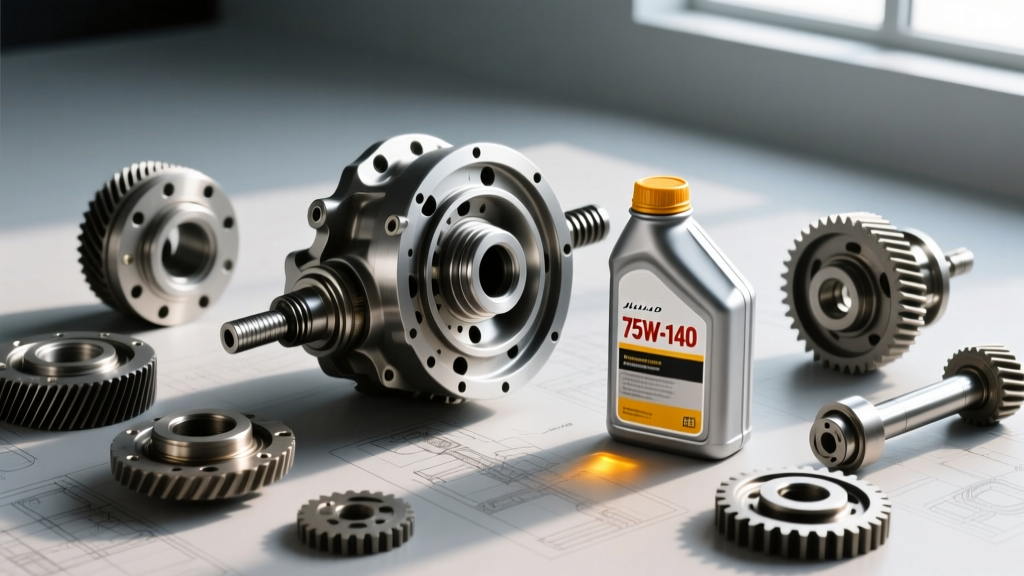
When installing a helical gear Truetrac or replacing the carrier, the final drive chamber must be filled with a high-quality 75W-90 Synthetic GL-5 Gear Oil. Capacity is approximately 1.4 quarts (1.3 liters). If you are installing a clutch-type LSD, you must add a limited-slip friction modifier (e.g., GM Part #88900333). However, if you opt for the Detroit Truetrac, do not use friction modifiers, as they reduce the helical gears' ability to bind and bias torque.
AWD Coupling Chamber (Clutch Fluid)
The front-to-rear engagement clutch requires a highly specific, low-viscosity fluid to operate the micro-valves in the AWD pump. This chamber requires GM AWD Fluid (ACDelco Part #88862624 or 10-4016). Never substitute this with standard gear oil or ATF, as it will destroy the clutch pack and trigger a "Service AWD" dash warning.
Pro-Tip for Fluid Service: Always remove the fill plug before removing the drain plug on the RDM. If the drain plug is removed first and the fill plug is seized or stripped, you will be left with an empty differential and no way to refill it, requiring a complete RDM removal from the vehicle.
Installation Realities: Torque Specs and Setup
Swapping the carrier in the 2011 SRX requires dropping the RDM from the IRS subframe, or at minimum, removing the rear cover and axle shafts. Precision is required to ensure quiet operation and long gear life. According to GM Authority and factory service documentation, adhere strictly to the following specifications:
- Ring Gear to Carrier Bolts: 74 lb-ft (100 Nm). Must be cleaned and secured with Red Loctite 272 (high-strength threadlocker).
- Carrier Bearing Cap Bolts: 45 lb-ft (60 Nm). Always reinstall caps in their exact original orientation and location to prevent bore distortion.
- Backlash Specification: 0.005" to 0.008" (0.13 - 0.20 mm). Measured via dial indicator on the ring gear face.
- Axle Shaft to Hub Nuts: 184 lb-ft (250 Nm). These are torque-to-yield or heavily staked; always use new OEM nuts during reassembly.
- RDM Drain/Fill Plugs: 18 lb-ft (25 Nm). Do not overtighten, as the aluminum casing threads strip easily.
2026 Cost Breakdown and Sourcing
As of 2026, the aftermarket support for the Theta Premium platform remains robust, though specialized labor is required for RDM teardowns. Here is what you can expect to budget for a professional helical gear upgrade:
- Eaton Detroit Truetrac (910A486): $650 - $750
- Carrier Bearings & Seals (Timken/SKF Kit): $80 - $120
- Fluids (75W-90 Synthetic + AWD Top-Off): $45 - $60
- Professional Installation & Setup (Machine Shop/Driveline Specialist): $450 - $700
Total Estimated Investment: $1,225 - $1,630.
Final Verdict: Is the Upgrade Worth It?
For the 2011 Cadillac SRX owner, upgrading the rear differential carrier from an open unit to a helical limited-slip is one of the most transformative modifications available. It eliminates the embarrassing and dangerous "one-wheel peel" in snowy driveways, reduces the parasitic drag and brake wear caused by StabiliTrak intervention, and provides a planted, confident feel during highway towing. By respecting the dual-chamber fluid requirements and adhering to strict torque specifications, your SRX’s rear axle will deliver reliable, mechanical traction for hundreds of thousands of miles.