2026 Cost Analysis: What Should You Actually Pay?
When evaluating a 2010 Mazda 3 clutch replacement in 2026, you are dealing with a vehicle that has aged into the budget-friendly enthusiast tier. However, while the car's value has depreciated, shop labor rates have continued to climb. The 2010 model year marks the first year of the second-generation (BL chassis) Mazda 3, featuring updated engine mounts and a slightly more cramped engine bay than the previous BK generation, which marginally increases shop book time.
According to current 2026 data aggregated from RepairPal and independent transmission shops, the national average for a manual transmission clutch job sits between $850 and $1,250. But because the Mazda 3 utilizes a relatively straightforward front-wheel-drive transverse layout, savvy owners can beat these averages.
| Service Provider | Estimated Parts Cost | Estimated Labor Cost | Total 2026 Estimate |
|---|---|---|---|
| Dealership (OEM Parts) | $450 - $600 | $750 - $950 | $1,200 - $1,550 |
| Independent Specialist | $200 - $350 (Aftermarket) | $500 - $700 | $700 - $1,050 |
| DIY Home Mechanic | $180 - $300 | $0 (Plus ~$40 Fluids) | $180 - $340 |
Identifying Your Drivetrain: 2.0L vs. 2.5L Manual
Before ordering parts from distributors like RockAuto, you must confirm your exact transmission model. The 2010 Mazda 3 was offered with two primary manual transmissions, and their clutch architectures differ slightly in diameter and spline count.
The 2.0L Engine (LF-VE) and the G15M-R 5-Speed
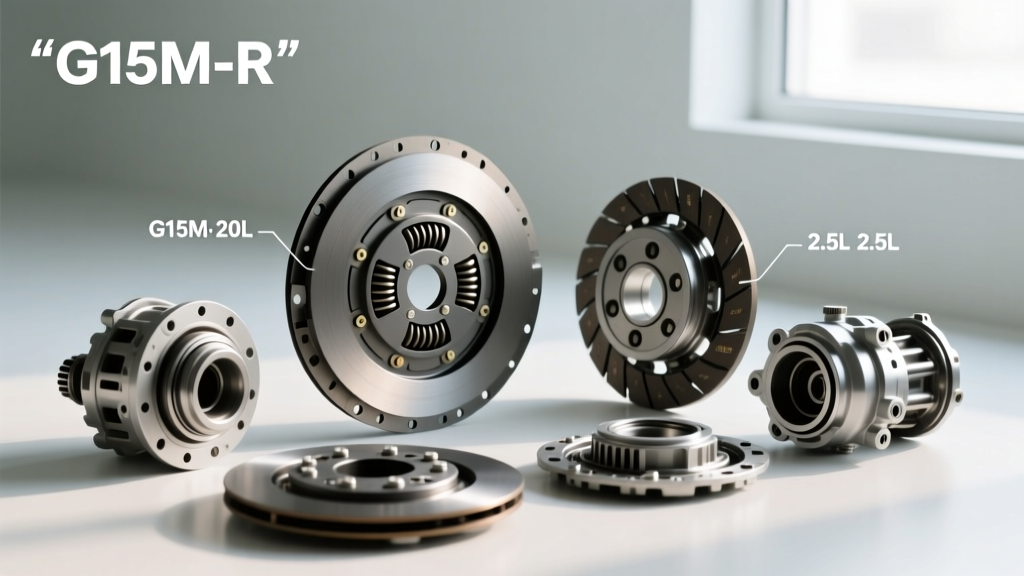
The 2.0L engine is mated to the Mazda G15M-R 5-speed manual transmission. This is a robust, cable-driven (internally linked) gearbox that uses a 210mm clutch disc with a 20-spline input shaft.
- OEM Replacement: Exedy MZ03 (Exedy is the OEM manufacturer for Mazda manual clutches).
- Heavy Duty/Upgrade: ACT Street Clutch Kit (MZ023).
- Flywheel Note: The G15M-R uses a Single Mass Flywheel (SMF). Unlike Dual Mass Flywheels (DMF) found in modern diesels or turbocharged cars, the SMF can be machined and resurfaced at a local shop for $50-$80, provided it has no heat cracks or deep scoring.
The 2.5L Engine (L5-VE) and the 6-Speed Manual
The 2.5L utilizes a 6-speed manual transmission (often designated as the G35M-R or F35M-R depending on the market). It requires a larger 225mm clutch disc with a 24-spline input shaft to handle the additional 19 lb-ft of torque.
- OEM Replacement: Exedy MZ04 or LuK RepSet 624 3143 00.
- Flywheel Note: Also utilizes a Single Mass Flywheel, but the ring gear tooth count differs from the 2.0L. Ensure your starter motor matches if you opt for a lightweight aftermarket flywheel from brands like ACT or Fidanza.
The Hidden Cost Trap: Clutch Master Cylinder (CMC) Failure
Any comprehensive 2010 Mazda 3 clutch replacement cost guide must address the elephant in the room: the Clutch Master Cylinder. The second-generation Mazda 3 is notorious for premature CMC failure, specifically at the plastic quick-connect fitting on the firewall side.
When the internal seals of the CMC fail, or the plastic line cracks, the pedal will sink to the floor, mimicking a blown clutch slave cylinder. If you are paying a shop $800 to drop the transmission, and they do not inspect the CMC, you risk spending another $300 in labor to bleed a failing hydraulic system three months later.
Expert Tip: Enthusiasts on Mazda3Forums highly recommend deleting the factory plastic quick-connect line and replacing it with a stainless steel braided clutch line (such as the CorkSport or DMERS stainless line) and upgrading to an all-metal CMC. Budget an extra $85-$120 for this upgrade during your clutch job.
OEM Torque Specifications & Fluid Capacities
For the DIY mechanic tackling the G15M-R or 6-speed, adhering to Mazda's exact torque specifications is critical. The aluminum bellhousings and crank flanges are easily stripped or warped if over-torqued. Always use a calibrated torque wrench and new OEM stretch bolts where specified.
| Component | Torque Specification (ft-lbs) | Torque Specification (Nm) | Notes |
|---|---|---|---|
| Flywheel to Crankshaft | 71 - 81 ft-lbs | 96 - 110 Nm | Use threadlocker; replace bolts if stretched. |
| Pressure Plate to Flywheel | 18 - 25 ft-lbs | 25 - 34 Nm | Star pattern sequence required. |
| Bellhousing to Engine Block | 28 - 38 ft-lbs | 38 - 52 Nm | Ensure alignment dowels are seated. |
| Front Axle Nut | 173 ft-lbs | 235 Nm | Must be staked; never reuse the old nut. |
| Transmission Mount Bolts | 32 - 45 ft-lbs | 43 - 61 Nm | Inspect rubber mounts for dry rot. |
Transmission Fluid Capacity & Type: Upon reassembly, the G15M-R and 6-speed manuals require approximately 1.7 to 1.9 Liters of gear oil. Mazda specifies their Long Life Gear Oil G7 (75W-80). Do not use standard GL-5 gear oil, as the high sulfur content can corrode the yellow metals (synchronizers) inside the Mazda manual transmissions. Stick to an API GL-4 certified 75W-80, such as Red Line MT-85 or Amsoil Synchromesh, to ensure crisp shifts in cold weather.
Labor Intensity: Subframe Drop vs. Top-Down Extraction
The labor cost variance in the 2010 Mazda 3 clutch replacement stems directly from the extraction method chosen by the technician.
The Dealership Method: Top-Down Extraction
Factory service manuals often dictate removing the battery tray, air intake, and upper bellhousing bolts, then using an engine support bar to tilt the engine forward while unbolting the transmission mounts. The transmission is then maneuvered out from the top or side. This method requires zero suspension disassembly but is incredibly frustrating due to the tight clearance between the firewall and the rear of the engine block.
The Enthusiast Method: Subframe Drop
Most independent shops and experienced DIYers prefer to unbolt the front subframe, drop the lower control arms, and pull the axles. By supporting the engine from below and removing the passenger-side motor mount and rear torque strut, the entire G15M-R transmission can be slid backward and lowered out from the bottom using a standard transmission jack. While this involves more bolt-turning (and requires a subsequent alignment), it provides vastly superior access to the flywheel and slave cylinder, reducing the risk of damaging the shift linkage cables.
Clutch Break-In and Post-Service Calibration
Once the new Exedy or LuK clutch is installed, the job is not entirely finished. The 2010 Mazda 3 utilizes a hydraulic clutch system that requires manual bleeding at the slave cylinder nipple located on the top of the transmission bellhousing. Use DOT 3 or DOT 4 brake fluid, ensuring no air pockets remain in the line, or you will experience gear grind on the 1st-to-Reverse shift.
Finally, a proper bed-in procedure is mandatory. For the first 300 to 500 miles, avoid aggressive launches, high-RPM shifts, and sustained highway speeds in top gear. This allows the resin in the organic friction material to evenly transfer to the machined surface of the flywheel, preventing permanent chatter and premature glazing.
Final Verdict: Is the Job Worth the Investment?
In 2026, a clean, manual-transmission 2010 Mazda 3 holds a unique spot in the used market. With a DIY clutch replacement costing under $350 (including a CMC upgrade and fresh GL-4 fluid), it remains one of the most economical and rewarding platforms to maintain. If paying an independent shop, expect to spend around $900. Avoid dealerships for this specific job, as their OEM parts markup and high hourly rates will easily push the invoice past the car's actual market value.