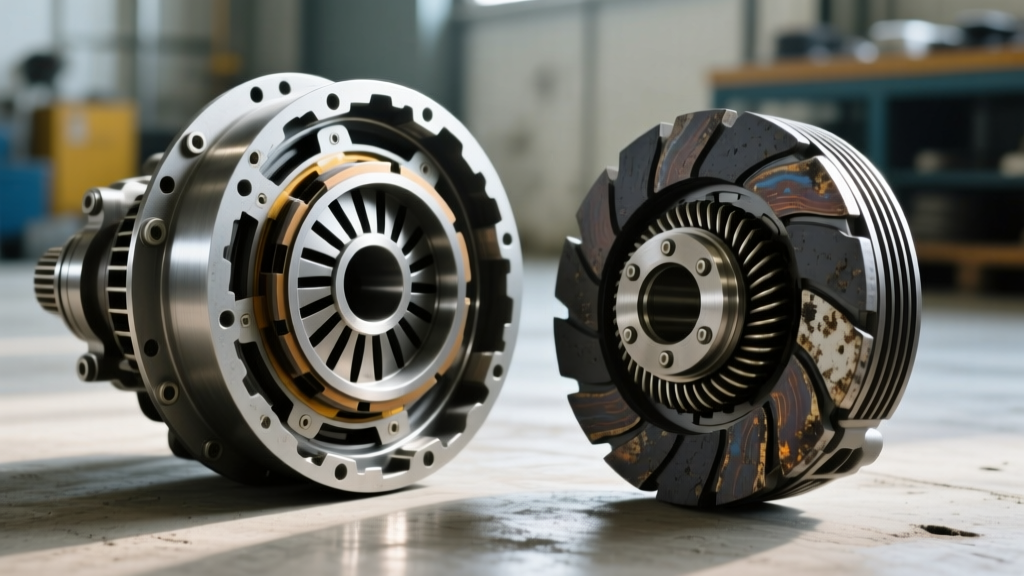
The Anatomy of 200-4R TCC Operation
The GM 200-4R transmission remains a legendary platform, widely sought after for restomods, turbocharged Buick Grand Nationals, and classic RWD V8 swaps. However, the 200 4R torque converter lockup system—specifically the Torque Converter Clutch (TCC)—is a frequent source of drivability complaints. Unlike modern PWM-controlled (Pulse Width Modulation) clutch systems found in the 6L80 or ZF 8HP, the 200-4R utilizes a traditional on/off hydraulic apply circuit. Understanding this hydraulic routing is the first step in accurate symptom diagnosis.
When the vehicle reaches 4th gear and specific coolant/TPS thresholds are met, the ECM grounds the TCC solenoid. This energizes the solenoid, which exhausts fluid from the TCC control valve in the valve body. The valve shifts, routing line pressure to the front of the torque converter. This hydraulic pressure pushes the internal clutch piston against the converter cover, creating a direct 1:1 mechanical lock between the engine and transmission input shaft. When this system degrades, it manifests in distinct, diagnosable ways.
4 Critical Lockup Torque Converter Symptoms
1. Highway Speed Shudder (The 'Chuggle')
The most common complaint with the 200 4R torque converter is a rhythmic shudder, often described as driving over rumble strips, occurring between 35 and 50 MPH when the TCC engages. This is rarely a failed torque converter friction disc. Instead, it is almost always caused by valve body bore wear. The aluminum valve body wears at the TCC control valve bore, allowing apply fluid to bypass the valve. This causes the clutch to rapidly apply and release (slip and grab) in a fraction of a second.
Diagnostic Test: Connect a scan tool or a test light to the TCC solenoid wire. If the test light remains solidly illuminated during the shudder (indicating a steady electrical signal), the fault is hydraulic, not electrical. The fix requires reaming the valve body bore and installing a sleeved TCC control valve kit.
2. Intermittent or Zero Lockup Engagement
If your RPMs remain high on the highway and the transmission fluid temperature climbs, the TCC is failing to engage. Because the 200-4R relies on a mechanical 4th gear clutch apply switch inside the valve body, the ECM will not even attempt to ground the TCC solenoid unless it sees 4th gear. Furthermore, the TCC circuit routes through the brake pedal switch. If the brake switch is misadjusted by even 1 millimeter, the ECM reads that the brakes are applied and will cancel the lockup command.
Pro-Tip: Before dropping the transmission pan, verify the brake light switch adjustment. Depress the pedal slightly with your foot; if the brake lights extinguish but the TCC still won't lock, the switch gap is too wide. Adjust the switch until the TCC engages consistently.
3. Engine Stalling at Idle (Dragging TCC)
If the engine bogs down or stalls when coming to a stop, the torque converter lockup clutch is dragging or failing to release. This is typically caused by a TCC control valve that is stuck in the apply position due to debris, varnish, or a scored bore. It can also be caused by a warped TCC piston inside the converter itself. If the valve body tests clean and the valves move freely, the torque converter must be removed and cut open or replaced.
4. Transmission Overheating Due to Slipping Lockup
A slipping TCC generates immense heat. If your transmission fluid smells burnt and the pan contains a fine, glitter-like metallic dust mixed with dark friction material, the internal Kevlar or paper friction lining inside the torque converter has disintegrated. This debris will inevitably clog the transmission cooler and ruin the clutch packs in the forward and direct drums. A complete flush and converter replacement are mandatory.
Diagnostic Matrix: Isolating the TCC Fault
Use this structured troubleshooting guide to isolate the root cause of your 200 4R torque converter issues before ordering parts.
| Symptom | Probable Root Cause | Test Procedure | Corrective Action |
|---|---|---|---|
| Highway Shudder (Steady Solenoid Signal) | Worn TCC Control Valve Bore | Test light on TCC wire shows solid ON during shudder. | Install Sonnax 77754-04K Lockup Control Valve Kit. |
| No Lockup (Test Light OFF) | Brake Switch / 4th Gear Switch | Check brake switch continuity; verify 4th gear switch pin. | Adjust brake switch or replace valve body 4th gear switch. |
| No Lockup (Test Light ON) | Failed TCC Solenoid / Wiring | Multimeter test on solenoid pins (Expect 12-25 Ohms). | Replace TCC Solenoid (AC Delco 214-1892). |
| Engine Stall at Idle | Stuck Apply Valve / Warped Piston | Inspect valve body for scoring; check fluid for clutch debris. | Clean/replace valve body; replace torque converter. |
Hard Parts, Specifications, and Repair Costs
When repairing the lockup system, using OEM or high-performance aftermarket components is critical for longevity. Below is a breakdown of standard repair costs and part numbers for the 200-4R platform.
| Component | Part Number / Spec | Est. Cost (2026) | Notes |
|---|---|---|---|
| TCC Control Valve Kit | Sonnax 77754-04K | $45 - $65 | Requires reaming tool (Sonnax 77754-01K) for proper installation. |
| TCC Solenoid | AC Delco 214-1892 | $30 - $50 | Verify resistance is between 12 and 25 Ohms before installation. |
| Performance Torque Converter | Vigilante 2500 / 3000 Stall | $650 - $950 | Features billet cover and Kevlar-lined TCC for high-HP applications. |
| Fluid (Dexron VI) | Valvoline / Mobil 1 Dex VI | $8 - $12 / Qt | Superior friction modifiers drastically reduce TCC shudder vs old Dex III. |
| Full Rebuild w/ TCC Upgrade | Shop Labor + Parts | $1,800 - $2,600 | Includes torque converter, master kit, and valve body modifications. |
Pro-Tips for Reassembly and Fluid Selection
If you are removing the transmission to replace the 200 4R torque converter, strict adherence to torque specifications is non-negotiable. The torque converter to flexplate bolts are typically 3/8-inch metric or standard, depending on your specific flexplate. These must be torqued to 35 lb-ft using a high-strength threadlocker (Loctite 262). The bellhousing to engine block bolts should also be torqued to 35 lb-ft to ensure the converter is perfectly centered on the input shaft, preventing premature wear on the stator support tube and front pump seal.
Regarding fluid, never use outdated Dexron III formulations. Modern Dexron VI is fully backward-compatible with the 200-4R and features a highly stable friction modifier package specifically designed to mitigate TCC shudder in lockup converters. Fill the transmission with 11 to 12 quarts (including the cooler lines and a newly installed converter), checking the dipstick with the engine idling in Park and the fluid at operating temperature (180°F - 200°F).
Authoritative References
- Sonnax Industries - Technical documentation on TCC valve bore wear and reaming procedures for GM hydraulic circuits.
- Bowtie Overdrives - Definitive 200-4R rebuilding guides, valve body modifications, and TCC solenoid wiring schematics.
- GM Heritage Center - Historical RPO codes and original factory service manual specifications for 1980s-1990s automatic transmissions.