The True Cost of 10L80 Torque Converter Bearing and Seal Failures
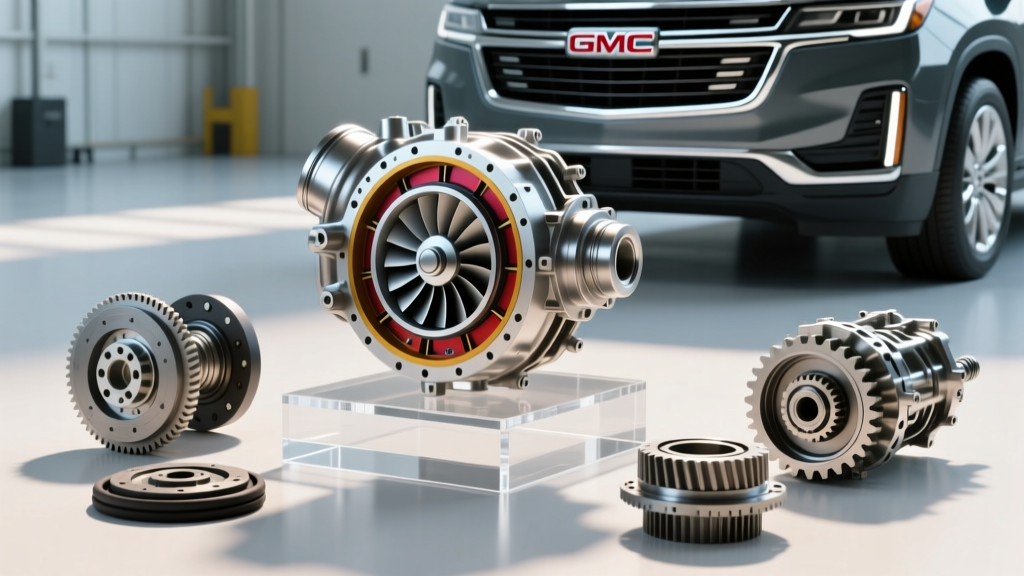
General Motors’ 10L80 10-speed automatic transmission (RPO MF6/MGU) is an engineering marvel, but its complex torque converter assembly is not immune to mechanical fatigue. When internal stator bearings degrade or turbine shaft O-rings fail, the result is catastrophic loss of line pressure, severe torque converter clutch (TCC) shudder, and ultimately, complete transmission contamination. For fleet managers and daily drivers alike, understanding the financial impact of a failing 10L80 torque converter is critical before authorizing a teardown.
In this 2026 cost analysis, we break down the exact pricing for diagnosing, repairing, and replacing bearing and seal failures within the 10L80 torque converter, comparing dealership premiums against independent transmission specialist rates.
Symptom Diagnostics: Is It the Bearings or the Seals?
Before discussing costs, accurate diagnosis is mandatory. Misdiagnosing a seal leak as a failing solenoid can lead to thousands in wasted parts. Bearing and seal failures present distinctly different acoustic and hydraulic signatures.
Bearing Failure Signatures
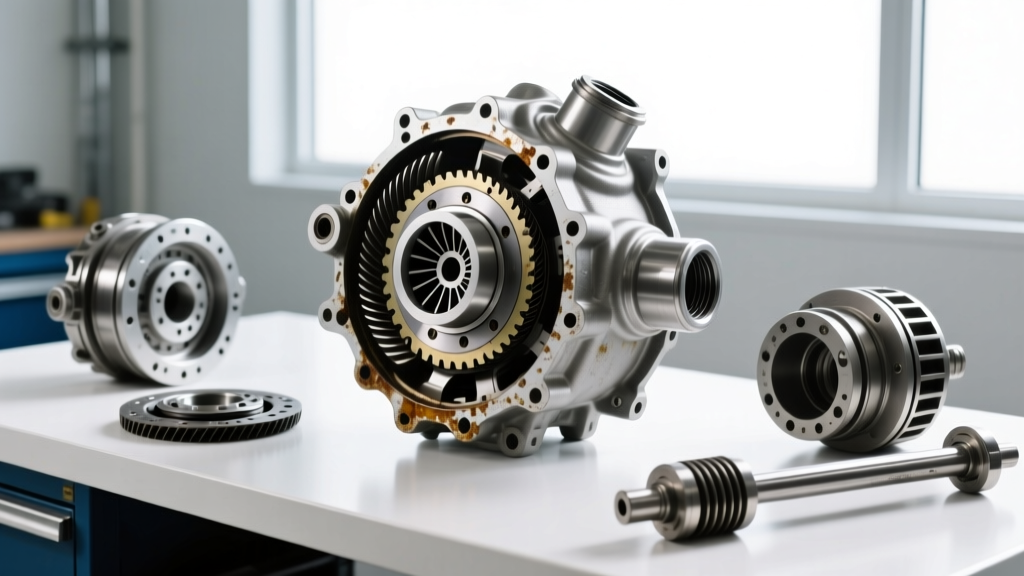
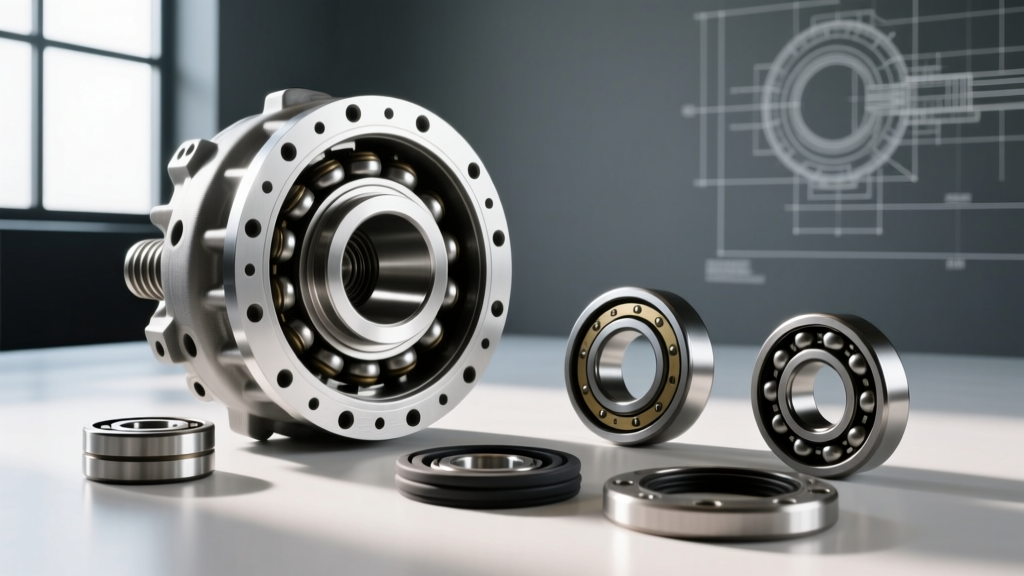
The 10L80 torque converter utilizes precision needle and ball bearings to support the stator and turbine shafts. When these bearings experience cage fragmentation or raceway spalling, you will hear a high-pitched whining or metallic grinding noise that correlates directly with engine RPM, not vehicle speed. If you drop the transmission pan and find a heavy accumulation of fine, glitter-like metallic paste on the magnets alongside larger bearing cage fragments, the internal bearings have failed. Continuing to drive will score the impeller and turbine blades, necessitating a full transmission flush and valve body replacement.
Hub Seal and O-Ring Leaks
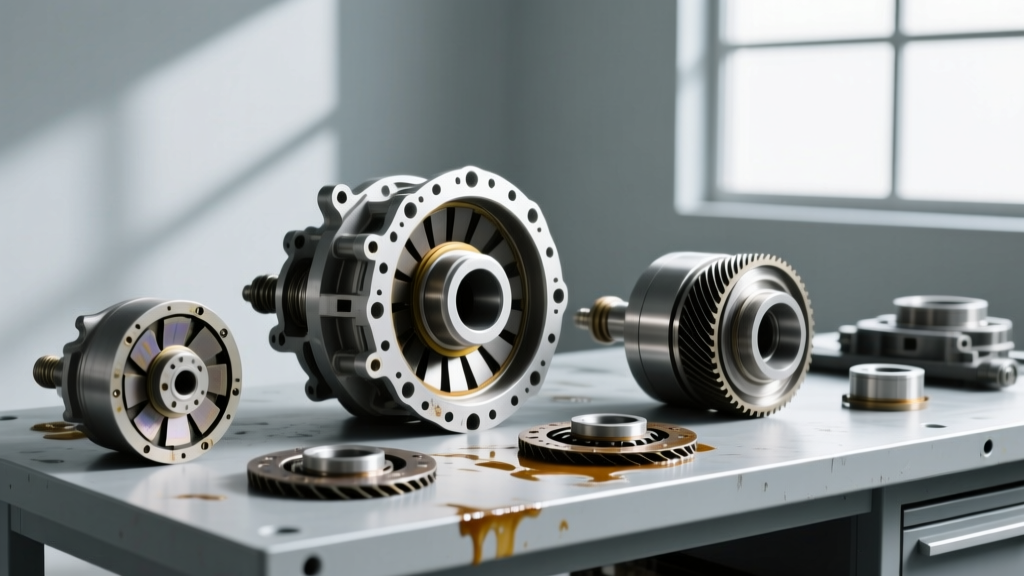
Seal failures—specifically the turbine shaft O-rings and the central hub seal—manifest as hydraulic deficiencies. The 10L80 relies on precise fluid routing to apply the TCC. If the hub seal degrades (often due to excessive heat or a worn converter hub surface), apply fluid bypasses the clutch. Symptoms include:
- Pronounced TCC shudder between 35–50 mph in 4th through 7th gears.
- Delayed engagement when shifting from Park to Reverse.
- Transmission fluid temperature (TFT) spikes due to continuous converter slip.
- Diagnostic Trouble Codes (DTCs) such as P0741 (TCC Stuck Off) or P2763 (TCC Pressure Control Solenoid High).
2026 Price Breakdown: Parts, Labor, and Hidden Fees
Addressing a bearing or seal issue inside a 10L80 torque converter requires transmission removal. There is no "in-car" fix for internal converter bearings. Below is the current 2026 market pricing for the most common repair pathways.
| Repair Strategy | Parts Cost | Labor Cost (Avg) | Fluid & Consumables | Total Estimated Cost |
|---|---|---|---|---|
| OEM Dealer Replacement | $950 - $1,250 | $1,350 - $1,650 | $220 | $2,520 - $3,120 |
| Independent Shop (Remanufactured) | $550 - $750 | $1,050 - $1,350 | $180 | $1,780 - $2,280 |
| Specialist Rebuild (Billet Upgrades) | $350 - $500 | $1,200 - $1,500 | $180 | $1,730 - $2,180 |
OEM vs. Aftermarket: Part Numbers and Pricing
When replacing the unit due to bearing seizure or severe seal scoring, part selection dictates longevity. The 10L80 requires exact lockup profiles to communicate with the Transmission Control Module (TCM).
- OEM GM Torque Converter: Typically priced between $950 and $1,250 through dealerships. Ensure you match the exact RPO code and stall speed for your application (e.g., Silverado 1500 vs. Camaro ZL1 10L90 variant).
- Remanufactured Units: Companies like Sonnax and Precision International supply rebuild kits featuring upgraded stator bearings and Viton O-rings that resist the high operating temperatures of the 10L80. A fully remanufactured unit with a billet front cover usually runs $550 to $750.
Crucial Consumable: You must use ACDelco Dexron ULV (Ultra Low Viscosity) fluid, part number 19355657. Do not substitute with standard Dexron VI. The 10L80 dry fill capacity is 11.2 quarts, but a standard service with a new converter requires approximately 9 to 10 quarts. At roughly $14–$18 per quart in 2026, fluid alone represents a $150+ line item.
Labor Realities: Why the 10L80 Demands Premium Shop Time
Labor is the most significant variable in this repair. The 10L80 is a physically dense unit, and accessing it in a 4WD Silverado or Sierra requires dropping the transfer case and rear crossmember. Most dealerships quote 8.5 to 10.0 hours of labor for a 4WD R&R (Removal and Replacement), while 2WD applications average 7.0 to 8.0 hours.
At an average 2026 independent shop rate of $145/hour and a dealer rate of $175/hour, labor alone will cost between $1,050 and $1,750. Furthermore, proper reinstallation demands strict adherence to torque specifications to prevent case warping or flexplate fatigue:
- Bellhousing to Engine Block: M10x1.5 bolts torqued to 37 lb-ft (50 Nm).
- Torque Converter to Flexplate: M8 bolts torqued to 33 lb-ft (45 Nm). Note: Always use new OEM flexplate bolts; they are torque-to-yield (TTY) and prone to snapping if reused.
- Cooler Line Fittings: 18 lb-ft to prevent stripping the aluminum case threads.
For deeper insights into 10-speed hydraulic routing and assembly protocols, transmission technicians frequently reference the Transmission Digest technical archives and GM's official GM Training and Certification portals.
Preventative Maintenance: Mitigating Bearing and Seal Wear
While some bearing failures are rooted in manufacturing variances, premature seal degradation is almost always heat-induced. The 10L80 operates with incredibly tight hydraulic tolerances, and Dexron ULV fluid is highly susceptible to shear and thermal breakdown when subjected to heavy towing or track use.
To protect your torque converter investment, consider the following upgrades:
- External Inline Filter: GM trucks equipped with the 10L80 utilize an external inline transmission filter. Many owners forget this exists. Replace it every 30,000 miles to prevent abrasive clutch material from circulating back into the converter hub and scoring the seal surface.
- Upgraded Transmission Cooler: Factory stacked-plate coolers are adequate for commuting, but aftermarket solutions from brands like Mishimoto or PPE can drop TFTs by 20°F to 30°F under load, vastly extending the life of the turbine shaft Viton O-rings.
- Fluid Analysis: Send a sample of your ULV fluid to a lab like Blackstone Laboratories at 50,000 miles. High levels of iron and copper indicate early stator bearing wear before catastrophic failure occurs.
Expert Verdict: Rebuild or Replace?
If your diagnostic confirms isolated seal degradation (e.g., TCC shudder with no metallic debris in the pan), sending your original OEM converter to a specialized torque converter rebuilder is the most cost-effective and reliable route. They will cut the cover, replace the turbine shaft O-rings, install a heavy-duty hub liner to prevent future seal wear, and weld it shut with precision balancing. This typically costs $350–$500 for the converter work, plus the shop's R&R labor.
However, if bearing failure has occurred and metallic debris has circulated through the 10L80's intricate valve body and clutch packs, simply swapping the converter is a temporary bandage. The metallic paste will lodge in the solenoid screens and TCC control valve, causing repeat failures within 5,000 miles. In cases of bearing fragmentation, budget for a complete transmission overhaul or a certified remanufactured long-block assembly, which pushes the total 2026 repair cost closer to the $4,500–$6,000 range. Always demand a complete machine flush of the transmission cooler lines before installing any new or rebuilt torque converter to void of cross-contamination.