The Physics of Torque Management: Cars vs. Off-Road
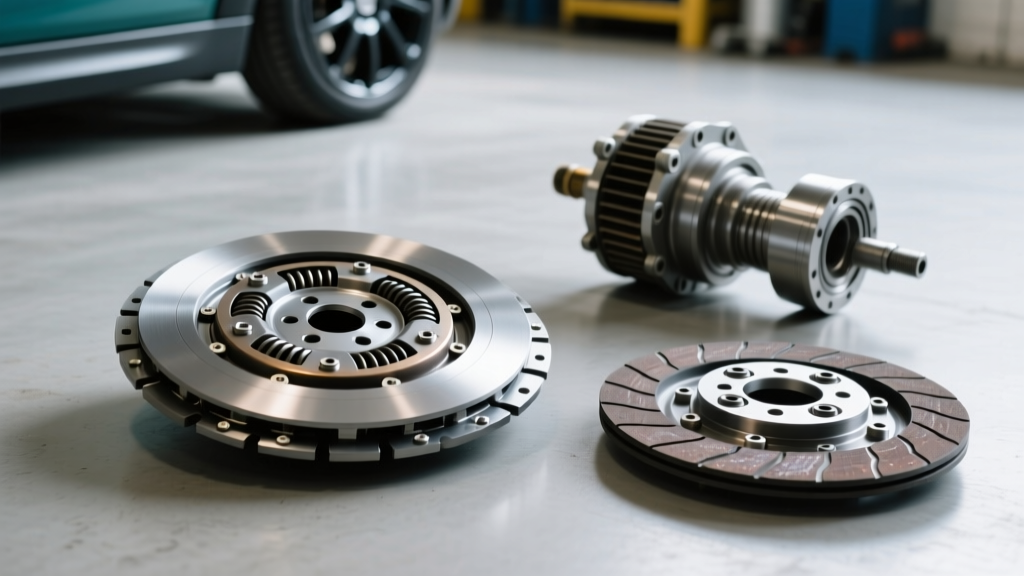
When automotive enthusiasts undertake a C5 Corvette clutch replacement to handle the massive torque output of the LS-series V8, the goal is almost always to increase clamping force without sacrificing drivability. Upgrading from a stock single-disc to a twin-disc setup increases surface area and bite, ensuring that 400+ lb-ft of torque reaches the Tremec T56 transmission without slipping. But what happens when you need to manage similar, violent torque spikes in the off-road world? As we navigate the 2026 off-road season, factory UTVs like the Polaris RZR Pro R and Can-Am Maverick X3 are pushing well past 220 horsepower, making the Continuously Variable Transmission (CVT) the critical bottleneck of the drivetrain.
While an ATV or UTV does not use a traditional friction clutch, the physics of torque management remain identical. In a manual car, you manage torque via pedal-operated friction discs. In a UTV, you manage it via centrifugal weights, spring tension, and variable sheave angles. This guide explores how the principles of high-performance automotive clutch upgrades translate directly to ATV and UTV CVT tuning, replacement, and optimization.
Why Stock UTV Clutches Fail Under Upgraded Power
Factory CVT systems are calibrated for a specific torque curve and average rider weight. When you add larger tires, a turbocharger, or simply ride aggressively in deep dunes, the stock clutching falls short. The primary failure point is rarely the metal clutch housing itself; it is the drive belt. When the secondary clutch fails to apply adequate lateral clamping force on the belt, the belt slips against the sheaves. This slip generates immense friction and heat, leading to glazing, cord separation, and ultimately, catastrophic belt failure.
Just as a C5 Corvette clutch replacement often involves upgrading to high-clamp-load pressure plates from manufacturers like McLeod Racing to prevent disc slip, a UTV requires upgraded secondary springs and precision-machined helixes to maintain belt grip under heavy load.
Common Symptoms of an Under-Clutched UTV
- Belt Slip and Burnt Odors: A distinct burnt rubber smell after hard acceleration or climbing steep, technical inclines.
- Sluggish Backshifting: The RPMs hang high when you let off the throttle, indicating the secondary spring lacks the torsion force to force the sheaves closed quickly.
- Loss of Top Speed or Low-End Grunt: Improper primary weight profiles cause the transmission to shift out too early or fail to reach full overdrive ratio.
- Excessive CVT Heat: The belt slip generates thermal energy that the CVT cooling fan cannot dissipate, triggering limp-mode on modern 2026 ECU maps.
Core Components of a Performance UTV CVT Upgrade
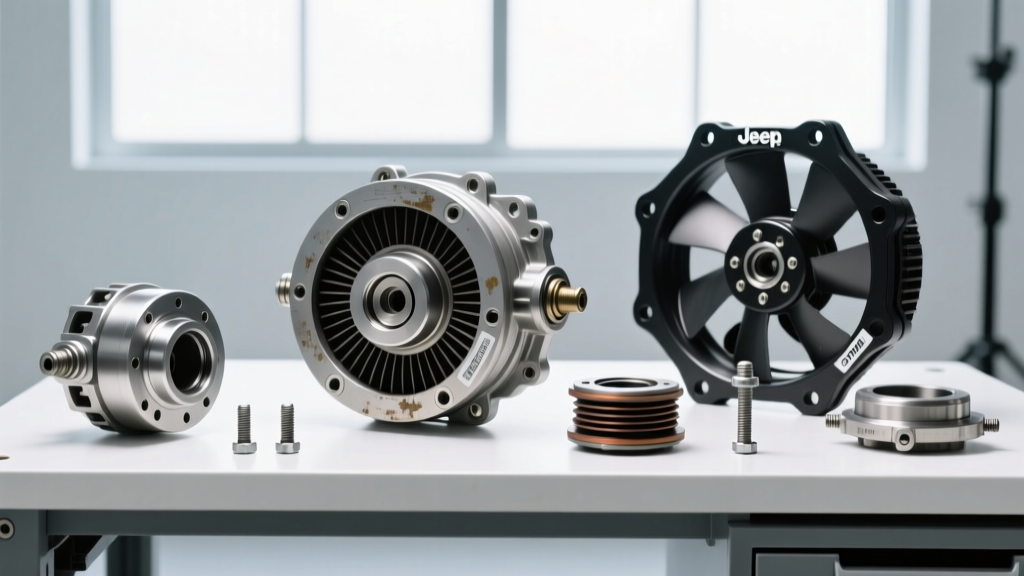
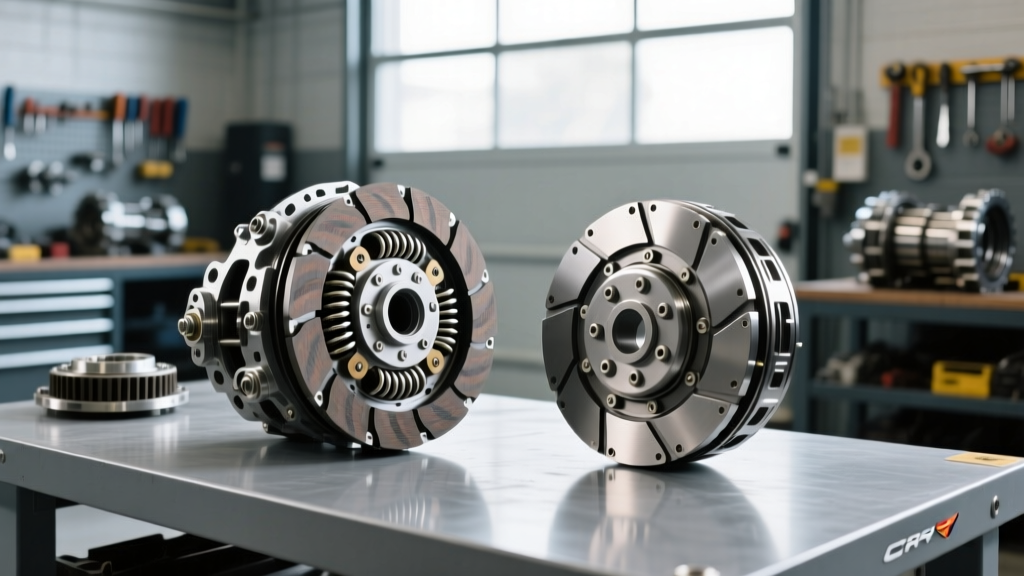
To properly replace and upgrade your UTV clutch system, you must understand the three pillars of CVT tuning: primary weights, secondary springs, and the helix. Leading aftermarket manufacturers like Dalton Industries and EPI engineer kits that address all three variables simultaneously.
| Component | Stock Setup (Typical 1000cc UTV) | Performance Upgrade (Stage 2 Dune/Trail) | Function & Torque Impact |
|---|---|---|---|
| Primary Weights | 58g One-Piece Cast Weights | 62g-68g Adjustable Pins (e.g., Dalton DSS) | Controls RPM engagement and shift-out curve. Heavier weights lower cruise RPMs and reduce belt slip. |
| Secondary Spring | 100/140 lb Torsion Spring | 140/220 lb Torsion Spring | Determines lateral clamping force on the belt. Stiffer springs prevent slip under high torque loads. |
| Helix Angle | 50/44 Degree | 52/40 Degree Multi-Angle | Dictates the speed of the backshift and the mechanical advantage applied to the belt during load. |
The Tuning Process: Weights, Springs, and Helix Angles
Replacing the clutch components is only half the battle; tuning them to your specific machine and tire setup is where the real performance is unlocked. When you increase the rotating mass of your drivetrain (such as installing 32-inch paddle tires or heavy mud tires), the engine requires more mechanical leverage to turn the wheels.
Primary Clutch Weight Profiling
Unlike traditional automotive flywheels, CVT primary weights utilize a specific profile (or curve). The tip of the weight dictates low-speed engagement, while the heel dictates top-speed shift-out. Adjustable weight systems allow you to add or remove grams via set screws or internal pins. For high-torque applications, moving the mass toward the heel of the weight helps keep the primary sheave closed longer, preventing the belt from riding too high and slipping under heavy throttle.
Secondary Spring Tension and Helix Geometry
This is the direct UTV equivalent of the clamping force addressed during a high-performance C5 Corvette clutch replacement. If your UTV produces 180 lb-ft of torque at the crank, the secondary spring must exert enough lateral pressure to keep the belt wedged tightly in the sheaves. Upgrading to a 140/220 lb spring provides the necessary bite. However, a stiffer spring requires a steeper helix angle (e.g., moving from a 44 to a 40-degree finish angle) to ensure the clutch can still backshift smoothly when the throttle is lifted. If the spring is too stiff for the helix angle, the vehicle will feel jerky and unresponsive at low speeds.
Installation Specs and Torque Requirements
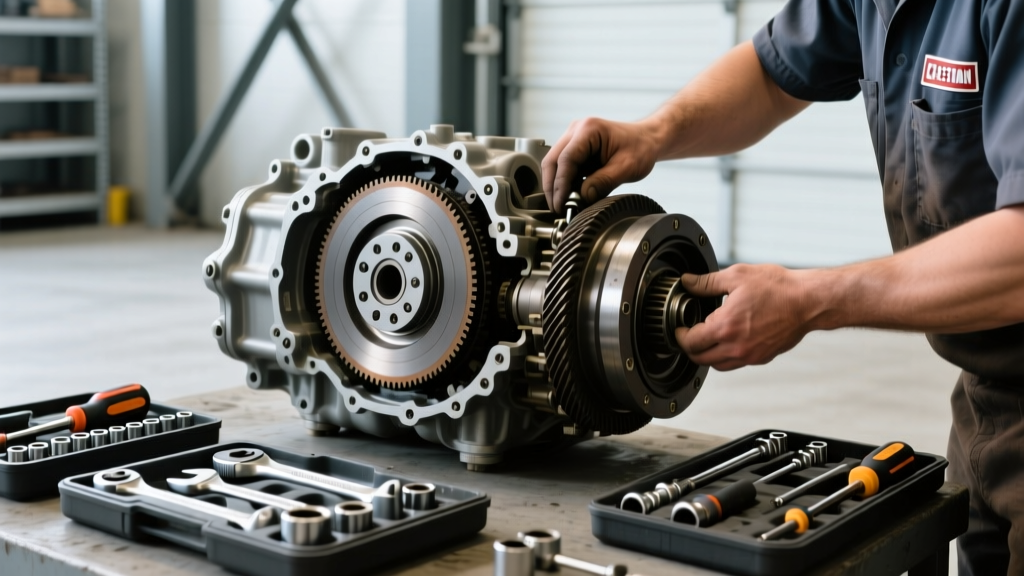
Proper installation of CVT components requires specialized tools and strict adherence to torque specifications. The crankshaft threads on modern UTVs are notoriously delicate, and stripping them is a costly mistake.
Required Tools
- Primary Clutch Puller: Do not use a standard automotive harmonic balancer puller. You must use the OEM-specific puller (e.g., Polaris OEM 2870911 or an aftermarket equivalent) that matches the exact thread pitch (often M14x1.5 or M16x1.5 depending on the manufacturer).
- Clutch Compressor Tool: Essential for safely compressing the secondary clutch spring to remove the snap ring without causing severe injury.
- Impact Wrench & Torque Wrench: A 1/2-inch drive torque wrench capable of up to 150 ft-lbs.
Critical Torque Specifications
While you should always consult your specific 2026 service manual, here are the standard torque baselines for popular 1000cc-class UTVs:
- Primary Clutch Mounting Bolt: 120 ft-lbs. Always apply a medium-strength threadlocker (Loctite 243) to the bolt threads. The vibration of a single-cylinder or twin-cylinder engine will back this bolt out if left dry.
- Secondary Clutch Mounting Bolt: 45 to 55 ft-lbs. Use a fresh washer and threadlocker.
- CVT Cover Bolts: 84 in-lbs (7 ft-lbs). Do not overtighten, as the magnesium or thin aluminum covers will strip easily.
Expert Tip: Before installing the primary clutch, ensure the crankshaft taper is completely free of oil, grease, and debris. The clutch relies entirely on the friction of the metal-to-metal taper to drive the transmission. A single drop of oil on the taper can cause the clutch to spin freely on the crank, destroying both components instantly.
Belt Alignment and Break-In Procedure
Once the upgraded clutch components are installed and torqued to spec, belt alignment must be verified. Using a straight edge across both clutches, ensure the belt sits perfectly flush. Misalignment by even a millimeter will cause rapid, uneven belt wear and premature failure. Furthermore, when installing a new performance drive belt (such as a Gates Carbon or OEM extreme-duty belt), a proper break-in procedure is mandatory. Ride the vehicle at half-throttle in low gear for the first 20 to 30 miles. This allows the belt cords to seat into the sheaves and generates a mild, controlled heat cycle that conditions the belt's composite materials for high-torque loads.
Final Thoughts on Drivetrain Efficiency
Whether you are managing the torque of a pushrod V8 through a C5 Corvette clutch replacement or tuning the CVT of a 200-horsepower UTV, the underlying mechanical philosophy is the same: maximize grip, minimize slip, and respect the thermal limits of your friction materials. By upgrading your roller weights, secondary springs, and helix angles, you transform your UTV's CVT from a fragile weak point into a robust, highly efficient torque converter capable of handling the most extreme off-road environments.