The Intersection of Thermal Management and Line Pressure
When engineering a high-horsepower vehicle, enthusiasts and tuners often obsess over cooling system efficiency. It is incredibly common to spend hours poring over a fan clutch solenoid diagram to ensure optimal PWM (Pulse Width Modulation) duty cycles for radiator airflow. However, thermal management is only half the battle. The true bottleneck in transmitting power to the wheels lies within the transmission itself—specifically, how the Transmission Control Module (TCM) manages clutch apply pressure based on data from the Transmission Fluid Pressure (TFP) sensor.
In 2026, modern powertrain electronics are more integrated than ever. The same foundational electronics knowledge required to wire and tune a standalone fan clutch solenoid is directly applicable to upgrading and recalibrating your transmission's line pressure control. If your TFP sensor data is inaccurate, or if your pressure control solenoids are operating on conservative OEM maps, your upgraded clutches will slip, overheat, and fail. This guide bridges the gap between basic solenoid wiring and advanced TFP sensor performance tuning.
Why the TFP Sensor Dictates High-Horsepower Longevity
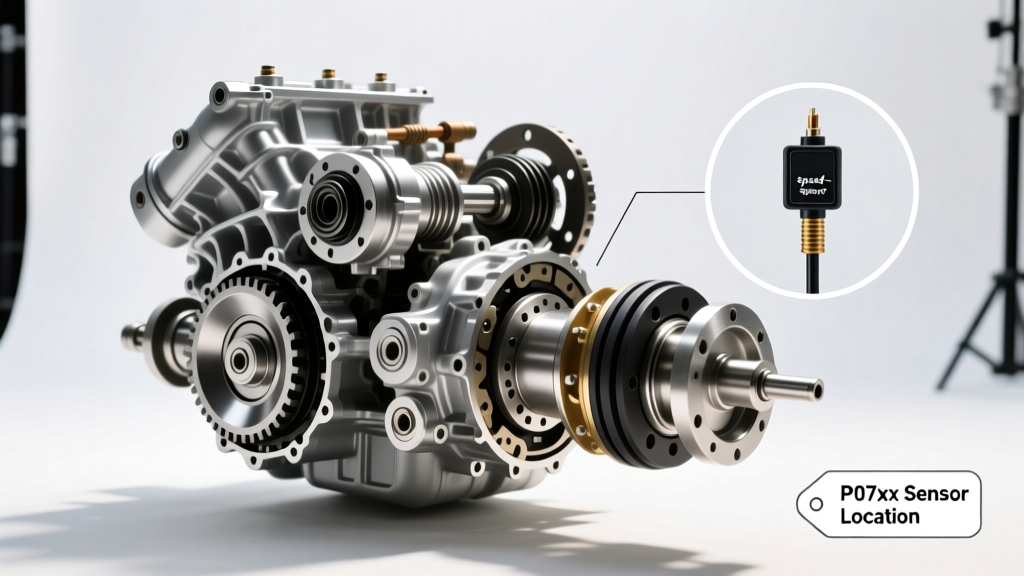
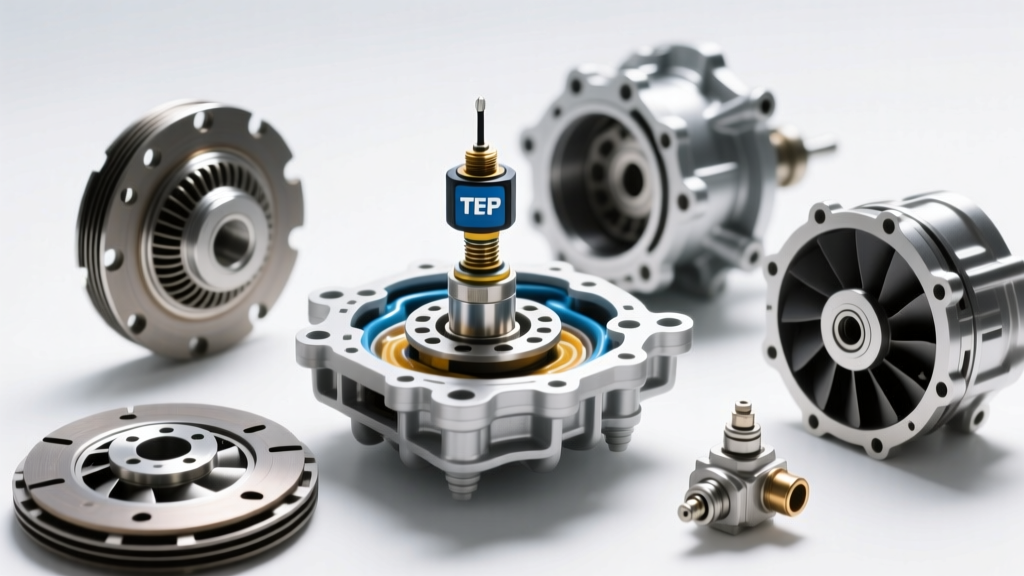
The Transmission Fluid Pressure sensor (often integrated into a pressure switch manifold or mechatronic unit) acts as the closed-loop feedback mechanism for the TCM. The TCM commands a specific line pressure via the Pressure Control (PC) solenoid, and the TFP sensor verifies that the actual hydraulic pressure matches the target.
In performance applications—such as a built 4L60E pushing 800 horsepower or a ZF 8HP handling 1,000 lb-ft of torque—the OEM pressure limits are insufficient. Upgrading the physical sensor hardware, modifying the valve body, and recalibrating the TCM's pressure tables are mandatory steps.
PWM Signals vs. Switch-Style Sensors
Older transmissions like the GM 4L60E utilize a simple 3-wire TFP switch. It merely tells the TCM if pressure is high or low based on a mechanical diaphragm. In contrast, modern units like the GM 6L80/6L90 and ZF 8HP use analog 5-volt reference pressure transducers. These provide a continuous, granular voltage signal (typically 0.5V to 4.5V) that translates to exact PSI or Bar readings. Understanding this distinction is critical when diagnosing DTCs like P0868 (Transmission Fluid Pressure Low) or P0873 (TFP Sensor Circuit High).
Decoding Solenoid Wiring: From Fan Clutch to TFP
Why compare a fan clutch solenoid diagram to transmission pressure control? Because both rely on high-frequency PWM signals managed by the ECU/TCM to modulate fluid or mechanical engagement. When wiring a standalone PWM fan controller, you must account for flyback diodes, 12V power feeds, and low-side ground switching.
Similarly, when upgrading a transmission's pressure control solenoid (such as installing a heavy-duty EPC solenoid in a 4L60E), you must ensure the TCM's internal driver can handle the increased amperage. A standard OEM EPC solenoid operates between 0.1A and 1.0A. If you install an aftermarket high-pressure solenoid without updating the TCM's current-limiting tables, you risk burning out the TCM driver circuit. Always cross-reference your solenoid wiring diagrams and verify the impedance (Ohms) of aftermarket components before flashing the TCM.
Platform-Specific TFP Upgrade & Calibration Guides
GM 6L80 / 6L90 TEHCM Pressure Limits
The GM 6L80 and 6L90 transmissions house the TCM and TFP sensors within the Transmission Electro-Hydraulic Control Module (TEHCM). The OEM pressure transducers are generally reliable up to 250 PSI. However, when building a 6L80 for drag racing or heavy towing, tuners frequently push line pressure toward 280-300 PSI to prevent clutch slip during 3-4 shifts.
- OEM Part Number: GM 24231902 (Pressure Switch Manifold)
- Upgrade Path: While the physical sensor rarely needs replacing unless it fails, the calibration must be altered. Using modern 2026 tuning suites, you must scale the TFP sensor voltage table to prevent the TCM from throwing a P0868 code when actual pressure exceeds the OEM 250 PSI ceiling.
- Cost: OEM TEHCM replacement runs $450–$600, while custom TCM pressure calibration by a professional tuner costs $300–$500.
ZF 8HP Mechatronic Adaptations
The ZF 8HP (found in Dodge Chargers, BMWs, and Ford F-150s) utilizes a mechatronic unit where the TFP sensors are integrated directly into the valve body casting. For Stage 2 and Stage 3 builds, the OEM mechatronic sleeve and pressure limits become a restriction.
- OEM Part Number: ZF 0501216243 (Mechatronic Pressure Sensor / Valve Body)
- Upgrade Path: Performance builds require an upgraded valve body (such as those from SunCoast or RPM) featuring stiffer pressure regulator springs and recalibrated TFP sensor scaling. The ZF TCM uses a highly adaptive learning algorithm; if physical line pressure is raised mechanically, the TCM must be flashed with modified 'Adaptation Limits' to prevent the system from entering limp mode.
Expert Insight: Never attempt to mechanically increase ZF 8HP line pressure via the EPC solenoid without simultaneously updating the TFP sensor scaling in the TCM. The closed-loop system will detect the discrepancy between commanded PWM duty cycle and actual sensor feedback, triggering immediate fail-safe mode.
TFP Sensor Performance Specifications Chart
| Transmission Model | OEM Sensor Type | Max OEM Pressure | Performance Target | Upgrade / Tuning Method |
|---|---|---|---|---|
| GM 4L60E | 3-Wire Mechanical Switch | ~180 PSI | 220+ PSI | TransGo SK-4L60E-HD2 Kit + EPC Solenoid |
| GM 6L80 / 6L90 | Analog 5V Transducer | 250 PSI | 280 - 300 PSI | TEHCM TCM Table Scaling (HP Tuners) |
| ZF 8HP (Gen 1/2) | Integrated Mechatronic | ~16 Bar (232 PSI) | 22 - 25 Bar | Aftermarket Valve Body + TCM Adaptation Flash |
| Ford 6R80 | Analog 5V Transducer | 240 PSI | 275 PSI | Custom TCM Line Pressure Multiplier Tables |
Precision Installation: Torque Specs & Best Practices
When replacing a TFP sensor manifold or upgrading a mechatronic unit, precision is non-negotiable. Cross-threading or over-torquing can crack the aluminum valve body or warp the TEHCM casing, leading to internal hydraulic cross-leaks that mimic a bad sensor.
GM 6L80 TEHCM Installation
When removing the TEHCM to access the internal pressure switches or replace the unit, you must use a new gasket. The TEHCM-to-case bolts are torque-to-yield in many applications, but standard replacement torque specs dictate 10 Nm (89 lb-in). Do not confuse lb-in with lb-ft; over-torquing these small bolts will strip the aluminum case threads instantly.
ZF 8HP Mechatronic Sleeve & Bolts
If you are dropping the ZF 8HP pan to replace the mechatronic unit or upgrade the valve body, the mechatronic-to-case Torx bolts require a strict sequence. The standard spec is 8 Nm + 45 degrees of additional turn. Furthermore, the mechatronic sleeve (which houses the electrical pass-through pins) must be torqued to 13 Nm. Always use a calibrated inch-pound or low-range Newton-meter torque wrench. For more in-depth hydraulic specifications, refer to the ZF Aftermarket technical portal.
Final Thoughts on Powertrain Electronics
Whether you are tracing a fan clutch solenoid diagram to keep your engine bay cool, or recalibrating a TFP sensor to keep your transmission clutches clamped under 1,000 horsepower, the underlying principle remains the same: modern performance is dictated by electronics. Upgrading physical hard parts is only effective if the sensors and TCM maps are scaled to support them. Invest in high-quality OEM or validated aftermarket pressure transducers, adhere strictly to torque specifications, and always verify your PWM duty cycles and pressure tables on the dyno before hitting the street.
For further reading on hydraulic line pressure control systems and valve body wear patterns, the technical resources at Sonnax Industries provide invaluable engineering data for transmission builders. Additionally, tuners utilizing HP Tuners VCM Suite should deeply study the 'Trans > Pressure' tabs to master the relationship between commanded EPC amps and TFP sensor feedback.