The Economics of Transmission Repair: Rebuilder Salary vs. Parts Cost
When evaluating the true cost of a transmission rebuild, most enthusiasts and shop owners focus strictly on the price of hard parts and fluids. However, the most critical variable in the rebuild-cost equation is the human element. In 2026, the average transmission rebuilder salary for a master-level specialist ranges from $85,000 to over $110,000 annually, depending on region and union affiliations. According to the Bureau of Labor Statistics, highly specialized automotive technicians command premium wages due to the severe shortage of diagnostic and hydraulic expertise in the modern workforce.
This high transmission rebuilder salary directly dictates shop overhead, pushing professional labor rates to $140–$190 per hour. When a shop bills 14 hours for a teardown, diagnosis, and rebuild of a complex 8-speed unit, the labor cost alone easily exceeds $2,200. Because professional shops cannot financially survive 'comebacks' (warranty repairs done for free), master rebuilders refuse to compromise on transmission rebuild kit selection. They exclusively use premium OEM or corrected aftermarket kits to protect their time and the shop's bottom line.
For the DIY enthusiast or independent mechanic, understanding this economic reality is the key to a successful rebuild. If you are eliminating the transmission rebuilder salary from your cost equation by doing the work yourself, you must reinvest those saved labor dollars into the exact same premium rebuild kits the professionals use.
Labor vs. Parts: The Rebuild Cost Matrix
| Cost Factor | Professional Shop (Paying Rebuilder Salary) | DIY Enthusiast (Zero Labor Cost) |
|---|---|---|
| Effective Labor Rate | $140 - $190 / hour | $0 (Sweat Equity) |
| Kit Tier Selected | Premium OEM + Shift Correction | Often Budget / Incomplete |
| Comeback Risk | Financial Ruin / Warranty Loss | Second Teardown Required |
| Optimal Strategy | OEM Master + Performance Upgrades | Reinvest Labor Savings into OEM Kit |
Decoding Transmission Rebuild Kit Selection Tiers
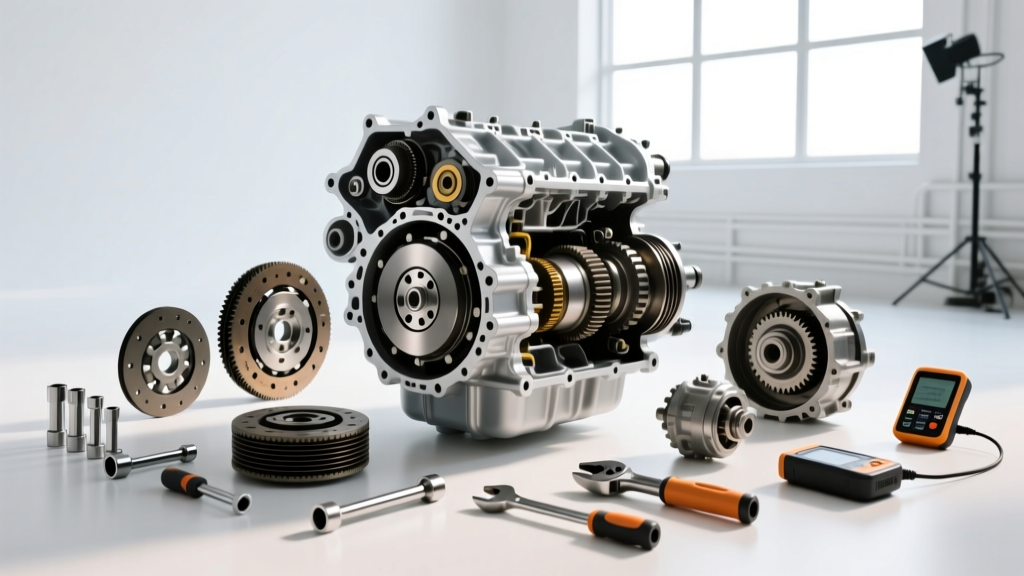
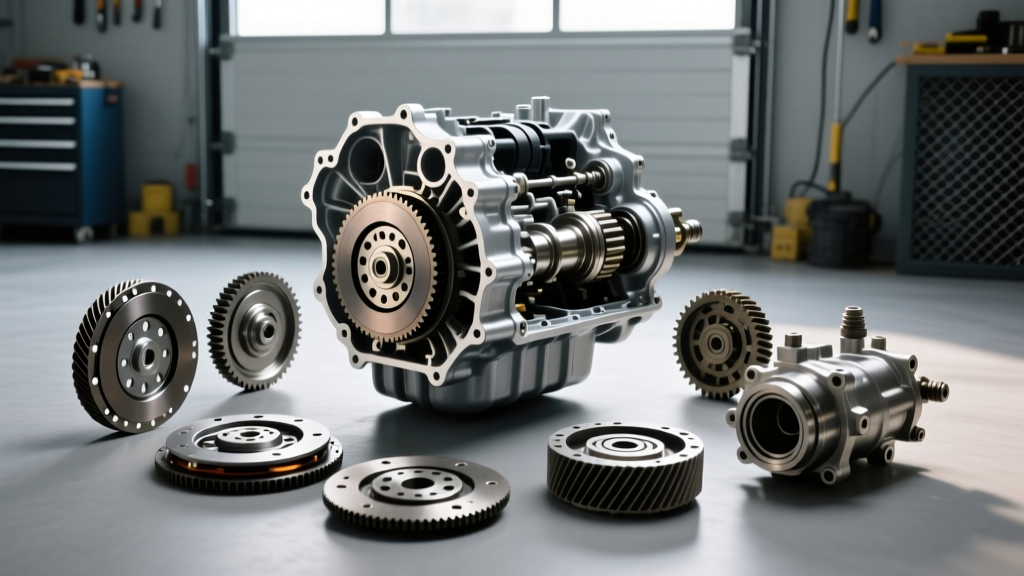
Not all rebuild kits are created equal. A 'master kit' from one manufacturer may include only basic paper gaskets and standard nitrile lip seals, while another includes Viton seals, updated PTFE sealing rings, and high-energy friction clutches. Here is how professionals categorize kit selection.
Tier 1: OEM and Premium Master Overhaul Kits
Premium master kits (sourced from suppliers like Precision International, Transstar, or direct OEM dealerships) are the baseline for any reliable rebuild. These kits include all paper gaskets, rubber O-rings, lip seals, metal-clad seals, friction clutches, and steel plates. For modern units like the GM 6L80 or Ford 10R80, premium kits utilize updated materials that resist the higher operating temperatures and aggressive synthetic fluids (like Dexron ULV or Mercon ULV) used in 2026 powertrains. Expect to pay between $350 and $600 for a true premium master kit.
Tier 2: Shift Correction and Valve Body Kits
Even OEM kits have engineering flaws. Master rebuilders supplement standard overhaul kits with shift correction packages from industry leaders like Sonnax Industries or TransGo. These kits address specific hydraulic leaks, worn valve body bores, and pressure regulator failures that a standard seal kit cannot fix. Ignoring these known flaws is the primary cause of post-rebuild shudder and delayed engagements.
Tier 3: The 'White Box' Budget Kits
Budget kits, often found on auction sites for under $150, are a trap. They frequently omit critical sealing rings, use outdated friction materials that glaze under high torque, and feature paper gaskets that tear during torque converter pressurization. Professionals avoiding the loss of their hard-earned transmission rebuilder salary will never install a white-box kit, and neither should you.
Model-Specific Kit Selection Best Practices
To illustrate the importance of precise kit selection, let us examine two of the most commonly rebuilt modern transmissions on the road today.
GM 6L80 / 6L90 Applications
The GM 6L80 is notorious for specific failure points that a standard gasket-and-seal kit will not address. When selecting a rebuild kit for the 6L80, your procurement list must include:
- Raybestos GPZ or BorgWarner High-Energy Frictions: The OEM 3-5-R and 4-5-6 clutches are prone to burning up under heavy towing or tuned V8 applications. Upgrading the friction module is mandatory.
- Sonnax Zip Kit (GM-6L80-ZIP): Addresses chronic pressure switch and solenoid regulator bore wear in the valve body.
- Upgraded 3-5-R Wave Plate: The OEM wave plate is known to fracture, sending metal debris through the clutch hub. Many pros substitute it with a modified flat steel and extra friction setup.
Critical Torque Specs: When reassembling the 6L80, the TEHCM (Transmission Electro-Hydraulic Control Module) to valve body bolts must be torqued to exactly 10 Nm (89 in-lbs). Over-torquing will crack the plastic TEHCM housing, instantly destroying a $400 component. The oil pump bolts require 25 Nm (18 lb-ft).
ZF 8HP45 / 8HP70 (Chrysler, BMW, Jeep)
The ZF 8-speed is a masterpiece of engineering but requires meticulous kit selection due to its integrated mechatronic design. A standard seal kit is insufficient.
- Mechatronic Adapter Sleeve: The original plastic adapter sleeve degrades, causing electrical connection leaks and 'Transmission Fault' limp modes. Your kit must include the updated Sonnax or OEM reinforced sleeve.
- Bridge Seals: The molded rubber bridge seals between the mechatronic unit and the clutch packs tear easily. Ensure your kit includes the latest revision of these seals.
- Fluid Compatibility: ZF units are highly sensitive to fluid friction modifiers. You must budget for ZF Lifeguard 8 or an officially licensed equivalent; using generic 'multi-vehicle' fluids will cause immediate clutch shudder.
Critical Torque Specs: The mechatronic unit to case bolts are strictly 10 Nm (89 in-lbs). The output flange nut requires a massive 350 Nm (258 lb-ft) and a specialized holding tool to prevent twisting the output shaft.
The DIY vs. Professional Rebuilder Dilemma
According to the Automatic Transmission Service Group (ATSG), over 60% of DIY transmission rebuild failures are traced back to improper seal selection, missed TSB (Technical Service Bulletin) updates, or the use of incomplete budget kits. When a professional shop charges $3,500 for a rebuild, a large portion of that invoice goes toward the transmission rebuilder salary and the shop's warranty insurance. The rebuilder's expertise allows them to measure clutch clearances with a dial indicator (typically targeting 0.040' to 0.060' per clutch pack) and perform wet-air tests on the valve body before final assembly.
If you are taking on the rebuild yourself to save money, you must adopt the professional's procurement strategy. Do not buy the cheapest kit on the internet. Buy the OEM master kit, add the necessary shift correction components, and purchase the official assembly manual. By reinvesting the $2,000 you saved on labor into a $600 premium parts package and specialized tools, you bridge the gap between a DIY gamble and a professional-grade repair.
Expert Checklist for Kit Procurement
Before clicking 'checkout' on your transmission rebuild kit, verify the following against your specific transmission tag and VIN:
- Spline Count and Friction Count: Manufacturers frequently change the number of frictions and steels mid-production year (e.g., early vs. late 6L80). Count your steels before ordering.
- Seal Material: Ensure lip seals are Viton or high-temp silicone, not cheap nitrile rubber which hardens and leaks within 10,000 miles.
- Bushing Inclusion: Many 'master' kits do not include bushings. If your unit has worn bushings (common on the stator support of older GM 4L60Es), you must order a separate bushing kit and a set of driver tools.
- Filter Depth: Verify pan depth. A shallow pan filter installed in a deep pan will starve the pump of fluid, causing immediate cavitation and clutch burnout.
Ultimately, the high cost of a transmission rebuilder salary is a reflection of the immense responsibility and precision required to restore modern hydraulic drivetrains. By respecting the engineering and selecting the correct, comprehensive rebuild kits, you ensure your transmission operates flawlessly for the next 150,000 miles.