The Powerglide Dilemma: Rebuild or Replace in 2026?
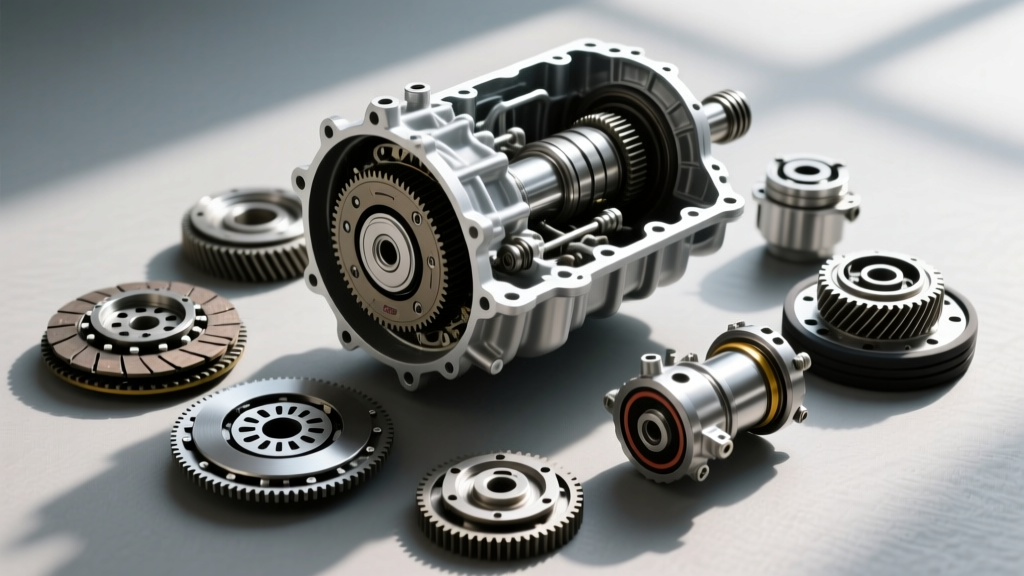
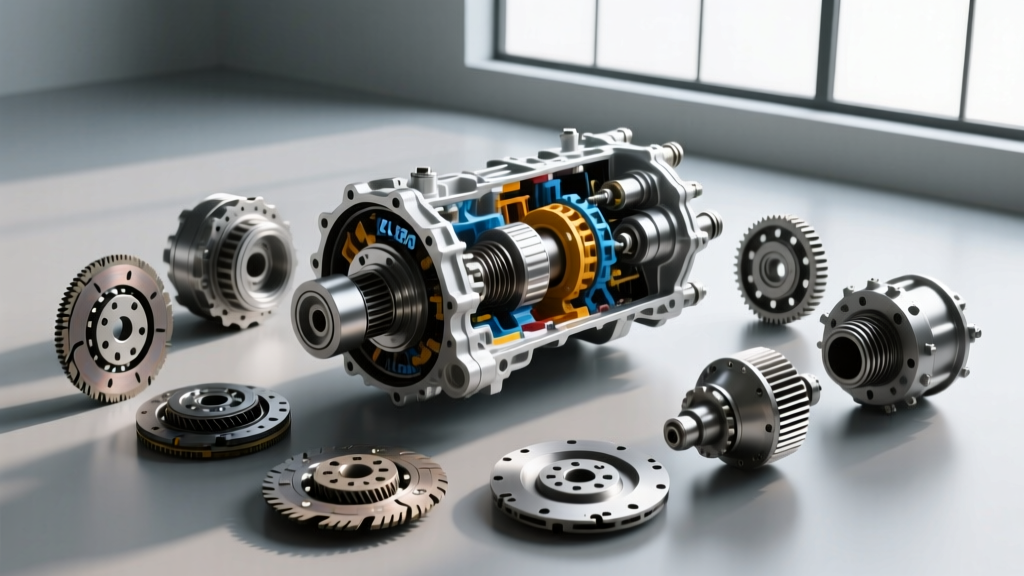
The GM Powerglide is arguably the most legendary two-speed automatic transmission ever engineered. Originally introduced in the 1950s, its simplistic design, lightweight aluminum case (introduced in 1962), and incredible durability have made it the undisputed king of modern drag racing, rock crawling, and classic restomod builds. However, when a vintage core fails or you are planning a high-horsepower build, every builder faces the same critical crossroad: should you perform a complete powerglide transmission rebuild from scratch, or invest in a crate replacement?
Making the wrong choice can cost you thousands of dollars and compromise your vehicle's performance. In this step-by-step guide, we will walk you through the exact evaluation process, complete with 2026 market pricing, hard-part inspections, and application-specific requirements, to help you make the most logical and cost-effective decision for your drivetrain.
Step 1: Evaluate the Core Cast and Internal Hard Parts
Before spending a dime on a rebuild kit or a crate unit, you must assess the physical condition of your existing transmission core. The viability of a rebuild hinges entirely on the structural integrity of the case and the main hard parts.
Inspecting the Case and Bellhousing
Early Powerglides featured heavy cast-iron cases, but the vast majority of performance cores are aluminum. The most common failure point on an aluminum Powerglide case is cracking around the bellhousing mounting ears or the pump mounting area, usually caused by improper engine-to-transmission alignment or excessive torque converter pressure. If your case is cracked near the pump stator support, the core is generally scrap. While aftermarket cases from manufacturers like Summit Racing exist, buying a bare aftermarket case and transferring your internals often pushes the cost past that of a complete crate unit.
Checking the Planetary Gearset and Input Shaft
Powerglides utilize either a 1.76:1 (typically V8 applications) or 1.82:1 (typically inline-six applications) planetary gear ratio. Pull the input shaft and inspect the splines. If the splines are twisted or stripped—a common occurrence in cars running trans-brakes without adequate line pressure—you will need a replacement. Furthermore, inspect the sun gear shell. The stock stamped-steel sun gear shell is notorious for stripping out under high torque. If your sun gear shell is damaged, you must upgrade to a hardened aftermarket shell, which immediately alters your rebuild budget.
Step 2: Calculate the True Cost of a Powerglide Transmission Rebuild
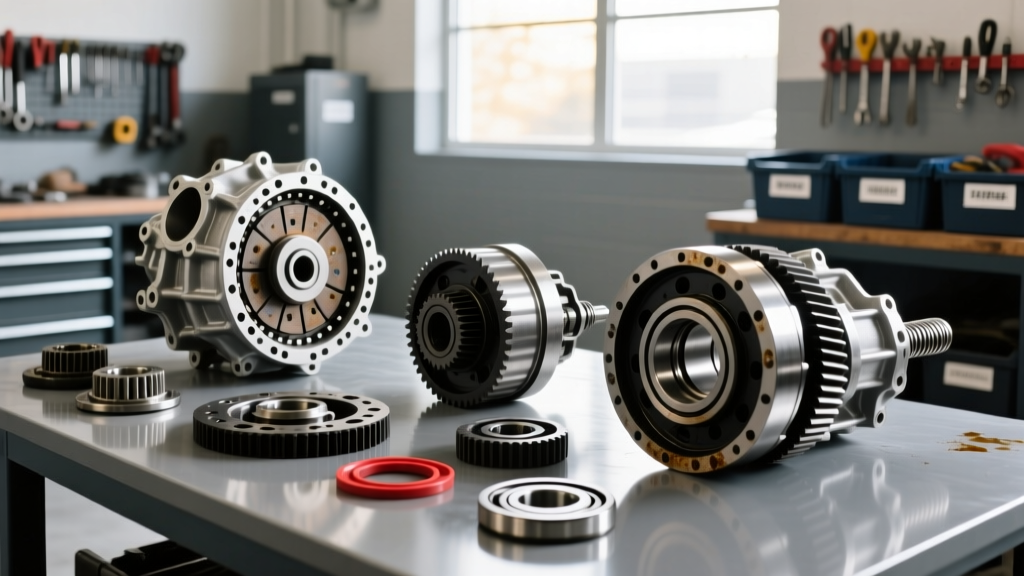
If your core case is straight and the hard parts are salvageable, a DIY or local-shop rebuild becomes a highly attractive option. However, you must account for both soft parts (clutches, seals) and mandatory hard-part upgrades for modern performance standards.
Soft Parts and Master Kits
A standard master overhaul kit (which includes friction clutches, steel plates, the low band, paper gaskets, rubber O-rings, and sealing rings) typically costs between $140 and $220 in 2026. For high-horsepower applications, you will want to upgrade to a high-energy friction set (like those from BorgWarner or Alto), which pushes the soft-parts budget closer to $300.
Mandatory Hard Part Upgrades
You cannot safely rebuild a Powerglide for anything beyond mild street use with 100% stock internals. Expect to purchase the following:
- 300M or 4340 Chromoly Input Shaft: $160 - $250 (Essential for preventing spline twist above 450 HP).
- Hardened Sun Gear Shell: $85 - $120 (Prevents catastrophic planetary failure).
- Deep Aluminum Pan & Filter Kit: $60 - $90 (Increases fluid capacity and cooling).
- Machine Shop Services: $150 - $300 (Case facing, pump align-honing, and drum machining).
Total Estimated Rebuild Cost: $600 to $1,100 (assuming your core case, valve body, and torque converter are reusable).
Step 3: Analyze Crate and Remanufactured Replacement Options
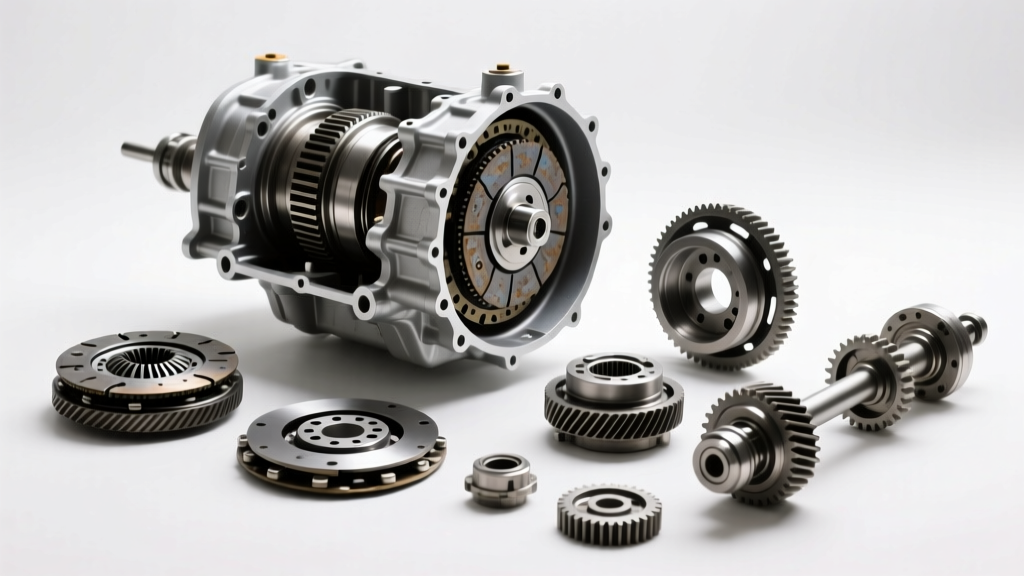
If your core is cracked, heavily scored, or if you simply lack the specialized tools (such as a custom spring compressor and dial indicators for endplay setup), replacing the unit with a professionally assembled crate transmission is the superior route. The aftermarket support for the Powerglide in 2026 is massive, catering to everything from bracket racers to Pro Mod teams.
Street and Mild Performance Replacements
For a classic Chevy restomod or a weekend cruiser, a remanufactured street Powerglide from a reputable builder will cost between $1,200 and $1,600. These units typically feature refreshed hard parts, a stock-style valve body, and a standard 1.76 gearset. They are bolt-in ready and usually carry a 12-to-24-month warranty.
Race-Prep Crate Powerglides
If you are building a dedicated drag car, companies like ATI Performance Products and TCI Automotive offer fully assembled, race-ready Pro-Glide style transmissions. These units feature:
- Billet aluminum cases (e.g., Reid Racing Supernova case) for zero flex.
- Straight-cut 1.80:1 planetary gearsets for maximum strength and reduced friction.
- Trans-brake compatible valve bodies with manual shift patterns.
- Billet direct clutch drums and high-capacity servo assemblies.
Total Replacement Cost (Race-Prep): $2,200 to $3,800+ depending on the torque converter pairing and case material.
Step 4: Match the Drivetrain to Your Performance Application
The decision to rebuild or replace isn't just about money; it is about physics. The Powerglide's internal architecture must match the stress you intend to put on it.
The Trans-Brake Factor
If your build utilizes a trans-brake for drag racing, the transmission experiences instantaneous, violent torque multiplication upon release. A stock-cased powerglide transmission rebuild will almost certainly result in a fractured case or shattered planetary under these conditions. For trans-brake applications, replacing your stock core with a billet or cast-alloy aftermarket case (like those from Reid or JW Performance) is non-negotiable. In this scenario, the "replacement" route (or a rebuild utilizing a brand-new aftermarket case) is the only safe choice.
Rock Crawling and Off-Road
In the rock crawling community, the Powerglide is prized for its low-drag, simple design when paired with an Atlas transfer case. Here, a stock-cased rebuild is often perfectly adequate, provided you upgrade the input shaft and use a heavy-duty low band. The cost savings of a DIY rebuild can be redirected toward a better transfer case or axle gearing.
Step 5: The Final Decision Matrix
Use the comparison table below to finalize your decision based on your specific scenario, budget, and mechanical capability.
| Decision Factor | DIY / Local Rebuild | Crate / Remanufactured Replacement |
|---|---|---|
| Core Condition | Case is straight, no major cracks, pump is salvageable. | Case is cracked, heavily scored, or missing. |
| Estimated Cost (2026) | $600 - $1,100 | $1,400 - $3,800+ |
| Turnaround Time | 1 to 3 weeks (sourcing parts and machine shop time). | 3 to 7 days (shipping and bolt-in installation). |
| Warranty | None (DIY) or Shop-dependent (typically 90 days). | 12 to 24 months (standard for reputable crate builders). |
| Best Application | Street rods, mild crawlers, budget bracket racers. | Trans-brake drag cars, Pro Mod, high-HP restomods. |
Critical Assembly Specs and Fluid Guidelines
If you choose the rebuild route, adhering to precise assembly specifications is what separates a reliable transmission from a catastrophic failure. Always use a calibrated torque wrench during assembly.
Key Torque Specifications
- Pump-to-Case Bolts: 13 - 18 ft-lbs (Use thread locker; overtightening will distort the pump gear bore and cause immediate pressure loss).
- Tailhousing-to-Case Bolts: 25 - 30 ft-lbs.
- Flexplate-to-Torque Converter Nuts: 35 - 40 ft-lbs (Ensure the converter is fully seated into the front pump before tightening to avoid cracking the pump housing).
- Output Shaft Nut: 55 - 65 ft-lbs (Must be staked or secured with a high-strength thread locker).
Fluid Capacity and Selection
A stock Powerglide with a standard pan holds roughly 9 to 10 quarts of fluid. However, with a deep aftermarket pan and a large-diameter torque converter, total system capacity can reach 12 to 14 quarts. For street and mild race applications, a high-quality Type F or synthetic automatic transmission fluid is recommended for its aggressive friction characteristics, which help the direct clutch pack lock up instantly and prevent slippage. For dedicated race cars running high-line-pressure manual valve bodies, specialized race fluids like Trick Shift or ATF+4 equivalents provide the necessary shear stability under extreme heat.
Conclusion: Making the Right Drivetrain Investment
Deciding between a powerglide transmission rebuild and a full replacement ultimately comes down to the condition of your core and the demands of your horsepower goals. If you have a clean, straight aluminum case and are building a street-driven classic or a mild bracket car, a meticulous rebuild with upgraded hard parts offers unmatched financial value. However, if you are stepping into the realm of trans-brakes, 8-second passes, or high-stakes rock crawling, investing in a specialized crate replacement or an aftermarket-case build is mandatory for survival. Evaluate your core honestly, respect the torque specs, and choose the path that keeps your powertrain reliably on the pavement or the trail.