Understanding the Transmission Output Shaft Speed Sensor
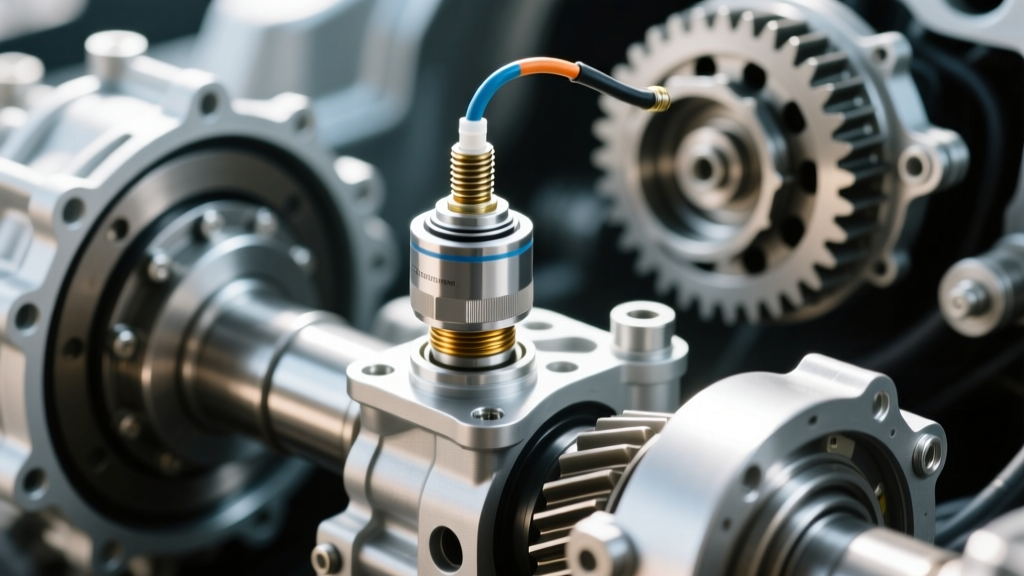
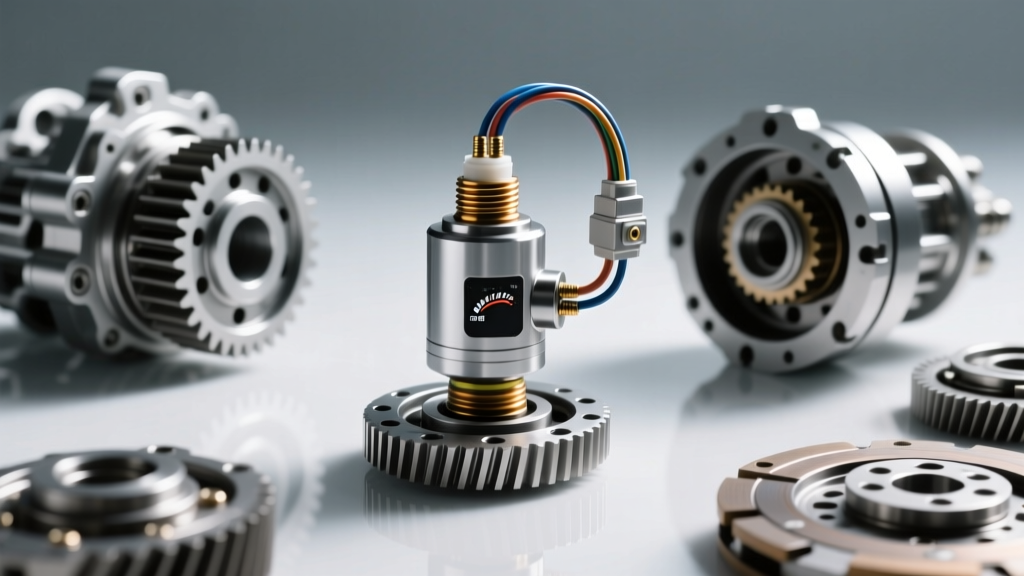
The transmission output shaft speed sensor (OSS) is a critical Hall-effect or magneto-resistive component that monitors the rotational speed of the transmission's output shaft. The Transmission Control Module (TCM) relies on this data to calculate vehicle speed, determine precise shift timing, manage torque converter clutch (TCC) lockup, and detect gear ratio slip. When the OSS fails, it typically triggers OBD-II diagnostic trouble codes P0720 (Output Speed Sensor Circuit Malfunction) or P0722 (Output Speed Sensor No Signal), immediately forcing the vehicle into limp mode and disabling overdrive gears.
If you are searching for the exact transmission output shaft speed sensor cost in 2026, you will quickly discover that the price varies wildly depending on your specific transmission model. While the sensor itself is often a relatively inexpensive piece of electronics, modern transmission architectures have integrated these sensors into complex mechatronic units, turning a simple $30 repair into a $1,500+ ordeal. This model-specific repair guide breaks down the real-world costs, part numbers, and labor requirements for the most common transmissions on the road today.
The 2026 Cost Landscape: Why "Just a Sensor" is a Myth
Historically, speed sensors were externally mounted on the transmission extension housing. You could unbolt them, swap the O-ring, and plug in a new pigtail in under ten minutes. However, modern 6-speed, 8-speed, and 10-speed automatic transmissions prioritize reduced parasitic drag and tighter packaging. As a result, manufacturers like GM and ZF have moved the OSS inside the transmission pan, integrating it directly into the valve body or Transmission Electro-Hydraulic Control Module (TEHCM).
Therefore, calculating the true transmission speed sensor cost requires factoring in collateral expenses: specialized synthetic ATF, reusable or one-time-use pan gaskets, and internal wiring harnesses. Below is a comprehensive breakdown of what you can expect to pay at an independent shop versus a dealership in 2026.
Model-Specific Repair & Cost Breakdown
| Transmission Model | Sensor Location | OEM Part Cost | Labor Time | Total Shop Cost | DIY Difficulty |
|---|---|---|---|---|---|
| GM 4L60E / 4L80E | External (Tailhousing) | $25 - $45 | 0.3 hrs | $85 - $140 | Very Easy |
| Chrysler 45RFE / 545RFE / 65RFE | External (Left Case) | $45 - $75 | 0.5 hrs | $120 - $180 | Easy |
| GM 6L80 / 6L90 | Internal (TEHCM) | $450 - $800 (TEHCM) | 2.5 hrs | $850 - $1,400 | Advanced |
| ZF 8HP45 / 8HP70 | Internal (Mechatronic) | $1,200+ (Mechatronic) | 4.0 hrs | $1,800 - $2,500 | Expert Only |
Deep Dive: Specific Transmission Architectures
GM 4L60E & 4L80E: The DIY-Friendly Baseline
For older GM trucks, SUVs, and performance cars equipped with the legendary 4L60E or heavy-duty 4L80E, the transmission output shaft speed sensor is mounted externally on the passenger side of the extension housing. It reads a reluctor ring located on the output shaft.
- OEM Part Number: ACDelco 213-3858 (Available via ACDelco or aftermarket equivalents like Standard PC719).
- Hardware: Secured by a single 8mm or 10mm head bolt.
- Torque Spec: 11 Nm (97 lb-in). Do not overtighten, as the aluminum case threads strip easily.
- Fluid Loss: Negligible. The sensor O-ring seals against the case above the fluid line when the vehicle is parked on level ground. You will lose less than an ounce of Dexron VI ATF.
- Real-World Cost: Under $50 for the part, and zero dollars in collateral fluid or gasket costs.
Chrysler 45RFE, 545RFE, and 65RFE: The External Threaded Standard
Stellantis (formerly Chrysler/Dodge/Jeep) utilized the RFE family of transmissions in millions of Ram trucks and Jeep Grand Cherokees. These units feature both an Input Speed Sensor (ISS) and an Output Speed Sensor (OSS) threaded directly into the left side of the transmission case.
- OEM Part Number: Mopar 05174179AA (Often cross-referenced with Standard Motor Products 5S16324).
- Pro-Tip: The ISS and OSS are physically identical. If you are dropping the pan to replace the solenoid pack anyway, it is highly recommended to replace both speed sensors simultaneously to save on future labor.
- Torque Spec: 20 Nm (15 lb-ft).
- Collateral Costs: None required if accessed externally, but if the wiring harness connector is brittle (common on 2005-2011 models), budget an extra $35 for a replacement pigtail.
GM 6L80 & 6L90: The TEHCM Integration Trap
This is where the transmission output shaft speed sensor cost shocks most DIYers. On the GM 6-speed RWD family, the ISS and OSS are not standalone components. They are surface-mounted or integrated into the internal wiring harness and sensor block of the Transmission Electro-Hydraulic Control Module (TEHCM), which sits inside the transmission pan.
GM does not sell the speed sensors individually. If your OSS fails with a P0722 code, the dealership will quote you for an entirely new TEHCM assembly, which costs between $600 and $850 for the part alone, plus programming and fluid. However, the aftermarket has caught up. You can now purchase TEHCM internal wiring harness and sensor board repair kits from RockAuto or specialized transmission suppliers for around $120 to $180. This requires removing the valve body, carefully desoldering or unplugging the old sensor block, and installing the new one. It requires advanced mechanical skill and strict adherence to clean-room protocols to prevent debris from entering the valve body.
ZF 8HP45 / 8HP70: The Mechatronic Soldering Nightmare
The ZF 8-speed automatic, found in everything from Dodge Chargers to BMWs and F-150s, represents the pinnacle of transmission integration. The speed sensors are soldered directly onto the printed circuit board (PCB) of the Mechatronic unit (the combined valve body and TCM).
According to ZF Aftermarket documentation, these sensors are not serviced separately. A failure requires replacing the entire Mechatronic unit. A new OEM Mechatronic unit costs between $1,500 and $2,200, and requires proprietary ZF software to program the clutch adaptation values to the transmission. Independent transmission shops with advanced micro-soldering capabilities can sometimes replace the failed Hall-effect chip on the PCB for $400-$600, but this is rare. Furthermore, dropping the ZF 8HP pan requires replacing the integrated plastic fluid filter/pan assembly ($150) and refilling with 5 to 6 liters of ZF LifeguardFluid 8, which costs roughly $45 per quart in 2026.
Hidden Collateral Costs You Must Anticipate
When budgeting for an internal speed sensor replacement, the part price is only the tip of the iceberg. You must account for the following mandatory maintenance items that accompany a pan drop:
- Synthetic ATF: Modern 8-speed and 10-speed transmissions hold between 9 and 12 liters of fluid dry. A pan drop and filter change will drain 5 to 7 liters. At $20-$45 per quart for OEM-equivalent fluids (like Motorcraft Mercon ULV or ZF Lifeguard), expect to spend $150-$250 on fluid alone.
- Pan Gaskets and Filters: Many modern transmissions use RTV silicone sealant instead of a traditional cork or rubber gasket. You must purchase a tube of high-temp transmission RTV (e.g., Permatex Ultra Black) and thoroughly clean the mating surfaces. If your transmission uses a plastic pan with an integrated filter (like the ZF 8HP or GM 9G-Tronic), the entire $150+ plastic assembly must be replaced, as the filter cannot be removed separately.
- TCM Programming/Adaptation: On vehicles where the TCM is integrated into the transmission (like the GM 6L80 or ZF 8HP), replacing the unit requires a J2534 pass-through programming tool to flash the latest calibration files and reset the shift adapt values. Shops typically charge $150-$250 for this software service.
Diagnostic vs. Replacement: Don't Throw Parts at Codes
Before purchasing a new transmission output shaft speed sensor, you must verify that the sensor is actually the point of failure. P0720 and P0722 codes are frequently caused by damaged wiring, not failed internal electronics.
- Inspect the Harness: Check the external wiring harness for chafing against the exhaust cross-over, transmission crossmember, or driveshaft. Melted insulation causing a short to ground is a leading cause of speed sensor codes.
- Check the 5V Reference: Using a digital multimeter, back-probe the sensor connector. You should have a clean 5-volt reference from the TCM on the supply wire, and a solid ground on the return wire. If the 5V reference is missing, the issue is a broken wire or a faulty TCM, not the sensor.
- Oscilloscope Analysis: For intermittent dropouts (where the sensor works cold but fails when hot), an oscilloscope is mandatory. A healthy OSS will display a crisp, square-wave voltage signal that increases in frequency as the output shaft spins faster. A rounded or dropping waveform indicates a failing Hall-effect chip or excessive air gap due to a worn output shaft bearing.
Final Verdict: Should You DIY or Hire a Pro?
If you drive a vehicle with an externally mounted sensor (GM 4L60E, Chrysler RFE series, older Toyota A-series), the transmission speed sensor cost is incredibly low, and the DIY repair takes less than 30 minutes with basic hand tools. It is a no-brainer for home mechanics.
However, if you own a modern vehicle with an integrated TEHCM or ZF Mechatronic unit, the risk of contaminating the valve body with debris or improperly torquing internal valve body bolts is exceptionally high. In these scenarios, the "cost" of a mistake is a complete transmission rebuild. For internal sensor architectures, investing in a reputable independent transmission specialist who possesses the correct OEM scan tools and clean-room environments is the most financially sound decision you can make in 2026.