The Reality: Do Nissan Altimas Have Transmission Problems at High Mileage?
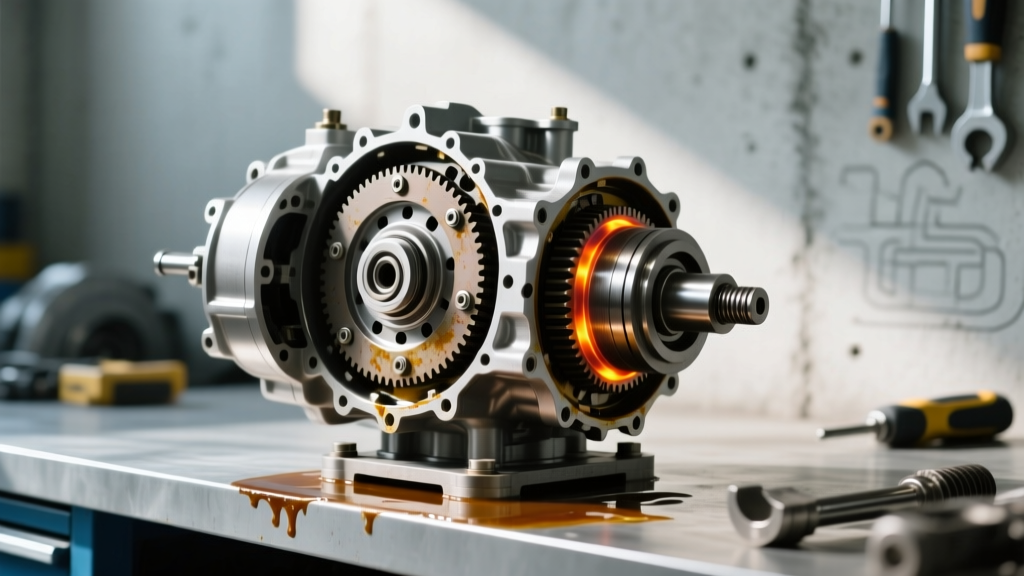
When prospective buyers or current owners ask, do Nissan Altimas have transmission problems, the answer requires a nuanced understanding of continuously variable transmissions (CVTs). The short answer is yes—particularly as these vehicles cross the 100,000-mile threshold without rigorous, specialized maintenance. Unlike traditional planetary gear automatics, the Altima’s CVT relies on a steel push-belt or chain riding on variable-diameter pulleys. At high mileage, microscopic metal wear and fluid friction modifier depletion create a cascading failure loop.
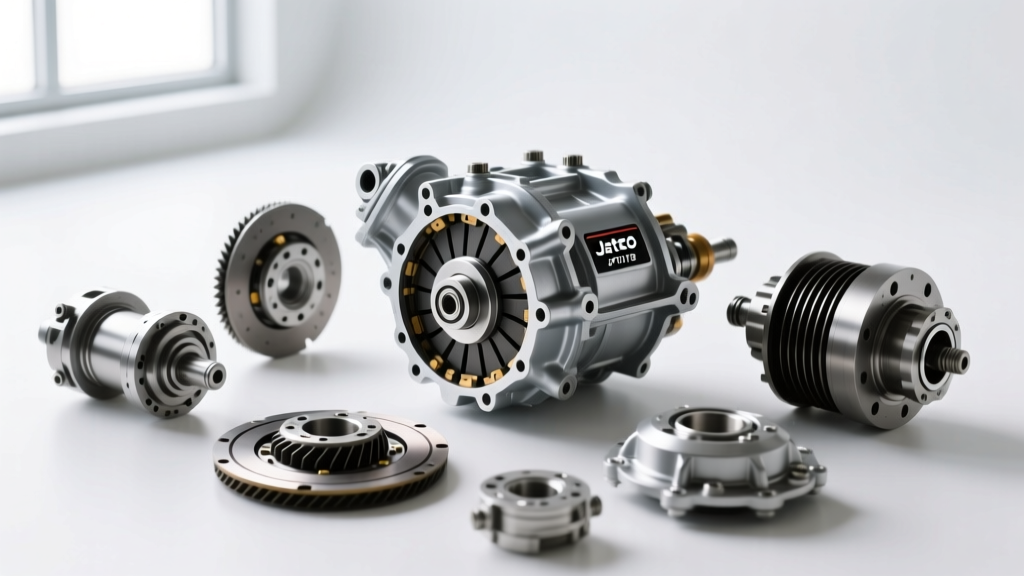
As of 2026, the aftermarket and diagnostic support for Nissan’s Jatco-built CVTs has matured significantly. High-mileage Altimas are no longer automatic write-offs when the transmission shudders, provided you understand the specific failure modes of your generation and adhere to a severe-duty preventive maintenance protocol.
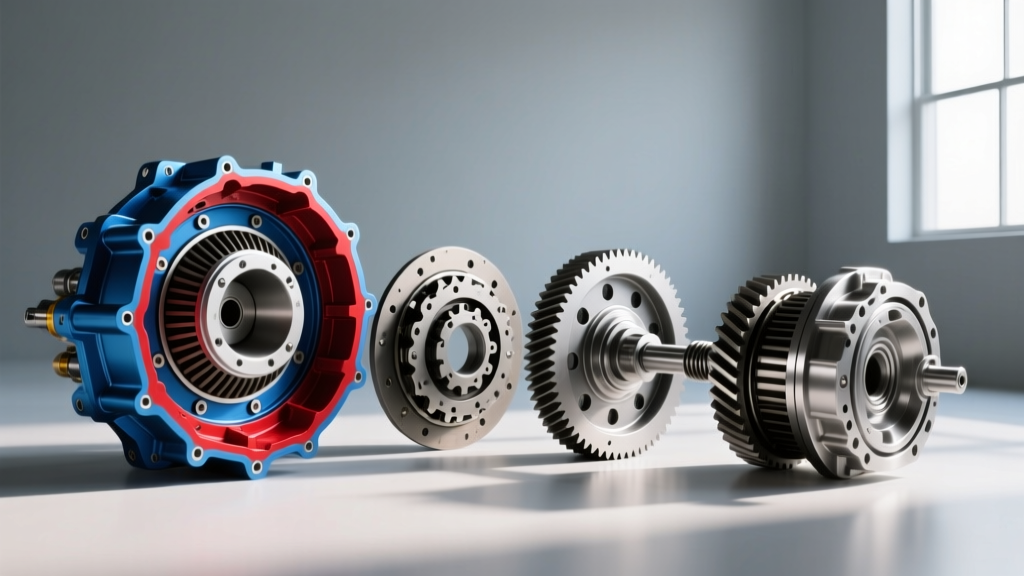
Jatco JF011E vs. JF016E: Knowing Your Generation
To diagnose or prevent high-mileage issues, you must first identify which Jatco transmission is bolted to your engine block:
- JF011E (RE0F10A): Found in 2007–2012 Altimas. This generation is notorious for stepper motor failures and premature valve body wear. It utilizes Nissan NS-2 fluid.
- JF016E (RE0F11A): Found in 2013 and newer Altimas. Nissan eliminated the mechanical stepper motor in favor of electronic solenoid control and introduced a chain-driven variator for higher torque capacity. It requires Nissan NS-3 fluid.
Critical Failure Points in High-Mileage Altima CVTs
Understanding why these units fail is the first step in preventive diagnosis. Based on teardown data and Sonnax engineering bulletins, the following components are the primary culprits in high-mileage degradation:
1. Valve Body Solenoid Bore Wear
The valve body acts as the hydraulic brain of the CVT. In high-mileage units, the continuous cycling of the pressure control solenoids wears out the aluminum bore sleeves. This causes hydraulic cross-leaks, resulting in delayed engagement, harsh shifting, and ultimately, insufficient clamping pressure on the pulleys.
2. Push-Belt and Pulley Slippage
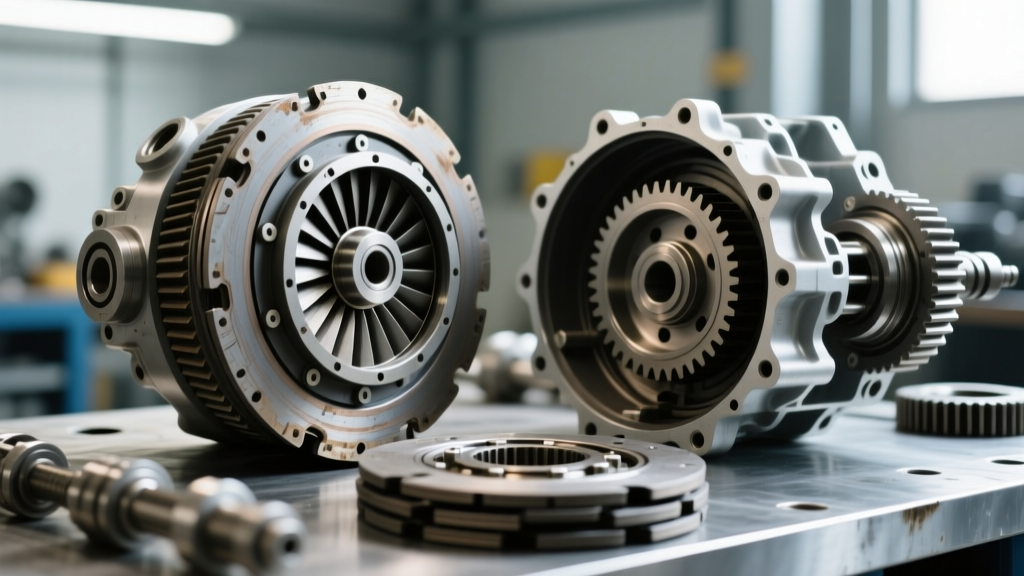
If the hydraulic pressure drops due to worn valve body bores or degraded fluid, the primary and secondary pulleys cannot clamp the steel belt tightly enough. The belt slips, scoring the conical faces of the pulleys. Once the pulleys are scored, no amount of fresh fluid will fix the shudder; the variator assembly must be replaced.
3. Cooler Return Filter Clogging
Many owners forget that the JF016E features an external, inline cartridge filter (often located near the transmission cooler lines). If this filter clogs with clutch material and metal particulate, fluid flow to the cooler is restricted, leading to catastrophic thermal breakdown of the NS-3 fluid.
Preventive Maintenance Protocol: The 30,000-Mile Lifeline
Nissan’s historical owner manuals often labeled CVT fluid as "lifetime" under normal driving conditions. However, real-world transmission specialists and data from the NHTSA vehicle complaint database confirm that "lifetime" fluid leads to premature high-mileage failure. To keep a high-mileage Altima on the road, you must treat the CVT as a severe-duty component.
Fluid Specifications and Parts Data Table
Using the incorrect fluid will cause immediate variator slippage. NS-2 and NS-3 are not interchangeable. Below is the exact parts list for a comprehensive high-mileage service on a 2013+ JF016E Altima.
| Component | OEM Part Number | Specification / Capacity | Est. Cost (2026) |
|---|---|---|---|
| CVT Fluid (NS-3) | 999MP-NS300P | 7.7 Liters (Drain & Fill) | $120 - $160 |
| Pan Strainer Filter | 31728-1XF03 | 1 per service | $25 - $40 |
| Cooler Return Cartridge | 31726-1XZ01 | 1 per service | $30 - $50 |
| Drain Plug Gasket | 31397-1XF0C | 1 per service | $3 - $5 |
| CVT Pan Gasket (RTV) | N/A (Use Nissan RTV) | 1 tube | $15 - $20 |
Step-by-Step High-Mileage CVT Fluid Service Guide
Servicing a Nissan CVT is vastly different from a traditional automatic. There is no dipstick for checking the final fluid level; it relies on a temperature-sensitive overflow plug. Follow these exact parameters to avoid overfilling (which causes aeration and foaming) or underfilling (which causes pump cavitation).
- Initial Drain: Raise the vehicle on a level lift. Remove the 10mm hex drain plug from the CVT pan. Torque spec for reinstallation: 25 Nm (18 ft-lbs) with a new crush washer.
- Pan Removal & Cleaning: Remove the perimeter M6 pan bolts. Torque spec: 7.9 Nm (5.8 ft-lbs). Drop the pan, remove the old strainer (31728-1XF03), and clean the pan and magnets thoroughly with brake cleaner. Inspect the magnets: a fine gray paste is normal; large metal chunks indicate internal variator failure.
- Cartridge Filter Replacement: Locate the inline cooler return filter housing near the cooler lines. Unthread the housing, swap the cartridge, and lubricate the new O-ring with fresh NS-3 fluid before reinstalling.
- Refill Procedure: Reinstall the pan using a 1mm bead of high-temperature RTV sealant. Refill the transmission through the fill plug or dipstick tube with exactly 5 liters of NS-3 to start.
- Temperature Equalization: Start the engine. Connect a bi-directional OBD2 scanner capable of reading Nissan-specific transmission data PIDs. Monitor the CVT Fluid Temperature parameter.
- The Overflow Check: Once the fluid temperature reaches exactly 40°C (104°F), locate the overflow plug on the side of the transmission casing. With the engine idling, remove the overflow plug. Fluid will pour out. When it slows to a steady, thin drip, reinstall the plug. The fluid level is now mathematically perfect.
Expert Note: Never perform the overflow check when the fluid is hot (above 50°C). Fluid expands with heat; checking it hot will result in a critically low fluid level once the unit cools, leading to immediate pump starvation and belt slip upon your next highway acceleration.
When Preventive Maintenance Fails: Diagnostic Trouble Codes (DTCs)
If your high-mileage Altima is already exhibiting symptoms, you must pull the transmission control module (TCM) codes. Generic OBD2 readers often miss manufacturer-specific CVT codes. You need a scanner that can read Nissan TCM proprietary codes. Look for the following:
- P0868 (Secondary Pressure Down): This is the death knell for many high-mileage CVTs. It means the TCM is commanding high pressure, but the physical hydraulic pressure is dropping. This usually indicates a worn valve body or a failing secondary pressure sensor.
- P1777 (Step Motor Circuit): Exclusive to the older JF011E. The stepper motor that physically moves the ratio control valve has failed or the harness is damaged.
- P0746 (Pressure Control Solenoid A Performance): Indicates that the solenoid is electrically functional but mechanically sticking due to debris or bore wear in the valve body.
Cost-Benefit Analysis: Repair vs. Replace
If your high-mileage Altima triggers a P0868 code and exhibits severe shudder, you face a critical financial decision. Here is the 2026 market breakdown for Jatco CVT repairs:
- Valve Body Replacement: If caught early before the belt slips, installing a remanufactured valve body with upgraded Sonnax Zip Kit sleeves costs between $900 and $1,400 (parts and labor).
- Full CVT Remanufactured Replacement: If the belt has slipped and scored the pulleys, the entire unit is compromised. A factory-remanufactured Jatco unit installed at an independent specialist will range from $3,800 to $5,200.
- Used Junkyard CVT: Priced around $800 to $1,200, plus $1,000 in labor. Highly discouraged. Given the universal high-mileage wear issues of these units, dropping in an untested used CVT is a statistical gamble that rarely pays off.
Final Verdict for Altima Owners
So, do Nissan Altimas have transmission problems? Yes, the engineering tolerances of the Jatco CVTs require flawless hydraulic pressure to survive past 120,000 miles. However, by abandoning the "lifetime fluid" myth, executing precise 30,000-mile drain-and-fill services using OEM NS-3 fluid, and replacing both the internal strainer and external cartridge filters, you can drastically alter the longevity curve of your vehicle. For high-mileage Altimas, meticulous preventive maintenance isn't just a recommendation—it is the only barrier between your daily driver and a $5,000 transmission replacement.