The Short Answer: Average Motorcycle Clutch Costs
If you are a new rider experiencing a slipping clutch or a stiff lever, your first question is likely about the financial damage. So, how much does a new clutch cost for a motorcycle in 2026? The short answer is that a basic aftermarket friction plate kit costs between $70 and $150, while a full OEM clutch assembly can exceed $400. When you factor in professional labor, a dealership replacement typically ranges from $350 to $750 depending on the bike's architecture.
Unlike cars, where a clutch replacement often requires dropping the entire transmission and can cost upwards of $1,500, most motorcycles feature easily accessible side-cover wet clutches. This makes motorcycle clutch replacement one of the most cost-effective and beginner-friendly mechanical jobs you can tackle in your garage.
| Cost Category | Budget / DIY Route | OEM / Dealership Route |
|---|---|---|
| Friction Plates Only | $70 - $120 (Aftermarket) | $150 - $250 (OEM) |
| Clutch Springs | $25 - $40 | $40 - $65 |
| Steel Separator Plates | $60 - $90 | $120 - $200 |
| Clutch Cover Gasket | $15 - $25 | $20 - $40 |
| Engine Oil (JASO MA2) | $40 - $60 | $50 - $80 |
| Labor (2-3 Hours) | $0 (Sweat Equity) | $240 - $450 |
| Total Estimated Cost | $210 - $335 | $620 - $1,085 |
OEM vs. Aftermarket: What Are You Paying For?
When pricing out your parts, you will quickly notice a divide between Original Equipment Manufacturer (OEM) parts and aftermarket specialists like EBC Brakes, Barnett, and Hinson. Understanding this difference is crucial for your wallet and your bike's performance.
Aftermarket Friction Kits (The Beginner's Best Friend)
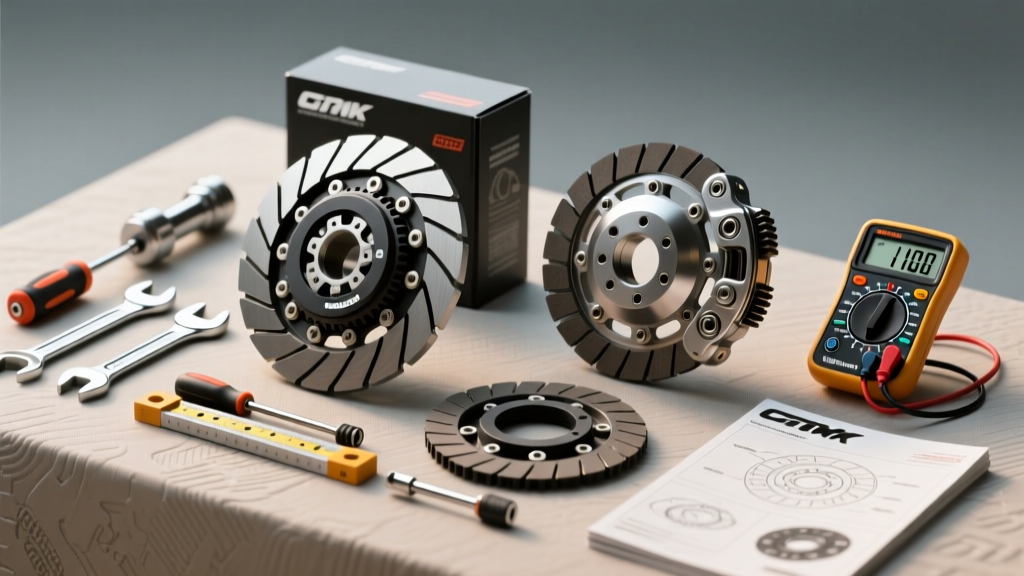
For 90% of street riders and beginners, an aftermarket Kevlar or carbon-fiber friction plate kit is the smartest choice. Brands like EBC (specifically their CK Series) offer incredible bite and heat resistance at roughly half the price of OEM friction plates. For a popular beginner bike like the Yamaha MT-07, an EBC CK3584 clutch kit costs around $95. These kits utilize high-density friction material that resists glazing and fading far better than standard OEM paper/cork composites.
Full Clutch Assemblies and Heavy-Duty Springs
If your clutch is slipping under hard acceleration but the friction plates measure within spec, your clutch springs may have sagged due to heat cycling. Upgrading to heavy-duty aftermarket springs (usually color-coded green, red, or gold depending on the brand) increases clamping force by 10% to 15%. This costs about $35 but requires slightly more lever effort.
The Dirt Bike Premium: Billet Baskets
If you ride a modern motocross bike like a KTM 450 SX-F with a DDS (Damped Diaphragm Steel) clutch, costs escalate quickly. While standard friction plates are cheap, replacing a grooved or notched inner steel hub or upgrading to a full Barnett Tool & Engineering billet clutch basket can push parts costs well past $800. Fortunately, this is rarely necessary for casual trail riders or street commuters.
Hidden Costs: Gaskets, Fluids, and Specialty Tools
Beginners often order a clutch kit and forget the ancillary items required to put the bike back together safely. Failing to budget for these will leave your motorcycle stranded on the lift.
- Clutch Cover Gasket ($15 - $30): Never reuse a crushed paper or metal-coated gasket. Doing so guarantees an oil leak onto your rear tire, which is incredibly dangerous.
- JASO MA/MA2 Certified Oil ($40 - $60): Most motorcycles share engine oil with the transmission and clutch. You must use oil certified for wet clutches.
- Clutch Hub Holding Tool ($40 - $60): If your clutch center nut requires removal (common on single-cylinder dirt bikes and some cruisers), you cannot simply use an impact wrench without risking transmission damage. A universal holding tool, like the Motion Pro Clutch Hub Holder, locks the basket in place so you can safely apply torque.
Critical Warning for Beginners: Never use standard automotive motor oil in a motorcycle. Automotive oils contain friction modifiers (often marked as 'Energy Conserving' on the API donut) designed to reduce engine drag. These modifiers will coat your clutch plates and cause immediate, severe slippage. Always look for the JASO MA or MA2 certification on the bottle.
Real-World Cost Scenarios by Motorcycle Type
To give you a clearer picture of what to expect, let us break down the costs for three distinct categories of motorcycles commonly ridden by beginners and enthusiasts.
1. The Beginner Naked Bike (Yamaha MT-07 / FZ-07)
The CP2 parallel-twin engine is famously reliable, but high-mileage examples will eventually need fresh friction plates. The clutch is located behind the right-side engine cover.
Parts: EBC CK3584 Friction Kit ($95), OEM Cover Gasket ($18), Motul 7100 10W-40 Oil ($55).
Total DIY Cost: ~$168.
Dealership Cost: ~$550.
2. The American Cruiser (Harley-Davidson Sportster)
Sportsters utilize a primary chaincase that houses the clutch, separate from the engine oil. This requires draining the primary fluid and removing the derby cover and primary housing.
Parts: Barnett Extra Plate Kevlar Kit ($185), Primary Gasket Set ($35), Harley Formula+ Primary Fluid ($30).
Total DIY Cost: ~$250.
Independent Shop Cost: ~$600.
3. The Dual-Sport (Honda CRF300L / Rally)
Single-cylinder dual-sports are easy to work on but require a lock nut tool for the clutch center. The clutch basket is also prone to notching if not maintained.
Parts: OEM Honda Friction/Steel Kit ($140), Clutch Cover Gasket ($12), Pro Honda GN4 10W-40 ($45).
Total DIY Cost: ~$197.
Dealership Cost: ~$480.
DIY vs. Professional Labor: Where the Real Money is Saved
Dealership labor rates in 2026 average between $140 and $190 per hour. A standard clutch replacement is booked at 2.0 to 2.5 hours. By performing the job yourself, you save $300 to $450 in labor alone. Furthermore, a beginner with basic hand metrics tools, a torque wrench, and a RevZilla Common Tread maintenance guide can complete this job in an afternoon. The side-cover wet clutch design is explicitly meant to be a user-serviceable wear item.
Essential DIY Specs: Torque, Assembly, and Safety
If you decide to take the DIY route to save on labor costs, precision is mandatory. Stripping an aluminum engine case thread is a costly beginner mistake. Follow these universal rules for motorcycle clutch assembly:
- Soak the Friction Plates: Before installation, submerge your new fiber/Kevlar friction plates in fresh engine oil for at least 2 hours (or overnight). Installing them dry will cause immediate scorching and glazing upon first startup.
- Measure the Steel Plates: Use a digital micrometer or caliper to measure the steel separator plates. If they are warped (check on a flat glass surface with a feeler gauge) or worn below the manufacturer's minimum thickness (usually 1.6mm to 2.0mm), they must be replaced. Worn steel plates will destroy your new friction plates in under 500 miles.
- Stagger the Plate Tabs: When sliding the plates into the clutch basket, do not force them. Stagger the installation slightly to allow the tabs to seat smoothly into the basket fingers without bending.
- Respect Torque Specifications: Engine case bolts are small (usually M6) and thread directly into soft aluminum. For most Japanese sport and naked bikes, M6 clutch cover bolts require exactly 8 to 10 Nm. Clutch spring bolts usually require 7 to 9 Nm. Always use a 1/4-inch drive torque wrench; a 1/2-inch wrench is too clumsy and will snap the bolt.
- Cross-Pattern Tightening: Tighten the clutch spring bolts in a crisscross star pattern to ensure even pressure on the pressure plate. Uneven loading will result in clutch drag and difficulty finding neutral at stoplights.
When to Stop Riding and Replace Your Clutch
Clutches rarely fail catastrophically without warning. As a beginner, learn to read the symptoms of wear. If your engine RPMs surge when you roll on the throttle in 3rd gear or higher, but your speed does not increase proportionally, your clutch is slipping. If your clutch lever feels unusually stiff, the cable may be fraying, or the clutch basket fingers may be notched, preventing the plates from disengaging smoothly. Addressing these issues early prevents the friction material from wearing down to the steel rivets, which will score your expensive aluminum clutch basket and turn a $100 repair into a $600 nightmare.