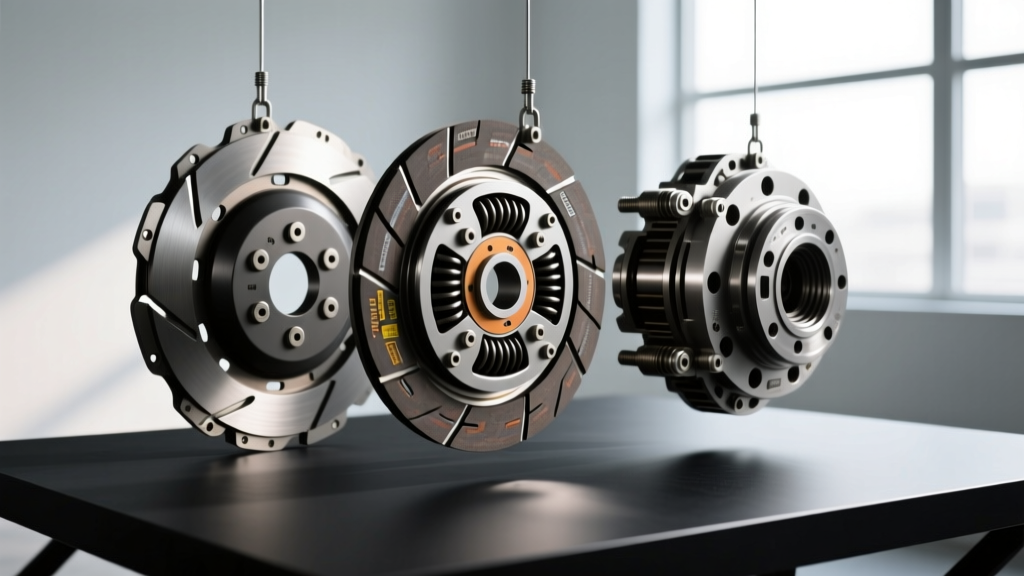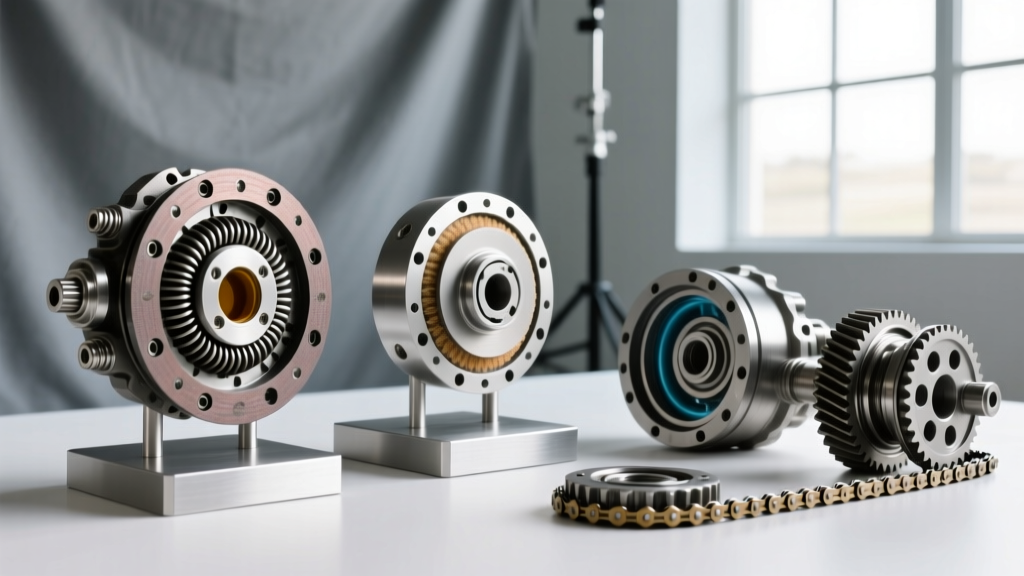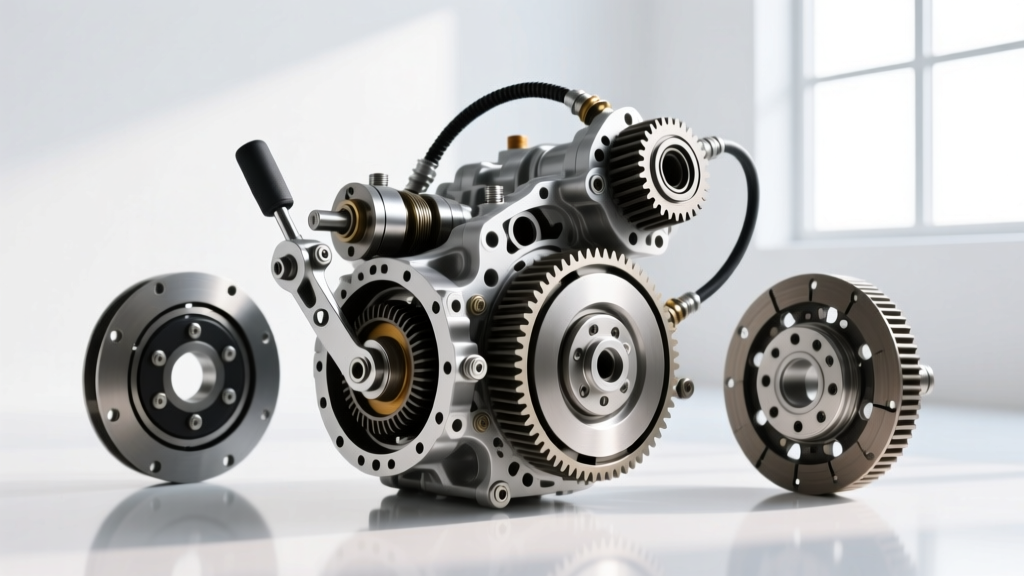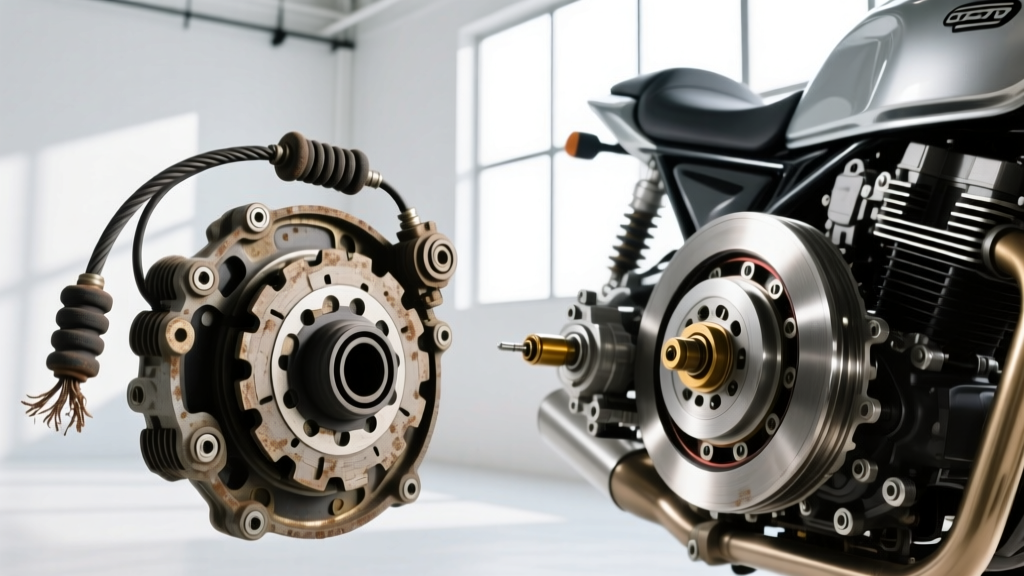
Many gearheads cut their teeth on two wheels. The rite of passage of replacing a clutch cable on a motorcycle—routing a new PTFE-lined Bowden cable through the frame, adjusting the 10mm barrel nut for 2mm of lever free play, and ensuring smooth disengagement—is a straightforward Saturday morning job. But when those same DIYers transition to four wheels and face clutch problems in automatic transmissions, the mechanical paradigm shifts violently. This 2026 comparison and buyer’s guide bridges the gap between simple mechanical linkages and the complex, electro-hydraulic clutch packs found in modern automatics like the GM 6L80 and ZF 8HP.
The Mechanical Divide: Cables vs. Hydraulic Clutch Packs
When you are replacing a clutch cable on a motorcycle, you are dealing with a direct mechanical or simple hydraulic linkage. A steel inner wire (typically 1.5mm to 2.0mm in diameter) pulls a pressure plate away from a single friction disc. If it snaps or frays, you feel the lever go limp, and the fix costs about $35 in parts and 30 minutes of labor.
Automatic transmissions, however, do not use cables. They rely on a labyrinth of electro-hydraulic valves, solenoids, and multi-disc clutch packs bathed in specialized friction-modified fluids. Clutch problems in automatic transmissions rarely manifest as a snapped cable; instead, they present as delayed engagements, harsh shifts, RPM flares (slipping), or chatter. Diagnosing these issues requires understanding hydraulic line pressure, solenoid duty cycles, and friction material degradation.
2026 Repair Cost & Complexity Matrix
Before ordering parts, it is vital to understand the financial and mechanical leap from two-wheeled manual clutches to four-wheeled automatic clutch packs. The table below outlines the 2026 market realities for DIYers and independent shops.
| System Type | Common Failure Point | Parts Cost (2026) | Labor / Difficulty | Special Tools Required |
|---|---|---|---|---|
| Motorcycle Manual | Frayed Bowden Cable | $25 - $65 | 30-45 mins (Easy) | 10mm wrench, cable lubricator |
| GM 6L80 / 6L90 | 3-5-R Wave Plate Fatigue | $350 - $600 (Master Kit) | 12-18 hours (Expert) | Clutch compressor, 50Nm torque wrench, scan tool |
| ZF 8HP (Gen 1/2) | Mechatronic Sleeve Leak | $180 - $450 | 8-12 hours (Advanced) | ZF fluid pump, snap ring pliers, bi-directional scanner |
Deep Dive: Clutch Problems in Automatic Transmissions
To properly diagnose and purchase the right components for automatic clutch failures, we must look at the specific failure modes of the most prevalent transmissions on the road today. According to Transmission Digest, internal hydraulic leaks and mechanical fatigue account for over 80% of automatic clutch slip complaints.
GM 6L80 / 6L90: The 3-5-R Wave Plate Catastrophe
If you own a 2006-2019 GM truck or performance car, the 6L80 and 6L90 are notorious for a specific clutch failure: the 3-5-R wave plate. Over time, the stamped steel wave plate (GM Part #24236925) suffers from metal fatigue and shatters.
- Symptoms: Loss of 3rd, 5th, and Reverse gears. RPM flares during the 2-3 shift.
- The Real Damage: The shattered metal shards travel through the fluid and destroy the valve body solenoids and the clutch drum itself.
- The Fix: You cannot just replace the plate. You must buy a Master Rebuild Kit (brands like Trans-Tek or Raybestos, approx. $450), replace the 3-5-R clutch drum, and flush the torque converter.
- Specs: Bellhousing to engine block torque is 50 Nm (37 lb-ft). Total dry-fill fluid capacity is 11.2 quarts of Dexron ULV.
ZF 8HP: Mechatronic Bushing and Clutch Drum Wear
The ZF 8-speed is a masterpiece of engineering, found in everything from BMWs to the Ram 1500. However, clutch problems in this automatic transmission often trace back to a tiny plastic and rubber component: the mechatronic adapter sleeve (ZF Part #1068.298.055).
As detailed in Sonnax technical bulletins, this sleeve degrades and leaks hydraulic fluid internally. When line pressure drops, the clutch packs (specifically Pack A and Pack B) cannot clamp with enough force, resulting in severe clutch chatter and slip during light-throttle acceleration in 3rd and 5th gears. Replacing this sleeve requires dropping the transmission pan, removing the mechatronic valve body, and carefully extracting the old sleeve without scoring the aluminum casing.
Buyer’s Guide: Sourcing Automatic Clutch Components
When tackling clutch problems in automatic transmissions, your parts sourcing strategy dictates the longevity of the repair. Unlike buying a simple motorcycle cable from a local dealer, automatic clutch kits require careful selection.
Expert Tip: Never reuse automatic transmission friction discs once they have been subjected to severe slip events. The porous paper or sintered bronze material retains burnt fluid and metallic debris, which will immediately contaminate your new fluid and valve body.
Master Kits vs. Banner Kits
- Banner Kits ($150 - $250): Include friction clutches and steel separators. Good for high-mileage preventative maintenance where no hard parts are damaged.
- Master Rebuild Kits ($350 - $700): Include frictions, steels, all paper gaskets, O-rings, bonded pistons, and thrust washers. Always buy a Master Kit if the transmission has suffered a catastrophic slip event.
Friction Material Selection
For heavy-duty applications (like towing with a Ford 6R80 or GM 10L90), look for Alto Red Eagle or Raybestos GPZ friction clutches. These aftermarket upgrades use specialized Kevlar-infused or high-energy carbon weaves that handle 30% more torque than OEM paper frictions, drastically reducing the chance of future clutch chatter.
Diagnostic Tooling: Beyond the OBD2 Scanner
You cannot diagnose automatic clutch slip with a basic $20 code reader. Modern transmissions require bi-directional scan tools (such as the Autel MaxiSYS series or Snap-on Zeus) to monitor live data streams. When diagnosing clutch problems, you must log the following PIDs (Parameter IDs):
- Transmission Fluid Temperature (TFT): Clutch slip generates immense heat. If TFT exceeds 260°F (126°C), the friction material is actively burning.
- Commanded vs. Actual Gear Ratio: The PCM calculates this by comparing Input Shaft Speed (ISS) to Output Shaft Speed (OSS). A deviation of more than 5% indicates active clutch slip.
- Solenoid Duty Cycle / Pressure Control: If the PCM is commanding 100% duty cycle to a clutch pressure control solenoid but the RPMs are still flaring, you have a mechanical hydraulic leak or a blown clutch piston seal inside the drum.
Final Verdict for the DIY Mechanic
The leap from replacing a clutch cable on a motorcycle to rebuilding an automatic transmission clutch pack is massive. A motorcycle cable swap teaches you about mechanical free-play and leverage. Diagnosing automatic clutch problems teaches you about fluid dynamics, electro-hydraulic valving, and microscopic tolerances (clutch pack clearances on a ZF 8HP must be held between 0.8mm and 1.2mm).
If you are a DIYer accustomed to two wheels, approach automatic transmission clutch repairs with patience, a factory service manual, and a high-quality bi-directional scanner. Invest in Master Rebuild Kits from reputable manufacturers like Sonnax, Raybestos, or Alto, and always replace the torque converter if friction material contamination has occurred. For further technical specifications and valve body schematics, consult the ZF Friedrichshafen AG service portal or your OEM dealer network.