The Anatomy of Intermittent Clutch Faults: Drivetrain vs. Accessory
Intermittent clutch problems diagnosis is one of the most complex disciplines in modern automotive repair. When a driver reports erratic binding, engine lugging, or unexplained RPM drops, technicians must immediately bifurcate their diagnostic approach: is the fault originating in the drivetrain's internal apply clutches and torque converter, or is it a parasitic drag from an accessory drive component? A classic and frequently misdiagnosed scenario occurs when the AC clutch stays engaged intermittently, mimicking the exact symptoms of a failing Torque Converter Clutch (TCC) or a dragging transmission apply clutch.
In this comprehensive 2026 diagnostic guide, we dissect the electrical and mechanical failure modes of both the accessory electromagnetic AC compressor clutch and the internal hydraulic transmission clutches (specifically focusing on the GM 6L80 and ZF 8HP platforms). By understanding the distinct signatures of these systems, you can accurately isolate the root cause of intermittent clutch engagement issues without performing unnecessary transmission teardowns.
Parasitic Drag: When the AC Clutch Stays Engaged
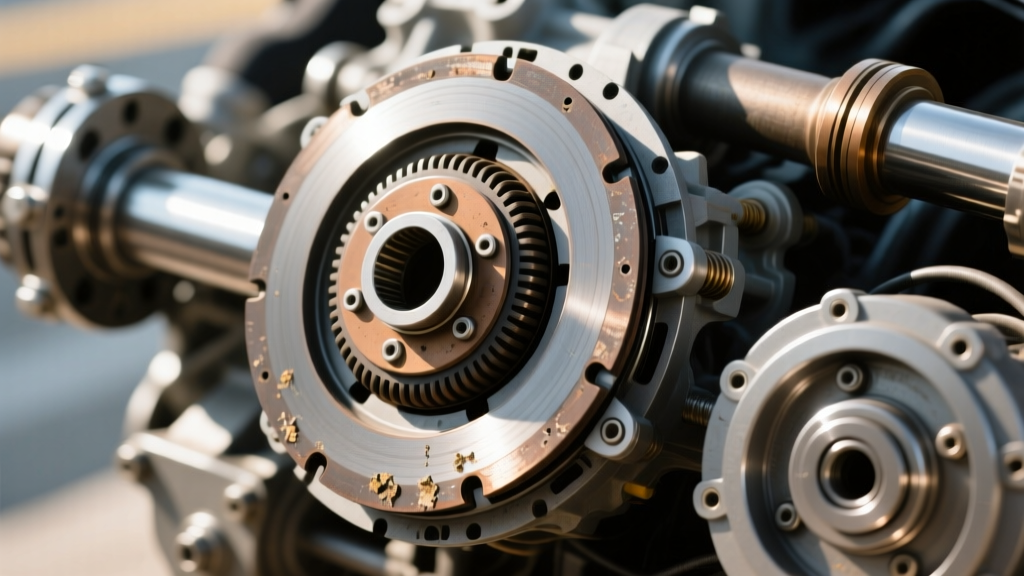
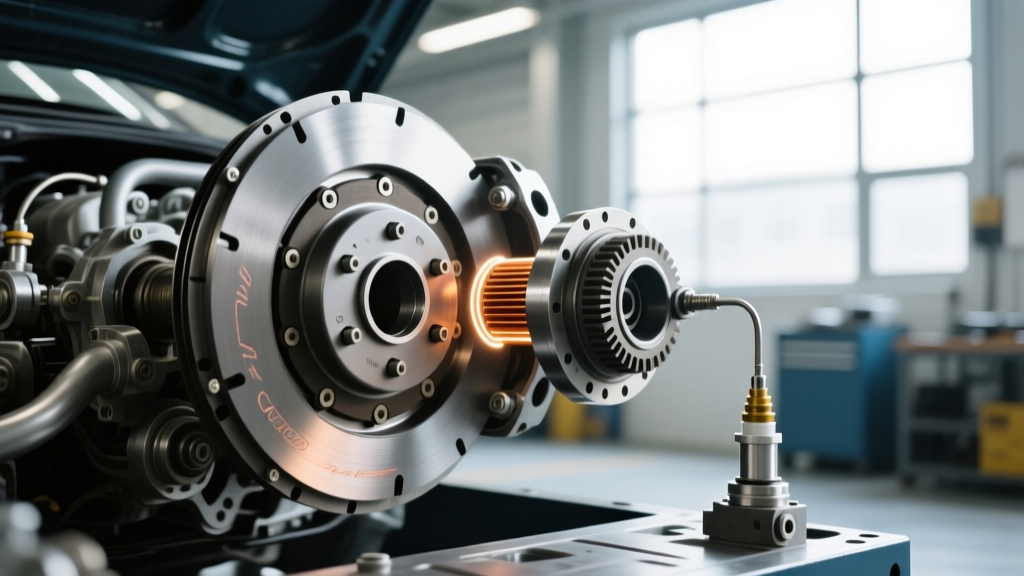
The air conditioning compressor clutch is an electromagnetic device that couples the compressor's internal swashplate to the engine's serpentine belt drive. When the Powertrain Control Module (PCM) commands the AC relay to close, 12 volts are sent to the clutch coil, generating a magnetic field that pulls the friction plate against the compressor pulley.
However, intermittent clutch problems often arise in the control circuit. If the AC clutch stays engaged after the PCM commands it off, the engine is subjected to a continuous 3 to 6 horsepower parasitic load. This drag forces the PCM to adjust the Idle Air Control (IAC) or electronic throttle body to compensate, often resulting in a rough idle, a feeling of 'brake drag' when coasting, or intermittent engine stalling when coming to a stop.
Failure Mode 1: Relay Contact Welding
The most common culprit for an intermittent AC clutch that eventually stays engaged permanently is the ISO micro-relay. Over years of thermal cycling and high inrush current (often 8-10 amps momentarily), the internal metal contacts of the relay can arc and micro-weld together. The PCM opens the ground circuit, but the fused contacts continue to feed 12V to the coil.
Failure Mode 2: Coil Thermal Breakdown and Air Gap Drift
The electromagnetic coil itself is subject to intense under-hood heat. A healthy AC clutch coil typically measures between 3.0 and 5.0 ohms at 68°F (20°C). As the coil degrades, its resistance fluctuates with temperature, causing intermittent engagement. Furthermore, as the friction plate wears, the air gap between the rotor and the armature increases. If the gap exceeds 0.030 inches, the magnetic field cannot reliably pull the plate in when hot, causing the clutch to slip or disengage intermittently until the system cools.
Drivetrain Bind: Intermittent TCC and Apply Solenoid Failures
While accessory clutches can cause external drag, internal transmission clutches cause binding when hydraulic pressure fails to exhaust. The Torque Converter Clutch (TCC) is designed to lock the engine directly to the transmission input shaft at cruising speeds. If the TCC fails to release intermittently, the engine will lug or stall at idle, identical to a stuck AC clutch.
GM 6L80: TCC Regulator Valve Bore Wear
In the GM 6L80 and 6L90 transmissions, the TCC is applied via a Pulse Width Modulated (PWM) solenoid. Intermittent TCC shudder or failure to release is rarely a solenoid electrical issue; it is almost always a hydraulic valve body fault. The aluminum TCC regulator valve bore wears out, allowing apply fluid to cross-leak into the exhaust circuit. This causes the TCC to intermittently drag or apply at low speeds. According to Sonnax technical documentation, installing an oversized TCC regulator valve kit (Part No. 104740-03K) and reaming the bore is the definitive repair, restoring precise hydraulic control and eliminating intermittent lockup faults.
ZF 8HP: Mechatronic Sleeve Fractures
The ZF 8HP (used in BMW, Audi, Chrysler, and Ford 10R80 variants) utilizes a complex Mechatronic unit. Intermittent clutch apply problems here are frequently traced to the plastic adapter sleeve (ZF Part No. 6858201 001) that seals the mechatronic to the transmission case. This plastic sleeve becomes brittle from thermal cycling and develops micro-fractures. When the fluid reaches operating temperature (180°F+), the sleeve expands, and hydraulic pressure leaks past the clutch apply circuits, causing intermittent clutch slip or delayed engagement that feels like a binding clutch when pressures normalize.
Diagnostic Decision Matrix: TCC vs. AC Clutch Symptoms
Because both a dragging TCC and a stuck AC compressor clutch cause engine lugging and stalling, technicians must use a systematic approach to isolate the fault. Use the following diagnostic matrix to guide your troubleshooting:
| Diagnostic Parameter | AC Clutch Stays Engaged (Accessory) | TCC Fails to Release (Drivetrain) |
|---|---|---|
| Idle RPM Behavior | Hunts or drops as PCM tries to compensate for 4-6 HP belt drag. | Severe lugging; engine stalls immediately when put in gear at a stop. |
| Serpentine Belt Test | Removing the belt eliminates the drag and stabilizes idle instantly. | Removing the belt has zero effect on the lugging or stalling symptom. |
| Scan Tool Data (AC) | PCM commands AC Relay 'OFF', but voltage at coil remains 12V. | AC commands operate normally; no parasitic load detected. |
| Scan Tool Data (TCC) | TCC Slip Speed shows 0 RPM only when locked; normal unlock at idle. | TCC Slip Speed remains at 0 RPM even at idle, or shows erratic PWM%. |
| Thermal Signature | Compressor body and clutch coil read 140°F+ on thermal camera. | Transmission pan and TCC solenoid show abnormal heat saturation. |
Step-by-Step Troubleshooting Protocol
When faced with intermittent clutch problems diagnosis, follow this exact sequence to prevent misdiagnosis and unnecessary parts replacement.
- The Belt Isolation Test: With the engine idling and the symptom present, use a belt removal tool or carefully route a shorter bypass belt to eliminate the AC compressor from the drive system. If the engine lugging vanishes, your fault is isolated to the accessory drive. Proceed to AC electrical diagnostics. If the lugging persists, the fault is internal to the transmission (TCC or apply clutch).
- AC Relay and Coil Verification: If the AC clutch stays engaged, locate the AC compressor relay in the under-hood fuse box. Swap it with an identical, known-good relay (e.g., the horn relay). If the clutch releases, replace the relay. If it remains engaged, back-probe the clutch coil connector. If the PCM is commanding 0V on the control circuit but the feed wire has 12V, you have a short to voltage in the wiring harness.
- Air Gap Measurement: Use a feeler gauge to measure the gap between the AC clutch friction plate and the rotor pulley. Specifications generally require 0.020' to 0.030'. If the gap is wider, remove the friction plate and remove a shim washer from the clutch hub to restore magnetic pull strength.
- TCC Solenoid Oscilloscope Test: For drivetrain binding, connect an oscilloscope to the TCC PWM solenoid control wire. A healthy GM 6L80 PWM signal will show a clean, square-wave duty cycle that smoothly transitions from 100% (unlocked) to 30% (locked). If the waveform shows erratic voltage drops or the solenoid resistance fluctuates outside the 10-15 ohm specification, the solenoid is internally shorting.
- Valve Body Hydraulic Test: If the electrical signals are perfect but the TCC still drags intermittently, drop the transmission pan. Inspect the fluid for clutch material (dark, burnt smell). Perform a hydraulic pressure test at the TCC apply port; if pressure bleeds off slowly when commanded to exhaust, the TCC regulator valve bore is worn and requires reaming and sleeving.
Expert Technician Tip: Never assume a clutch coil is bad just because it measures within spec at room temperature. Use a heat gun to warm the AC clutch coil to 180°F while monitoring resistance on your multimeter. A failing coil will often spike to an open circuit (OL) or drop below 2.0 ohms only when fully heat-soaked, explaining why the AC clutch stays engaged or slips intermittently during summer traffic.
Component Specifications and Replacement Costs (2026 Data)
Accurate estimating requires up-to-date pricing and OEM part data. Below are the standard repair costs and specifications for the most common intermittent clutch culprits.
- AC Compressor Clutch Relay (Standard ISO 4-Pin): Part examples include Denso 90987-02028 or Motorcraft YL8Z-14N089-AA. Cost: $12 - $25. Replacement time: 0.1 hours.
- AC Clutch Coil Assembly: Resistance spec: 3.0 - 5.0 ohms. Cost: $45 - $110. Requires refrigerant recovery and compressor removal to replace the coil on most modern Sanden/Denso units.
- Sonnax TCC Regulator Valve Kit (GM 6L80/90): Part No. 104740-03K. Cost: $45 - $65. Requires valve body removal, reaming tool, and solenoid relearn procedure.
- ZF 8HP Mechatronic Adapter Sleeve: ZF Part No. 6858201 001. Cost: $30 - $50. Labor intensive; requires mechatronic unit removal, bridge seal replacement, and ZF-specific flash programming.
- Complete TCC Solenoid (PWM): Cost: $80 - $150. Requires pan drop, fluid flush, and bi-directional scan tool for solenoid re-calibration.
Final Diagnostic Thoughts
Intermittent clutch problems diagnosis requires a technician to look beyond the transmission pan. While internal hydraulic faults in units like the ZF 8HP and GM 6L80 are prevalent, the accessory drive system is a frequent imposter. By understanding the electromagnetic principles of the AC compressor and the hydraulic nuances of the TCC, you can accurately pinpoint whether the AC clutch stays engaged due to a $15 welded relay, or if the engine is stalling because of a worn TCC regulator valve bore. Always isolate the mechanical load first, verify the electrical command second, and trust your scan tool data over customer assumptions.