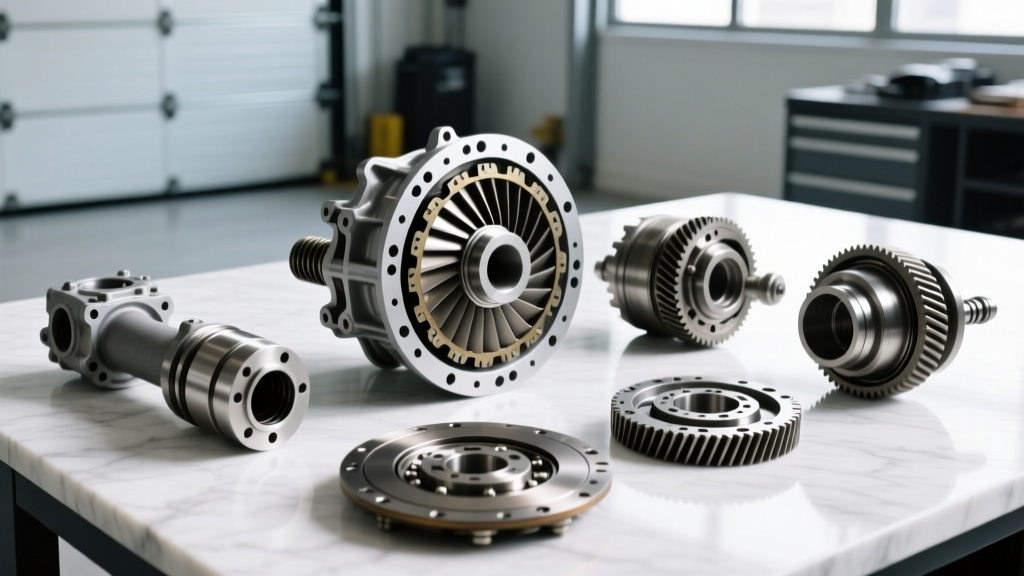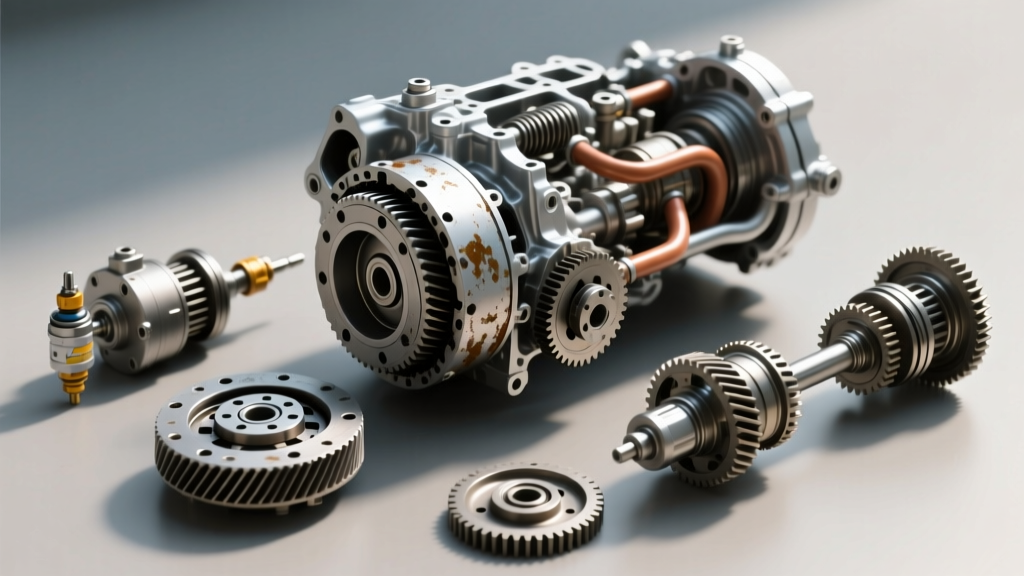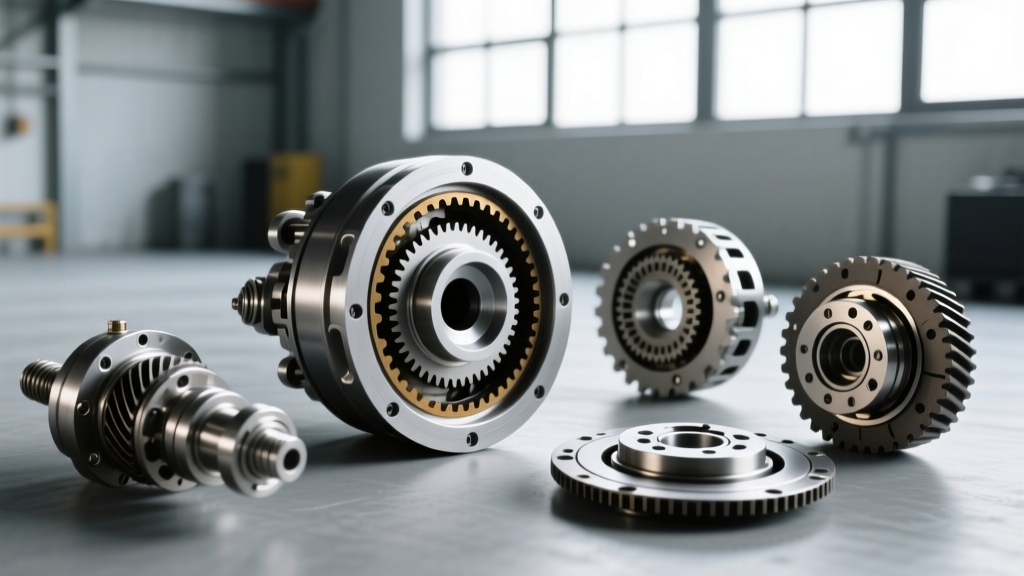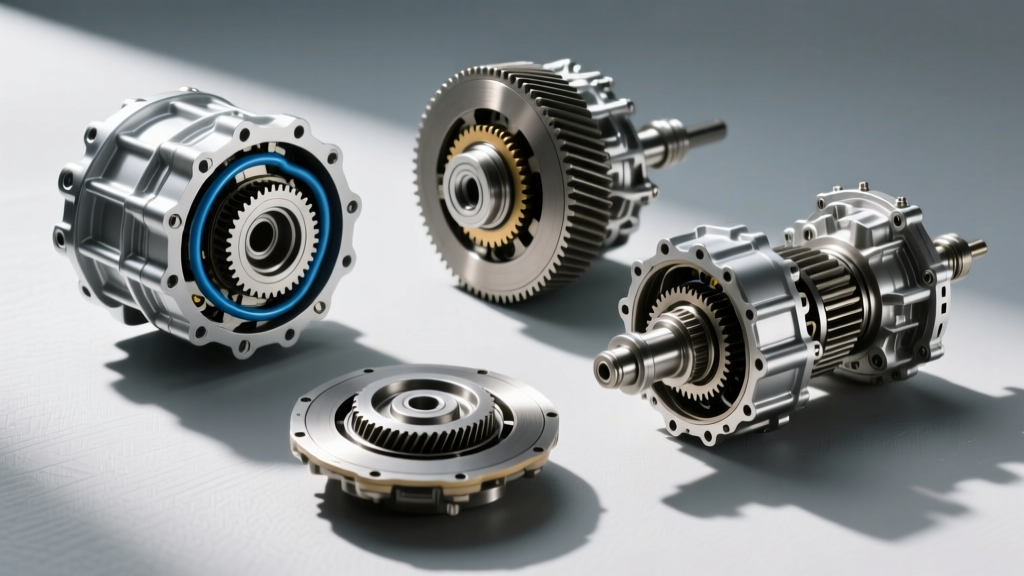
When diagnosing drivetrain NVH (Noise, Vibration, and Harshness) in electrified powertrains, technicians frequently ask: how long do torque converters last when paired with an electric motor? The answer is complex. While a traditional torque converter in a conventional internal combustion engine (ICE) vehicle routinely survives 150,000 to 200,000 miles, hybrid torque converters endure a radically different stress profile.
In this guide, we dissect the lifespan, failure modes, and diagnostic procedures for torque converters in hybrid and plug-in hybrid electric vehicles (PHEVs), focusing on architectures that retain them, such as the ZF 8HP hybrid series and GM’s eAssist mild-hybrid systems.
The Hybrid Architecture Divide: Who Actually Uses a Torque Converter?
Before diagnosing a failure, it is critical to understand that not all hybrids utilize a torque converter. In P2 hybrid architectures (such as Hyundai and Kia’s TMED 6-speed and 8-speed automatics), the traditional torque converter is entirely deleted. It is replaced by an Engine Disconnect Clutch (EDC) and a Hybrid Starter Generator (HSG). If you are diagnosing a shudder in a Tucson Hybrid or Sonata Hybrid, you are dealing with clutch pack friction materials, not fluid coupling.
However, torque converters are heavily retained in two major hybrid categories:
- PHEVs with Traditional Automatics (e.g., ZF 8HP75): Used in vehicles like the BMW X5 xDrive45e and Jeep Wrangler 4xe. The electric motor is sandwiched between the engine and the transmission, and the torque converter is modified with specialized damping to handle the instant torque of the e-motor and the violent cranking of Auto Stop/Start (ESS).
- Mild Hybrids (MHEV) with eAssist: General Motors’ 8L45 and 8L90 transmissions paired with a Belt Alternator Starter (BAS) or integrated e-motor rely on heavy-duty torsion dampers inside the torque converter to absorb the 11 kW electric assist and aggressive ESS restarts.
So, How Long Do Torque Converters Last in Hybrid Applications?
Under normal operating conditions, a hybrid-specific torque converter will last between 100,000 and 140,000 miles. This is notably shorter than the 180,000+ mile lifespan of a standard ICE torque converter. The reduced lifespan is directly tied to three unique hybrid stressors:
- Torsional Shock from E-Motors: Electric motors deliver peak torque at 0 RPM. When the TCC (Torque Converter Clutch) locks up during an EV-to-ICE handoff, the sudden spike in rotational mass and torque can fatigue the internal damper springs.
- Auto Stop/Start (ESS) Cycling: A mild-hybrid torque converter might experience 50,000+ ESS restart cycles in its lifetime. The violent shudder of the engine cranking via the e-motor transfers harmonic vibrations directly into the converter’s impeller and turbine.
- Thermal Degradation from Regenerative Braking: During aggressive regen, the transmission fluid temperatures can spike, degrading the friction material on the hybrid TCC lining much faster than in standard applications.
Expert Insight: If a customer complains of a low-RPM shudder in a BMW 530e (ZF 8HP) at around 90,000 miles, do not immediately assume the TCC solenoid is at fault. The centrifugal pendulum vibration absorber (CPVA) inside the hybrid torque converter is likely suffering from spring fatigue, a known wear item in PHEV drivetrains.
Hybrid-Specific Symptoms and Diagnostic Troubleshooting
Diagnosing a failing hybrid torque converter requires looking beyond standard slip codes (like P0741). You must analyze the intersection of the high-voltage system and the hydraulic circuit.
1. Shudder During EV-to-ICE Handoff
In PHEVs, the transition from electric-only driving to ICE engagement requires the Engine Disconnect Clutch to close while the TCC modulates. If the torque converter’s internal torsion damper is worn, the kinetic energy of the engine starting is not absorbed. Diagnostic Step: Use an advanced bidirectional scanner (e.g., Autel MaxiSys or Snap-on Zeus) to graph the Transmission Input Shaft Speed (TISS) against the Engine RPM during the handoff. A variance exceeding 150 RPM indicates failed damper springs or a degraded TCC friction lining.
2. ESS Restart Vibration and Clunking
When a mild-hybrid (like a GM eAssist vehicle) restarts at a stoplight, the e-motor cranks the engine via the serpentine belt or transmission input. A healthy hybrid torque converter uses a multi-stage damper to isolate this shock. If the converter is failing, the driver will feel a pronounced 'thud' through the chassis, and you may hear a metallic rattle from the bellhousing. Sonnax technical bulletins frequently highlight that misdiagnosing this as a bad engine mount is a common and costly mistake.
3. High-Frequency Whining in EV Mode
In architectures where the e-motor is integrated into the transmission bellhousing (stator-mounted), the rotor spins inside the torque converter. If the converter’s impeller experiences axial play due to a worn thrust bearing, it can physically rub against the e-motor stator housing. This produces a distinct high-pitched whine that correlates with vehicle speed in EV mode, long before the ICE engages.
Lifespan and Stress Comparison: Standard vs. Hybrid Torque Converters
| Feature | Standard ICE Torque Converter | ZF 8HP Hybrid TC (PHEV) | GM 8L45 eAssist TC (MHEV) |
|---|---|---|---|
| Average Lifespan | 150,000 - 200,000+ miles | 100,000 - 130,000 miles | 110,000 - 140,000 miles |
| Primary Stressor | Thermal load from towing/slippage | Torsional shock from e-motor torque | Harmonic fatigue from ESS cycling |
| Damper Technology | Standard coil springs / Arc springs | Centrifugal Pendulum Absorber (CPVA) | Multi-stage heavy-duty torsion springs |
| Replacement Cost (OEM) | $600 - $900 (Part Only) | $1,400 - $1,900 (Part Only) | $900 - $1,200 (Part Only) |
Real-World Replacement Costs and Part Sourcing
Replacing a hybrid torque converter is significantly more expensive than a standard unit, primarily due to the integrated damping technologies and the precision required when mating it to the e-motor assembly.
- ZF 8HP75 Hybrid (e.g., BMW X5 45e): The OEM Sachs/ZF hybrid torque converter typically costs between $1,500 and $1,900. Labor requires dropping the transmission and carefully aligning the e-motor rotor, taking 7 to 9 hours. Total shop bills routinely range from $2,800 to $3,600.
- GM 8L45 eAssist: The ACDelco hybrid torque converter assembly runs $950 to $1,200. Labor is roughly 6 hours. Expect a total repair bill of $1,800 to $2,400 at an independent transmission specialist.
Crucial Warning: Never install a standard, non-hybrid torque converter in a PHEV or MHEV application. The standard unit lacks the CPVA or heavy-duty dampers required to absorb the e-motor torque. Doing so will result in catastrophic input shaft shearing or transmission case fracture within 5,000 miles.
Fluid Maintenance: The Key to Hybrid TC Longevity
To maximize how long torque converters last in these demanding environments, strict adherence to hybrid-specific fluid intervals is non-negotiable. Standard ATF will destroy a hybrid TCC lining.
- ZF 8HP Hybrids: Requires ZF LifeguardHybridFluid (or the updated LifeguardFluid 8 for specific PHEV variants). This fluid features specialized friction modifiers designed for the unique carbon-fiber TCC linings used in hybrid applications. FCP Euro's ZF service guides emphasize that 'lifetime fluid' is a myth; service intervals should be strictly observed at 60,000 miles for hybrids due to the thermal stress of regenerative braking.
- GM eAssist Hybrids: Requires ACDelco Dexron HP or specific MHEV fluid formulations to maintain the precise lockup apply rates required during Auto Stop/Start events.
Final Diagnostic Takeaways
When troubleshooting hybrid drivetrains, understanding the unique role of the torque converter is paramount. The integration of electric motors fundamentally changes the torsional dynamics of the transmission. If you are facing NVH complaints, TCC slip codes, or ESS shudders, verify the health of the hybrid-specific damper assembly before condemning the valve body or the high-voltage inverter. By utilizing oscilloscope data, graphing TISS vs. RPM, and respecting hybrid-specific fluid chemistry, you can accurately diagnose these complex systems and restore the seamless driving experience these vehicles were designed to deliver.
For more deep-dive technical schematics on ZF and GM hybrid transmissions, consult the ZF Aftermarket technical portal or your OEM service information system.