Redefining the Drivetrain for the Electrified Era
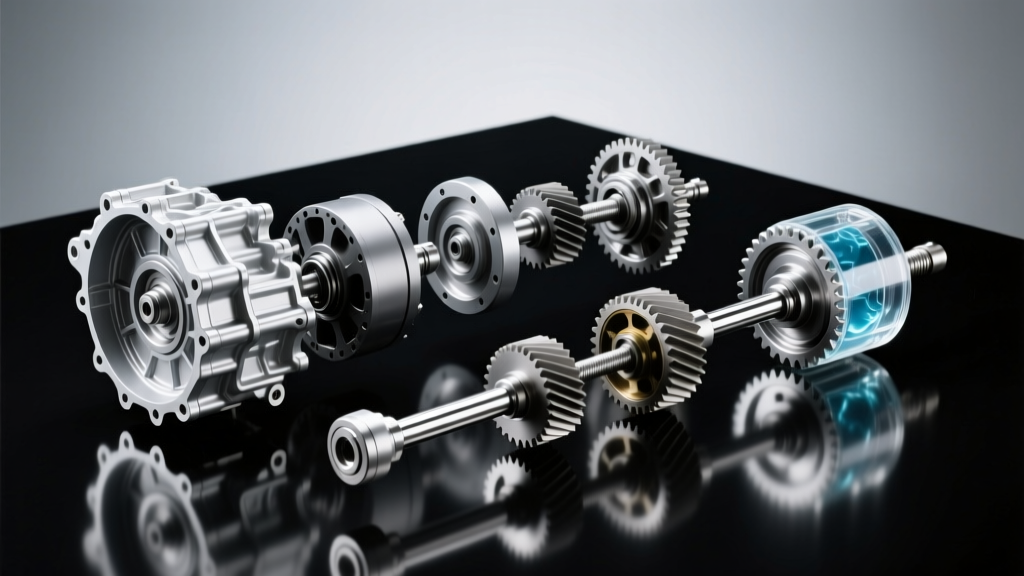
When new owners and aspiring technicians ask what does drivetrain mean in the context of a hybrid vehicle, the answer extends far beyond a traditional transmission, driveshaft, and differential. As we navigate the 2026 automotive landscape, where plug-in hybrids (PHEVs) and standard HEVs dominate efficiency metrics, the hybrid drivetrain represents a highly integrated electro-mechanical ecosystem. Instead of a conventional torque converter and planetary gearsets driven solely by an internal combustion engine (ICE), hybrid drivetrains utilize Motor-Generators (MG1 and MG2), power-split devices (eCVTs), high-voltage inverters, and reduction gears.
Understanding this architecture is critical for preventive maintenance. Neglecting a hybrid drivetrain does not just result in harsh shifts; it can lead to catastrophic high-voltage insulation failure, inverter burnout, and motor-generator bearing seizure. This guide provides exact fluid specifications, torque values, and maintenance protocols for the most prevalent hybrid drivetrain configurations on the road today.
The Anatomy of a Hybrid Drivetrain: PowerSplit vs. Series-Parallel
Before turning a wrench, it is vital to understand the mechanical layout. According to engineering analyses published by Car and Driver, the most common hybrid drivetrain layout is the PowerSplit system, pioneered by Toyota and utilized in various iterations by Ford. In this layout, MG1 acts primarily as a starter and generator to control the planetary gearset's ring gear, while MG2 provides direct mechanical propulsion and regenerative braking.
Conversely, Honda’s i-MMD (Intelligent Multi-Mode Drive) operates as a series-parallel system. The ICE is completely disconnected from the wheels at low speeds, acting only as a generator. At highway speeds, a lock-up clutch physically engages the ICE to the final drive. Each of these layouts demands highly specific preventive maintenance to ensure the electric motors and mechanical clutches operate within safe thermal thresholds.
Critical Transaxle Fluid Service Intervals and Specifications
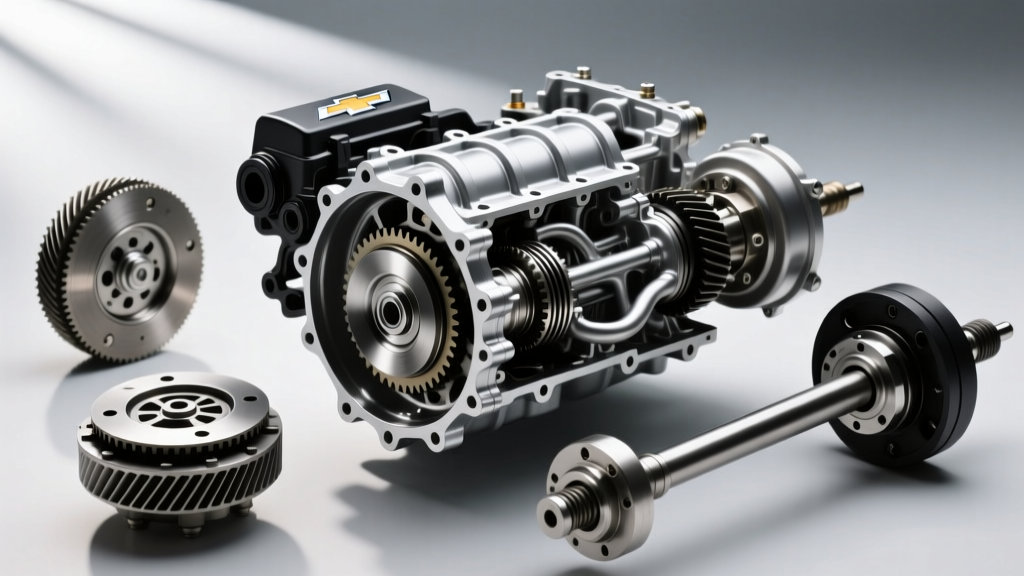
The transaxle in a hybrid vehicle serves multiple purposes: it houses the power-split device, lubricates the reduction gears, and crucially, cools the stator windings of the Motor-Generators. Unlike ICE transmissions that suffer from clutch pack wear, hybrid eCVTs degrade primarily due to fluid oxidation and dielectric breakdown. If the Automatic Transmission Fluid (ATF) loses its dielectric properties, high-voltage arcing can occur between the MG stator windings, leading to a complete drivetrain replacement.
| Transaxle Model | Common Applications | Fluid Specification | Capacity (Drain & Fill) | Drain Plug Torque | Fill Plug Torque |
|---|---|---|---|---|---|
| Toyota P410 / P610 | Prius, Corolla Hybrid, RAV4 Hybrid | Toyota ATF WS | 3.5 Liters | 40 Nm (29 ft-lb) | 40 Nm (29 ft-lb) |
| Ford HF35 / HF45 | Escape Hybrid, Maverick Hybrid | MERCON LV / ULV | 5.0 Liters | 34 Nm (25 ft-lb) | 34 Nm (25 ft-lb) |
| Honda i-MMD | Accord Hybrid, CR-V Hybrid | Honda HCF-2 | 3.4 Liters | 49 Nm (36 ft-lb) | 49 Nm (36 ft-lb) |
Step-by-Step P610 Transaxle Service Procedure
For the ubiquitous Toyota P610 transaxle, a drain and fill should be performed every 60,000 miles under normal driving conditions, or every 30,000 miles for vehicles subjected to heavy towing, mountainous terrain, or extreme heat. The U.S. Department of Energy notes that thermal cycling in PHEVs accelerates fluid degradation due to the frequent engine start-stop events.
- Preparation: Ensure the vehicle is perfectly level. The P610 does not have a traditional dipstick; it utilizes a side-fill plug and a check-tube inside the pan.
- Draining: Remove the 24mm drain plug. Expect the fluid to be dark but free of metallic glitter. Fine metallic paste on the magnetic drain plug is normal for the first service.
- Filling: Remove the 24mm fill plug before the drain plug to avoid stranding the vehicle if the fill plug is seized. Pump exactly 3.5L of genuine Toyota ATF WS.
- Level Check: With the transaxle between 104°F and 113°F (40°C - 45°C), cycle the vehicle through READY mode to activate the internal electric fluid pump. Remove the check plug; a steady trickle indicates the correct level. Torque the check plug to 27 Nm.
Inverter and Motor-Generator Cooling System Maintenance
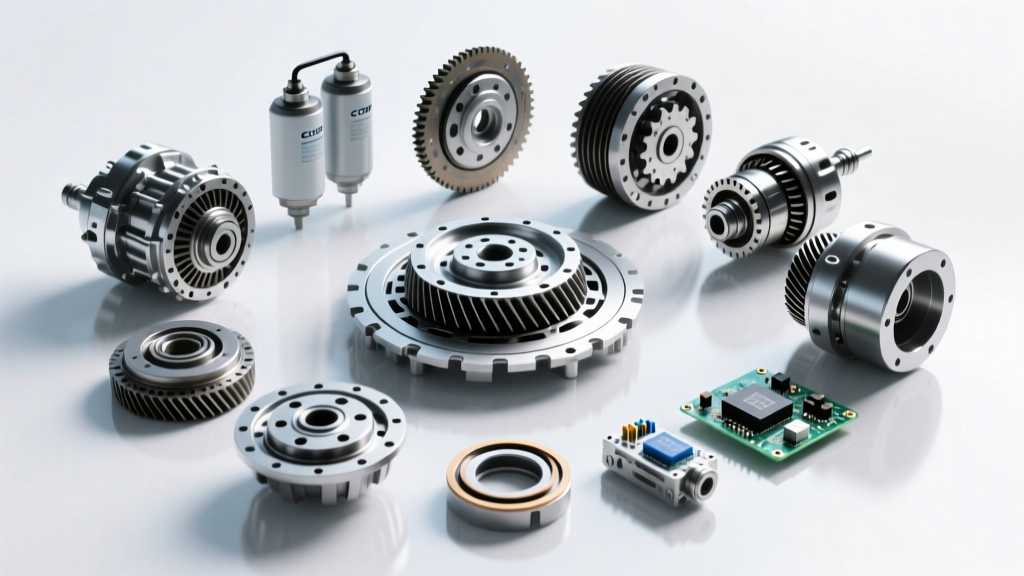
When discussing what the drivetrain means for hybrids, the inverter assembly must be considered a core drivetrain component. The inverter converts 200V-650V DC from the high-voltage battery into 3-phase AC for the drive motors. This process generates immense heat. The inverter cooling loop is entirely separate from the ICE engine cooling system and requires its own electric water pump.
On Toyota and Lexus hybrids, this loop uses Toyota Super Long Life Coolant (SLLC - Pink). A critical preventive maintenance task is flushing this system every 100,000 miles. If the coolant becomes acidic or loses its anti-corrosive properties, it can eat through the aluminum micro-channels inside the inverter's cold plate. A breached cold plate will leak coolant directly onto the IGBT (Insulated-Gate Bipolar Transistor) power modules, resulting in an immediate, catastrophic short circuit and a repair bill exceeding $4,500.
Bleeding Protocol: Unlike a standard radiator, the inverter loop must be bled using the vehicle's electric water pump. On modern architectures, this requires a bi-directional OBD2 scan tool to command the pump ON, or manually jumping the E1 and CG terminals in the DLC3 diagnostic port while the ignition is in the 'ON' position (engine OFF) to cycle the pump and purge air pockets from the inverter reservoir.
Reduction Gear and Final Drive Maintenance
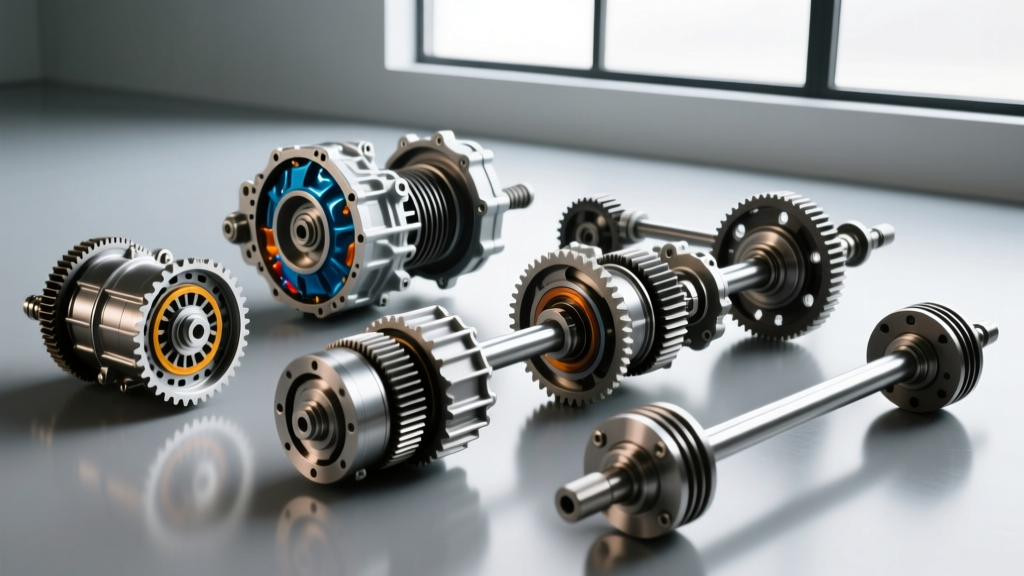
The final stage of the hybrid drivetrain is the reduction gear assembly, which multiplies the torque output of MG2 before sending it to the half-shafts. In many Honda i-MMD applications, the lock-up clutch actuator and final drive share the HCF-2 fluid. If this fluid is neglected, the clutch will shudder during highway direct-drive engagement, and the reduction gear bearings will develop a high-pitched whine.
For Ford's HF35 transaxle, the reduction gear and the eCVT share the MERCON LV fluid pool. However, Ford recommends a more aggressive service interval of 30,000 miles for fleet and heavy-duty use due to the higher thermal load placed on the MG2 stator during aggressive regenerative braking events.
Expert Drivetrain Warranty Tip: Under federal mandate, hybrid drivetrain components—including the eCVT transaxle, Motor-Generators, and Inverter—are covered under the 8-year/100,000-mile emissions and hybrid system warranty. However, if a transaxle fails due to dielectric breakdown and the manufacturer can prove the ATF WS was never changed or contaminated with the wrong fluid, your warranty claim will be denied. Always document your fluid services with exact part numbers and lot codes.
Cost Analysis: Dealership vs. Independent Hybrid Specialists
Preventive maintenance on a hybrid drivetrain is surprisingly affordable when performed proactively, but catastrophic failure is financially devastating. Here is a realistic cost breakdown for 2026 market rates:
- eCVT Transaxle Drain & Fill: $140 - $220 at an independent specialist (includes 3.5L ATF WS and labor). Dealerships typically charge $250 - $350.
- Inverter Coolant Flush & Bleed: $180 - $280. This requires specialized vacuum-fill equipment to ensure no air pockets remain in the IGBT cold plate.
- MG2 Stator / Inverter Replacement (Neglect Scenario): $3,500 - $6,500. Remanufactured inverters are available, but core charges and high-voltage safety protocols drive up labor costs significantly.
- Reduction Gear Bearing Replacement: $1,200 - $1,800. Requires dropping the transaxle and splitting the casing, as the bearings are press-fit into the aluminum housing.
Conclusion: Proactive Care for Electrified Drivetrains
Understanding what the drivetrain means in a hybrid vehicle shifts the maintenance paradigm from mechanical wear-and-tear to thermal and electrical preservation. By adhering to strict fluid service intervals, utilizing only OEM-specified dielectric fluids, and maintaining the integrity of the inverter cooling loop, owners can easily push their hybrid drivetrains past the 250,000-mile mark with minimal degradation. The integration of electric motors and planetary gearsets is a marvel of modern engineering, but it demands precise, informed preventive maintenance to realize its full longevity.