The Thermal Reality of Modern IFS Differentials
In the modern era of heavy-duty towing, overlanding, and high-torque hybrid trucks, the Independent Front Suspension (IFS) differential is subjected to immense thermal and mechanical stress. Unlike solid front axles found on older heavy-duty platforms, modern IFS setups—such as the GM 9.5-inch front differential found in 2500HD/3500HD trucks or the Ford 8.8-inch IFS—operate with significantly lower gear oil volumes. While a solid Dana 60 might hold 3.5 to 4.0 quarts of fluid, many IFS front differentials operate on a mere 1.5 to 2.0 quarts of 75W-90 synthetic gear oil. This low fluid volume means the oil cycles through the ring and pinion contact zone much more frequently, generating rapid heat buildup during sustained highway towing or low-speed off-road crawling.
When differential temperatures exceed 250°F (121°C), conventional and even some synthetic gear oils begin to experience severe shear thinning and oxidation. As the fluid thins, the hydrodynamic boundary layer protecting the output shaft bearings collapses. This leads to microscopic bearing wobble, which quickly translates into axial runout. That runout is the primary culprit that tears the lip of your axle output seal, leading to gear oil slinging onto your CV boots and suspension components. Therefore, when you need to replace front differential seal components on a modern 4WD truck, addressing the thermal root cause via a differential cover and cooling upgrade is not just an aesthetic choice—it is a mandatory reliability intervention.
Diagnosing the Leak: Axle Seal vs. Pinion Seal vs. Cover Gasket
Before tearing into the differential, accurate diagnosis is critical. Front differential leaks generally manifest in three distinct areas, each with unique failure modes:
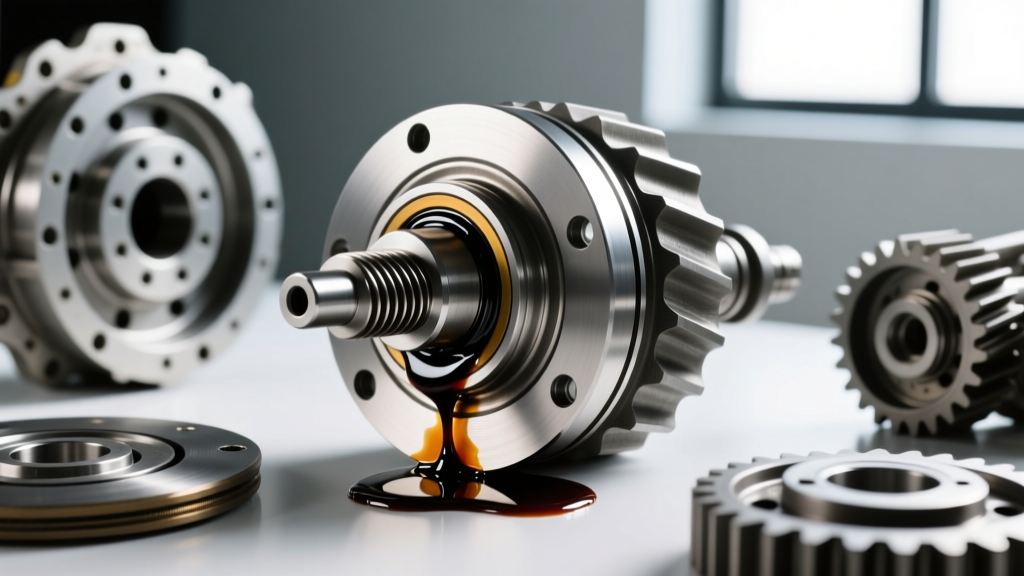
- Axle Output Seals: Located where the CV axle shafts enter the differential housing. Leaks here coat the inner CV boots and lower control arms. Failure is typically caused by thermal degradation, worn output shaft bearings, or a grooved axle shaft sealing surface.
- Pinion Seal: Located at the front yoke or flange where the driveshaft connects. Leaks here spray oil rearward onto the skid plate and exhaust. Failure is usually tied to pinion bearing preload loss or excessive driveline vibration.
- Cover Gasket/RTV Seal: Located at the rear or side mating surface of the differential housing. Leaks here result in fluid dripping directly from the housing seams, often caused by over-torquing bolts, warped stamped-steel covers, or degraded RTV silicone.
Step-by-Step: How to Replace Front Differential Seal (Axle Output)
If your diagnosis points to a failed axle output seal, follow this precise procedure. This guide references the prevalent GM 9.5-inch IFS front differential, but the mechanical principles apply broadly across most bolt-in IFS architectures.
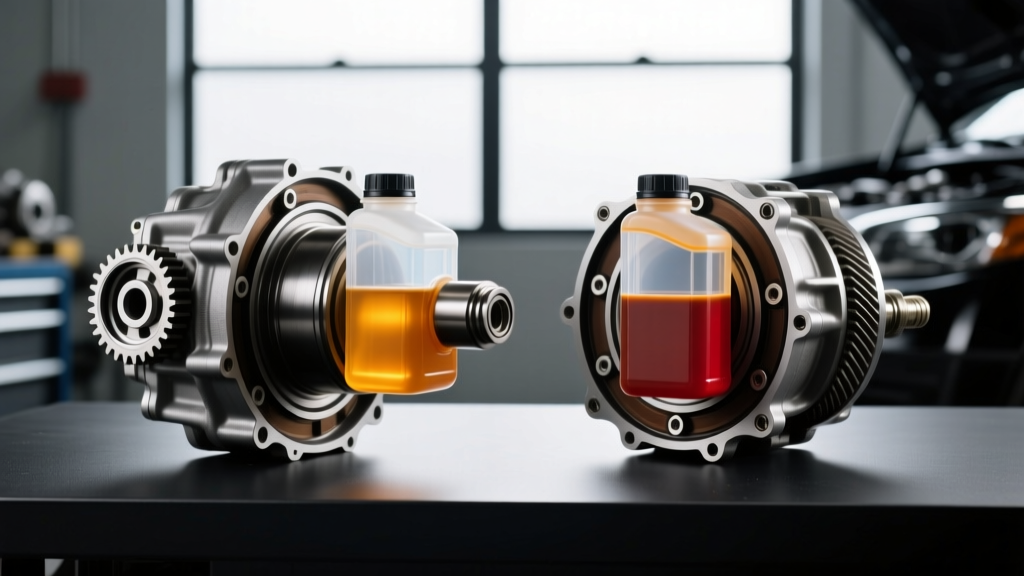
Step 1: Secure and Drain. Lift the front of the vehicle and support it on jack stands. Remove the front skid plate. Place a drain pan beneath the differential and remove the drain plug (if equipped) or loosen the lowest cover bolt to break the seal and drain the 75W-90 gear oil. Inspect the drained fluid for excessive glitter (fine metallic paste), which indicates ring and pinion wear, or large chunks, which mandate a full rebuild.
Step 2: Unbolt the CV Flange. Unlike solid axles with C-clips, IFS axles bolt directly to the differential output shaft flange. Use a 15mm or 12-point socket (depending on the specific OEM hardware) to remove the six flange bolts. Support the CV axle with a bungee cord to prevent stress on the outer CV joint and wheel bearing.
Step 3: Extract the Failed Seal. The axle seal is pressed into the differential housing bore. Use an internal blind-hole seal puller or a dedicated slide-hammer attachment to hook the metal casing of the old seal. Pull it straight out to avoid gouging the aluminum or cast-iron housing bore. Clean the bore meticulously with brake cleaner and a lint-free shop towel.
Step 4: Install the New Seal. For the GM 9.5-inch IFS, the SKF 21282 or National 710924 are premium replacement seals. Lubricate the inner rubber lip of the new seal with fresh synthetic gear oil to prevent dry-start tearing. Using a seal driver of the exact outer diameter, tap the seal into the bore until it seats perfectly flush. Never cock the seal at an angle, as this will distort the internal tension spring.
Step 5: Reassemble and Torque. Guide the CV axle spline back into the differential side gear. Reinstall the flange bolts. The OEM torque specification for GM 9.5-inch CV flange bolts is typically 59 lb-ft. Apply a medium-strength threadlocker (like Loctite 243) to the bolts to prevent backing out under vibration.
Differential Cover and Cooling: Upgrading for Thermal Management
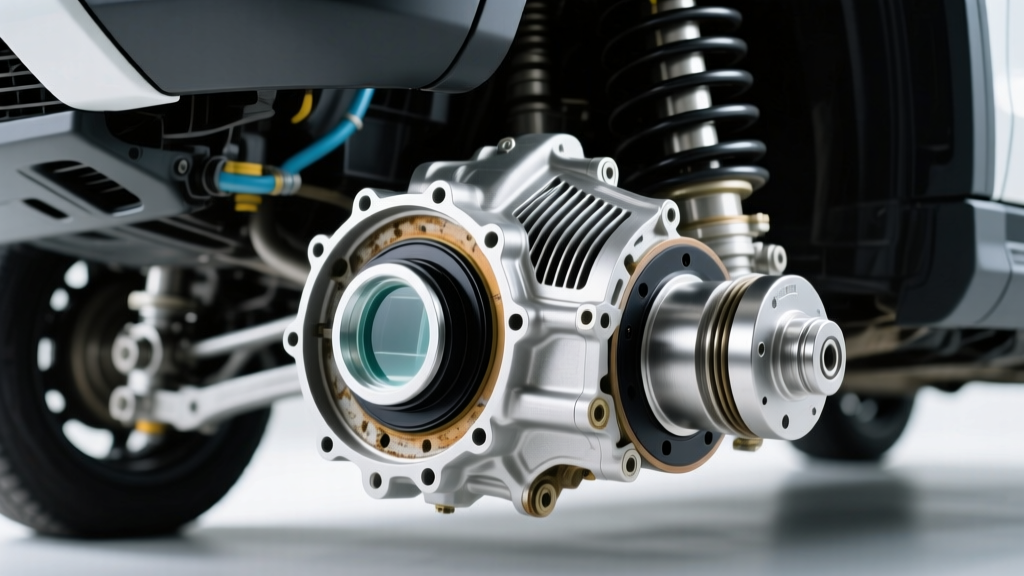
Replacing the seal restores the boundary, but if the fluid continues to overheat, the new seal will fail in short order. Upgrading to a finned, deep-sump aluminum differential cover solves the thermal bottleneck. According to engineering data from Dana Spicer, maintaining gear oil temperatures below 220°F is critical for preserving the extreme pressure (EP) additives in synthetic lubricants.
Aftermarket cooling covers from manufacturers like PPE, Mag-Hytec, and AFE Power utilize aerospace-grade cast aluminum with integrated cooling fins. These fins increase the external surface area by up to 300%, allowing ambient airflow to dissipate heat exponentially faster than a smooth, stamped-steel OEM pan. Furthermore, deep-sump designs increase the total fluid capacity by 0.5 to 1.25 quarts. This additional volume increases the thermal mass of the system, meaning it takes significantly longer for the fluid to reach critical temperatures under heavy load.
Comparison: OEM Stamped Steel vs. Aftermarket Aluminum Cooling Covers
| Feature | OEM Stamped Steel Cover | Finned Aluminum Cooling Cover |
|---|---|---|
| Material | Thin-gauge stamped steel | A356 Cast Aluminum Alloy |
| Heat Dissipation | Poor (smooth surface, traps heat) | Excellent (integrated directional fins) |
| Fluid Capacity | Standard (e.g., 1.8 Quarts) | Increased (e.g., 2.5 Quarts) |
| Sealing Method | RTV Silicone (prone to over-squish) | CNC-machined flange with reusable O-ring or gasket |
| Debris Protection | Vulnerable to rock impacts | Thick-walled, often includes integrated skid ribs |
| Magnetic Drain Plug | Rarely included | Standard (captures ferrous wear metals) |
Installation Best Practices: RTV vs. Gaskets
When installing your new cooling cover, the sealing method is paramount. Many premium covers utilize a custom-machined groove that accepts a reusable rubber O-ring or a precise Fel-Pro gasket (such as the RDS 55382 for specific GM applications). If your cover requires RTV silicone, select a sensor-safe, high-torque formula like Permatex Ultra Black. Apply a continuous 2mm bead around the bolt holes and perimeter. Critical Expert Note: RTV silicone requires a minimum of 24 hours to fully cure when exposed to the sulfur and EP additives in gear oil. Filling the differential and submerging uncured RTV will cause it to wash out, resulting in an immediate leak.
When tightening the cover bolts, always use a criss-cross pattern to ensure even clamping force. For most GM and Ford IFS differentials, the aluminum housing threads are relatively soft; the maximum torque spec for M8 cover bolts is generally 20 to 25 lb-ft. Over-torquing will strip the threads or warp the cover flange.
Fluid Selection for High-Heat Applications
With your new front differential seal installed and the cooling cover torqued to spec, the final variable is the fluid itself. For severe-duty applications where a cooling cover is necessary, a standard 75W-90 GL-5 may still lack the necessary shear stability. Upgrading to a 75W-110 or a high-viscosity 75W-90 synthetic (like Amsoil Severe Gear) provides a thicker hydrodynamic film at the ring and pinion contact patch. The increased zinc and phosphorus (ZDDP) content in severe-duty fluids protects the hypoid gear sliding action even when localized flash temperatures spike momentarily during shock loads.
By combining a meticulous seal replacement procedure with a high-capacity differential cooling cover, you effectively eliminate the two most common failure points in modern front drivetrains: mechanical runout and thermal degradation. This dual approach ensures your 4WD system remains reliable, whether you are crawling technical trails or towing a 10,000-pound trailer across the desert in the heat of summer.