The True Front Differential Leak Repair Cost: Beyond the Seal
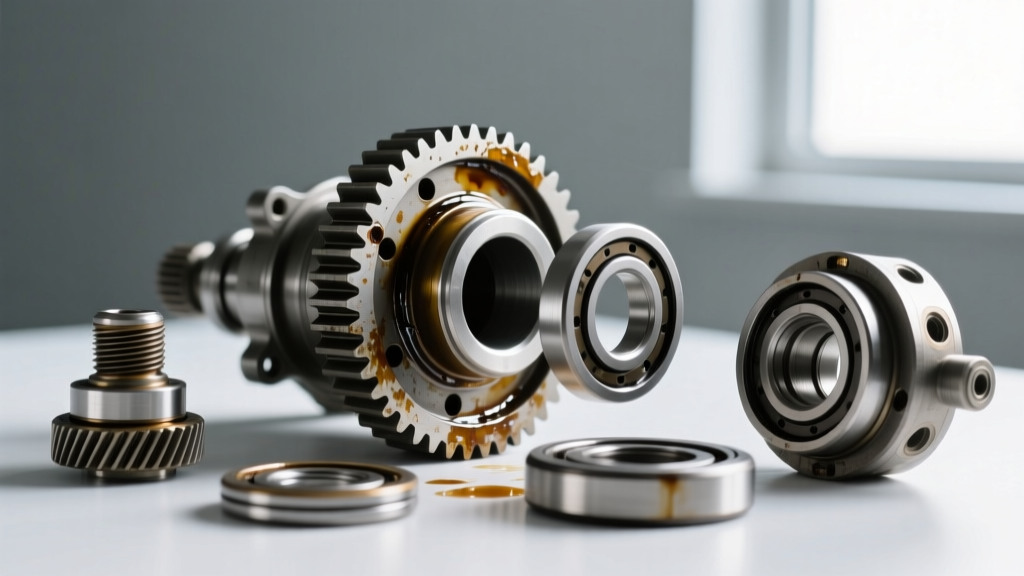
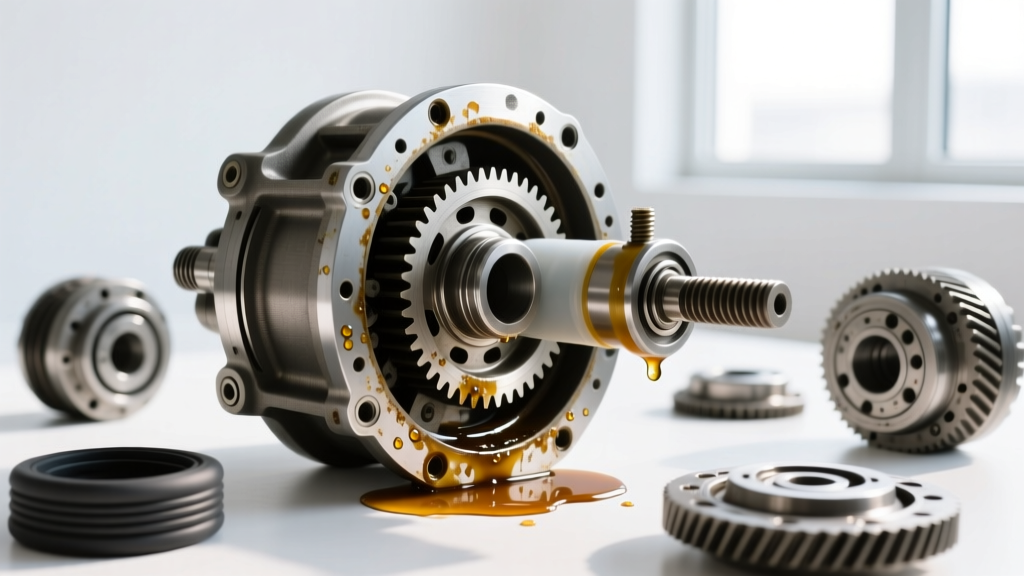
Spotting a puddle of thick, pungent-smelling fluid beneath the front axle of your truck or SUV is a universal dread for off-roaders and daily commuters alike. When you take your vehicle to a drivetrain specialist, the immediate concern is the front differential leak repair cost. However, many vehicle owners mistakenly believe this cost is limited to a $15 rubber seal and an hour of shop labor. In reality, a proper leak repair mandates a complete drain and refill of the differential housing. This is where the conversation shifts from simple mechanics to the critical science of differential gear oil specifications.
In 2026, modern drivetrains are engineered with incredibly tight tolerances, parasitic drag reduction targets, and specialized metallurgy. Filling a repaired front differential with the wrong specification of gear oil—whether it is an incorrect viscosity grade, a missing friction modifier, or an outdated API service classification—will inevitably lead to premature bearing wear, hypoid gear scoring, and limited-slip clutch pack failure. Ultimately, ignoring gear oil specifications during a leak repair transforms a $250 seal job into a $2,500 differential rebuild.
Breakdown: Where Your Money Goes in a Front Diff Leak Repair
To understand the financial impact of a leak, we must break down the standard repair pathways. The front differential leak repair cost varies heavily depending on the leak's origin: the pinion seal, the axle tube seals, or the differential cover gasket. Below is a realistic cost analysis based on current national labor averages ($130–$180 per hour) for common independent front suspension (IFS) and solid front axle platforms like the GM 8.25-inch IFS and the Jeep Dana 44.
| Repair Type | Common Leak Source | Parts Cost (Seal/Gasket) | Labor Time | Estimated Total Cost |
|---|---|---|---|---|
| Pinion Seal Replacement | Yoke/Flange Seal Wear | $15 - $45 | 1.5 - 2.5 hrs | $250 - $550 |
| Axle Tube Seal | CV/Axle Shaft Seal | $10 - $25 | 1.0 - 1.5 hrs | $150 - $300 |
| Cover Gasket / RTV | Porous Gasket / Overtorque | $15 - $35 | 0.5 - 1.0 hrs | $100 - $220 |
Note: These estimates exclude the mandatory gear oil refill, which introduces the variable of fluid specifications and pricing into the final invoice.
Why Gear Oil Specifications Dictate Long-Term Repair Costs
When the differential is drained to facilitate a seal replacement, the refill fluid must match the manufacturer's exact specification. The American Petroleum Institute (API) sets the baseline for gear oil chemistry, but OEM engineering dictates the final application.
API Service Classifications: GL-5 vs. MT-1
Almost all modern front differentials require API GL-5 rated gear oil. GL-5 fluids contain high levels of sulfur-phosphorus extreme pressure (EP) additives designed to protect the sliding friction surfaces of hypoid ring and pinion gears. Using a lesser GL-4 fluid in a hypoid differential will result in catastrophic gear tooth spalling under heavy load. Conversely, some integrated transaxle front differentials (common in AWD passenger cars) require specific manual transmission fluids (MT-1) to protect yellow metals like bronze synchronizers and shift forks from the corrosive nature of sulfur-based EP additives.
Viscosity Grades: The 75W-85 vs. 75W-90 Dilemma
Historically, 75W-90 and 80W-90 were the undisputed kings of differential fluid. However, to meet stringent EPA CAFE fuel economy standards, modern OEMs (such as GM on their T1XX Silverado/Sierra platforms) have shifted to lower-viscosity SAE 75W-85 synthetic gear oils.
- Parasitic Drag: Thicker fluids (like 75W-140 or 80W-90) increase fluid churning losses inside the differential housing, robbing horsepower and lowering MPG.
- Cold-Start Lubrication: A 75W-85 synthetic flows significantly faster at sub-zero temperatures, ensuring the pinion and carrier bearings receive immediate lubrication upon startup.
- The Cost of the Wrong Pour: If a budget shop tops off your leaking 75W-85 front diff with bulk 80W-90 mineral oil, the increased operating temperatures and inadequate cold-flow characteristics can halve the lifespan of your carrier bearings.
The Hidden Cost of Incorrect Friction Modifiers
If your vehicle is equipped with a clutch-type Limited Slip Differential (LSD)—such as an Eaton Truetrac, Auburn, or factory clutch-pack LSD—the gear oil specification requires a precise dosage of Friction Modifier (FM).
"Skipping the $8 bottle of limited-slip friction modifier during a leak repair refill is the most common cause of differential chatter and premature clutch pack degradation we see in 4x4 drivetrain shops."
Without the FM, the clutch plates bind and slip erratically during low-speed cornering, generating excessive heat and metallic debris. This debris contaminates the entire housing, necessitating a full teardown and rebuild. Note: Helical gear LSDs (like the Torsen) and open differentials do not require friction modifiers.
OEM vs. Premium Synthetic: Fluid Cost Analysis
The fluid itself is a major variable in the front differential leak repair cost. While OEM fluids are engineered to exact factory specifications, premium aftermarket synthetics often offer superior shear stability and film strength for severe-duty applications (towing, rock crawling). Below is a cost comparison for a standard 2-quart front differential fill.
| Brand / Product | Specification / Viscosity | Price Per Quart | Total Fill Cost (2 Qts) |
|---|---|---|---|
| ACDelco OEM (GM) | 75W-85 Synthetic GL-5 | $28.00 | $56.00 |
| Mobil 1 Synthetic | 75W-90 GL-5 | $14.50 | $29.00 |
| Red Line Oil | 75W-85 ShockProof / GL-5 | $22.00 | $44.00 |
| AMSOIL Severe Gear | 75W-90 Synthetic GL-5 | $18.50 | $37.00 |
For a comprehensive look at advanced synthetic formulations and their specific EP additive packages, drivetrain enthusiasts frequently consult the technical data sheets provided by Red Line Oil's gear oil lineup.
Step-by-Step Cost Mitigation: DIY vs. Professional Service
For the mechanically inclined, performing a pinion or axle seal replacement at home eliminates the $150–$400 labor cost. However, the margin for error regarding torque specifications and crush sleeves is razor-thin.
Torque Specs and the Crush Sleeve Trap
When replacing a front pinion seal, you must remove the driveside yoke or flange. This requires unthreading the pinion nut. On most solid axles (like the Dana 44 or Ford 8.8), the pinion bearing preload is maintained by a crush sleeve.
- The Risk: The pinion nut torque often exceeds 250 lb-ft. If you over-torque the nut upon reassembly, you will over-crush the sleeve, applying excessive preload to the pinion bearings.
- The Financial Penalty: Over-crushed bearings will overheat and fail within 5,000 miles. Fixing this requires pulling the entire differential carrier, replacing the crush sleeve, pinion bearings, and seal, pushing your repair cost past $850.
- The Solution: Always use a specialized yoke holding tool and an inch-pound torque wrench to measure rotating torque (typically 8–14 in-lbs for new bearings, or match the exact rotational torque recorded before disassembly).
Conclusion: Spec-Driven Savings
The front differential leak repair cost is a multifaceted equation. While the physical seals and gaskets are inexpensive, the mandatory fluid exchange requires strict adherence to OEM gear oil specifications. Whether your drivetrain demands a low-viscosity 75W-85 synthetic for fuel economy compliance, or a heavy-duty 75W-140 with specialized friction modifiers for limited-slip traction, treating the fluid as a precision component rather than a generic commodity is the only way to protect your investment. Consult your factory service manual, verify the API GL rating, and never compromise on the chemistry that keeps your hypoid gears turning.
For baseline labor estimates and regional shop rate averages, resources like RepairPal remain invaluable tools for consumers auditing their drivetrain repair invoices.