The Diagnostic Divide: Manual MTX-75 vs. DPS6 PowerShift
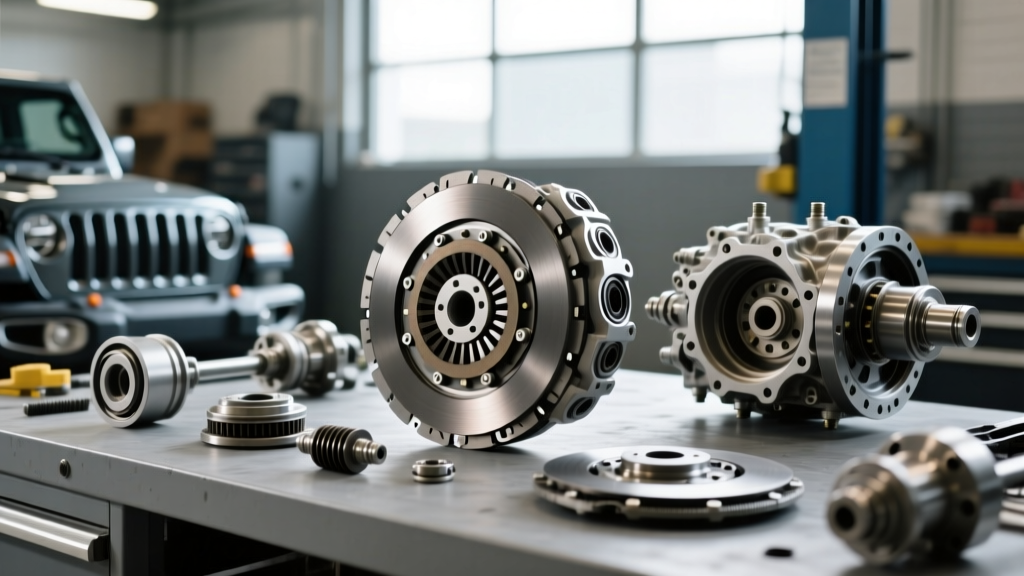
Before calculating your ford focus clutch replacement cost, you must accurately identify your transmission architecture. The Ford Focus (specifically the 2012-2018 generations) was sold with two radically different manual-shift setups: the traditional MTX-75 5-speed (and IB5 6-speed) manual, and the infamous DPS6 dry dual-clutch automatic (PowerShift). If your Focus has two pedals but shifts like a manual, you do not have a standard clutch; you have a DPS6 dual-clutch pack system requiring specialized VCM (Vehicle Communication Module) calibration and twin-clutch actuator servicing. This guide focuses strictly on the true 3-pedal manual MTX-75 and IB5 transmissions paired with the 2.0L Duratec engine, where traditional clutch diagnosis and replacement protocols apply.
Symptom Diagnosis: Isolating the Failure Point
A manual clutch system is a triad of friction, hydraulic actuation, and rotational mass. Misdiagnosing the symptom is the primary reason consumers overspend on unnecessary parts. Here is how to accurately troubleshoot the core failure modes on the Duratec 2.0L platform.
Symptom 1: High-RPM Slip Under Load
The Test: Find a safe, empty stretch of road. Engage 3rd gear at 30 mph, apply the emergency brake fully, and smoothly release the clutch pedal while giving it moderate throttle. If the engine bogs down and stalls, your friction disc still has adequate clamping force. If the RPMs flare upward without a corresponding increase in vehicle speed, the friction material is glazed or worn to the rivets.
The Culprit: Normal wear over 80,000-120,000 miles, or oil contamination. If you suspect oil contamination, you must inspect the engine rear main seal and the transmission input shaft seal before installing a new clutch, otherwise the new disc will slip within 500 miles.
Symptom 2: Violent Chatter on Takeoff
The Test: In 1st gear, slowly ease off the clutch pedal without applying excessive throttle. If the vehicle violently shudders or hops during the friction zone engagement, you are experiencing clutch chatter.
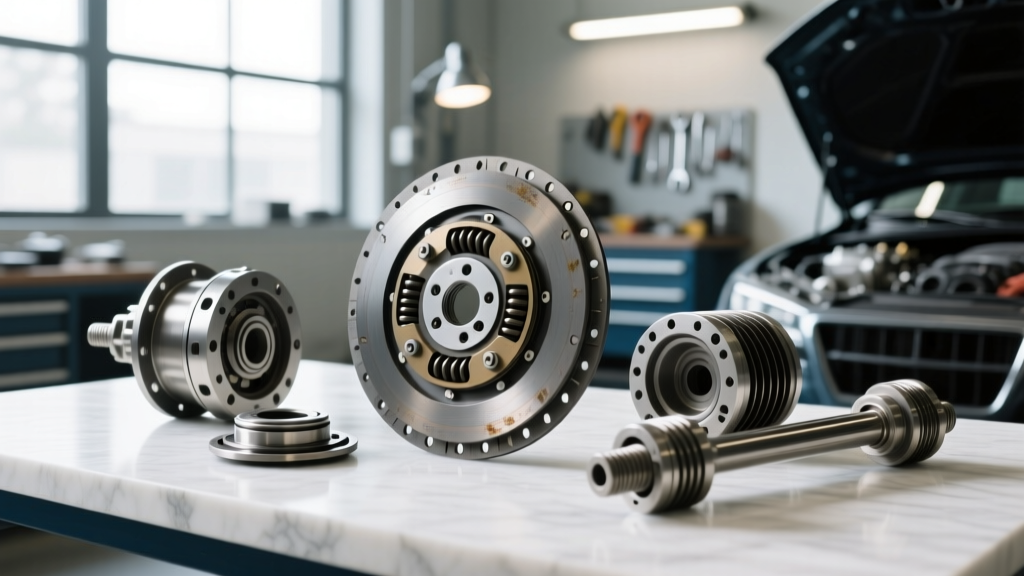
The Culprit: On the Ford Focus, this is almost exclusively caused by a failing Dual-Mass Flywheel (DMF). The internal damping springs of the DMF wear out, causing the two flywheel masses to strike each other. Alternatively, hot spots on the flywheel surface from chronic 'riding' of the clutch pedal can cause uneven friction grab.
Symptom 3: Sinking Pedal or Hard Shifting
The Test: With the engine running, press the clutch pedal to the floor and hold it for 30 seconds. If the pedal slowly sinks toward the firewall, or if you hear a grinding noise when trying to engage 1st or Reverse gear, the hydraulic system is failing.
The Culprit: The MTX-75 utilizes a Concentric Slave Cylinder (CSC) located inside the bellhousing. Internal seals degrade over time, allowing fluid to bypass. Because the CSC is buried inside the transmission bellhousing, a hydraulic failure mandates a full transmission removal, drastically altering the overall repair bill.
The Core Dilemma: OEM Motorcraft vs. Aftermarket Kits
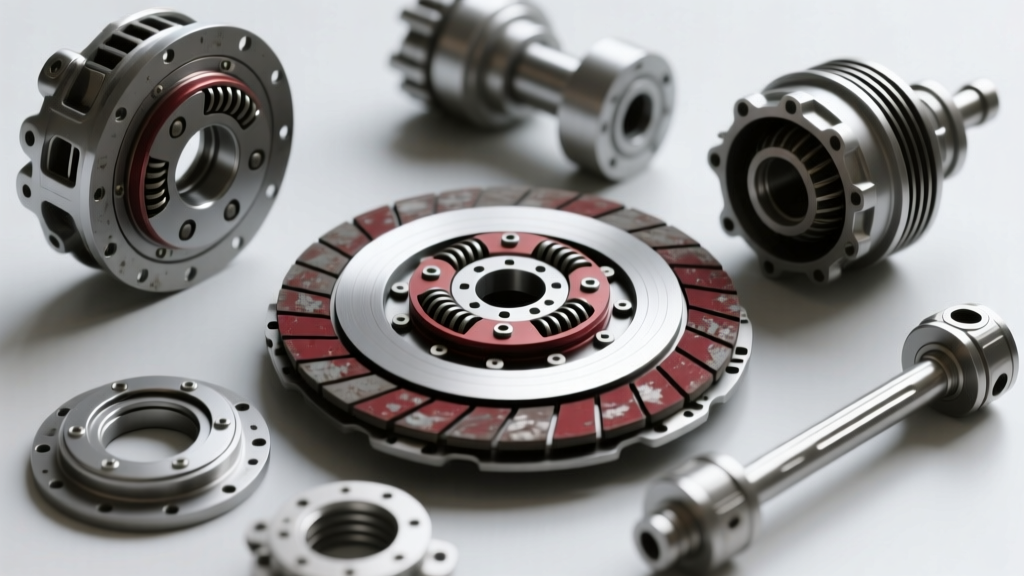
Once the transmission is on the bench, the most critical decision affecting your final invoice is the choice between OEM and aftermarket components. Ford's OEM Motorcraft clutch kits are generally rebranded LuK or Sachs units, but they come with a strict adherence to the original Dual-Mass Flywheel (DMF) design.
Expert Insight: The aftermarket has largely solved the Focus DMF reliability issues by offering Single-Mass Flywheel (SMF) conversion kits. While an SMF conversion may introduce a slight gear rattle at idle (due to the lack of internal damping springs), it eliminates the catastrophic DMF failure points and significantly reduces future replacement costs.
Component Breakdown & Pricing Matrix
| Kit Type | Brand / Part Reference | Flywheel Config | CSC Included? | Avg. Parts Cost (2026) |
|---|---|---|---|---|
| OEM Replacement | Motorcraft / Sachs | Dual-Mass (DMF) | Yes | $550 - $750 |
| Premium Aftermarket | LuK RepSet Pro (05-115) | Dual-Mass (DMF) | Yes | $380 - $450 |
| SMF Conversion | LuK / Exedy Conversion | Single-Mass (SMF) | Yes | $280 - $360 |
| Budget Aftermarket | Generic Import Brands | Single-Mass | No | $120 - $160 |
Note: Never reuse an old Concentric Slave Cylinder (CSC) when replacing the clutch. The labor to access it again if it fails will triple your total cost. Always buy a kit that includes a fresh CSC.
Breaking Down the Ford Focus Clutch Replacement Cost
As of 2026, independent shop labor rates for transmission removal on front-wheel-drive compacts average between $130 and $180 per hour. Dealerships will often exceed $190 per hour. The Ford Focus requires dropping the entire front subframe or manipulating the engine mounts and axle shafts to extract the MTX-75 transmission, resulting in a factory book time of roughly 5.8 to 6.5 hours.
- Independent Shop (SMF Aftermarket Kit): $1,100 - $1,450 Total
- Independent Shop (OEM DMF Kit): $1,350 - $1,750 Total
- Dealership (OEM DMF Kit): $1,600 - $2,100+ Total
- DIY Cost (Parts + Fluids + Tool Rental): $350 - $500 Total
When budgeting, do not forget the ancillary fluids and seals. You will need 2.0 quarts of Ford Manual Transmission Fluid (or an equivalent 75W-90 GL-4 synthetic), a new rear main seal (approx. $25), and a new input shaft seal (approx. $15). Replacing these seals while the trans is out is mandatory preventative maintenance.
Critical Installation Specs & Torque Sequences
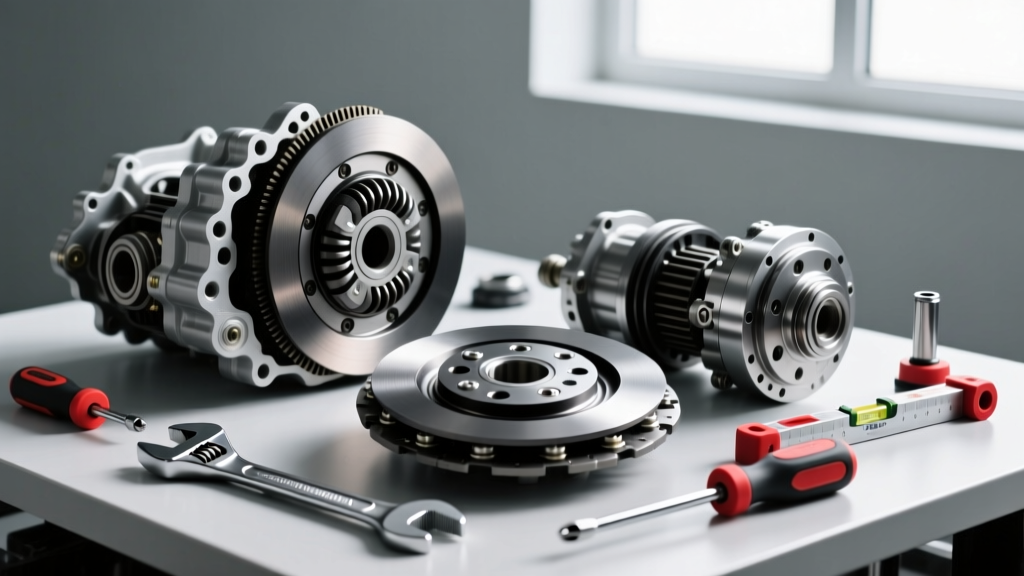
For the DIY mechanic or the enthusiast verifying their shop's work, adhering to exact torque specifications is non-negotiable. The 2.0L Duratec block and MTX-75 bellhousing require precise clamping forces to prevent warping and vibration. For further technical schematics, the Focus Fanatics Technical Archive remains an invaluable community resource.
- Flywheel to Crankshaft Bolts: 74 lb-ft (100 Nm). Apply a medium-strength threadlocker to the bolt threads.
- Pressure Plate to Flywheel: 22 lb-ft (29 Nm). Must be tightened in a crisscross star pattern to ensure even diaphragm spring tension.
- Bellhousing to Engine Block: 35 lb-ft (47 Nm) for M12 bolts.
- CSC Hydraulic Line Banjo Bolt: 11 lb-ft (15 Nm). Warning: Over-torquing this bolt will crack the aluminum transmission housing or strip the threads, requiring a helicoil repair.
- Front Axle Hub Nuts: 213 lb-ft (290 Nm). These are torque-to-yield and should ideally be replaced, not reused.
Hydraulic Bleeding Protocol
The MTX-75 Concentric Slave Cylinder is notorious for trapping air due to its inverted position inside the bellhousing. Standard pedal-pumping bleeding often fails. The recommended procedure involves using a pressure bleeder set to 15 PSI on the master cylinder reservoir, followed by opening the bleed screw on the CSC line. If a pressure bleeder is unavailable, a vacuum bleeder attached to the master cylinder reservoir (pulling fluid upward from the bleed screw) is the most reliable alternative to ensure a firm pedal and crisp gear engagement.
Expert Verdict: Which Route Should You Take?
If you plan to keep the vehicle for another 100,000 miles and want factory-smooth engagement, the OEM Motorcraft or LuK DMF kit is the correct choice, despite the higher initial ford focus clutch replacement cost. However, if you are looking for long-term reliability, elimination of DMF-related chatter, and a more budget-friendly repair, an aftermarket Single-Mass Flywheel (SMF) conversion kit from a reputable manufacturer like Exedy or LuK is the superior choice. Always verify your exact transmission code (MTX-75 vs IB5) via the driver's door jamb sticker before ordering parts, as the input shaft spline counts and pilot bearing diameters vary between the 5-speed and 6-speed Focus manuals. You can verify OEM part numbers directly through the Ford Parts Official catalog or cross-reference aftermarket equivalents via the RockAuto Parts Catalog.